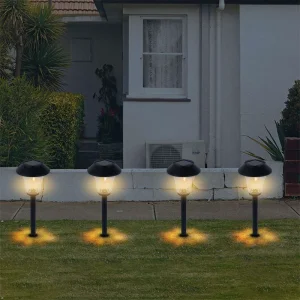
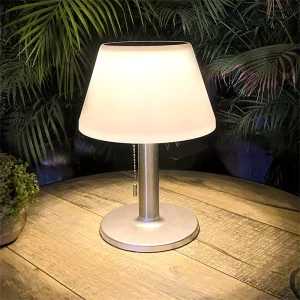
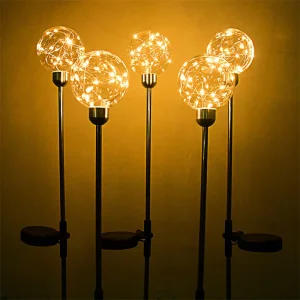
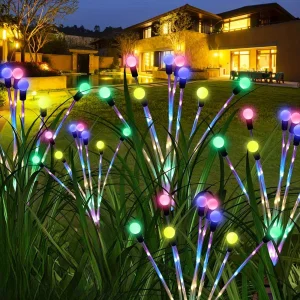
Engineered for high performance, utilizing top-tier photovoltaic panels and rugged structural housings ready for global delivery, with full optimization for East Africa.
Ethiopia is navigating one of the most transformative economic eras in East Africa. Propelled by the National Electrification Program (NEP 2.0), the nation aims to achieve universal electricity access through a coordinated mix of grid and off-grid technologies. While major hydroelectric assets like the Grand Ethiopian Renaissance Dam (GERD) feed the national grid, municipal walkways, industrial zone peripheries, eco-tourism projects, and remote communities depend heavily on decentralized lighting.
Historically, reliance on standard electrical lines for outdoor illumination in rapidly urbanizing zones like Addis Ababa, Adama, Hawassa, and Dire Dawa has been plagued by trenching difficulties, copper cable theft, and grid fluctuations. Industrial-grade solar path lights bypass these capital-intensive bottlenecks, offering local authorities and developers a drop-in lighting solution requiring zero external wiring, zero fuel inputs, and minimal maintenance overheads.
Did you know? Ethiopia possesses an average solar radiation potential of 5.5 kWh/m²/day. This abundant solar resource ensures that even mid-sized solar path lights can achieve a 100% state of charge during the dry season, providing consistent dusk-to-dawn lighting throughout the year.
Deploying solar technology in Ethiopia involves navigating diverse geographic and climatic realities. From the highlands of Simien (often cool, damp, and under high UV stress) to the lowlands of the Afar region (characterized by extreme ambient temperatures and intense dust storms), standard consumer-grade outdoor solar lights often degrade prematurely. As a specialized manufacturer, Ningbo Jianheng Import And Export Co., Ltd. customizes structural, electrical, and optical parameters to address these harsh environmental variables.
Ethiopia's dry seasons bring heavy dust accumulation. Our solar fixtures feature high-grade silicone sealants and customized gaskets preventing particulate entry, ensuring internal circuits and light-emitting components remain protected.
At high altitudes (above 2,000 meters, like Addis Ababa), solar radiation contains elevated UV proportions. We use UV-stabilized engineering plastics and anti-corrosive anodized aluminum frames to prevent discoloration and brittleness.
High ambient heat accelerates battery degradation. We integrate LiFePO4 cells with Smart Battery Management Systems (BMS) to protect against overcharging, deep discharge, and thermal runaway.
Our manufacturing philosophy focuses on Reliability and Durability (R&D). When supplying path lighting systems to Ethiopian commercial developers, we factor in long-term dust accumulation. Photovoltaic surfaces are designed with a specific incline to encourage natural cleaning via rainfall. Internally, we configure our Charge Controllers with Maximum Power Point Tracking (MPPT) to maximize energy capture during hazy, dust-choked seasons, guaranteeing that the path lights run efficiently even with minor photovoltaic surface obstruction.
The global solar lighting industry is moving towards highly integrated, smart components. By merging advanced LEDs with monocrystalline silicon modules and lithium-iron phosphate batteries, manufacturers can deliver long-lasting lighting products. As a leading player in this sector, Ningbo Jianheng Import And Export Co., Ltd. serves as a reliable link connecting advanced Chinese supply chains with global B2B buyers, distributors, and developers.
Operating a massive 10,750 square meter production facility with 105 skilled technicians, our company integrates cutting-edge injection molding, automated surface-mount technology (SMT) for driver circuit assembly, and intensive environmental test chambers. Our strict quality control systems are backed by international certifications:
Our production facilities maintain certifications including BSCI and ISO9001. Additionally, our entire product portfolio holds CE, ROHS, and UKCA certificates, ensuring compliance with global electrical safety, quality, and environmental regulations.
Whether executing bulk OEM/ODM requests or designing tailored solutions for municipal contracts in Ethiopia, we offer a rapid 7-day proofing service. This allows development engineers and procurement managers to inspect accurate physical prototypes, verify build quality, and adjust optical designs before moving to large-scale production.
Solar pathway lights are versatile fixtures that can be deployed across various public, commercial, and private environments to enhance safety, aesthetics, and usability:
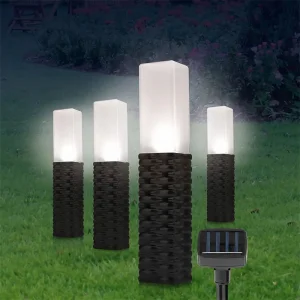
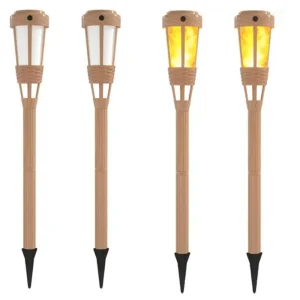
From the Rift Valley lakes to the historical sites of Gondar and Lalibela, boutique hotels and eco-resorts leverage solar path lights to illuminate walkways without disturbing natural ecosystems. Natural rattan styling and bamboo designs blend seamlessly with local building aesthetics while operating completely off-grid.
Under the urban renewal projects in Addis Ababa (such as the Beautifying Sheger Project), public parks require dependable evening lighting. Heavy-duty solar path and spot lights provide safe pedestrian corridors, encourage night-time family recreation, and reduce municipal electricity costs.
Industrial zones require reliable perimeter safety lighting. Standardizing with solar post lights ensures critical safety corridors remain illuminated during grid interruptions, protecting employees during night shifts.
The next step in solar lighting is the integration of Internet of Things (IoT) architectures. By embedding low-power transceiver chips (such as LoRa or ZigBee) inside path light housings, developers can manage entire illumination grids from a central control panel.
Our technical department is developing features to support smart urban grids:
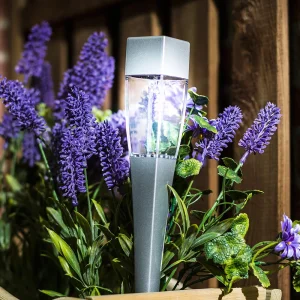
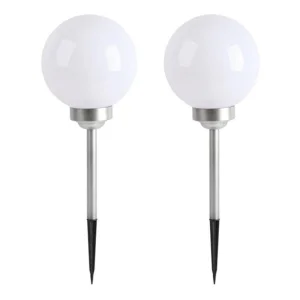
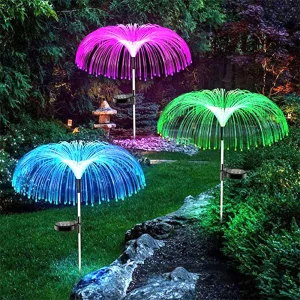
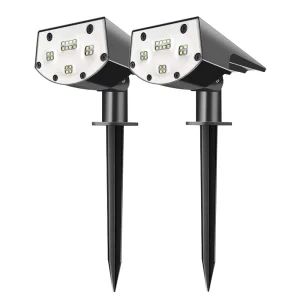
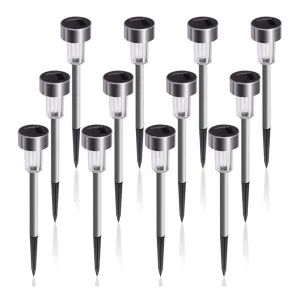
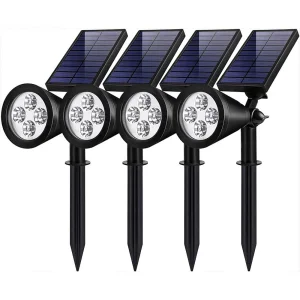
Explore our main product line, engineered to meet diverse installation designs and decorative demands across global markets.
Connect with our engineering and logistics specialists to request catalog details, custom pricing, and technical support tailored for installations across Ethiopia.
Send Inquiry Now Jianheng