Engineered for Japanese architectural strictness and optimal photovoltaic conversion efficiency in metropolitan shade zones.
An in-depth white paper analysis on the macro-market conditions, technological evolution, and environmental standards governing Japanese municipal specifications.
As the Tokyo Metropolitan Government drives toward its ambitious "Zero Emission Tokyo" goals for 2030, outdoor municipal infrastructure is shifting rapidly toward grid-independent power sources. Architectural firms in Minato, Shibuya, and Chiyoda wards are increasingly mandating high-efficiency solar path lighting for corporate green spaces, public parks, and historic walkways.
However, Tokyo presents a unique architectural challenge: dense high-rises create extensive wind tunnels and localized shadow patches. Solar path lights designed for this market must possess top-tier low-light solar absorption capabilities (using high-efficiency monocrystalline panels) and seismic-proof mounting structures to withstand Japan's strict disaster readiness standards.
Ningbo Jianheng provides specific engineered solutions, adapting solar charging matrices to execute seamless energy storage even under indirect sunlight conditions typical in high-density Japanese cities.
Tokyo's geography spans coastal port zones, exposing outdoor fixtures to harsh saltwater corrosion. Industrial path lights must utilize marine-grade 316 stainless steel, high-durability anodized aluminum, or anti-UV ASA plastic bodies. Additionally, typhoon-level wind loads necessitate internal component structural stabilization.
Our industrial production methodologies focus heavily on sealing metrics. The integration of dual-component silicone gaskets achieves IP67 and IP68 dust-and-moisture ingress prevention ratings. This ensures that heavy rain events do not compromise the internal LiFePO4 battery storage, maintaining circuit performance and preventing short circuits.
By blending robust physical designs with high-efficiency output protocols, our fixtures achieve the durability demanded by Japanese developers who seek an operating lifecycle exceeding 5 to 7 years without maintenance.
Ningbo Jianheng: Over 20 years of OEM/ODM leadership supplying premium global distributors and Tokyo industrial projects.
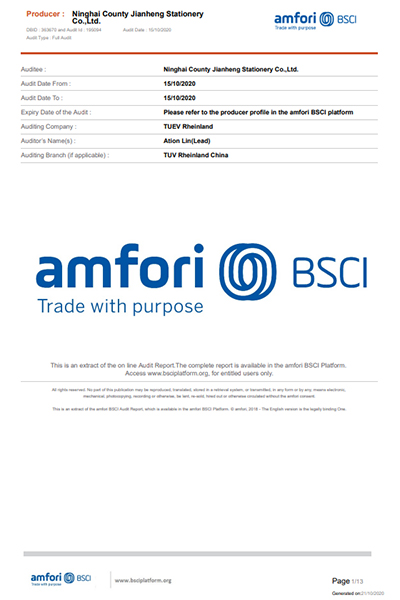
We recognize that procurement departments within Tokyo trading houses (Sogo Shosha) maintain zero-tolerance policies toward manufacturing defects. That is why our entire production process is governed by ISO9001 and BSCI quality audits.
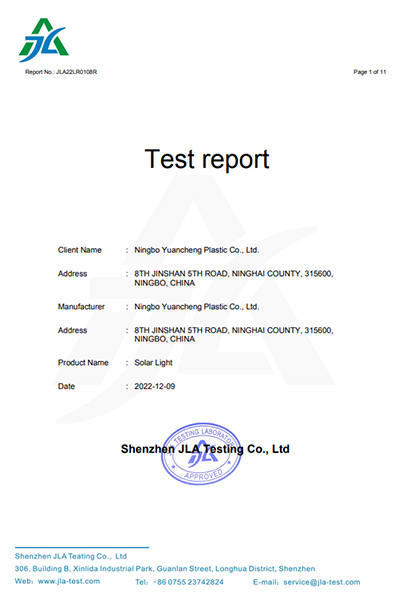
Our quality control workflow includes comprehensive raw material validation, post-assembly IP testing, automated optical inspection (AOI), and prolonged thermal cycling inside simulated environmental chambers. This guarantees each light meets the precise specifications defined by your project team.
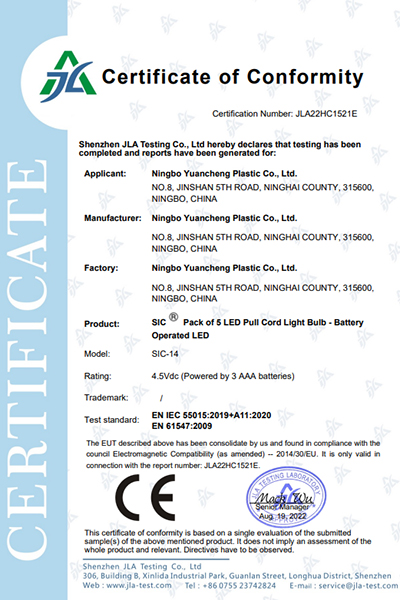
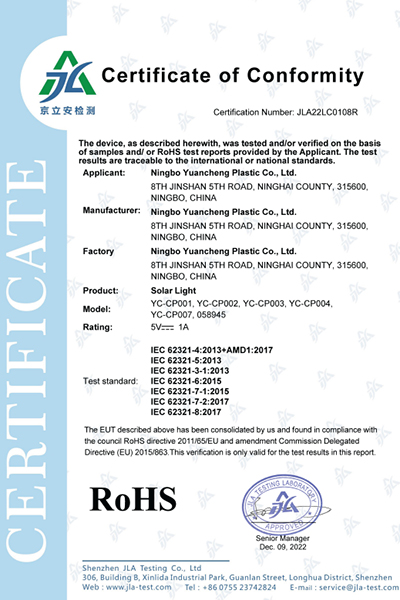
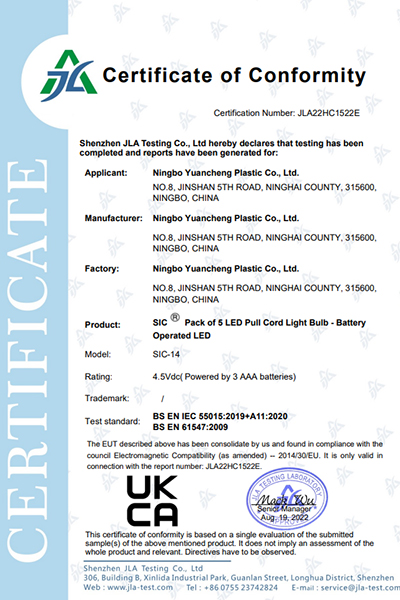
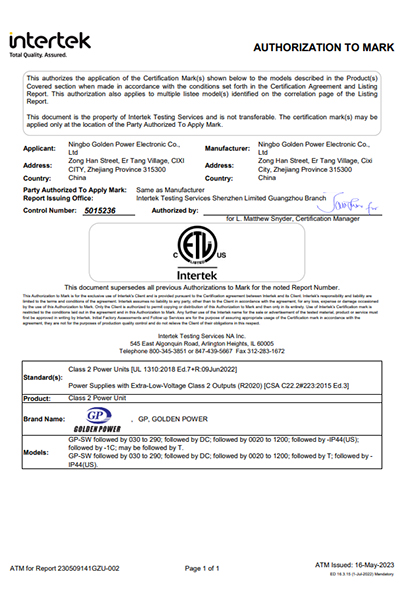
Additionally, all products carry complete CE, RoHS, UKCA, and PSE-compliant safety validations, removing customs friction and ensuring immediate operational approval upon delivery to Japanese port facilities.
Three core technology pillars designed to maximize illumination efficiency, reduce light pollution, and extend operational lifespan.
Integrating 21%+ high conversion rate silicon cells equipped with bypass diodes. This configuration reduces efficiency drop caused by fallen leaves or skyscraper shadows common in Tokyo gardens.
Utilizing high-safety Lithium Iron Phosphate cells. Capable of surviving over 2,500 charge-discharge cycles while maintaining stability between -20°C and 60°C without risk of thermal runaway.
Custom-engineered optical lenses that eliminate blinding glare. Fully compliant with Japan's strict municipal ordinances governing upward light distribution in residential communities.
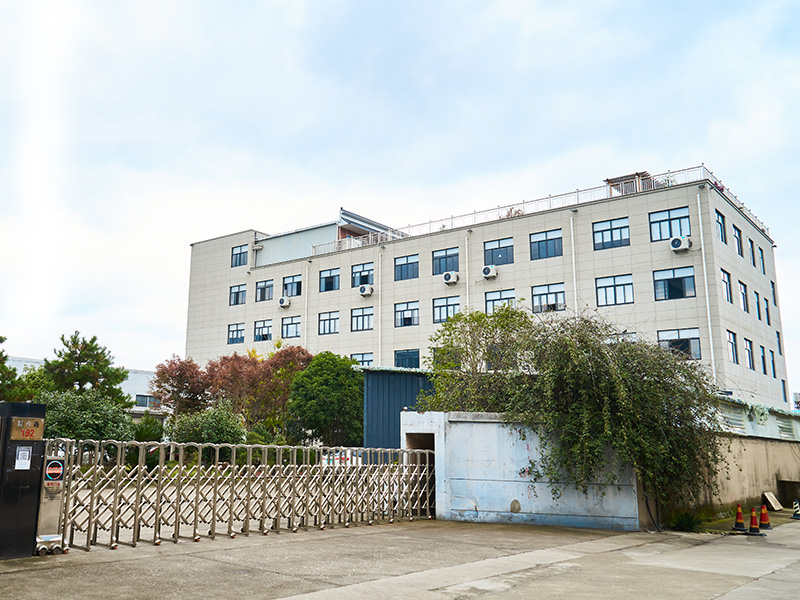
A look inside Ningbo Jianheng's advanced production workshops, custom plastic injection capabilities, and rigorous testing lines.
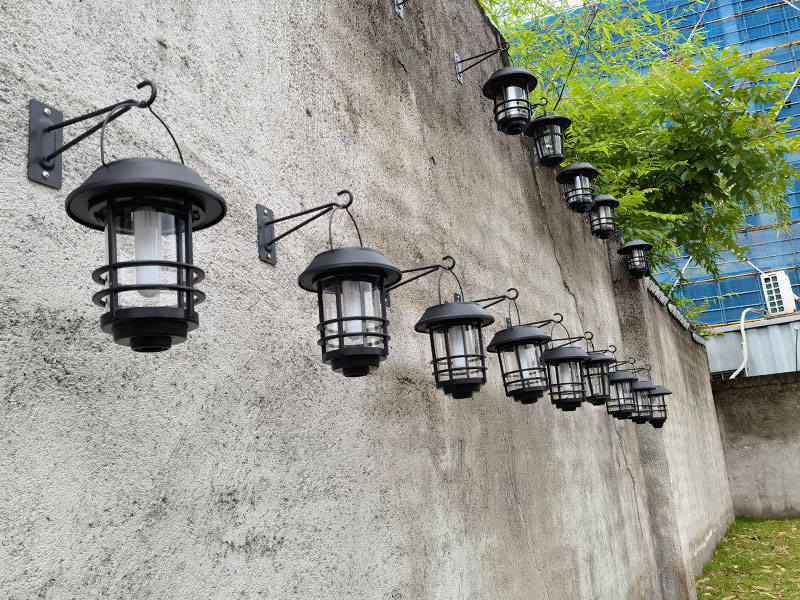
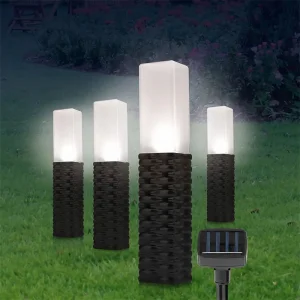
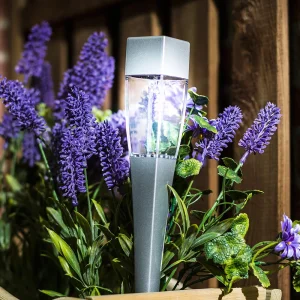
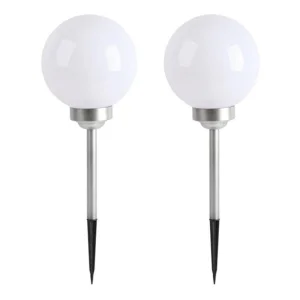
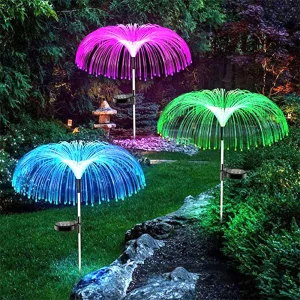
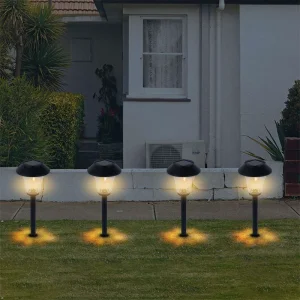
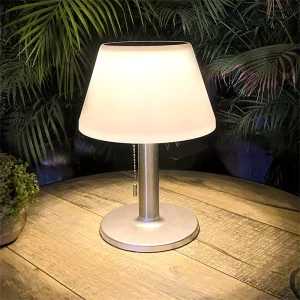
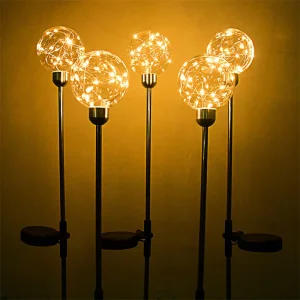
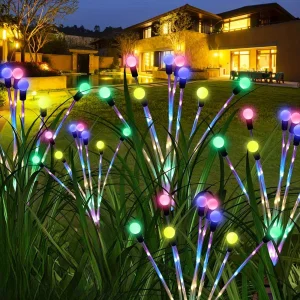
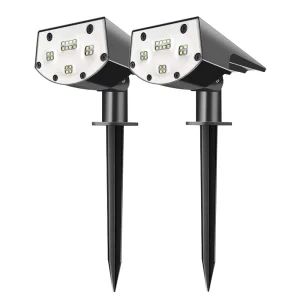
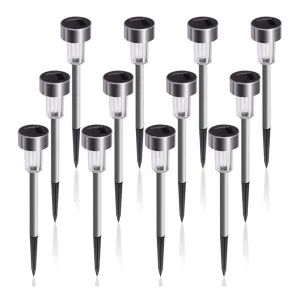
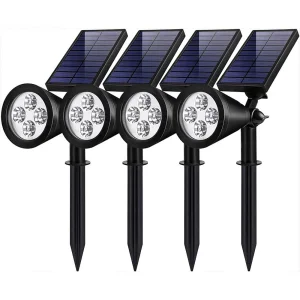
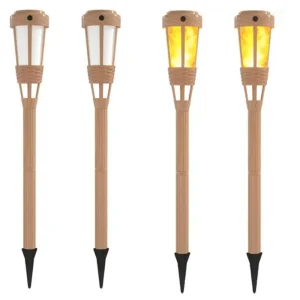
Explore our complete architectural solar lighting series, adaptable for Tokyo's pedestrian routes, public greenways, and structural facades.
Providing direct, transparent, and authoritative answers to complex technical questions from Tokyo lighting buyers and project developers.
 Jianheng