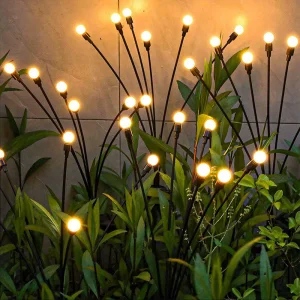
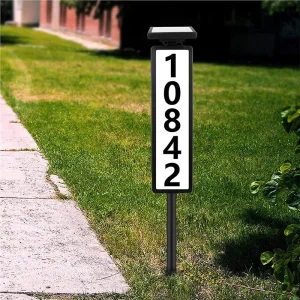
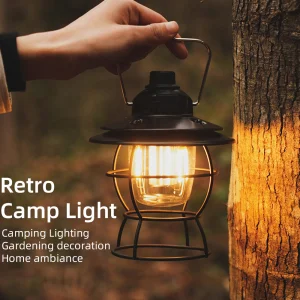
Optimized solar architectural installations engineered for durability in residential and commercial infrastructure across Accra, Kumasi, and Tema.
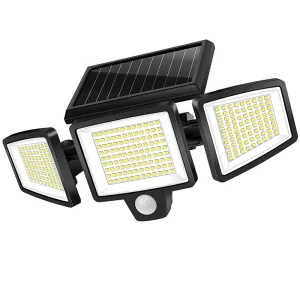
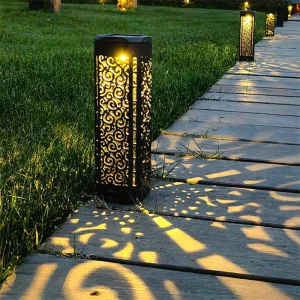
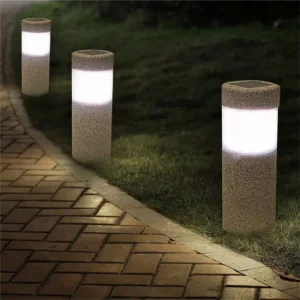
As one of West Africa's fastest-growing economies, Ghana experiences a dual transition: intensive infrastructural urbanization alongside critical grid stability challenges (historically known as *dumsor*). Despite substantial national grid access, urban and rural municipal networks face transmission bottlenecks, rising tariff rates, and reliability dips due to seasonal gas shortages and hydro-reservoirs depletion.
Consequently, public and private sectors are rapidly prioritizing decentralized, solar-powered systems to mitigate operational overhead. Ghana’s solar potential is immense, receiving an average daily solar irradiance of 4.5 to 6.0 kWh/m² with 1,800 to 3,000 hours of sunshine annually. Integrating commercial-grade solar lighting systems ensures zero-cost operation post-installation while providing critical illumination to residential developments, industrial parks, and national transport networks.
Our product deployment schemes are specifically calibrated for Ghanaian micro-environments, from salty sea breezes to dusty Harmattan winds.
Saline humidity in coastal zones like Accra, Tema, and Sekondi-Takoradi causes rapid corrosion on standard metals. Our fixtures utilize marine-grade aluminum, high-impact polycarbonate, and specialized UV coatings to withstand salt mist and high humidity without structural or electrical failure.
The Northeast Trade Winds bring heavy dust particles from the Sahara during the Harmattan season, dropping solar panel efficiency and blocking heat sinks. Our lights feature IP65 and IP67 ingress protection, ensuring no internal dust accumulation while utilizing smooth, self-cleaning glass surfaces.
Average temperatures in northern regions like Tamale can exceed 40°C. Standard lithium batteries degrade rapidly under high ambient heat. Our systems incorporate advanced LiFePO4 cells with smart Battery Management Systems (BMS) that regulate thermal profiles and prolong cycle life.
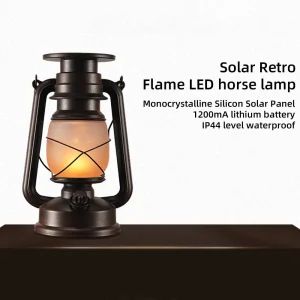

Driven by AI integration and next-generation power electronics, we are shifting the boundaries of localized off-grid lighting.
Our long-term developmental blueprint targets three main sectors: high-conversion photovoltaic chemistry, dynamic power conservation, and Smart IoT integration tailored for West Africa's shifting infrastructure.
By transitioning to high-purity Monocrystalline Silicon and upgrading the internal drivers to support smart MPPT (Maximum Power Point Tracking), our systems ensure continuous charging capability even during dense cloud cover or Harmattan dust storms. Simultaneously, we are phasing out standard battery cells to rely exclusively on Grade-A Lithium Iron Phosphate (LiFePO4) cores, which can undergo over 3,000 discharge cycles without dropping below 80% capacity.
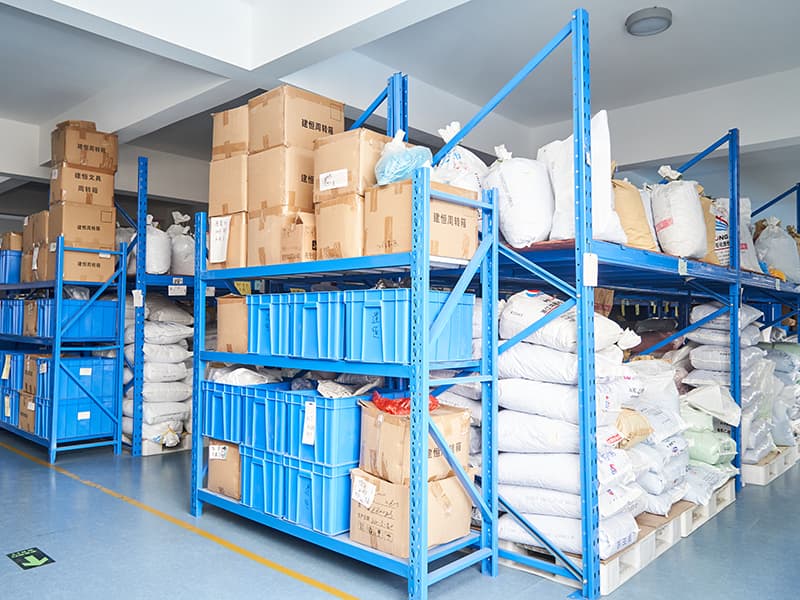
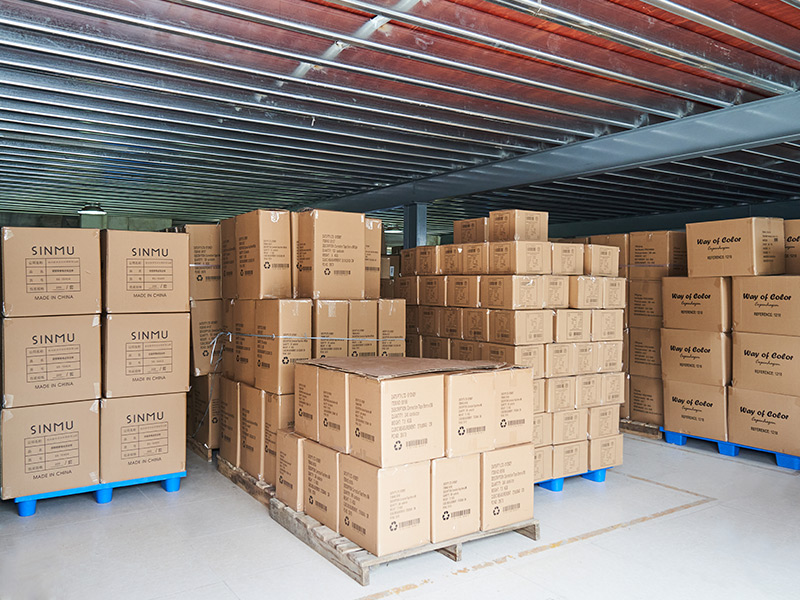
Direct factory infrastructure control ensures rapid delivery, verified certifications, and industrial-grade quality control.
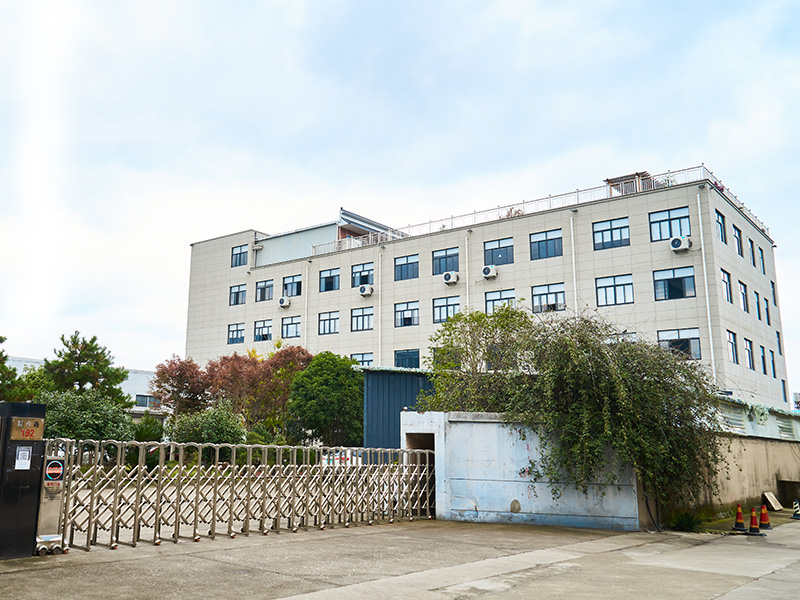
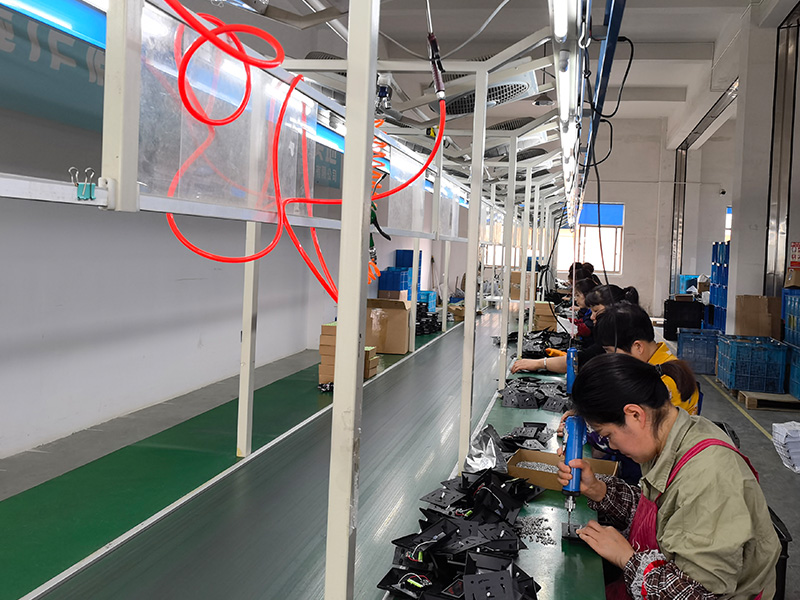
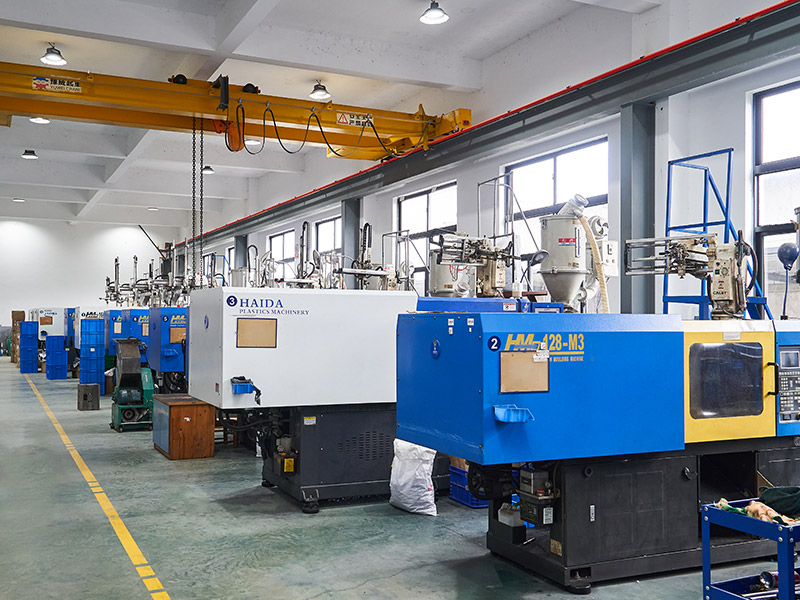
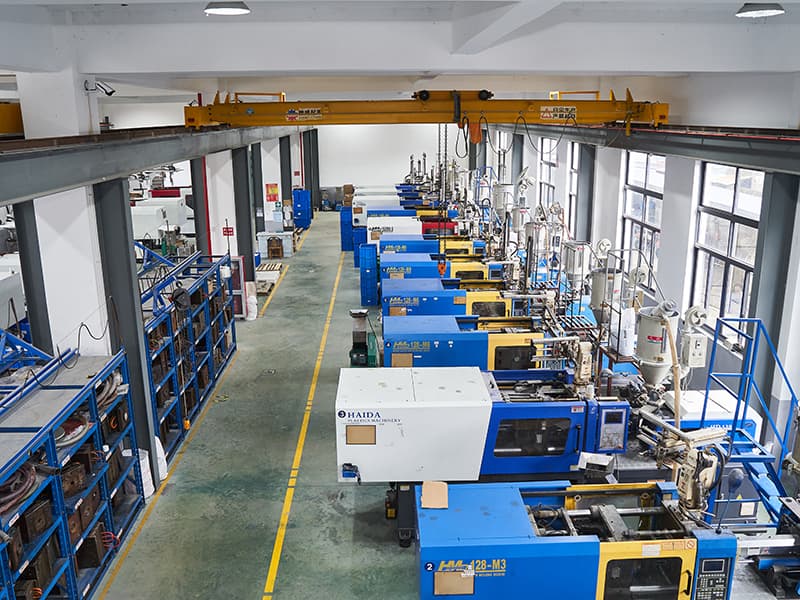
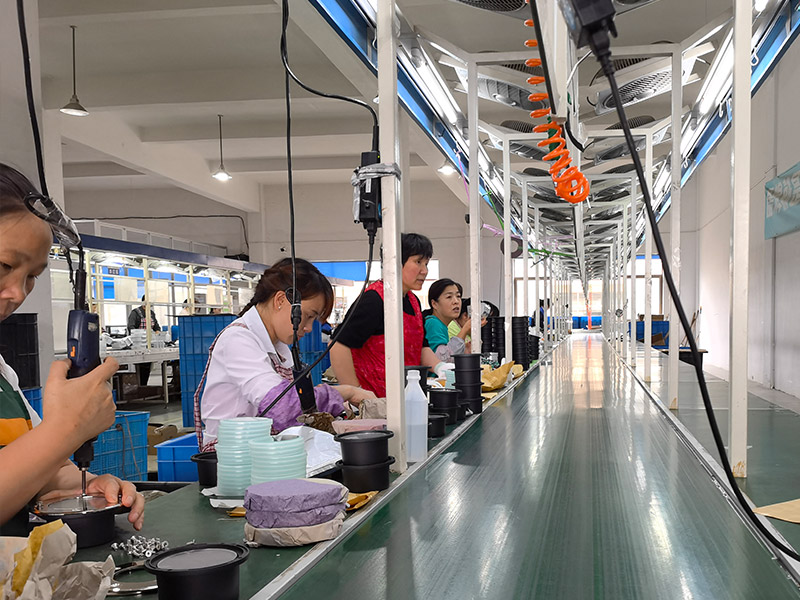
With over 20 years of dedicated solar lighting manufacturing history, Ningbo Jianheng Import And Export Co., Ltd. (operating alongside its raw plastics manufacturing core, Ningbo Yuancheng Plastic Co., Ltd.) serves as a global backbone for solar lighting distribution. Our manufacturing campus covers over 10,750 square meters, utilizing highly automated injection molding machines, automated optical testing tools, and rigorous environmental simulator chambers.
We leverage our 105 skilled technicians on production lines and 15 operations managers to maintain precise control over lead times. Unlike trading agents, our internal mold construction and plastic molding factories enable a rapid 7-day proofing service for custom OEM/ODM orders. Whether modifying bracket designs for local wooden utility posts or customizing LED panel outputs for municipal street standards in Ghana, we deliver customized, high-yield solutions.
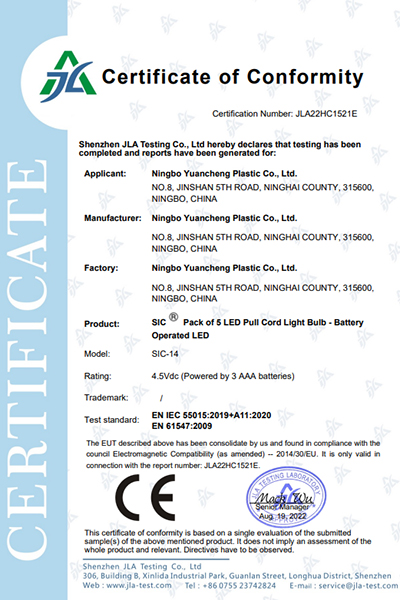
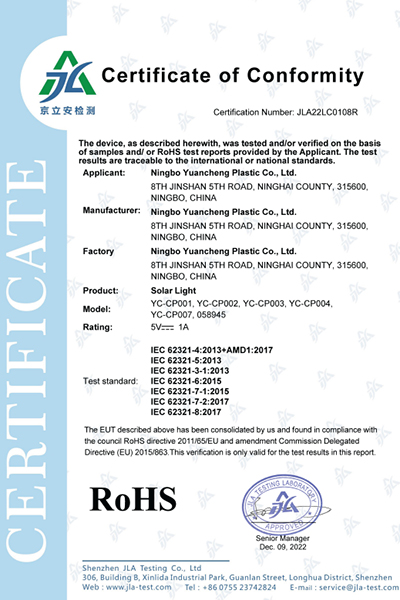
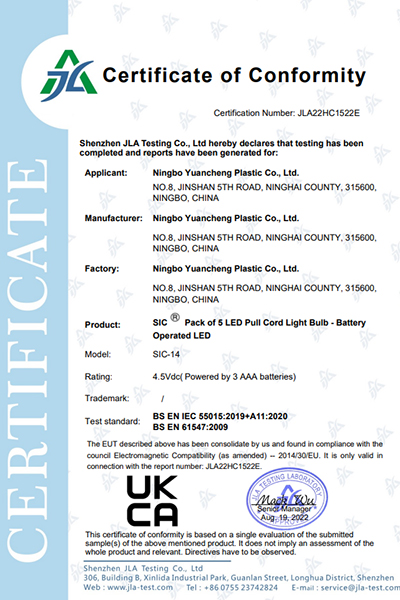
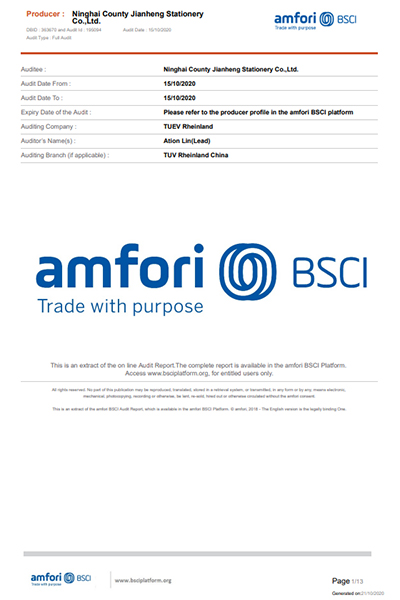
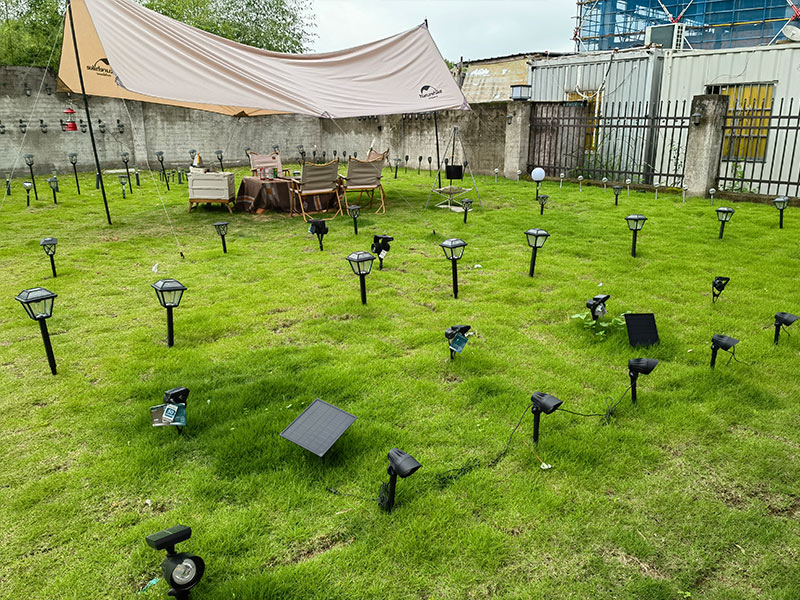
Quality is our bottom line. Each batch destined for West Africa undergoes standard testing sequences to ensure reliable performance under extreme environments.
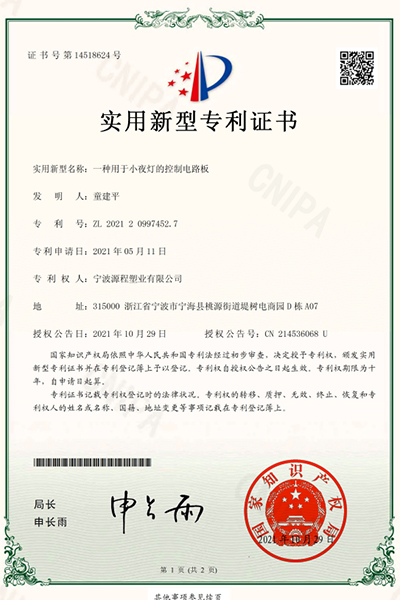
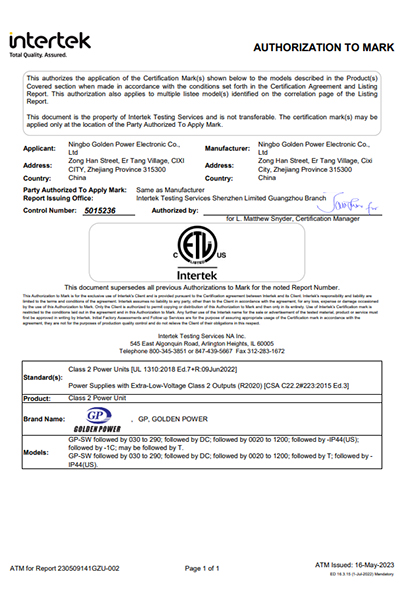
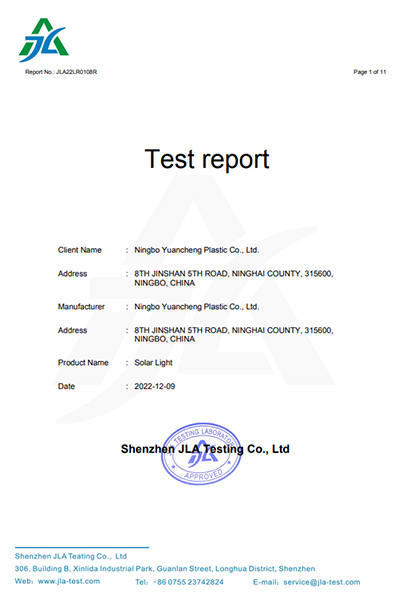
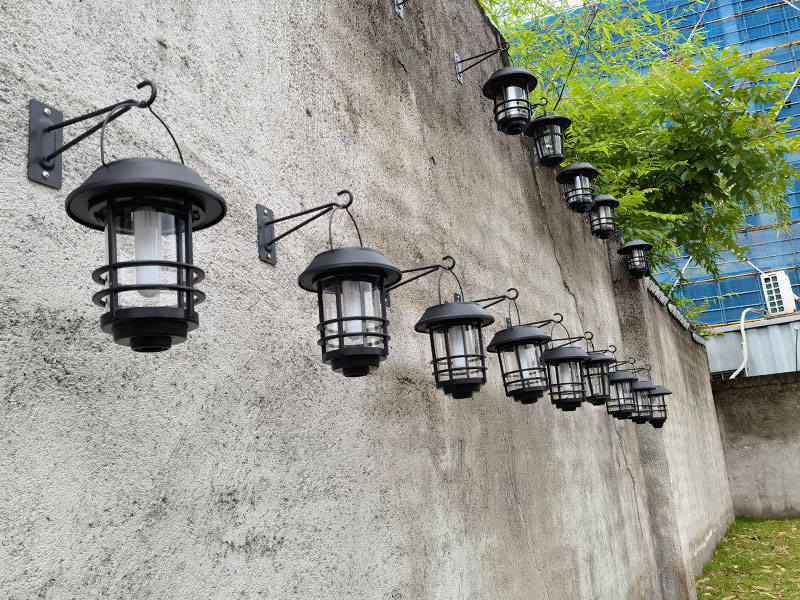
Seamless custom clearance and product certification align with the Ghana Standards Authority (GSA) requirements.
Exporting to West Africa, especially through the Port of Tema or Takoradi, requires rigorous compliance documentation to pass pre-shipment inspections and local evaluations. Under the Ghana Energy Commission guidelines, renewable systems and off-grid configurations must meet clear performance, safety, and lifespan standards. Our factory provides full compliance packages including:
Essential technical insights for sourcing solar lighting configurations for public tenders, real estate developments, and wholesale markets.
Our products are engineered with smart power control features. When solar charging decreases during continuous overcast conditions, the system dynamically dims light levels rather than switching off completely. This ensures safety illumination lasts for up to 3–5 rainy days on a single full charge cycle.
We prioritize Grade-A LiFePO4 (Lithium Iron Phosphate) cells for hot regions. These batteries sustain over 3,000 deep discharge cycles (equivalent to roughly 8-10 years of daily operation) before their capacity drops below 80%. They are significantly more reliable than standard ternary lithium or lead-acid batteries, which degrade rapidly under heat.
Yes, we specialize in OEM/ODM orders. As a direct manufacturer, we offer structural modifications (such as reinforced street brackets or heavy-duty poles), custom battery capacities, and specific optical distributions to match local municipal parameters. Our facility also offers a 7-day proofing service for verified project developers.
Our export department provides comprehensive document packages including ISO9001 certificates, test reports, commercial invoices, and packing lists. We work with leading global cargo networks to organize FCL (Full Container Load) or LCL (Less than Container Load) shipping directly from Ningbo Port to Tema or Takoradi.
Our products feature IP65 or IP67 ratings, meaning they are completely sealed against fine sand and dust particles. To optimize charging, we recommend wiping down the solar panels periodically during high-dust months to ensure peak performance.
Browse our selection of durable residential, industrial, and off-grid commercial lighting configurations.
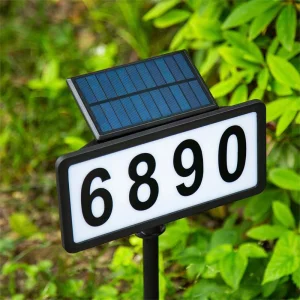
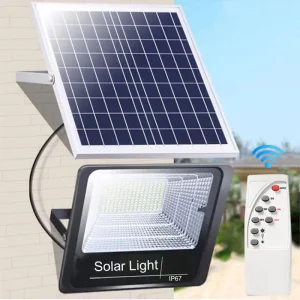
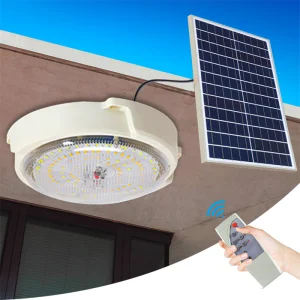
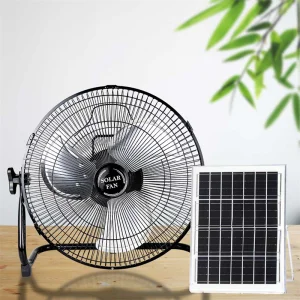
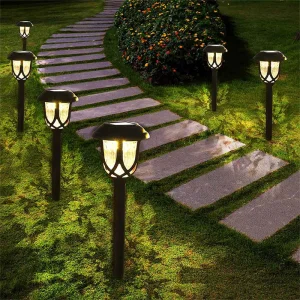

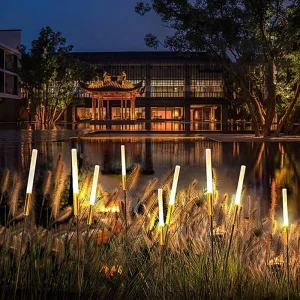
Partner with Ningbo Jianheng to secure competitive pricing, direct factory custom engineering, and reliable supply chain pipelines to Ghana.
 Jianheng