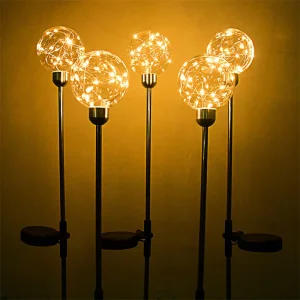
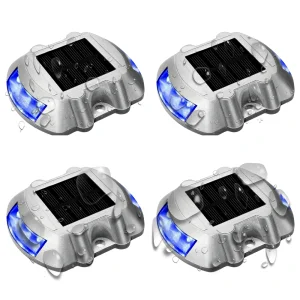
Explore our industrial-grade, certified OEM solar solutions designed for path, garden, wall, and architectural applications.
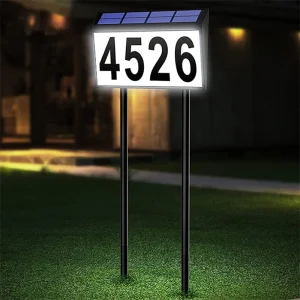
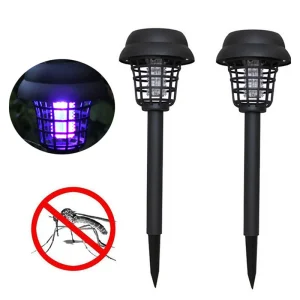

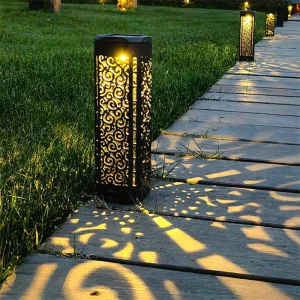
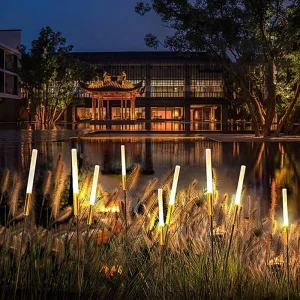
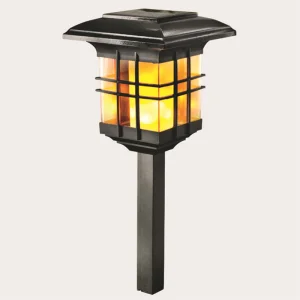
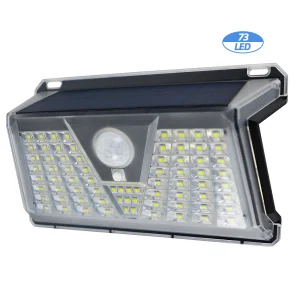
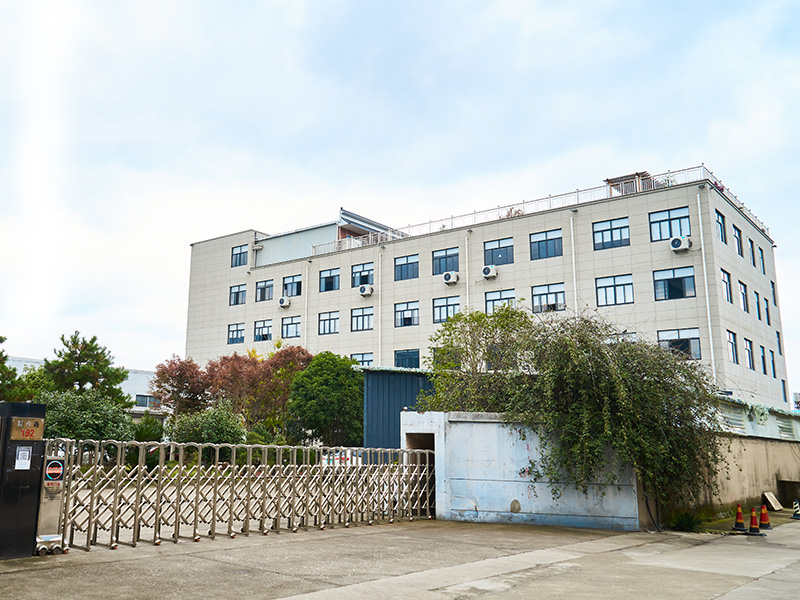
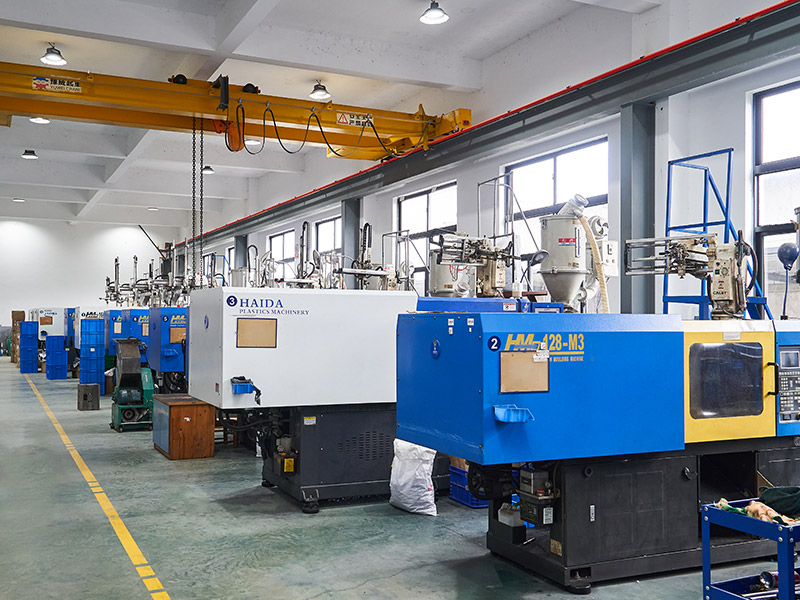
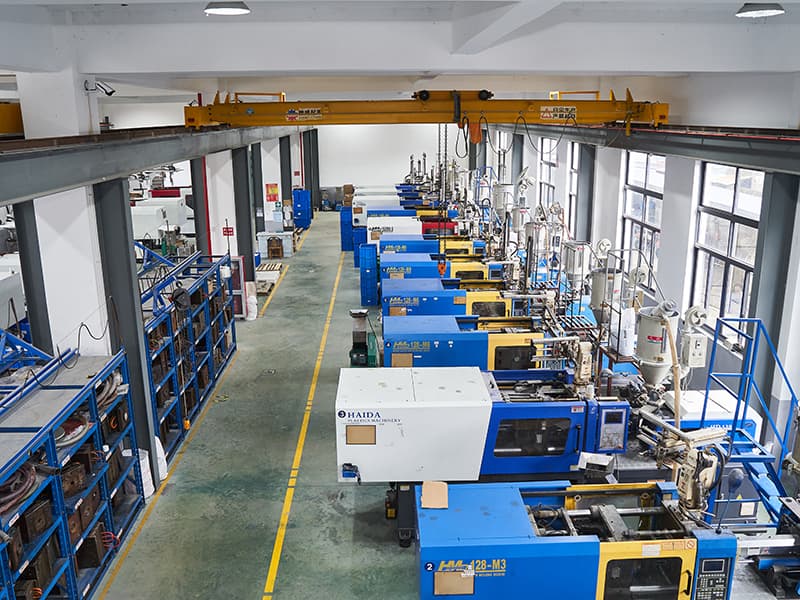
Operating in close alignment with our integrated manufacturing facility, Ningbo Yuancheng Plastic Co., Ltd., we stand as a premier global manufacturer of solar lighting systems. With a rich corporate lineage spanning over 20 years, our facilities have evolved into a state-of-the-art base for solar energy R&D and precision hardware manufacturing.
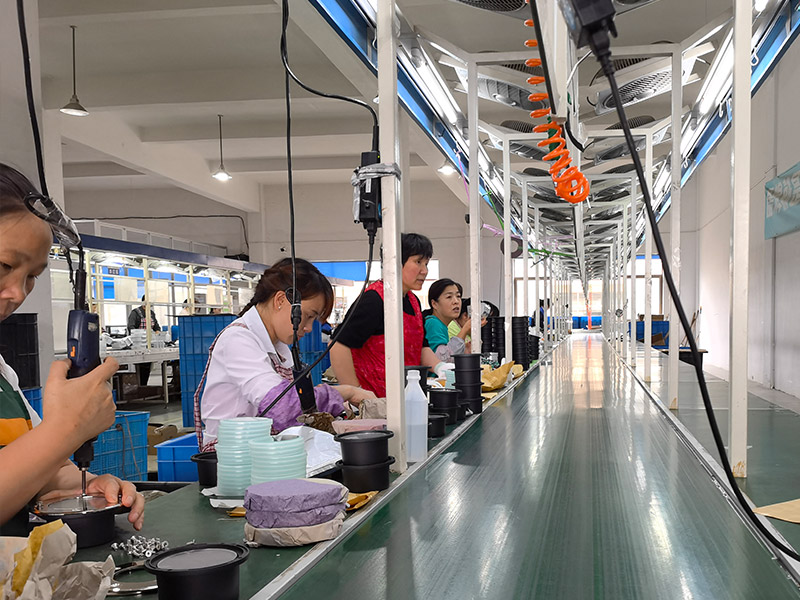
Covering a specialized manufacturing footprint of 10,750 square meters, our facilities are equipped with automated SMT assembly lines, battery pack thermal testing instruments, and photometric laboratory equipment. Powered by a workforce of 105 skilled technicians and 15 specialized engineers, we bridge the gap between initial prototyping and high-volume component distribution.
Analyzing the macro trends, sustainability mandates, and economic drivers of grid-independent public illumination.
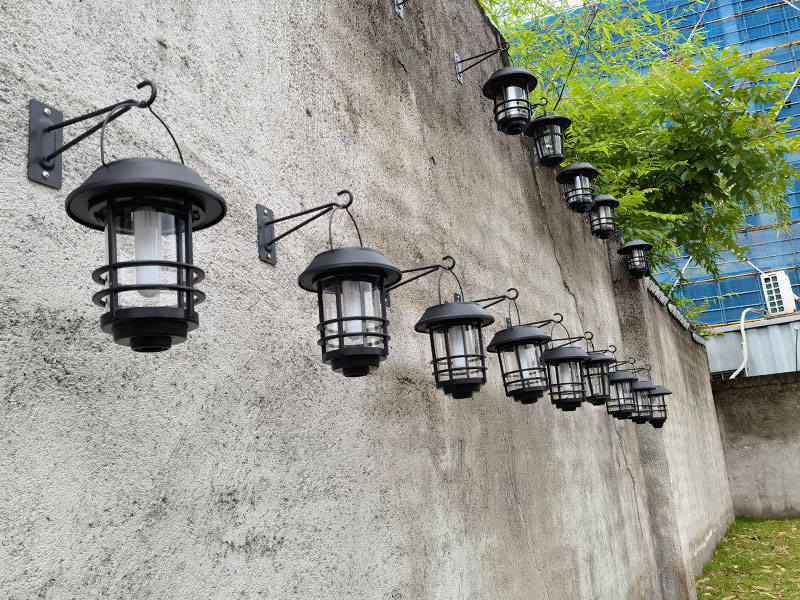
The global paradigm shift toward net-zero municipal grids has accelerated the adoption of decentralized solar street lighting systems. Once restricted to ancillary rural paths, modern advancements in high-efficacy LEDs, integrated Lithium Iron Phosphate (LiFePO4) chemistries, and intelligent MPPT (Maximum Power Point Tracking) charge controllers have established solar street lights as a viable utility alternative for highways, logistical hubs, and major public walkways.
From a financial perspective, industrial projects that implement integrated solar systems bypass the extensive capital expenditures of trenching, cabling, and grid-connection. Our customized OEM street lights integrate these components—mono-crystalline PV modules, long-lifespan lithium cells, and adaptive LED arrays—into streamlined assemblies that reduce Total Cost of Ownership (TCO) by up to 60% over a typical 10-year asset lifecycle.
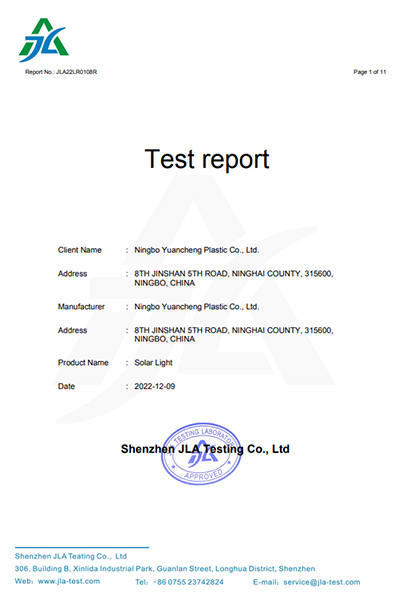
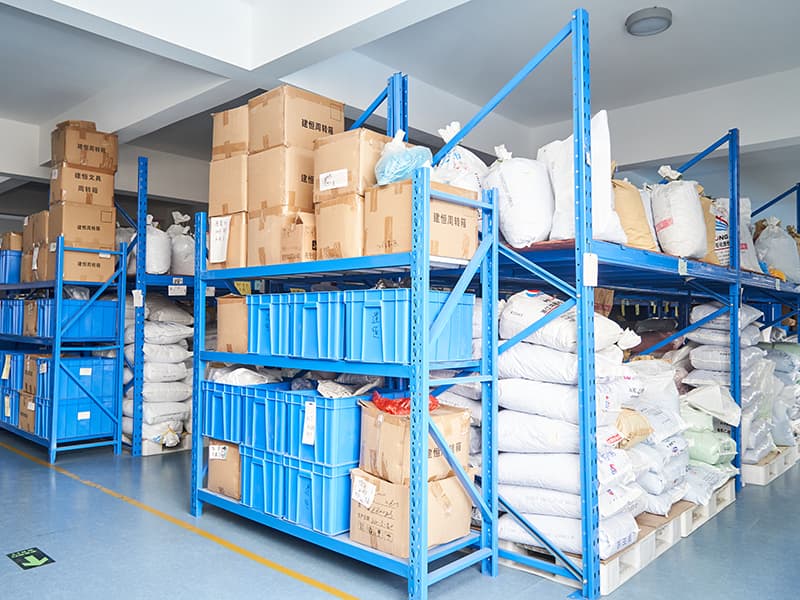
At Ningbo Jianheng (Ningbo Yuancheng Plastic Co., Ltd.), quality is the core metric of our manufacturing process. We maintain strict control over every stage of production—from incoming cell sorting to final thermal stability runs on our finished battery packs. Our systems are verified by international testing bodies, ensuring your project meets local safety, electrical, and structural codes.
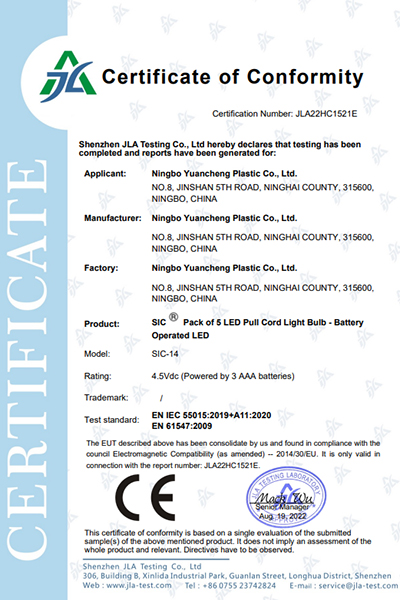
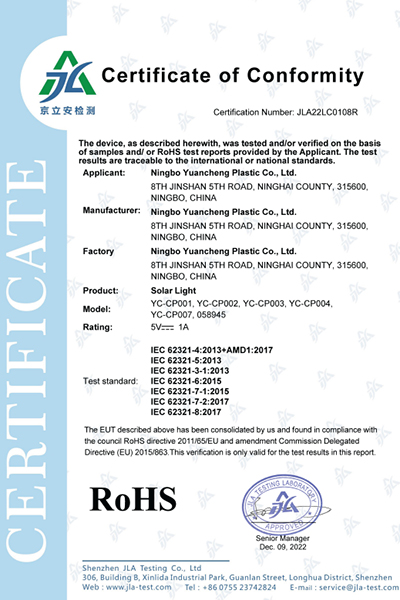
Our company is fully compliant with BSCI and ISO9001 quality management protocols. Our catalog holds certifications including CE, ROHS, UKCA, and IP65/IP68 ingress ratings. By maintaining complete documentation and traceability of our raw materials, we guarantee long-term durability in challenging outdoor environments.
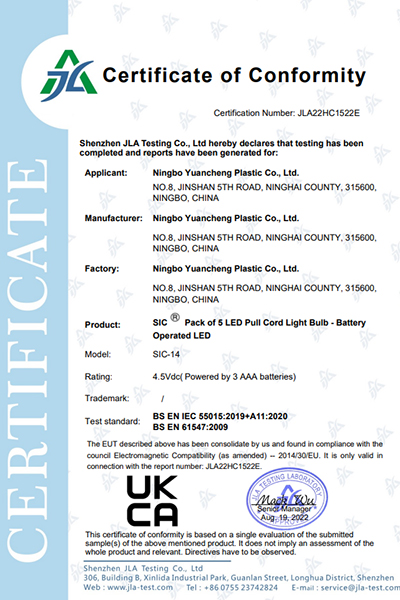
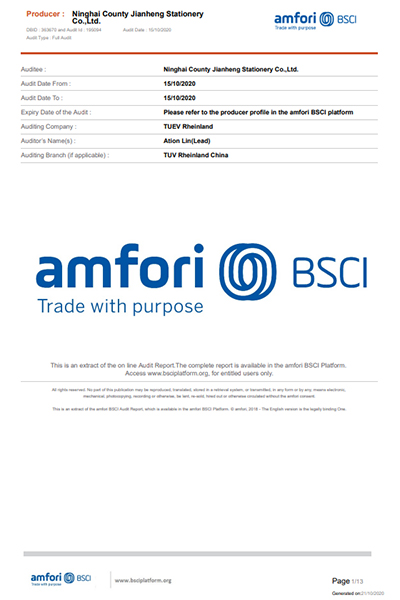

Engineered design integrations optimized for low-temperature operation, high luminous output, and intelligent power management.
We deploy high-conversion-rate monocrystalline silicon PV panels, maintaining efficiency levels above 21.5% to maximize energy harvesting even in overcast and high-latitude conditions.
Our street lights utilize high-temperature-tolerant Lithium Iron Phosphate (LiFePO4) battery packs, rated for over 3,000 charge cycles at 80% Depth of Discharge (DoD) with a built-in protective BMS.
Equipped with intelligent microcontrollers, our street lights feature adaptive dimming schedules, multi-stage temperature compensation, and PIR/microwave motion detection profiles.

Engineered options designed to operate reliably across diverse climatic zones and municipal configurations.
Monsoon & Coastal Zones: Designed with marine-grade structural coatings and 316-grade stainless steel components, our fixtures carry IP66-rated enclosures to withstand salt spray corrosion, humidity, and typhoons.
Arid & High-Dust Environments: Engineered with sloped, self-cleaning glass profiles on the PV module to limit dust aggregation, our street lights also utilize specialized high-temperature-rated battery enclosures.
Cold & High-Latitude Regions: Integrated heating pads in the battery compartment warm the cells when charging temperatures drop below freezing, maintaining lithium performance through winter.
Comprehensive turnkey engineering support for public works, infrastructure development, and industrial logistics facilities.
Our commercial program supports structural projects with engineered components designed for reliability and ease of deployment. We assist developers, EPC contractors, and municipal planners with site lighting calculations, custom mounting brackets, and specific color-temperature setups to ensure regulatory compliance.
From smart highways and commercial storage yards to perimeter security installations and rural access roads, our factory-direct OEM products are built for straightforward field service. By offering prefabricated, plug-and-play wiring connections, we minimize onsite assembly mistakes and accelerate installation timelines.
Key engineering, logistical, and design considerations answered by our technical department.
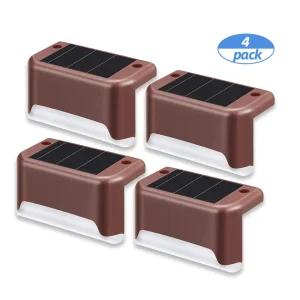
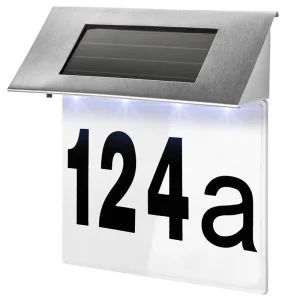
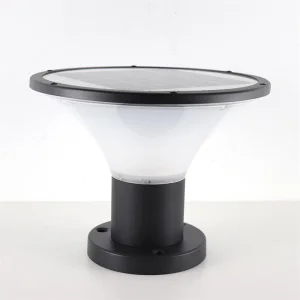
Explore our complete commercial line-up, featuring decorative fixtures, high-lumen bollards, and heavy-duty deck systems.



 Jianheng