Engineered For Global Industrial Projects, Extreme Ingress Protection, and High-Performance Architectural Aesthetics
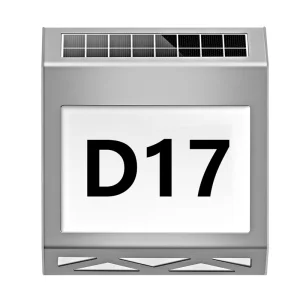
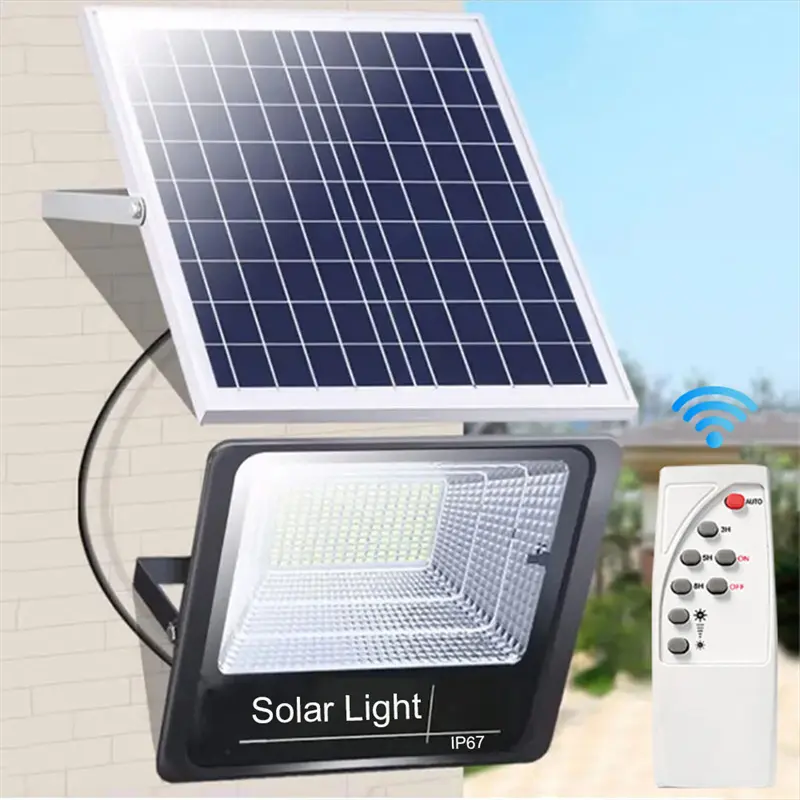
In the domain of modern civil infrastructure development, the lighting load must satisfy strict photometric norms while demanding zero grid reliance. The 120W solar street light acts as a technological sweet spot for civil and commercial engineering projects. It provides the high-lumen density required to support M1-to-M3 class road lighting standards without demanding the oversized wind-load profile of larger solar brackets.
Unlike small landscape units, a commercial-grade 120W system integrates deep-cycle energy storage, smart energy management, and extreme ingress protection. From structural integrity to light distributions, every element must be precision-engineered to survive 10 to 15 years of uninterrupted service under challenging environmental conditions.
"For industrial projects, the challenge is not generating light; it is managing autonomy. True high-performance 120W solar lights balance panel-to-battery charging configurations to ensure uninterrupted operation during prolonged overcast conditions."
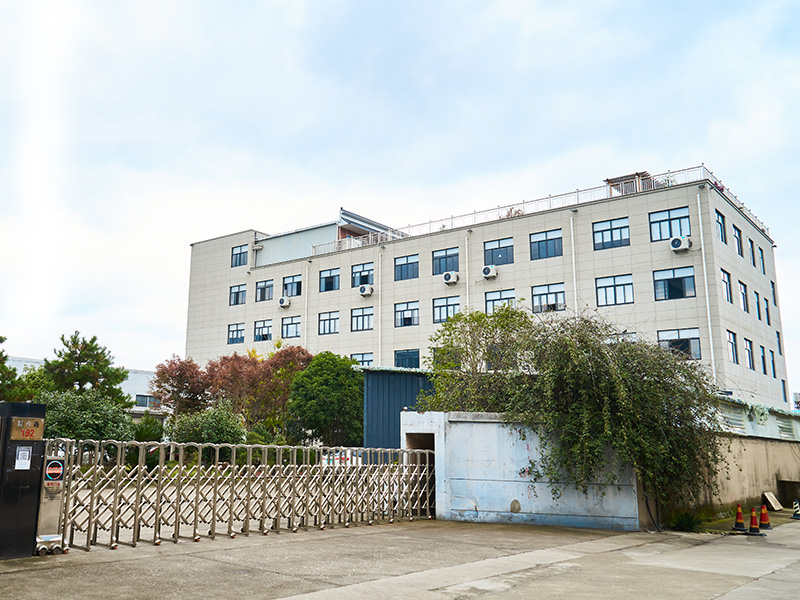
A twenty-year footprint in advanced manufacturing, precision injection molding, and strict global quality benchmarks
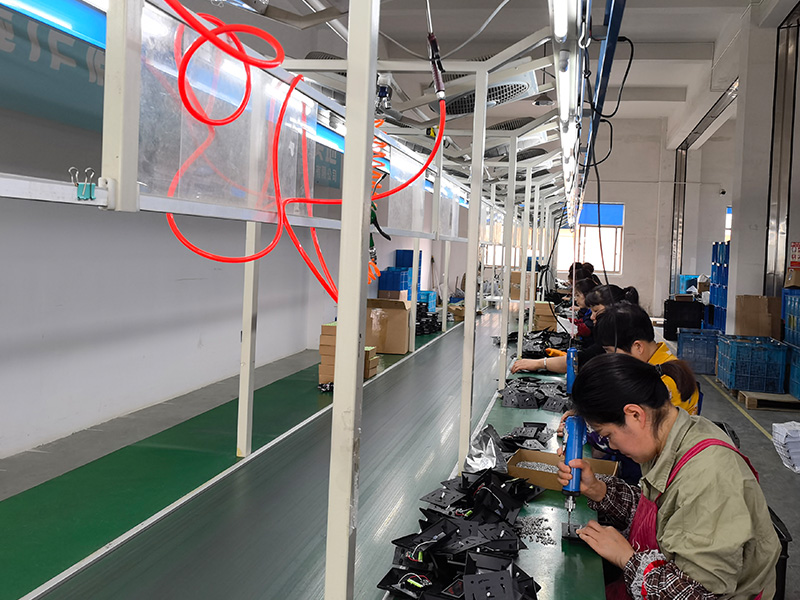
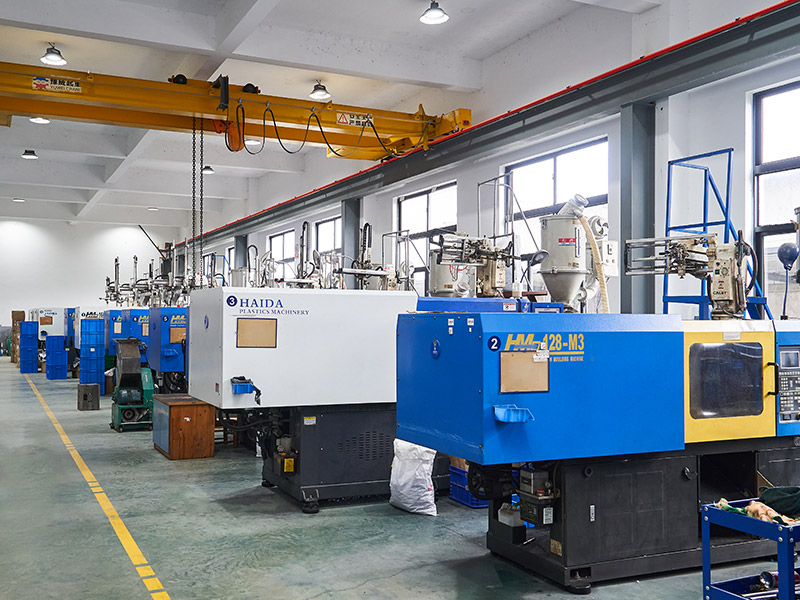
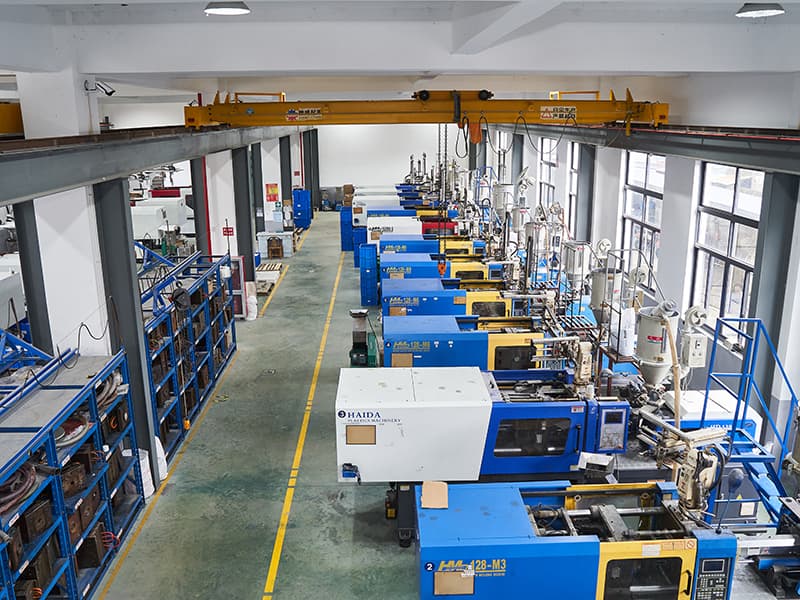
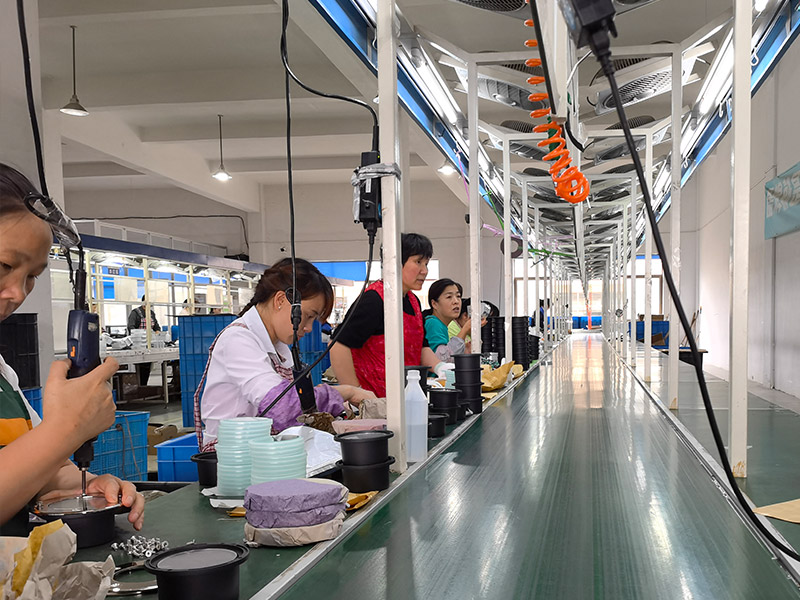
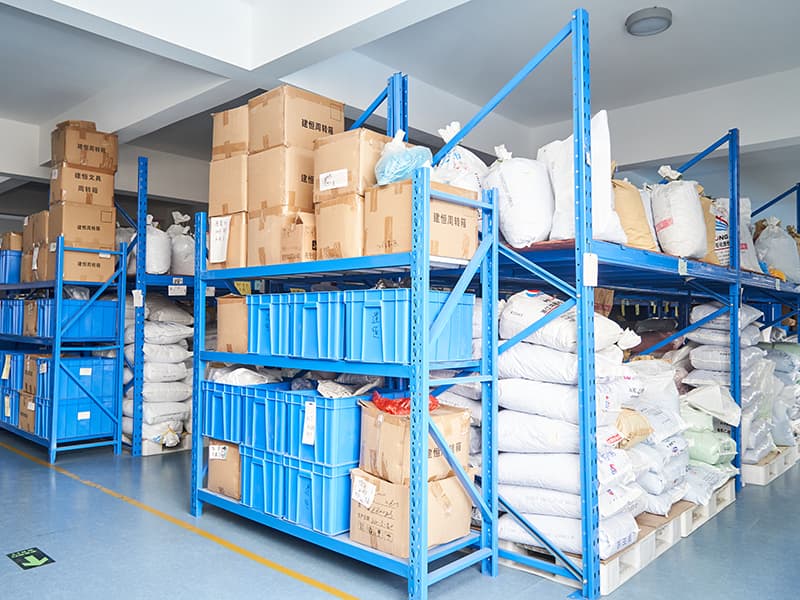
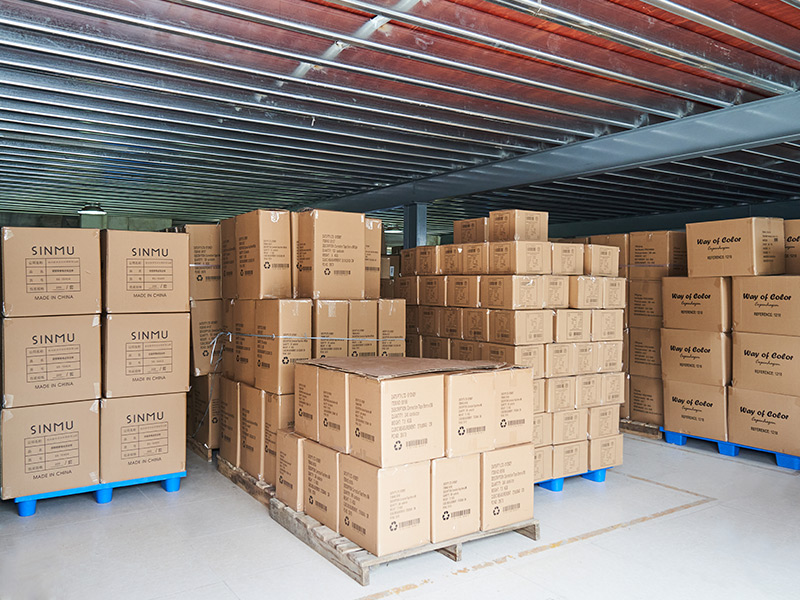
Ningbo Jianheng Import And Export Co., Ltd., combined with its specialized manufacturing facilities including Ningbo Yuancheng Plastic Co., Ltd., is an established force in the green infrastructure sector. Spanning a state-of-the-art facility of 10,750 square meters, the factory operates high-throughput assembly configurations alongside a specialized cleanroom for driver manufacturing and electronic testing.
Supported by 105 highly skilled workshop technicians and 15 technical and logistics project coordinators, we address the complete lifecycle of product design, prototype fabrication, mass manufacture, and high-standard quality assurance. By focusing on high-grade components like LiFePO4 batteries, monocrystalline cells, and IP67 waterproof structural molds, we protect the investments of international EPC contractors and municipal buyers.
To address the diverse and complex requirements of custom designs, we specialize in OEM/ODM orders, offering a 7-day rapid prototyping and proofing protocol. This ensures that custom housings, custom LED arrays, and specialized lens profiles can be tested and adjusted rapidly before full-scale manufacturing begins.
A side-by-side analysis of typical specifications engineered for public tenders and heavy industrial environments
Not all 120W solar street lights are created equal. A true enterprise-class lighting system requires components that are sized properly to prevent premature battery failure or insufficient lighting on cloudy days. Below is a structural outline detailing our typical high-output 120W configuration for high-traffic environments.
| Component Specification | Standard Configuration Details | Strategic Benefit / OEM Quality Objective |
|---|---|---|
| LED Light Engine | Premium Bridgelux / Cree LED chips (240 lm/W efficiency) | Achieves high luminous flux while reducing power consumption. |
| Solar PV Module | High-conversion Monocrystalline Silicon Panel (22.5%+ conversion rate) | Maximizes power generation under weak sunlight conditions. |
| Battery Storage | Deep-Cycle Lithium Iron Phosphate (LiFePO4) - 3.2V or 12.8V system | Guarantees 3,000+ charge cycles and functions safely in high temperatures. |
| Charge Controller | Smart MPPT (Maximum Power Point Tracking) with IoT capability | Tracks and adjusts voltage in real-time, boosting charging efficiency by 20-30%. |
| Autonomy Period | 3 to 5 continuous rainy/overcast days (dimming profiles configured) | Ensures reliable operation even during heavy rain or cloudy spells. |
| Housing & Materials | Anodized Die-Cast Aluminum (ADC12) with marine-grade coatings | Resists salt spray corrosion in coastal zones and improves thermal management. |
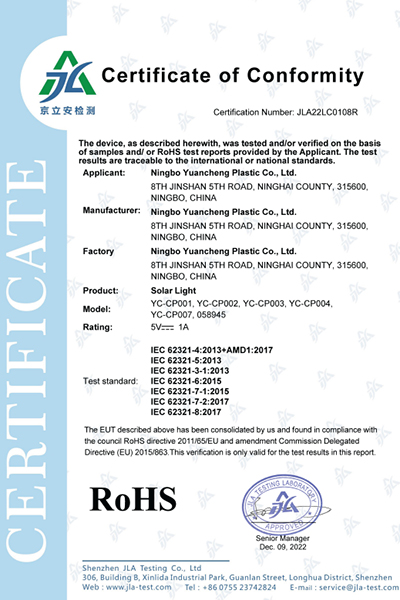
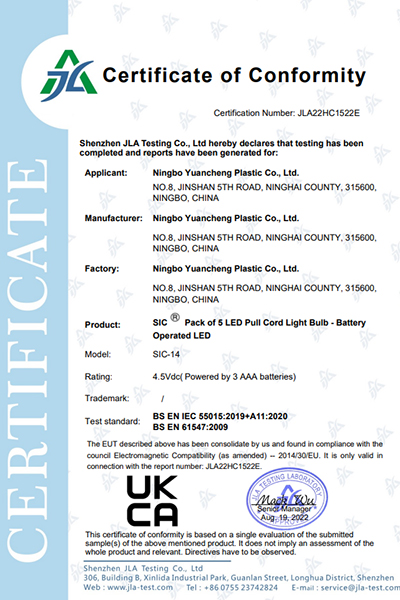
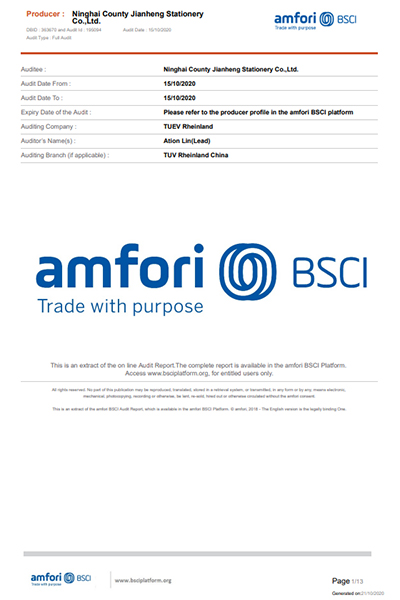
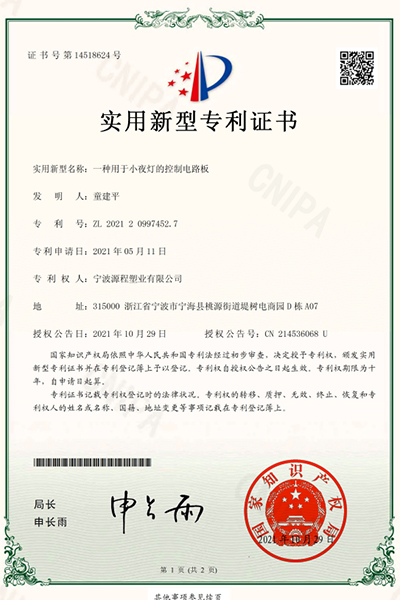
At Ningbo Jianheng, quality control is integrated directly into the manufacturing flow. Our operations comply with ISO9001 and BSCI quality management systems, which are audited annually by third-party inspection firms. This commitment ensures that global buyers—whether sourcing for state entities in Western Europe or major construction distributors in Australia—can bid confidently on public and private tenders.
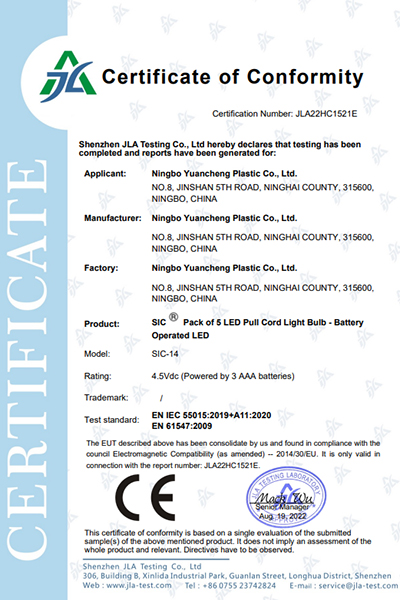
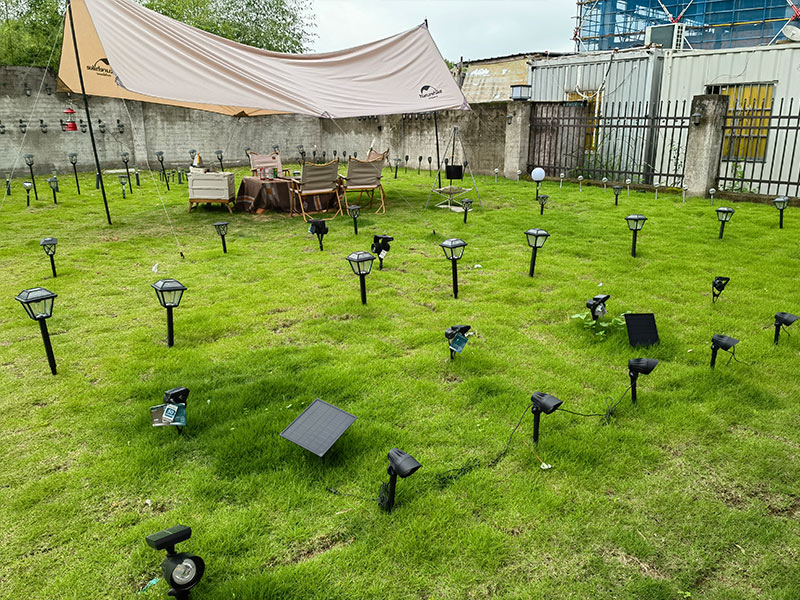
Our core products carry comprehensive international compliance certificates, including CE, RoHS, and UKCA. We utilize dedicated lab equipment to run aging tests, salt-fog corrosion chambers, waterproof test cells, and darkroom spectrophotometers (goniophotometers) to generate standard IES and LDT files for Dialux lighting simulations.
"We monitor incoming raw materials through an incoming quality control (IQC) protocol. This means solar cells, drive controllers, and housing components undergo thermal and capacity validation before reaching the main assembly line."
How 120W solar street light systems are modified to perform in distinct geographical environments
Region: Middle East & Northern Africa (MENA)
In desert environments, heat buildup is a major cause of lithium battery degradation. We address this by positioning the battery box separately beneath the solar bracket to shield it from direct sunlight, or by using cooling insulation wrappers. We also configure our systems with IP68 dust-proof ratings and angled panels to minimize sand accumulation.
Region: Southeast Asia & Pacific Islands
Moisture and salt-mist corrode standard metal fixtures within a few seasons. For these projects, we manufacture housing frames from high-grade anodized aluminum alloy, reinforced with SUS316 stainless-steel mounting screws. Additionally, optical lenses are treated with anti-reflective, UV-stabilized coatings to maintain long-term light transmittance.
Region: Northern Europe & North America
Standard lithium chemistry loses capacity rapidly below freezing. To solve this, our low-temperature street lights feature thermal insulation wraps and integrated heating pads powered by the MPPT controller. This setup warms the battery cell during peak daylight hours, enabling effective charging down to -30°C.
As public works departments adopt smart infrastructure, street lighting is shifting from standalone fixtures to integrated smart nodes. Leading global developers now prioritize systems with built-in IoT controllers that support NB-IoT, LoRaWAN, or Zigbee protocols. This integration enables central control stations to monitor battery status, optimize dimming profiles, and flag maintenance issues in real-time.
Another priority is structural safety. Engineering specifications now regularly demand detailed wind tunnel certifications (withstanding up to 160 km/h gusts), high-grade impact ratings (IK08 to IK10), and optical output setups configured to minimize light pollution (conforming to DarkSky recommendations).
Our facility keeps pace with these industry standards. By updating our designs to incorporate high-yield monocrystalline panels, optimized bifacial solar cell options, and long-lasting LiFePO4 cells, we help our partners secure competitive bids in international public tenders.
Modern equipment, streamlined workflows, and certified assembly practices that deliver consistent bulk output
Expert insights addressing key performance parameters, testing protocols, and customization options
Engineered For Global Industrial Projects, Extreme Ingress Protection, and High-Performance Architectural Aesthetics
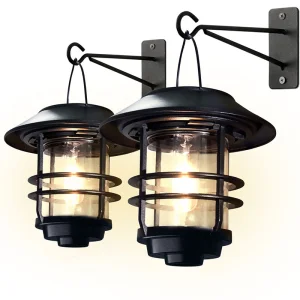
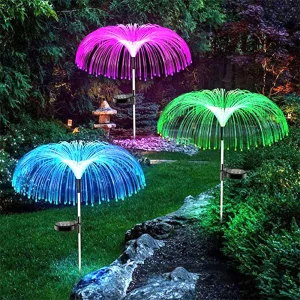
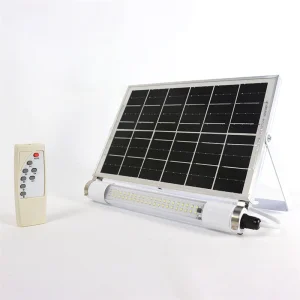
A closer look at our latest developments, built to satisfy international utility standards
 Jianheng