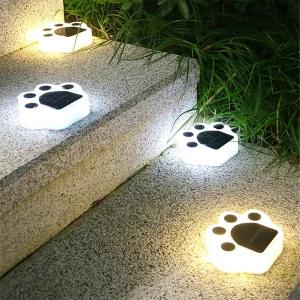
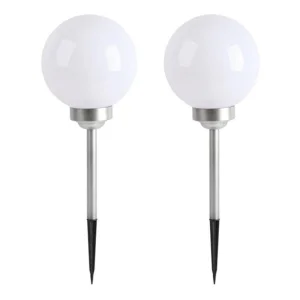
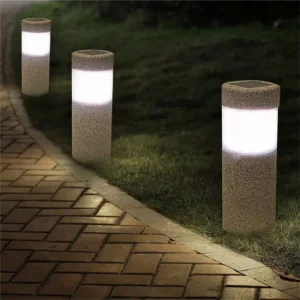
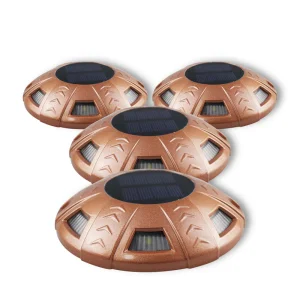
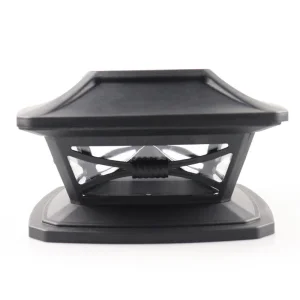
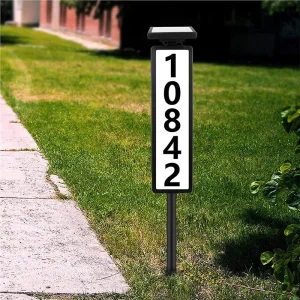
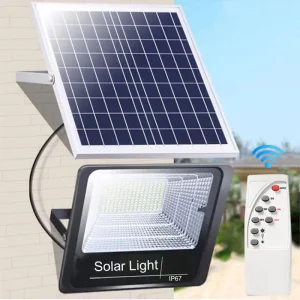
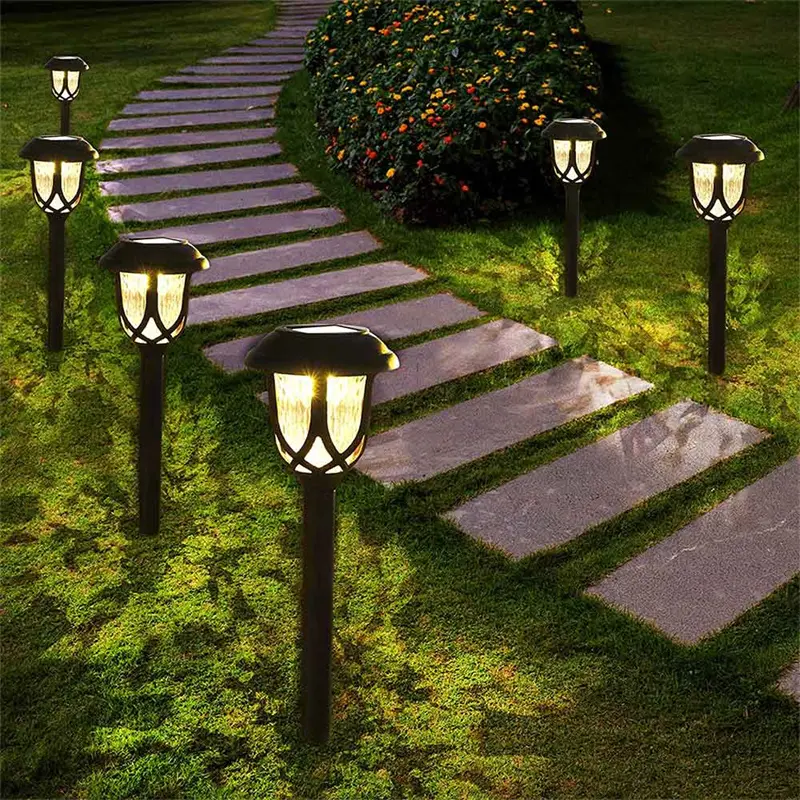
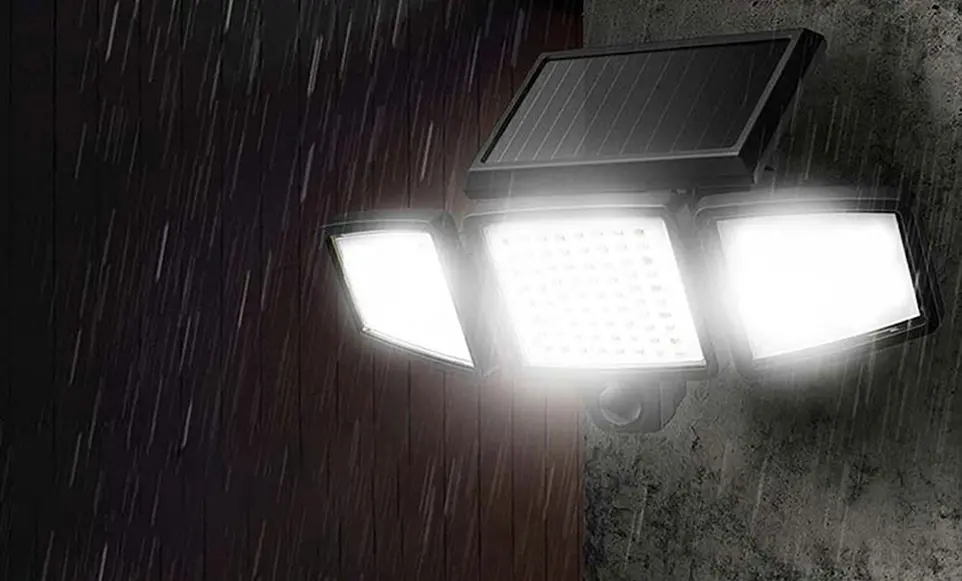
Explore our highly integrated, weather-resistant solar luminaires engineered for path, garden, and street lighting applications.
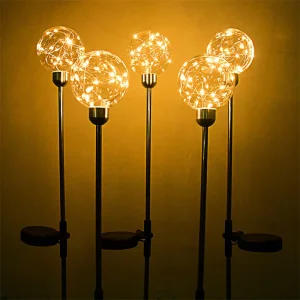
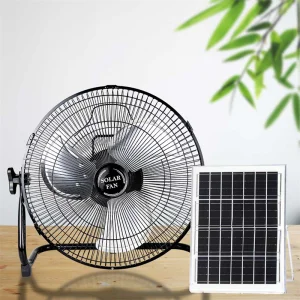
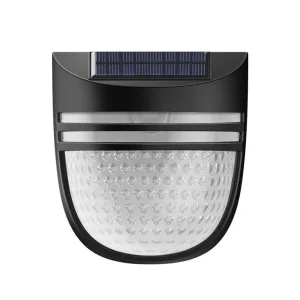
As cities transition toward carbon-neutral goals, grid-independent solar street lighting systems have emerged as a critical element of modern urban planning. In particular, Solar Induction Street Lamps—which leverage Passive Infrared (PIR) or microwave radar sensors to adjust brightness dynamically based on movement—have witnessed explosive growth. By dropping to energy-saving standby mode during vacant periods and ramping up to full illumination only when traffic is detected, these smart fixtures extend operating times, reduce battery wear, and lower project failure rates.
In industrialized zones, high-efficiency solar cells paired with advanced Lithium Iron Phosphate (LiFePO4) storage batteries are replacing older lead-acid counterparts. Commercial hubs in North America, Europe, and the Middle East are standardizing these configurations to cut down municipal electrical overheads while enhancing nighttime public safety without costly trenching or wiring.
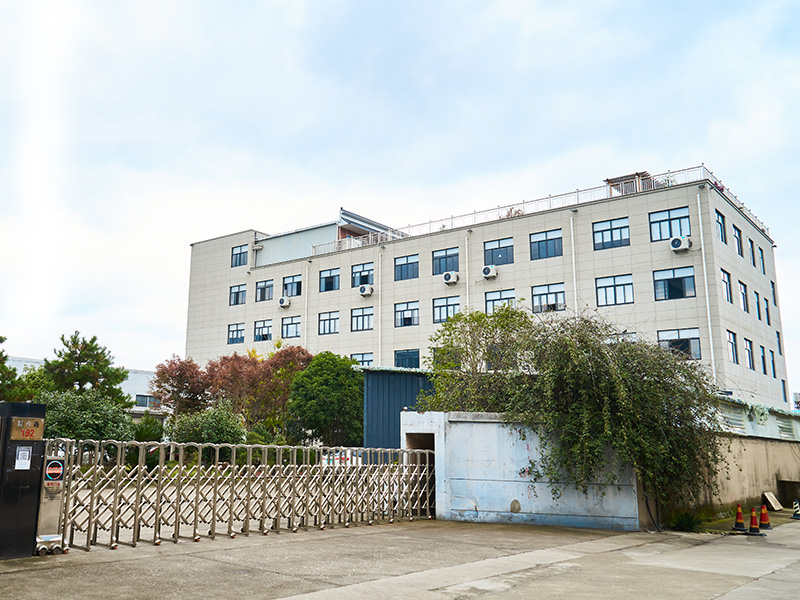
Discover how Ningbo Jianheng Import And Export Co., Ltd. and its production partner, Ningbo Yuancheng Plastic Co., Ltd., coordinate to deliver rapid production turnaround and unmatched structural quality.
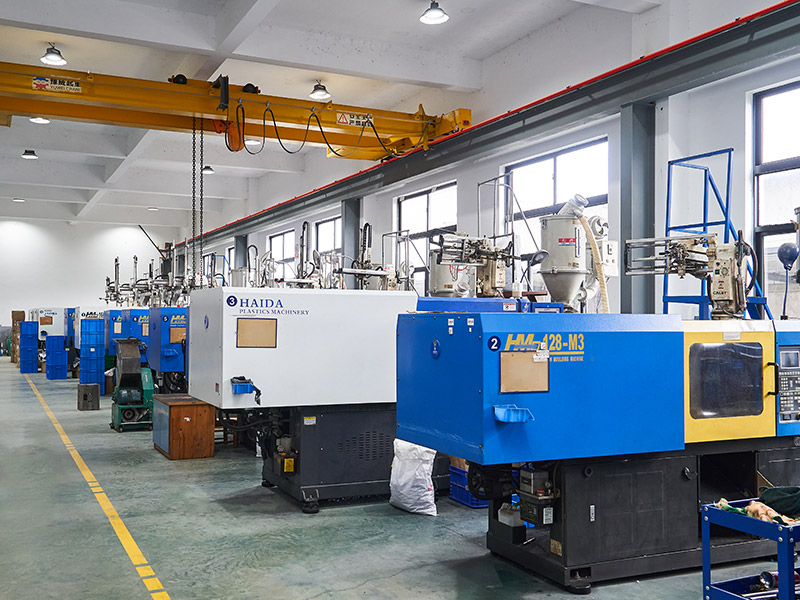
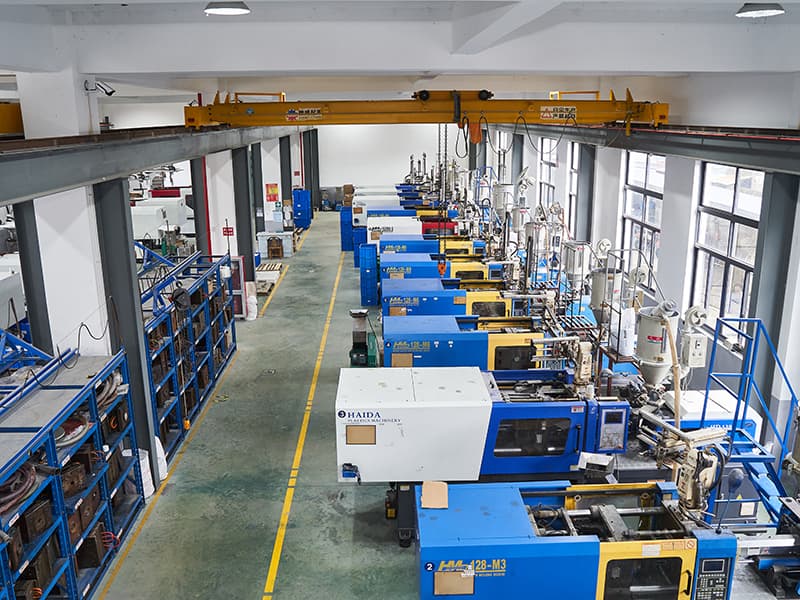
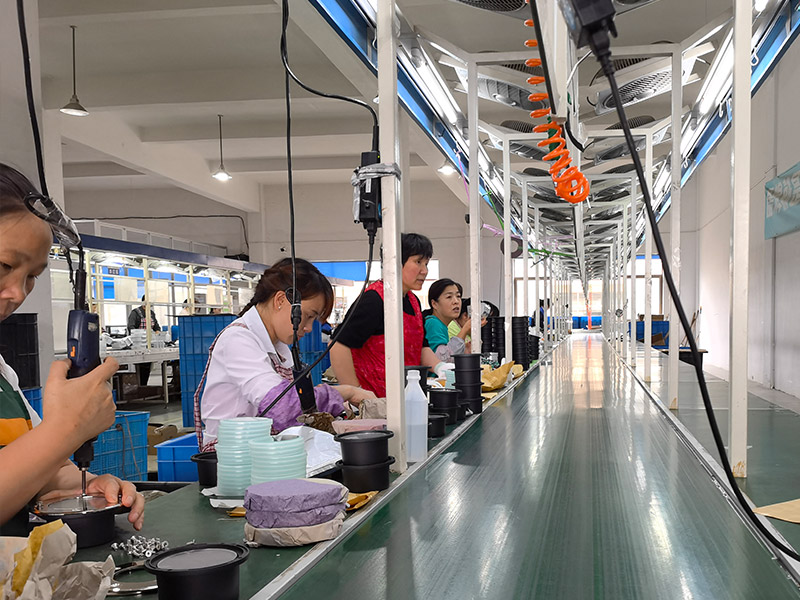
Ningbo, China represents the epicenter of solar manufacturing technology, integrating robust logistical pipelines and a mature component supply chain. Our factory, spanning 10,750 square meters, features state-of-the-art plastic injection molding machines, automated optical testing labs, and robotic assembly lines designed to handle large-scale OEM and ODM production runs.
Operating with a lean workforce of 105 highly trained workers and 15 administrative specialists, we operate with maximum operational throughput. Having specialized in outdoor plastic molding and solar design for over two decades, our factory addresses the main point of failure in entry-level street lights: housing decay and seal failure. Our housings use UV-resistant, impact-resistant engineering polymers engineered to withstand extreme sunlight, heavy rainfall, and sandstorms.
We manage product lifecycles end-to-end—from initial CAD prototyping to internal driver engineering—enabling a 7-day prototyping guarantee. This responsiveness allows enterprise buyers to test customized solar configurations in localized markets before committing to high-volume procurement orders.
A high-performance solar street lamp relies on the synchronization of four key systems. Here is how we build them to maximize conversion and luminous output.
We source ultra-high efficiency monocrystalline silicon panels featuring up to a 22.5% photoelectric conversion rate. This guarantees charging performance even under overcast skies, maximizing the power harvested per square inch of the fixture body.
By using automotive-grade Lithium Iron Phosphate (LiFePO4) battery packs, our street lights deliver over 2,000 charge cycles at 80% depth of discharge. Integrated Maximum Power Point Tracking (MPPT) controllers prevent thermal runaway, overcharging, and deep discharge.
Unlike standard PIR sensors that fail in high ambient temperatures, our microwave induction systems detect movement patterns within a 12-meter radius at a 360-degree coverage angle, ensuring the lamp activates ahead of oncoming pedestrian or vehicle traffic.
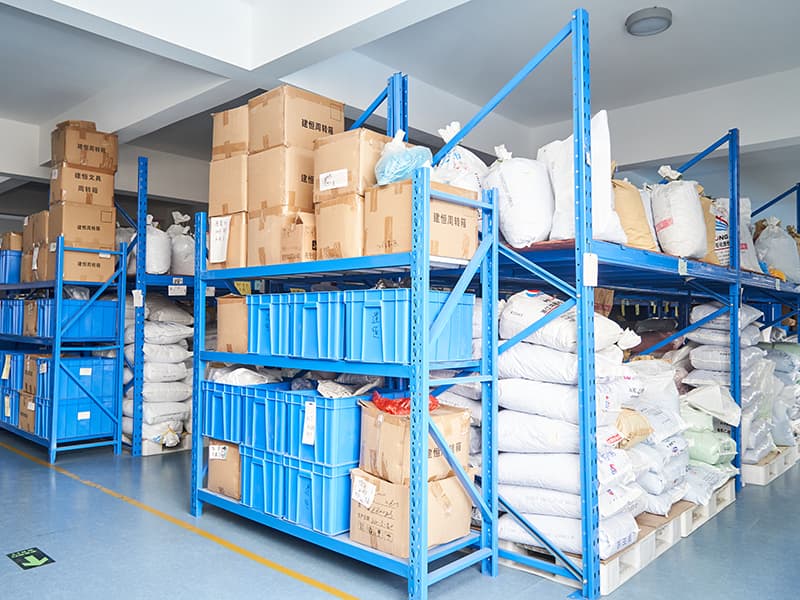
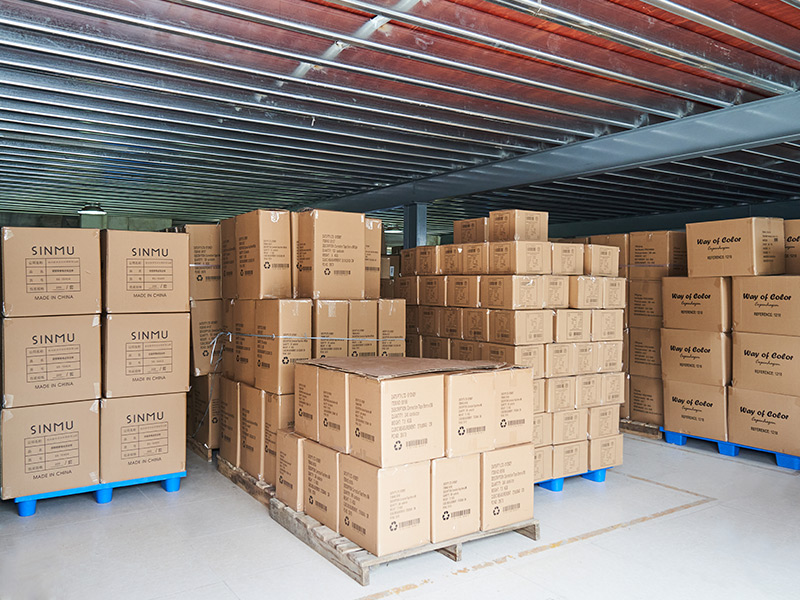
A look inside our BSCI audited and ISO9001 certified manufacturing plant in Ningbo.
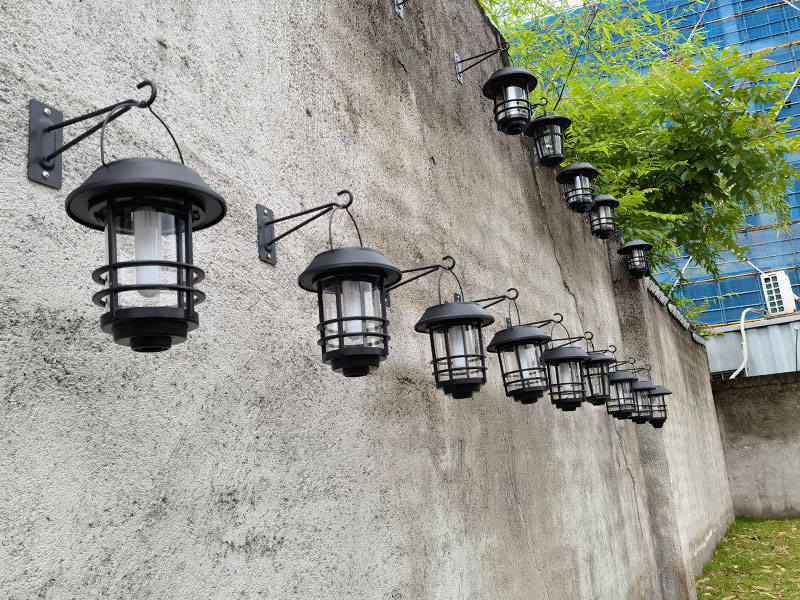
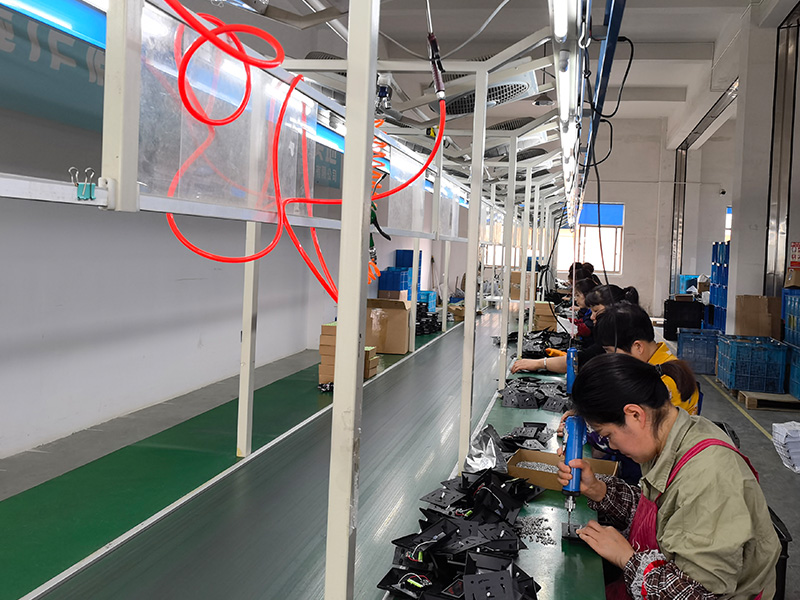
Our solar induction fixtures are configured differently to match the climatic constraints and environmental standards of different regions.
Coastal applications require defense against airborne salt deposits and ambient humidity. We configure these units with 316-grade stainless steel mounts, polycarbonate anti-UV lenses, and conformal coating on all internal PCB electronics to prevent salt-fog oxidation and maintain housing seal integrity.
In high-heat regions like the Middle East and Northern Australia, typical lithium batteries suffer from reduced service lives. We integrate high-thermal-stability LiFePO4 cells wrapped in aerogel insulation, alongside sloped solar panel angles that prevent dust accumulation from reducing charging efficiency.
For installations in Scandinavia or Northern Canada, we install oversized monocrystalline panels combined with custom low-temperature battery management systems (BMS) that prevent charging when temperatures drop below freezing, keeping the cells protected and extending overall product lifecycle.
Large commercial facilities require reliable, glare-free illumination during peak evening hours, followed by adaptive lighting late at night. Our microwave radar induction street lights run at a steady 30% background illumination level, instantly ramping up to 100% full capacity upon detecting approaching forklift or truck activity.
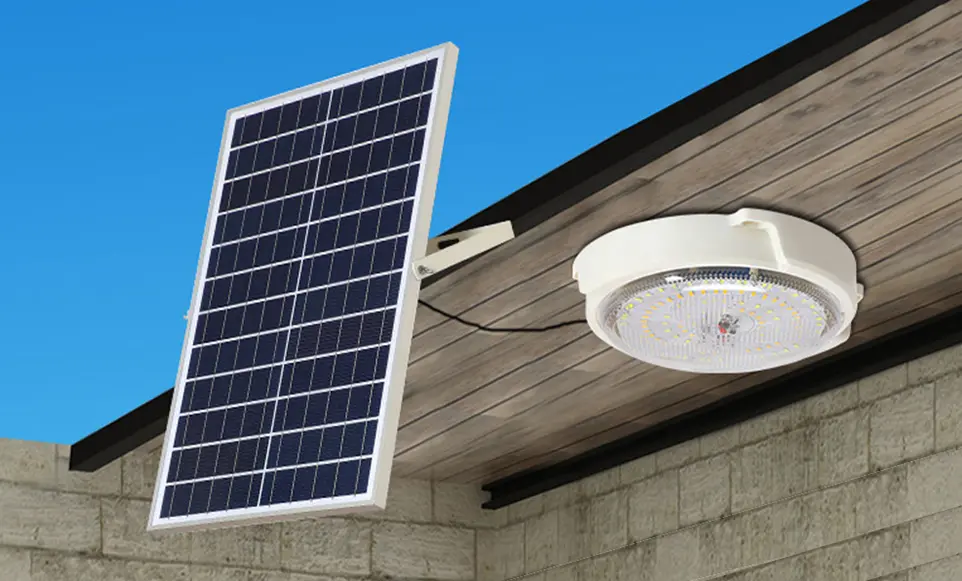
For rural development projects, laying traditional electric cabling can exceed the lighting hardware budget. Our integrated All-In-One solar lights offer an immediate, drop-in solution that mounts to existing utility poles in under 15 minutes, bypassing local grid dependencies entirely.
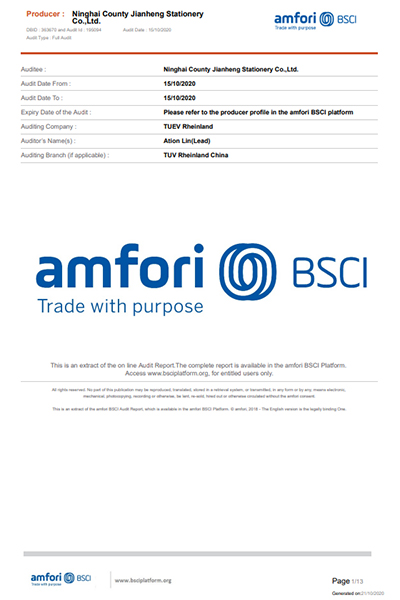
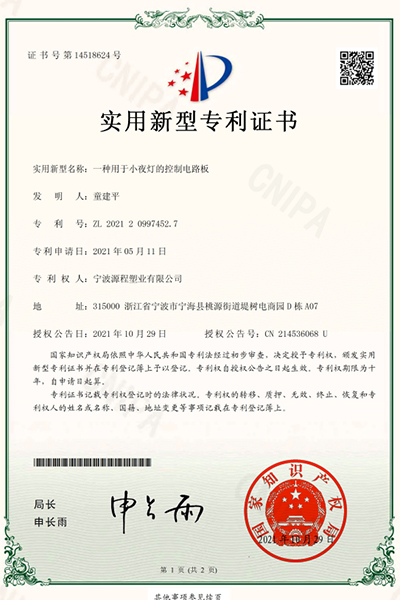
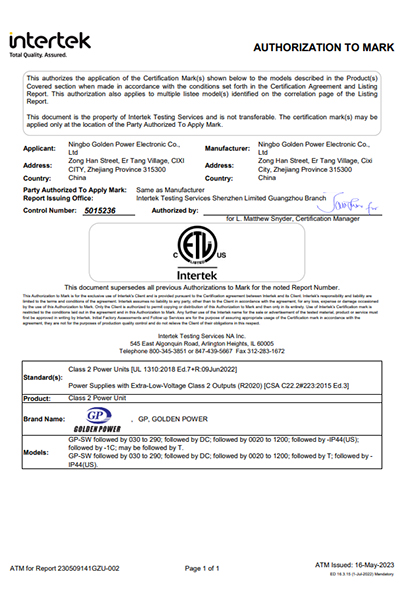
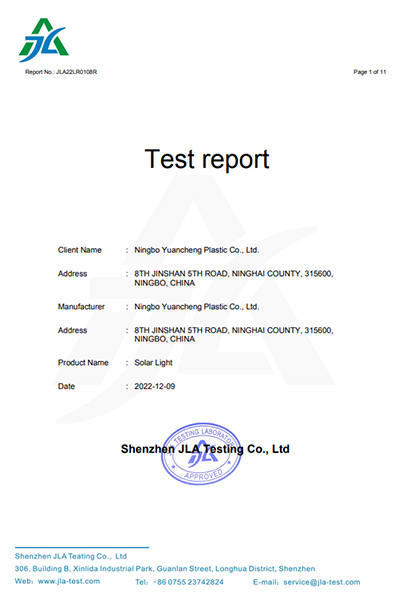
We believe a product is only as good as the tests it survives. Our factories are run under certified ISO9001 and BSCI compliance standards.
Ningbo Yuancheng Plastic Co., Ltd. and Ningbo Jianheng enforce rigorous quality screening protocols at every phase of the manufacturing process. From raw material intake to final container load, each component is analyzed to meet international standards. Our manufacturing facilities are fully certified to BSCI and ISO9001 standards.
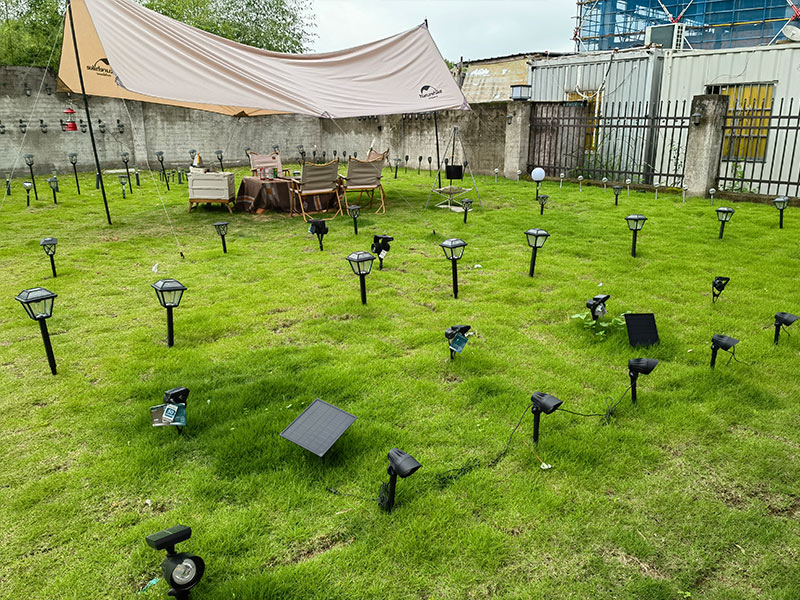
Our street lights, garden fixtures, and decorative lanterns undergo testing inside specialized testing facilities, which include:
Fixtures are subjected to high-pressure water jets and submersion tests to confirm absolute defense against moisture ingress.
Optical parameters including luminous flux (lumens), color rendering index (CRI), and chromaticity are analyzed for batch consistency.
Lamps are cycled between extreme cold (-30°C) and dry heat (+65°C) to ensure structural elements do not warp or split.
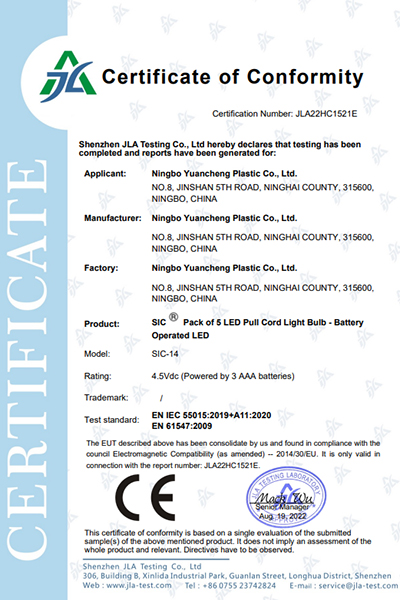
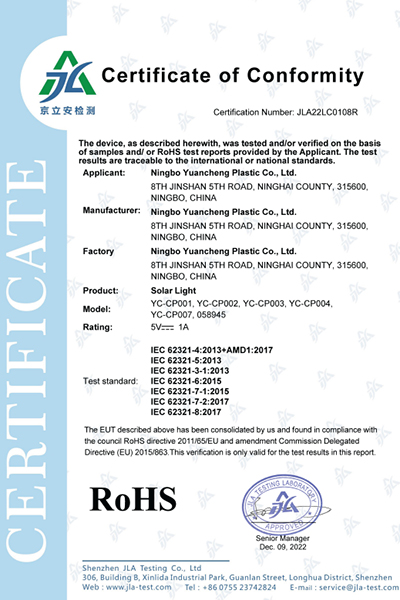
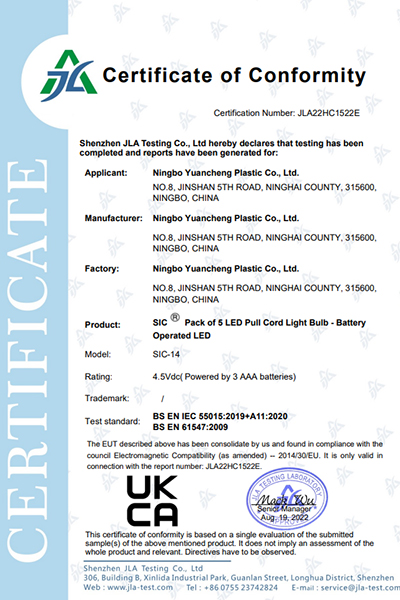
By verifying that our products carry CE, ROHS, and UKCA certifications, we streamline customs processing and regional compliance procedures for our import partners.
Strategic foresight for wholesalers, municipal contractors, and engineering distributers looking to upgrade their product portfolios.
The industry is rapidly shifting toward connected mesh networks. Modern street lamps integrate ZigBee or LoRa nodes, enabling city operators to monitor status, battery health, and customize dimming schedules remotely from a unified dashboard.
By collecting reflected light from ground surfaces, bifacial PV panels increase energy yield by up to 15% during winter months, maintaining continuous operations even when the primary face is partially obscured.
Leading municipal buyers are increasingly requesting sustainability documentation. Our factory is adapting by testing bio-based plastics and highly recyclable aluminum framing alloys to minimize carbon footprints throughout the product lifecycle.
Direct, technical answers regarding project implementation, OEM configuration capabilities, and warranty standards.
Passive Infrared (PIR) sensors detect shifts in thermal patterns, meaning they can struggle when ambient summer temperatures approach human body temperature. Microwave radar sensors emit high-frequency waves, detecting movement of any physical object with high accuracy up to 12 meters, unaffected by temperature variations.
Once your CAD drawings, color specifications, and optical requirements are submitted, our engineering team constructs a 3D-printed housing model and tests driver setups within 48 hours. A physical working sample is assembled and shipped via express courier on or before the 7th day.
Thanks to their high dust-resistance ratings and dynamic sensor systems, modern street lamps require minimal maintenance. We suggest cleaning the solar collector panels once or twice a year in heavy sand or dust environments to ensure maximum conversion efficiency.
Yes, we engineer our battery compartments for field servicing. The integrated Lithium Iron Phosphate (LiFePO4) packs last 5 to 7 years depending on regional climate conditions and daily cycle depth. The solar panels themselves are rated for a 25-year operational lifecycle.
Yes, our primary business model centers on custom OEM and ODM packaging. We offer private laser branding on the metal casings, custom color cartons, and secure shipping crates to ensure safe transportation and warehouse handling.
A detailed visualization of our specialized molding chambers, robotic components assembly, and packing stations.
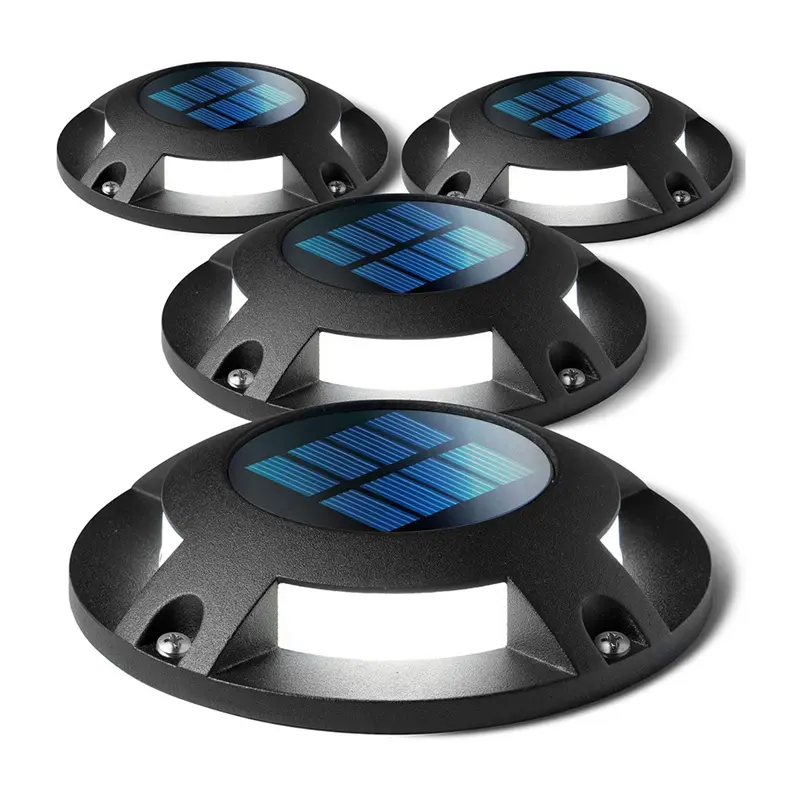

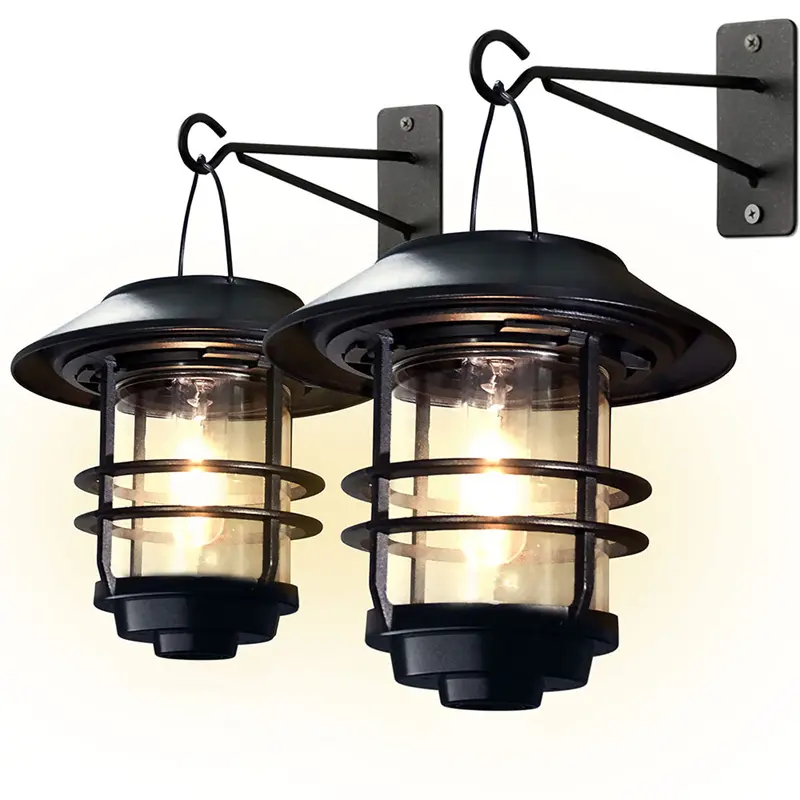
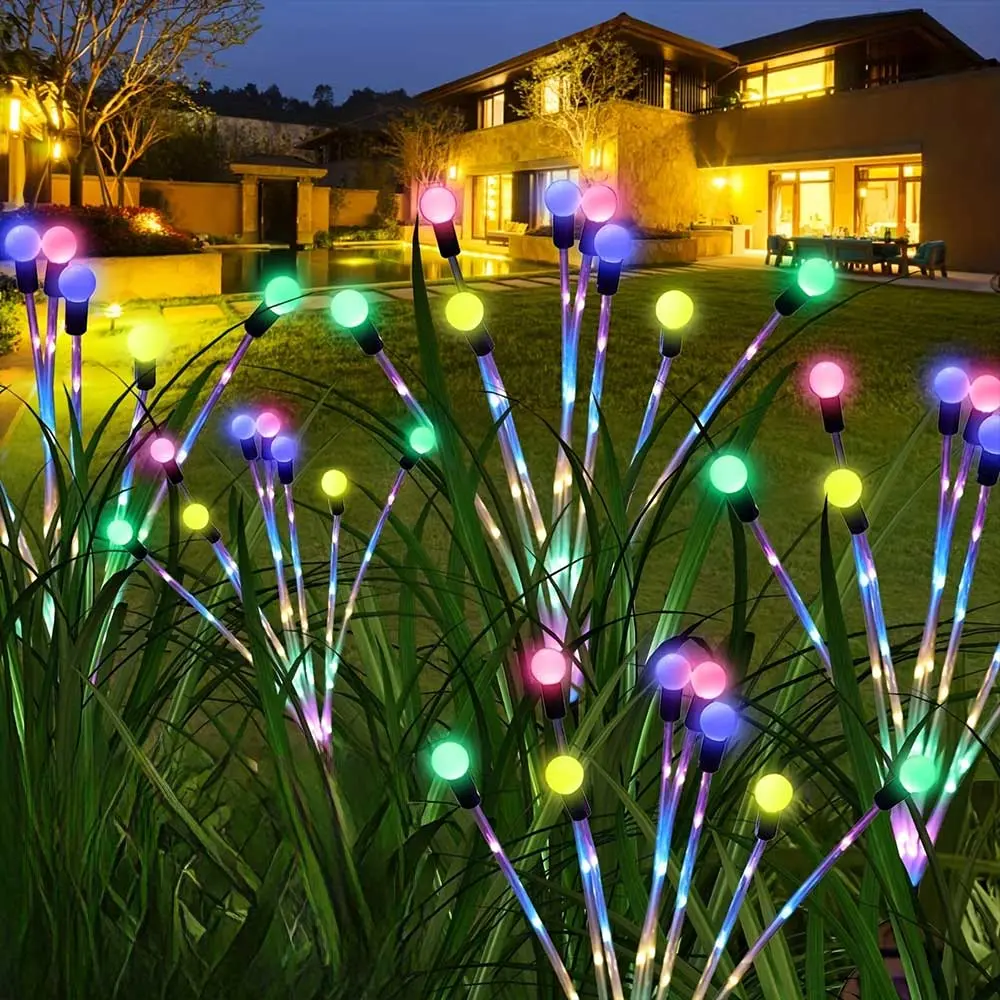
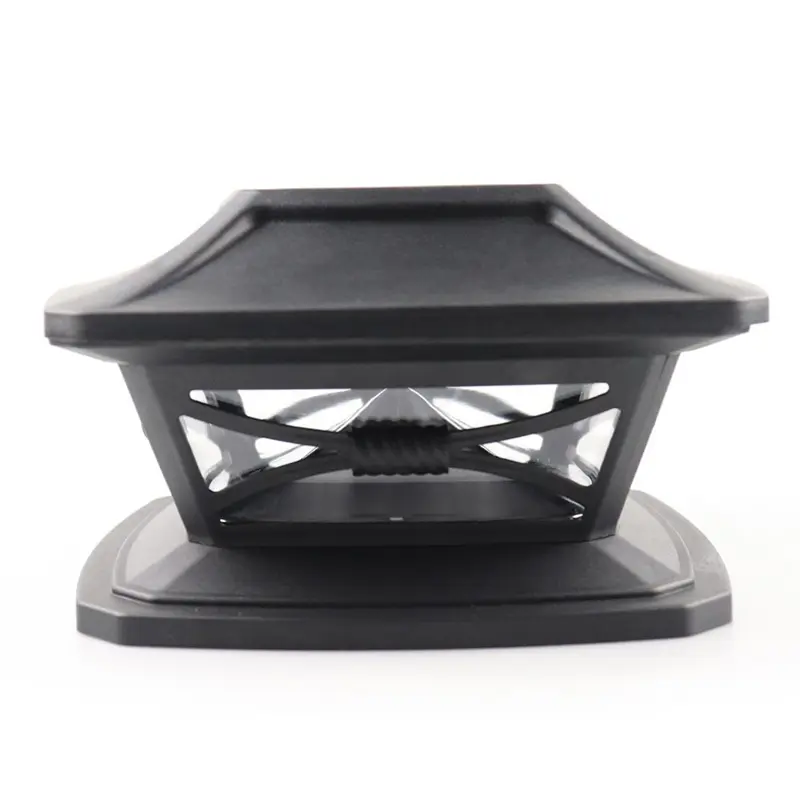
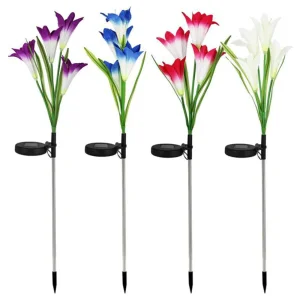
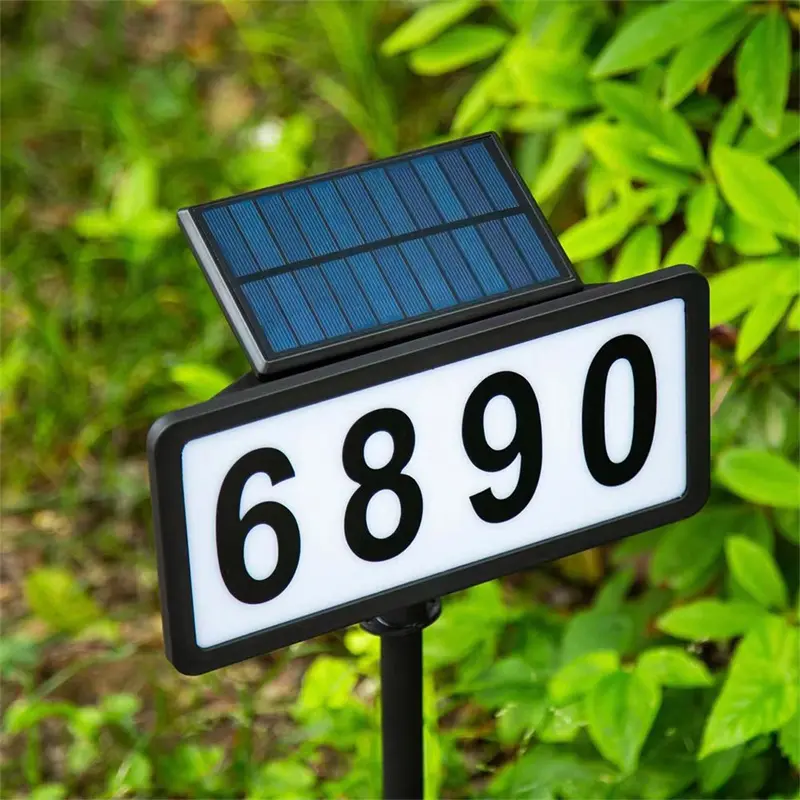
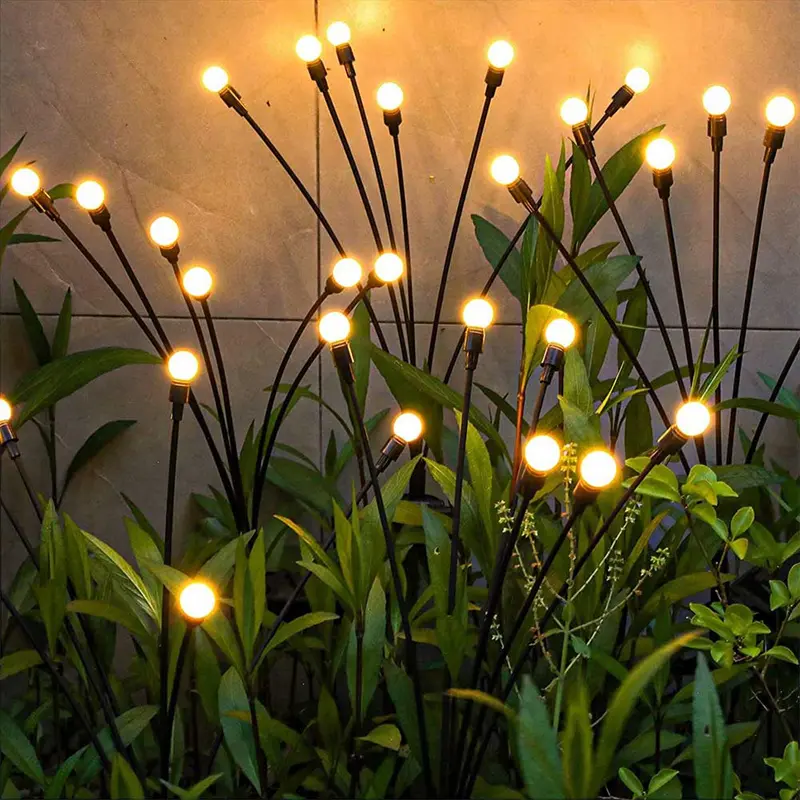
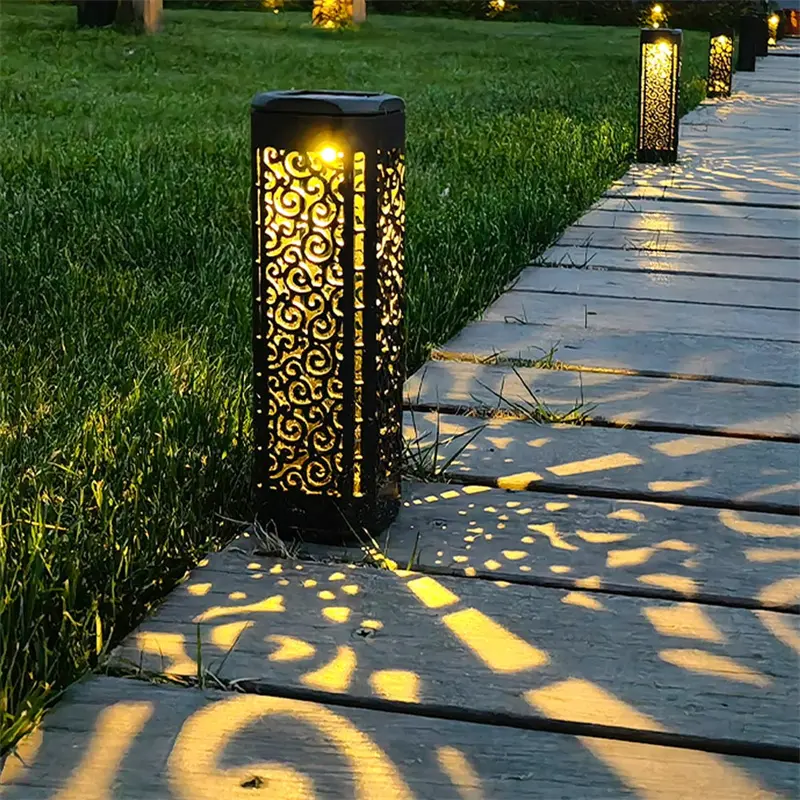
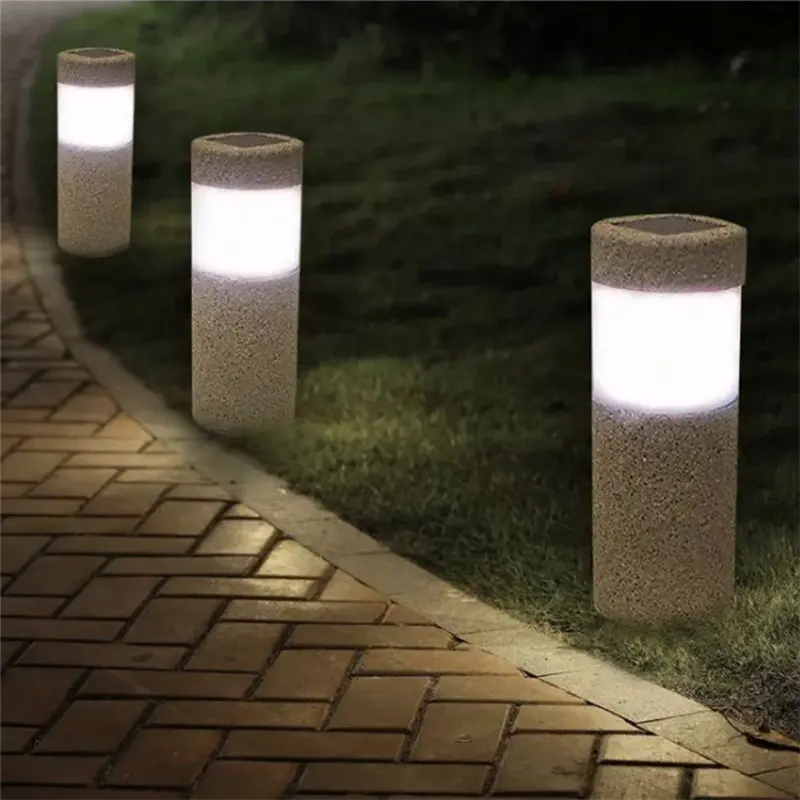
Explore more of our certified solar models designed for residential, commercial, and landscape lighting systems.
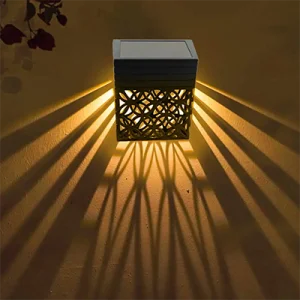
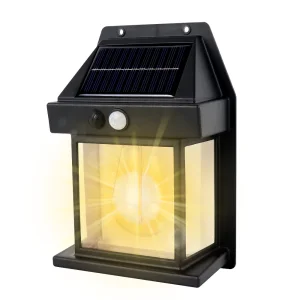
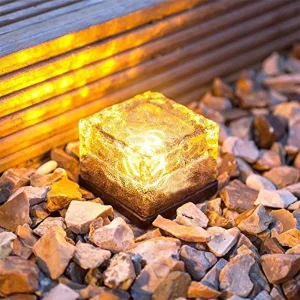
Additional designs, raw materials, and layout collections engineered by our engineering teams.
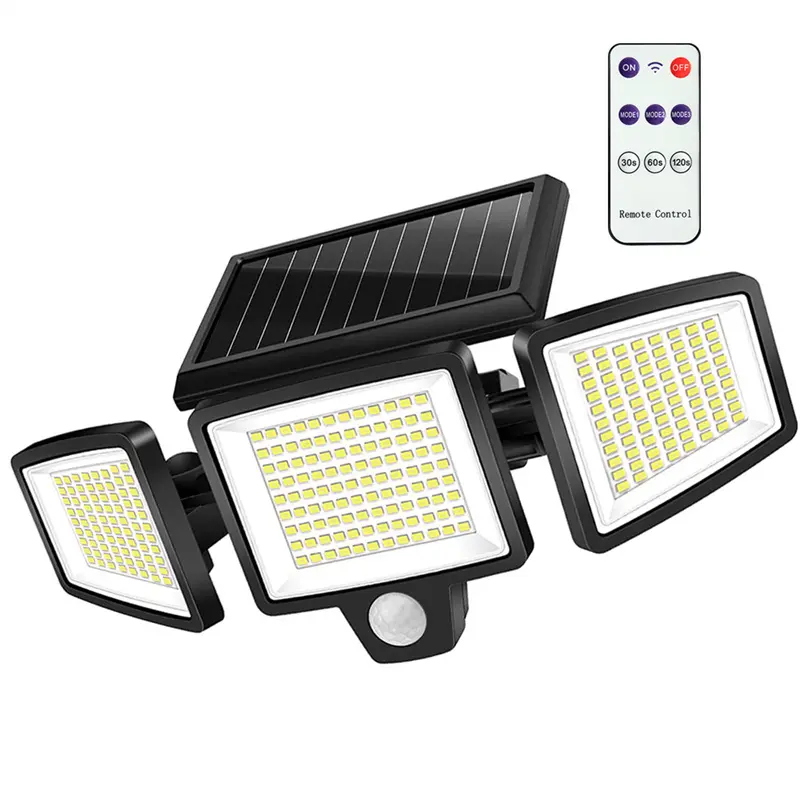
 Jianheng