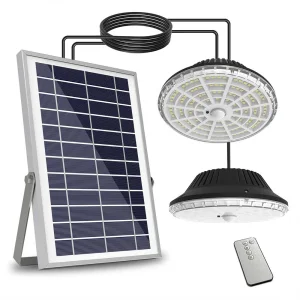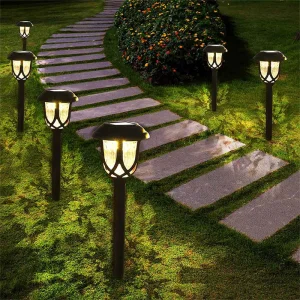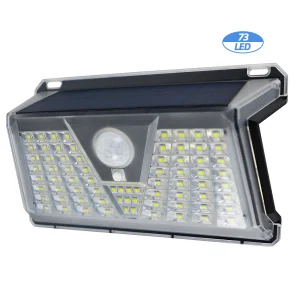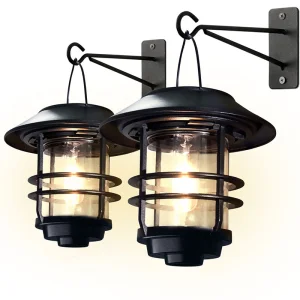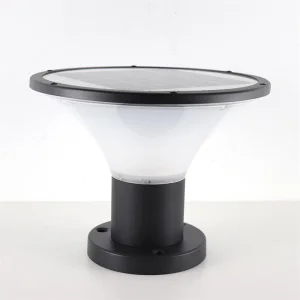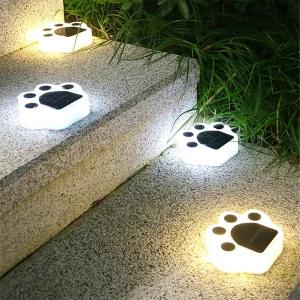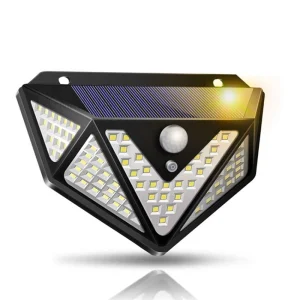
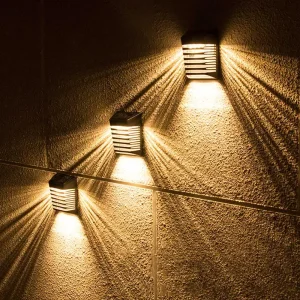
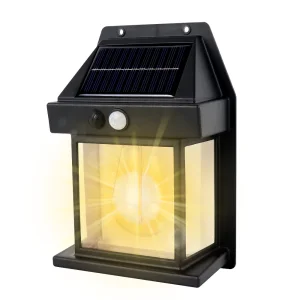
The global commercial exterior lighting market is undergoing a seismic shift towards integrated PV (photovoltaic) solutions. As ESG (Environmental, Social, and Governance) mandates tighten across North America and Europe, real estate developers, municipal procurement departments, and major retailers are looking to phase out traditional grid-dependent wall luminaires. OEM outdoor wall solar lights are no longer merely decorative accessories; they have transformed into critical grid-independent security and safety assets.
Modern purchasing managers are looking beyond simple wattage configurations. The focus has pivoted to photovoltaic conversion efficiency, intelligent sensor integration (PIR and microwave), and battery lifecycle durability. System-level designs that combine multi-crystalline or monocrystalline silicon panels with high-capacity Lithium Iron Phosphate (LiFePO4) storage batteries are highly sought after to guarantee uninterrupted year-round operational performance.
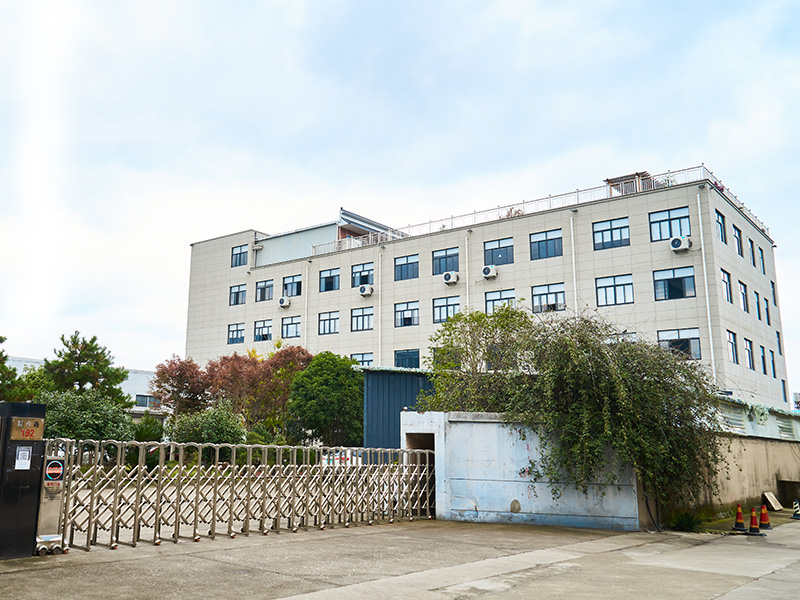
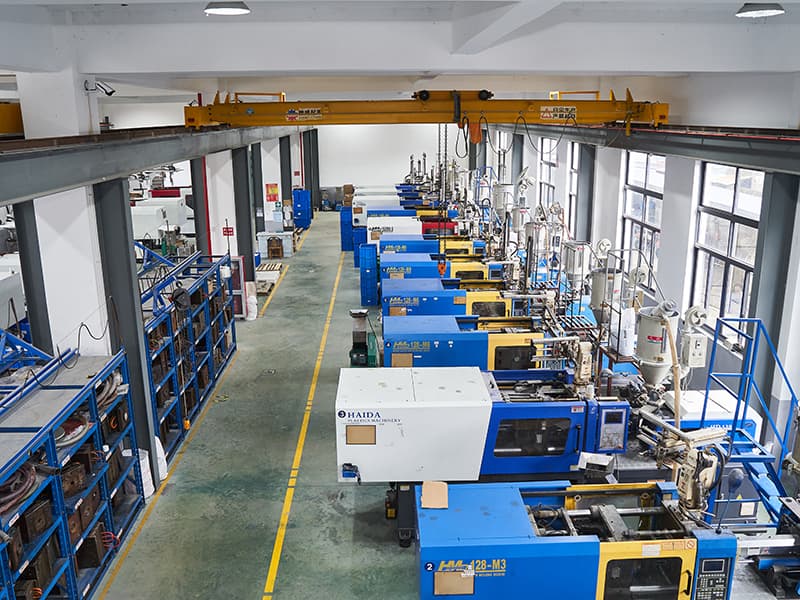
Ningbo Jianheng Import and Export Co., Ltd. (operating closely with Ningbo Yuancheng Plastic Co., Ltd.) leverages automated plastics molding, rigid quality testing, and dynamic engineering pipelines to deliver high-performance solar lighting worldwide.
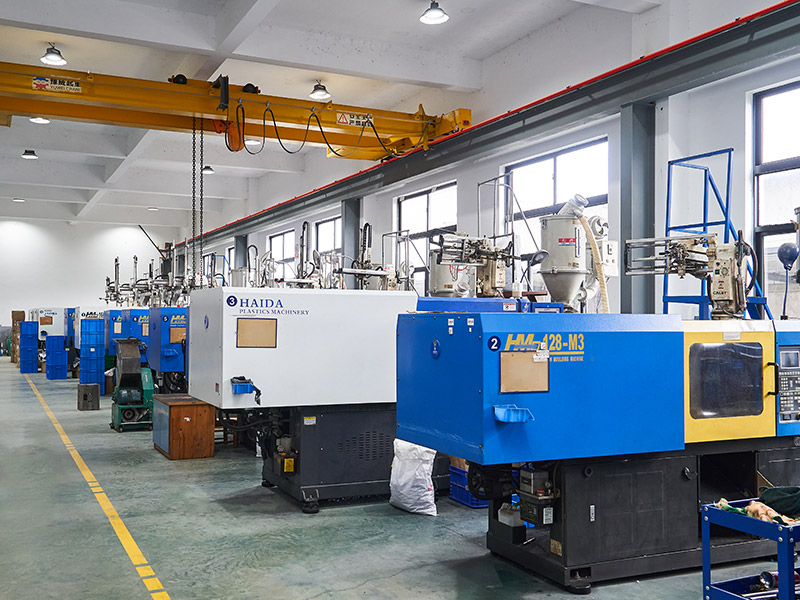
By combining plastic injection molding pipelines with an experienced electronics assembly base, we mitigate raw material volatility and assure tight component tolerance. This enables us to maintain cost competitiveness while sustaining zero-tolerance quality control parameters.
Time-to-market is crucial. We offer specialized 7-day fast-proofing services. Our engineers translate CAD drawings and functional specifications into testable prototypes, expediting regional certification cycles.
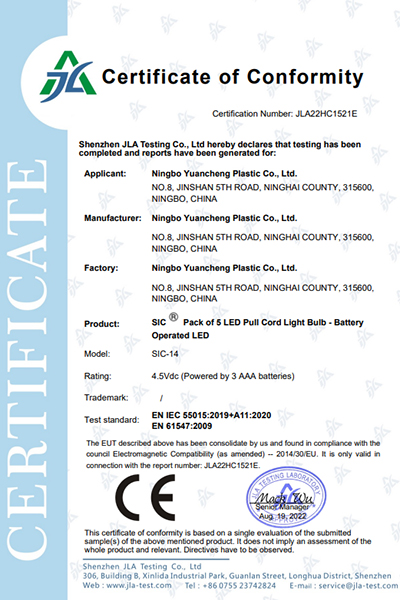
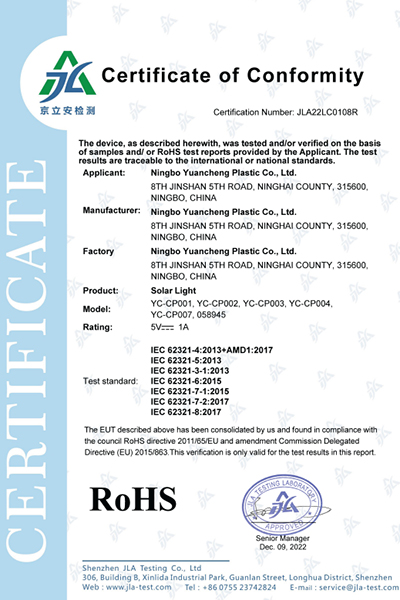
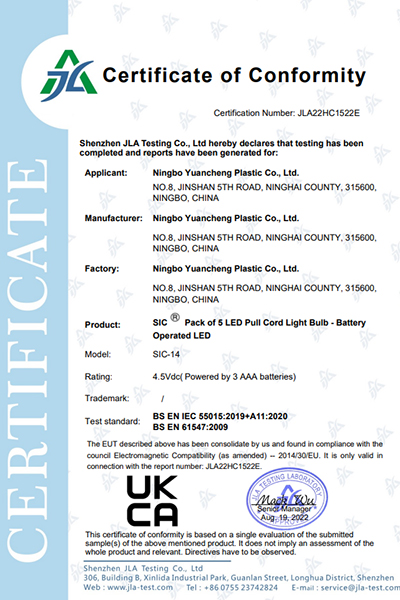
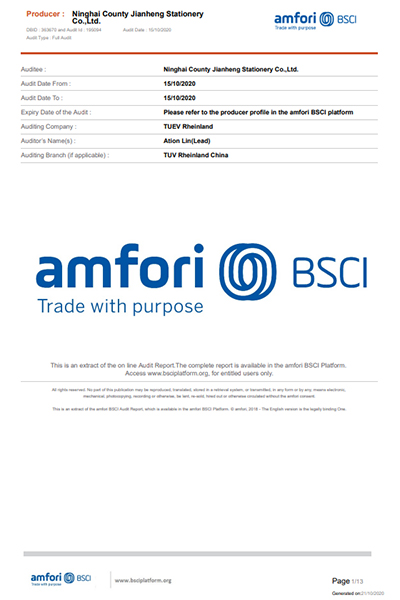
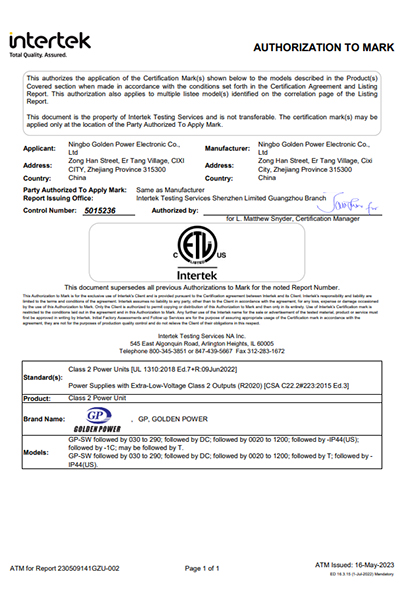
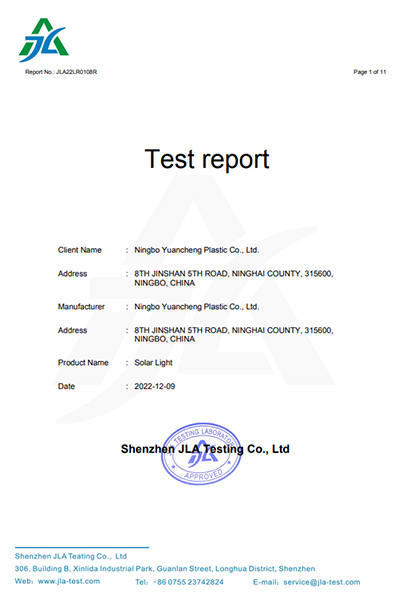
Our manufacturing workflow has earned both BSCI and ISO9001 certifications. Our products boast CE, RoHS, and UKCA certifications, fulfilling import requirements across the European Union, United Kingdom, and Americas.
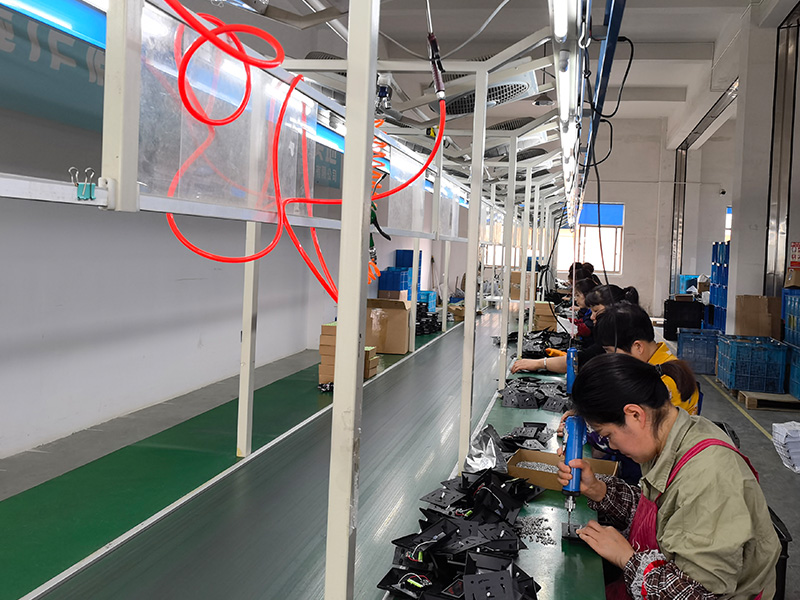
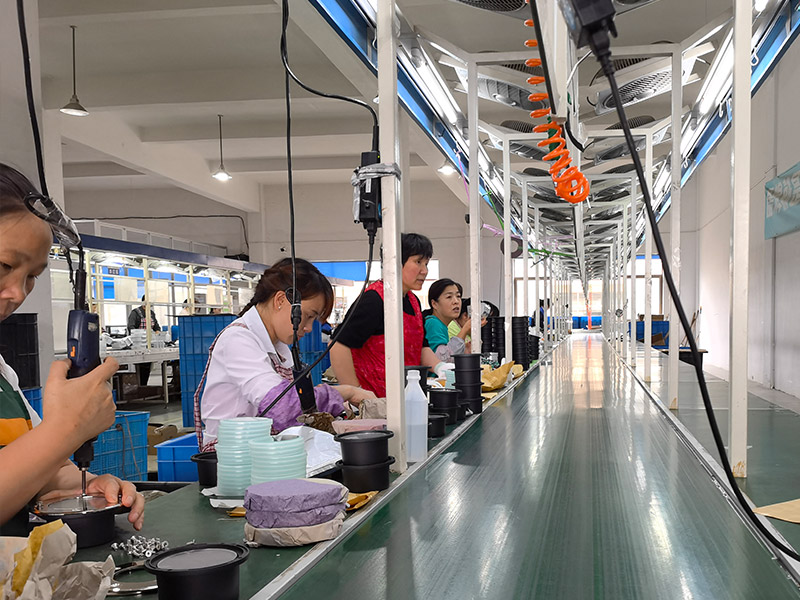
Ningbo Jianheng specializes in turning complex requirements into scalable production. Our facility spans 10,750 square meters and houses 105 skilled production professionals alongside a dedicated office management team.
We configure monocrystalline and polycrystalline panels depending on localized solar irradiance. Monocrystalline modules deliver up to 22% conversion efficiency, crucial for locations with shorter sunlight windows.
Our custom circuit designs feature proprietary dusk-to-dawn sensors, passive infrared (PIR) motion detectors, and multi-mode power profiles (including dimming cycles and remote-controlled overrides) to balance efficiency and output.
We source premium Lithium Iron Phosphate (LiFePO4) and Lithium-ion cells built with integrated battery management systems (BMS). This prevents overcharging and extends operational lifetimes up to 3,000 charge-discharge cycles.
Our dedication to reliability is backed by systematic testing protocols. Every solar fixture undergoes multiple verification stages prior to shipping.
Wall-mounted outdoor lights are continuously exposed to rain, snow, and dust. We perform pressurized water jet tests and dust chamber checks to guarantee structural seals keep electrical elements dry and operational.
Using integrating spheres and spectrophotometers, our testing lab measures real-world lumens, color rendering index (CRI), and color temperatures. This ensures our fixtures provide consistent light output.
Solar installations must endure temperature swings. Our chambers simulate thermal extremes from -20°C to 60°C to verify that battery cells, driver circuits, and housings won't degrade under harsh conditions.
Modern urban architecture prioritizes low-impact development (LID). Outdoor solar wall lights are being integrated directly into building facades, walkways, and perimeter fencing. This avoids high trenching and cabling costs, making solar lighting ideal for retrofitting historic properties or adding security to parking lots.
In cooler northern climates with frequent overcast skies, older solar fixtures often struggle. We utilize advanced monocrystalline silicon solar panels. These panels feature low-light response curves that generate electricity even in ambient conditions, ensuring reliability year-round.
Coastal projects require robust protection against salt spray. Our custom solar lights feature ABS housings, stainless steel components, and UV-stabilized clear glass. This construction prevents oxidation, keeping your lights looking and working great for years.
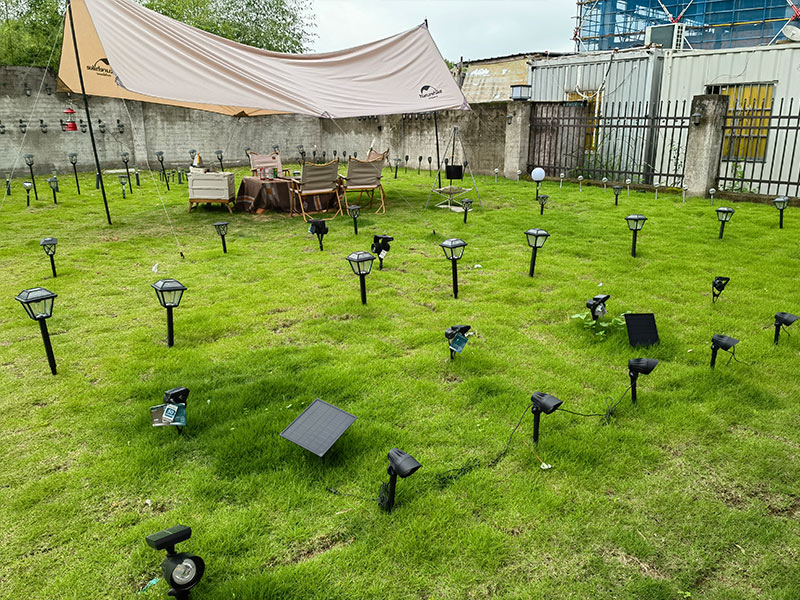
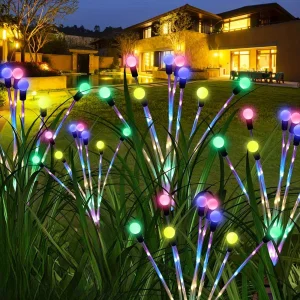
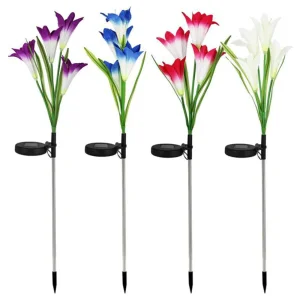
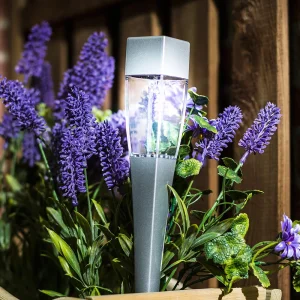
We supply a diverse range of solar options, including garden accents, streetlights, floodlights, insect-zapping systems, and ground-recessed markers. Our goal is to provide energy-efficient, reliable illumination you can count on.
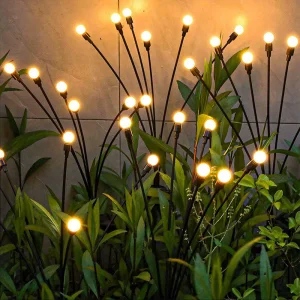
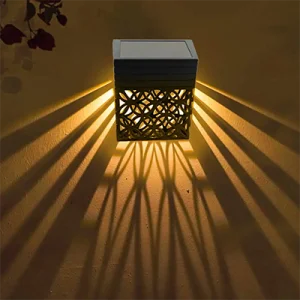
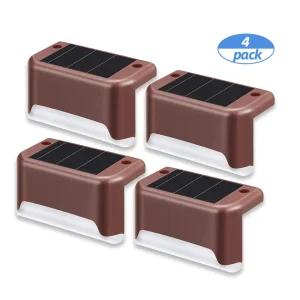
Key engineering, operational, and commercial insights for B2B buyers looking to import solar lighting systems.
 Jianheng