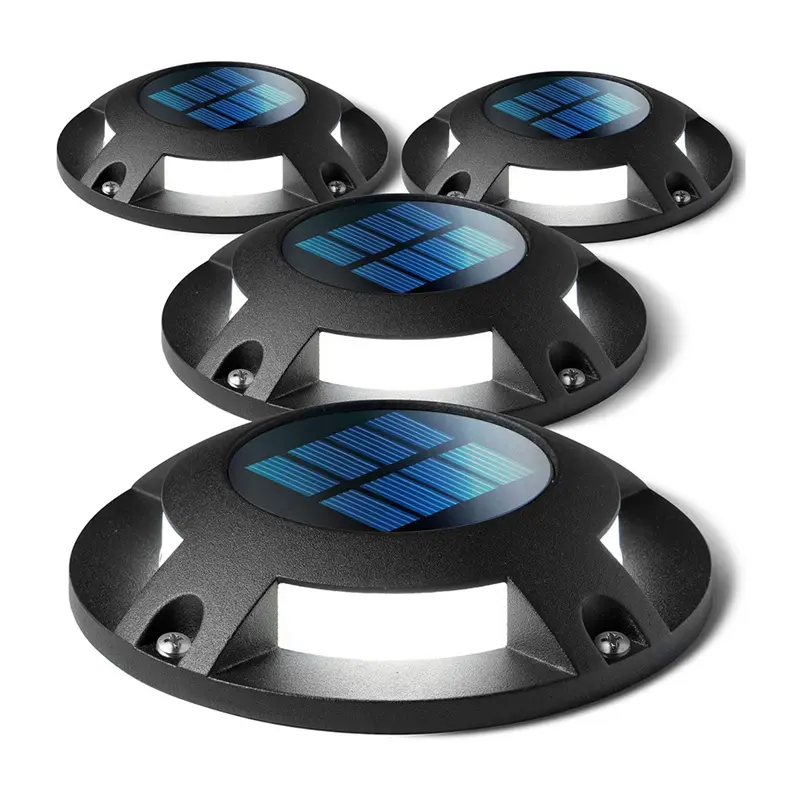
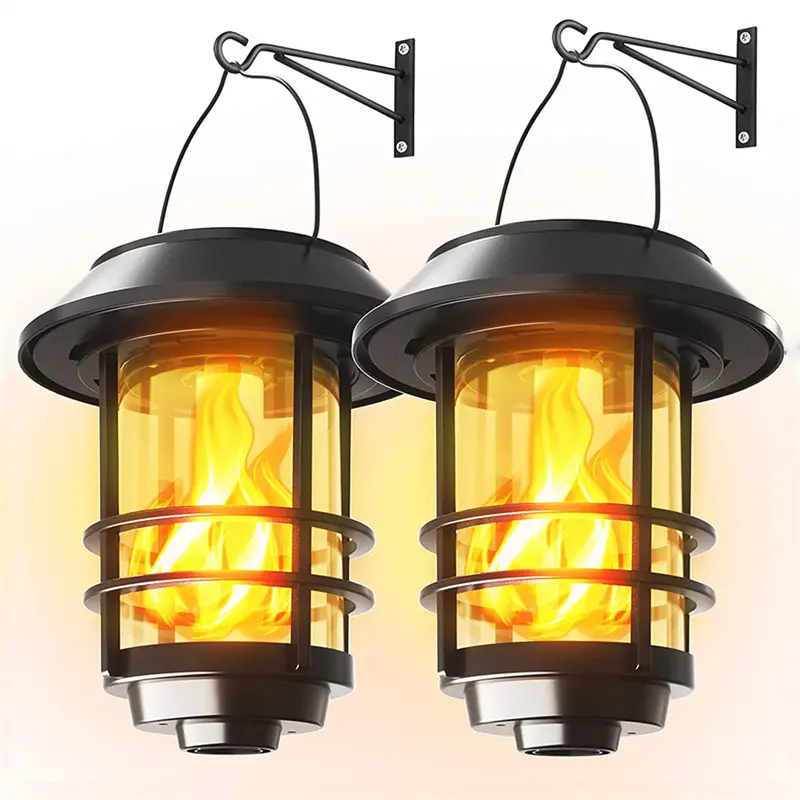
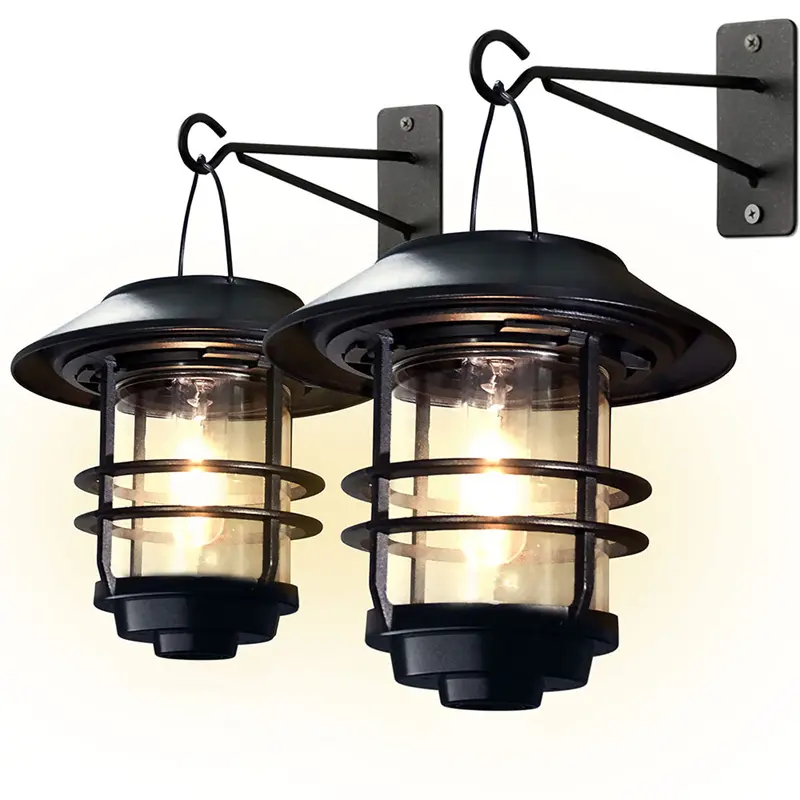
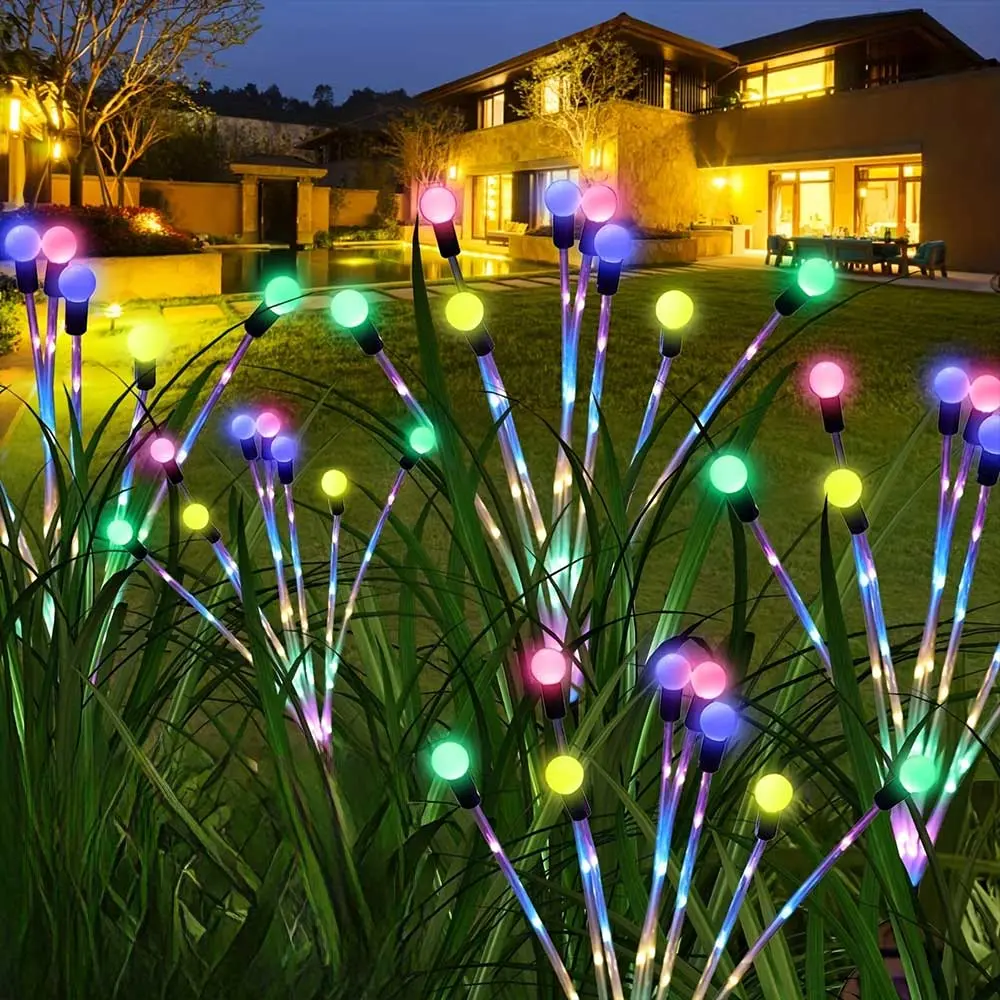
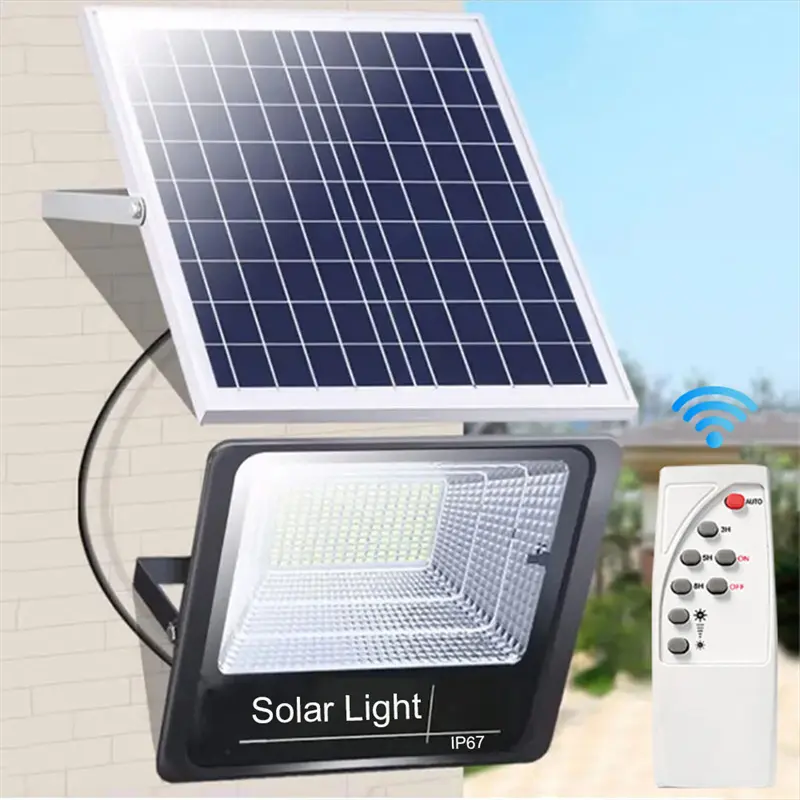
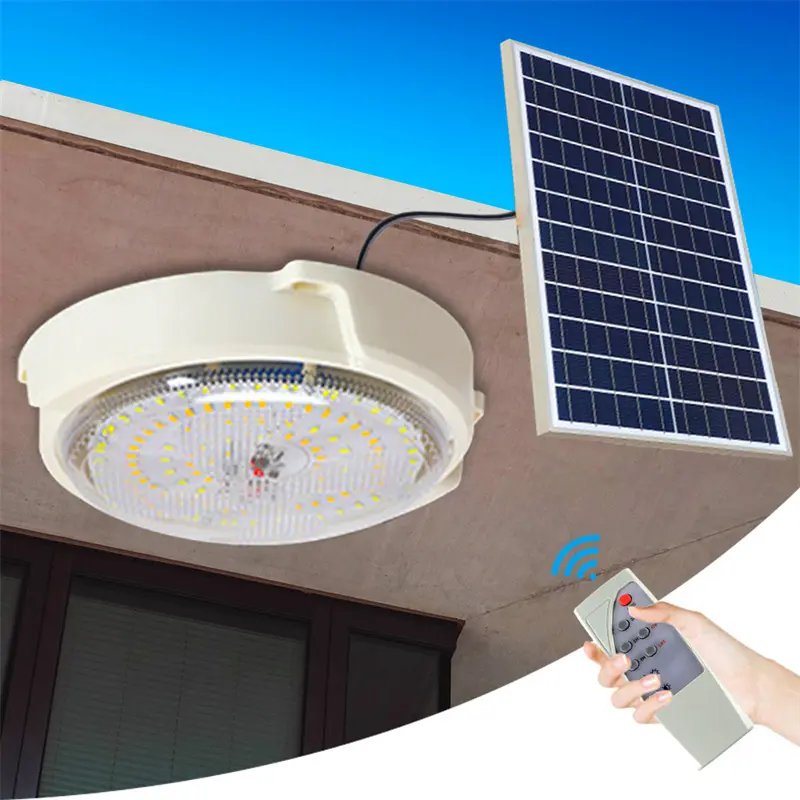
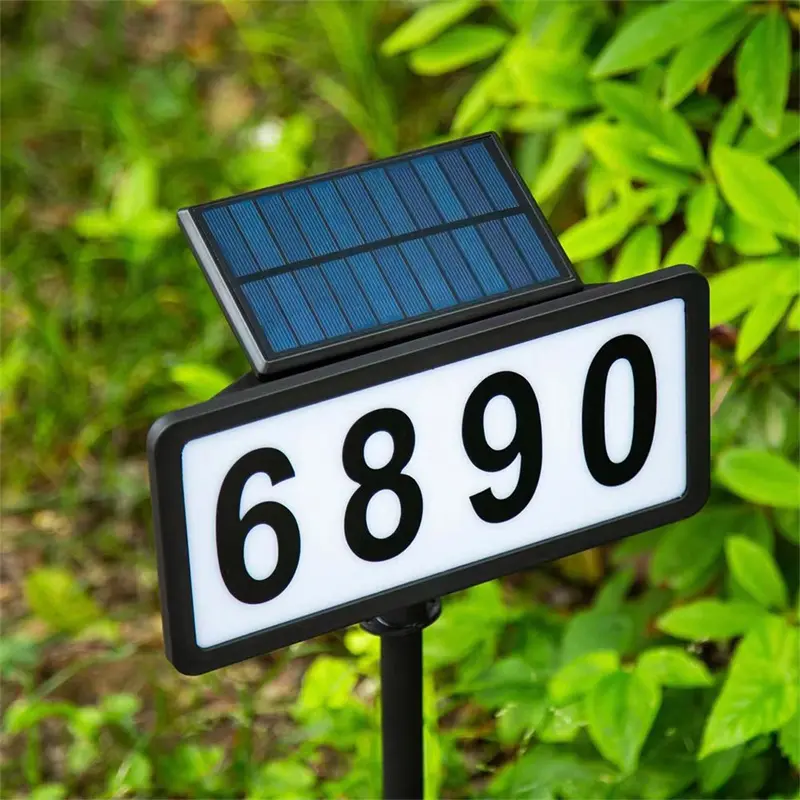
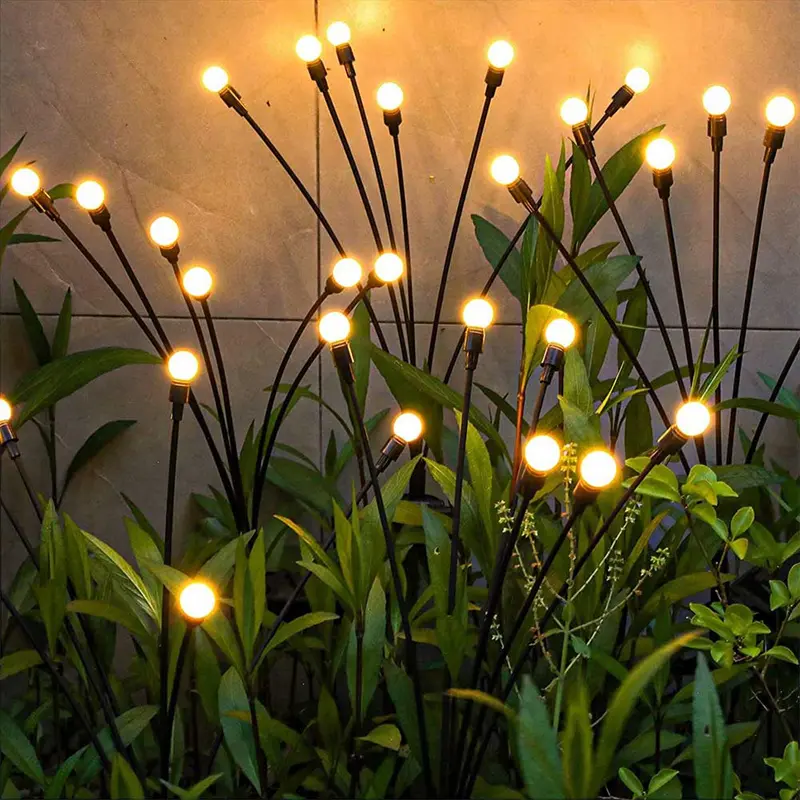
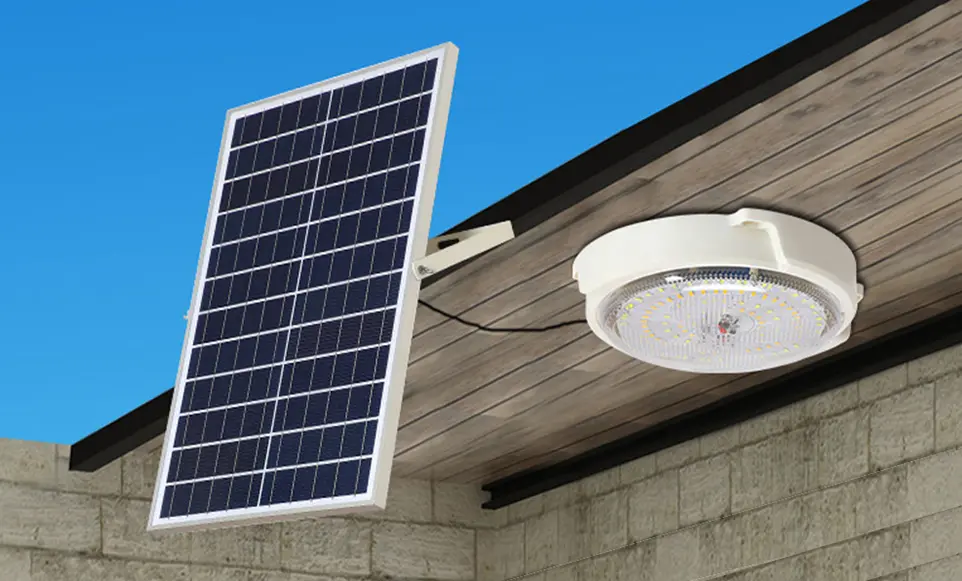
Explore our custom manufacturing solutions. These products showcase the high-quality industrial components we manufacture, supply, and export worldwide.
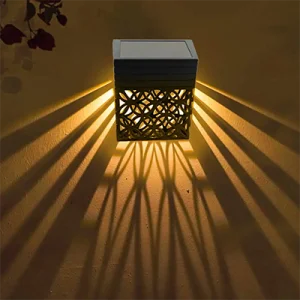
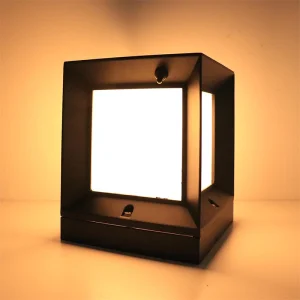
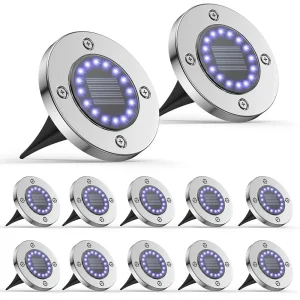
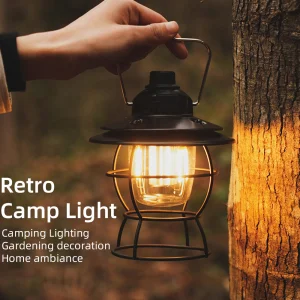
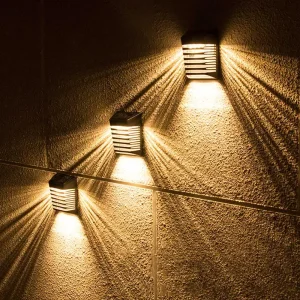
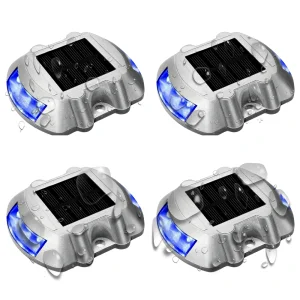
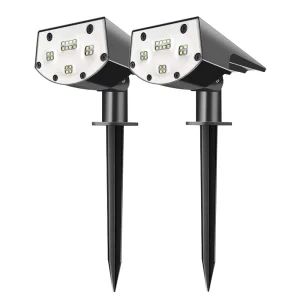
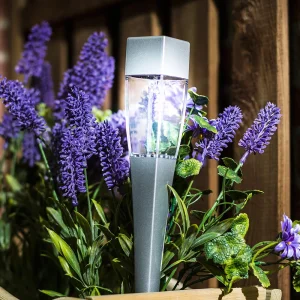
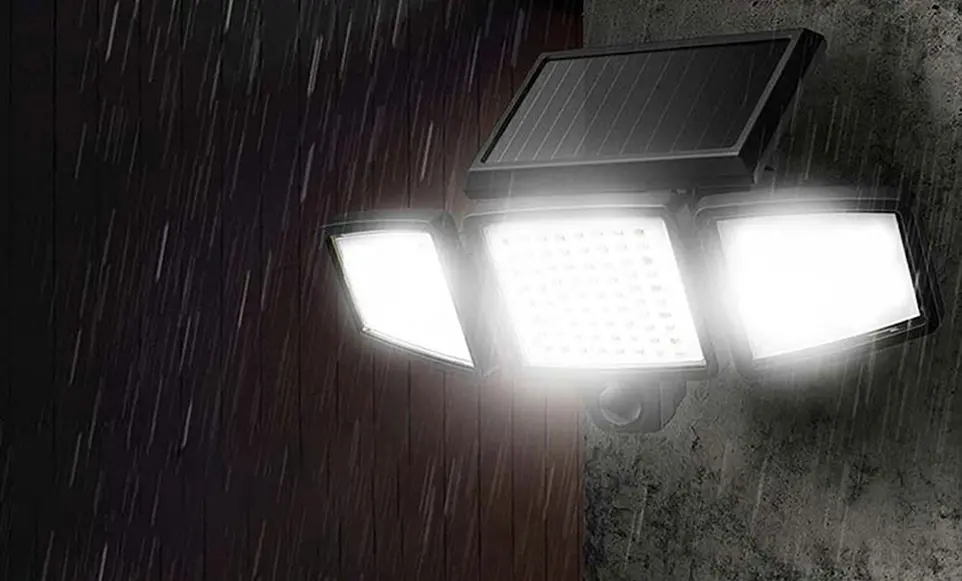
The outdoor illumination market has experienced a radical structural transition towards sustainable and off-grid configurations. In this movement, the 60W Solar Flood Light has emerged as the global standard for light distribution efficiency, serving as a vital bridge between small residential solutions and high-wattage highway streetlighting. This B2B guide dissects the technical roadmap, regulatory realities, and manufacturing practices that determine performance and commercial longevity.
Modern engineering of 60W solar lights focuses on converting every milliwatt of solar energy with minimal loss. The industry has moved away from early polycrystalline assemblies towards monocrystalline silicon modules with multi-busbar technology. These modules now deliver solar conversion efficiencies exceeding 22% to 23.5%. This improvement allows solar panels to collect sufficient energy even under dense overcast skies or high-latitude winters.
Battery chemistry has also progressed. Traditional lead-acid and standard lithium ion batteries have been replaced by high-density Lithium Iron Phosphate (LiFePO4) batteries. These cells are designed to handle deep discharges (DoD of up to 90%) and offer over 3,000 charge cycles at high temperatures without losing capacity. Additionally, intelligent power management relies on Maximum Power Point Tracking (MPPT) charge controllers rather than basic Pulse Width Modulation (PWM) configurations. This shift delivers 15% to 30% higher charging efficiency during poor weather conditions.
Real-time tracking of current and voltage levels to extract maximum solar panel output under changing weather conditions.
Monocrystalline silicon panels deliver reliable performance in low-light environments.
LiFePO4 battery chemistry resists thermal runaway and provides stable output in temperatures ranging from -20°C to +60°C.
B2B procurement agents evaluating OEM factories for solar illumination systems look closely at total cost of ownership (TCO) and structural reliability. In regions like North America and the European Union, buyers focus on regulatory certifications and materials compliance. Sourcing managers check certifications for safety, EMC (Electromagnetic Compatibility), and environmental standards, including CE, RoHS, and UKCA.
Additionally, structural customization is essential. Industrial applications require flexible bracket configurations, specific optical distributions (such as Type II, III, or IV asymmetric lens profiles), and customized housing options to handle high salt environments in coastal projects. Buyers also require manufacturing agility, including fast prototyping and proofing capabilities to align with municipal tender timelines.
As governments work to reduce carbon emissions, solar floodlights have moved beyond decorative uses to play a key role in public infrastructure. The 60W solar floodlight provides a versatile lighting output, delivering between 6,000 and 9,000 raw lumens when paired with high-performance SMD2835 or SMD5050 LED chips. This makes it an ideal solution for several key applications:
To help engineers and procurement departments select the right system configurations, the table below outlines the differences between standard consumer-grade models and heavy-duty commercial solar flood lights:
| Performance Spec | Standard Consumer-Grade Model | Heavy-Duty Industrial System |
|---|---|---|
| Luminous Efficacy | 100 - 120 lm/W | 160 - 200 lm/W |
| Battery Cell Grade & Life | Standard Lithium / 500 Cycles | A-Grade LiFePO4 / >3,000 Cycles |
| Enclosure Protection Class | IP65 Rating / Polycarbonate Shell | IP66 or IP67 Rating / Die-Cast Marine Aluminum |
| Controller Technology | Basic PWM Charging Circuitry | Advanced MPPT Controller with Intelligent Dimming |
| Wind Resistance Threshold | Up to Class 8 Winds | Up to Class 12 Winds (Typhoon Resistant Design) |
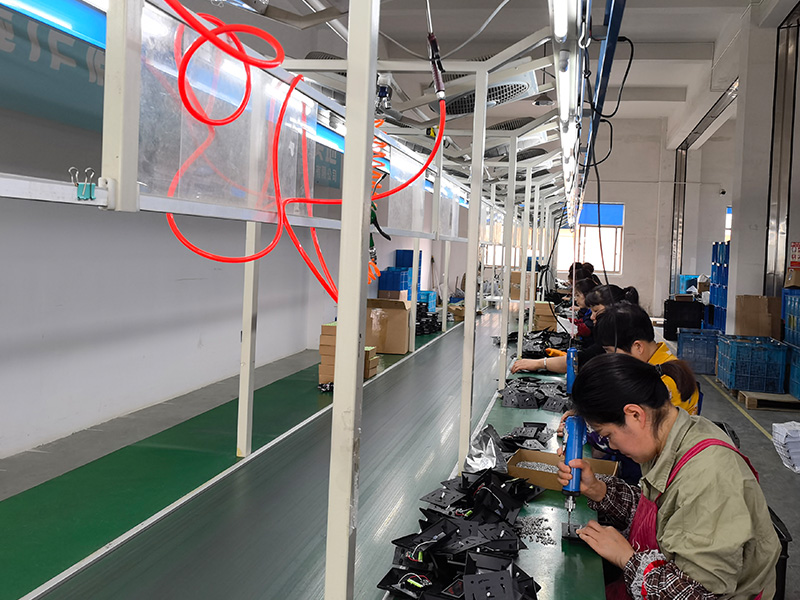
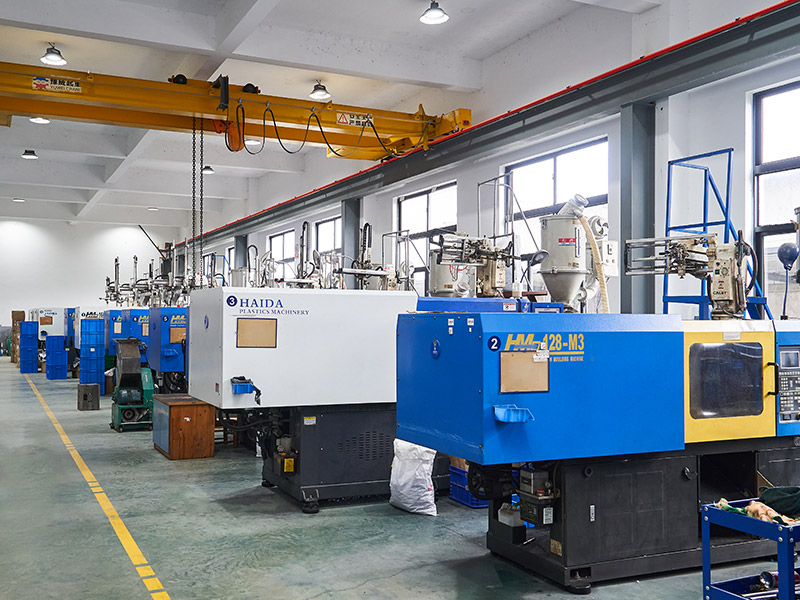
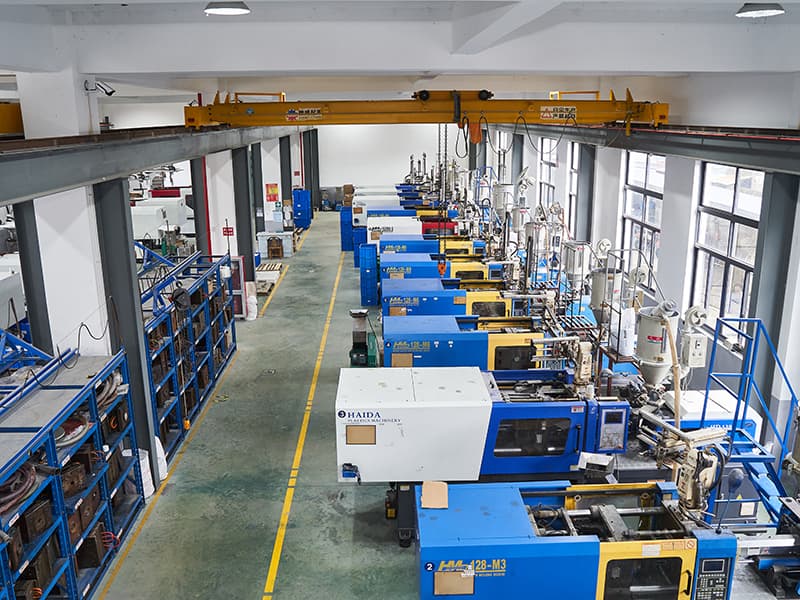
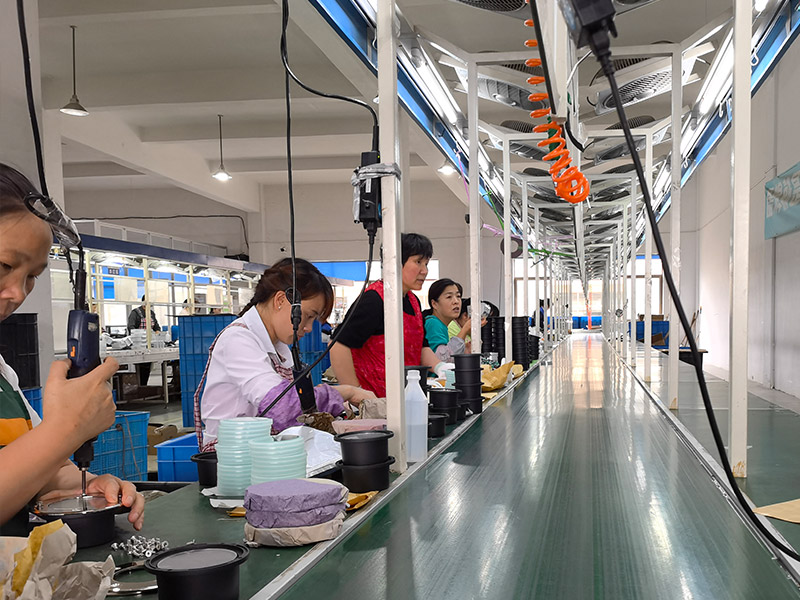
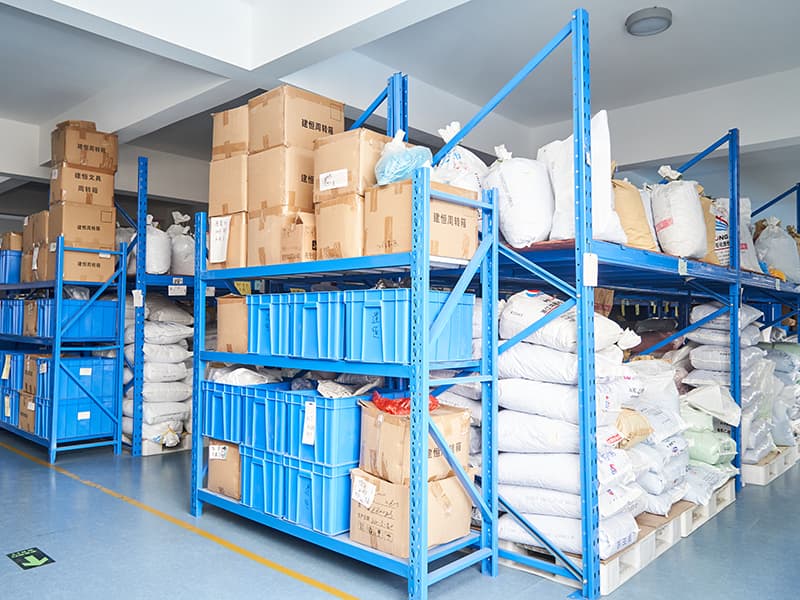
Ensuring consistent production quality requires clear manufacturing guidelines and thorough testing protocols. Advanced manufacturers rely on strict Quality Control systems, testing raw materials and utilizing detailed inspection steps at every stage of assembly. Key certifications, such as BSCI (Business Social Compliance Initiative) and ISO9001, verify that factories operate under responsible and organized management systems.
To protect components from water entry, automated gasket insertion and pneumatic pressure tests are used on the sealed enclosures. Spectrophotometer tests are also conducted on every batch of LEDs to ensure color rendering index (CRI) consistency and color temperature stability across production runs. In addition, automated aging racks test all driver and battery management assemblies, cycling the systems through variable loads for 24 to 48 hours to prevent early failure in the field.
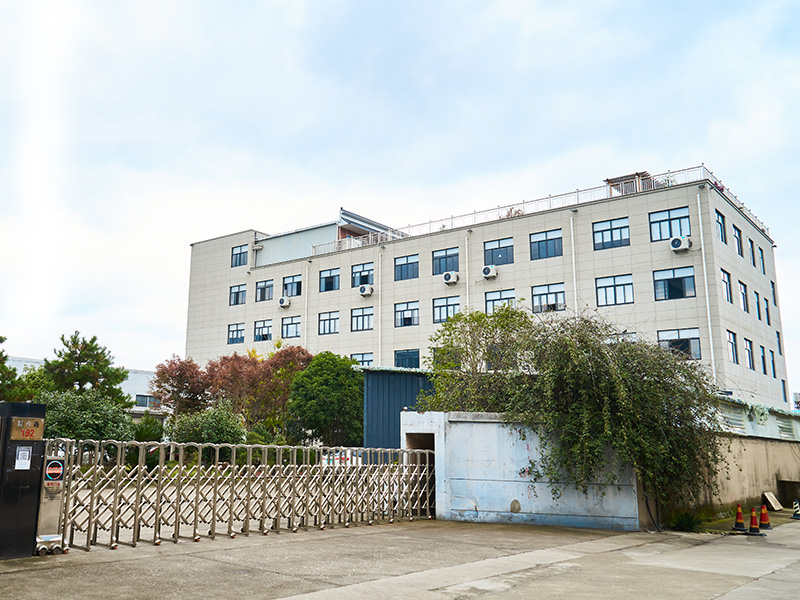
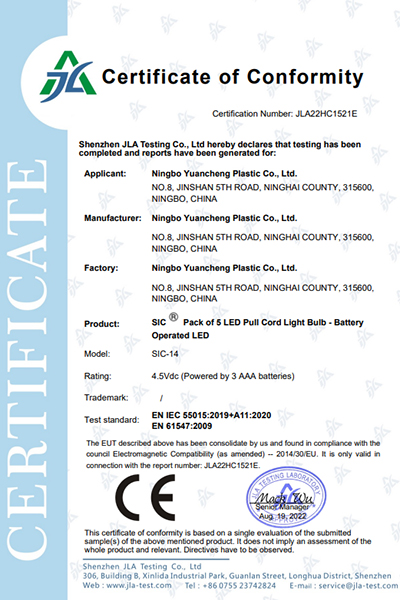
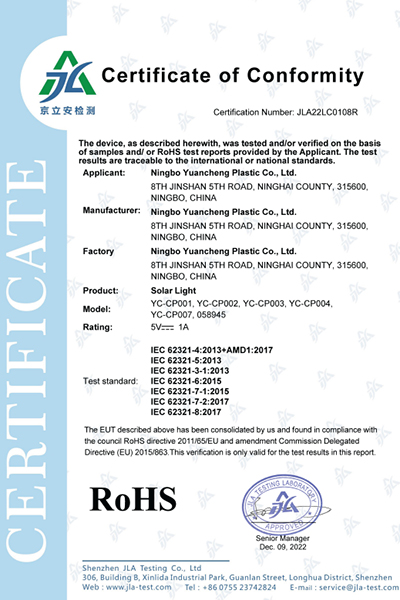
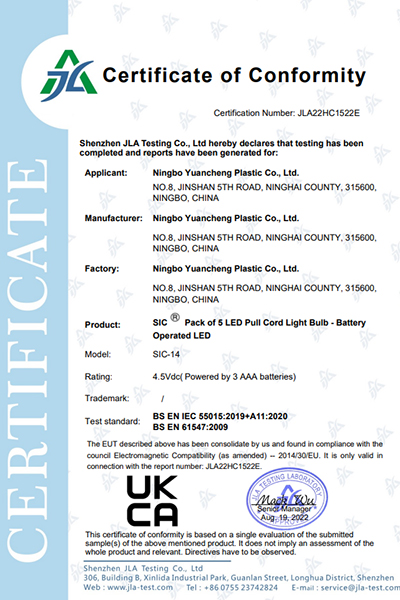
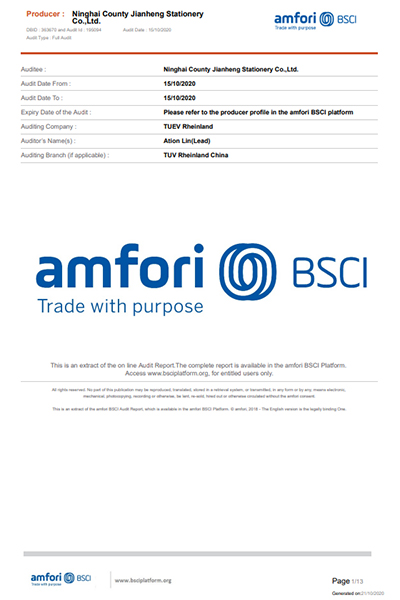

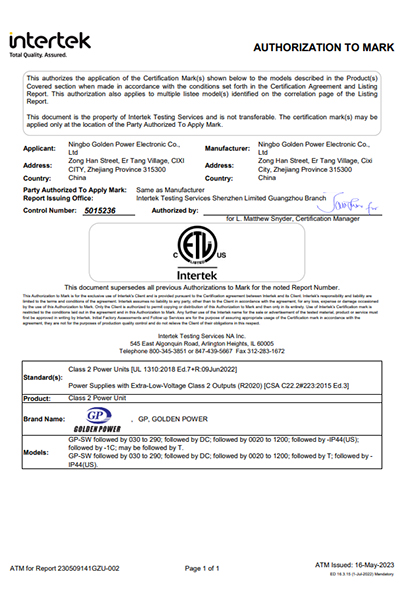
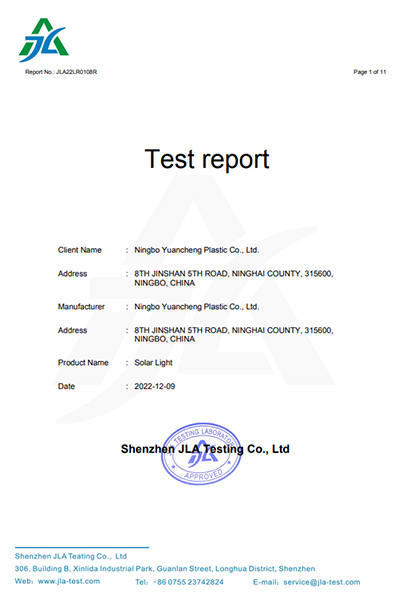
Industrial solar installations require strict adherence to international safety and environmental standards. Standard consumer-grade models often lack the certifications needed for commercial municipal projects. Sourcing from certified facilities helps projects run smoothly by meeting essential regulatory requirements:
The solar lighting industry is moving toward integrated, smart-grid ecosystems. Our engineering team is focusing on several key technical advancements:
First, we are developing IoT integrations using LoRa and Zigbee mesh networks. This allows managers to monitor battery health, adjust brightness profiles, and receive maintenance alerts from a central dashboard. Second, we are exploring sodium-ion battery configurations. This chemistry offers stable performance at extreme temperatures (down to -40°C), making it a reliable option for projects in cold regions. Lastly, we are applying self-cleaning photocatalytic coatings to the glass covers. These coatings help break down organic dirt and dust, allowing rain to easily wash away debris and maintain optimal light output over time.
Answers to common technical questions about 60W solar flood light systems, design customization, and sourcing processes.
Continuous operation relies on three main design factors: battery sizing, controller programming, and panel output. We size our high-capacity LiFePO4 batteries to hold enough power for 3 to 5 nights of operation. In addition, the integrated MPPT controllers feature auto-dimming settings that adjust light levels based on remaining battery voltage, saving power to ensure the light stays on during extended overcast weather.
We use A-grade Lithium Iron Phosphate (LiFePO4) cells rated for over 3,000 charge cycles at 80% depth of discharge (DoD). For typical daily use, this translates to an operating life of 8 to 10 years, which is significantly longer than standard ternary lithium or lead-acid batteries.
We offer custom optical configurations depending on the application. Options include symmetric distribution for general open-area lighting and asymmetric profiles (Type II or Type III) for path or perimeter applications, directing light where it is needed most and reducing light pollution.
Once we receive your design criteria and technical requirements, our engineering team uses in-house CAD tools and 3D printing systems to build a physical prototype. Within 7 days, we assemble, wire, and test the prototype, allowing you to review and approve the design before starting full production.
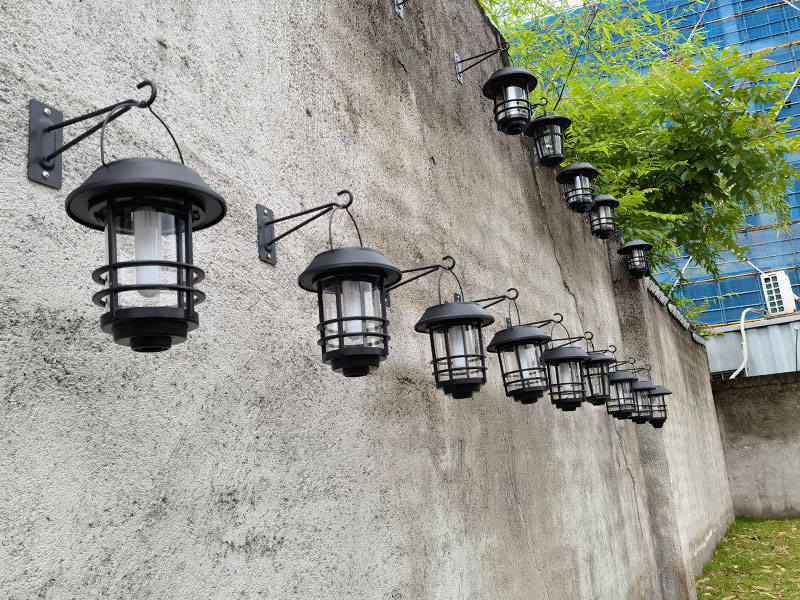
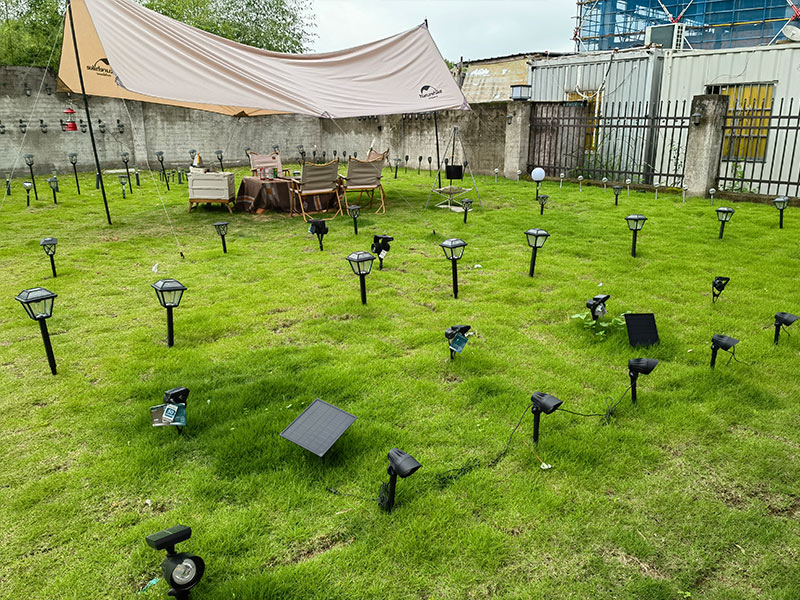
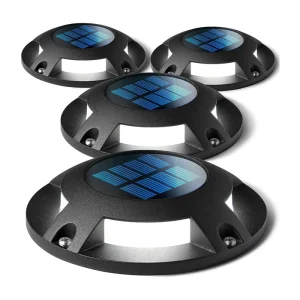
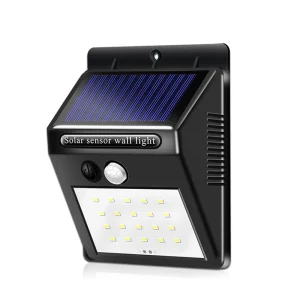
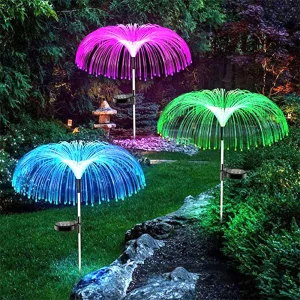
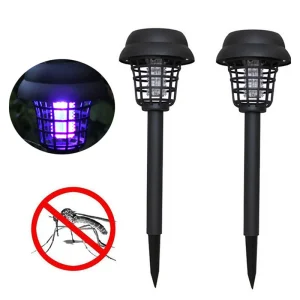
Explore our full catalog of solar-powered lighting options, designed for parks, gardens, walkways, and industrial security applications.
 Jianheng