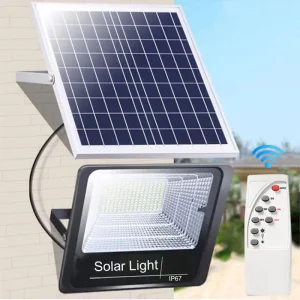

The global outdoor lighting sector is undergoing a rapid transition. Public lighting networks are migrating from grid-dependent High-Pressure Sodium (HPS) systems to off-grid, highly integrated smart solar installations. A 200W solar street light configuration serves as a critical junction, delivering a high lumen-per-watt footprint required for secondary highways, logistics terminals, shipping hubs, and municipal roads, while achieving complete grid independence.
Industrial procurement teams and municipal planners face unique challenges when evaluating manufacturers. System performance depends on balancing physical variables: solar panel conversion efficiency, thermodynamic stability of the lithium battery chemistry, MPPT controller efficiency, and mechanical durability against high wind loads and salt spray corrosion.
By shifting to an OEM/ODM strategy with a manufacturer like Ningbo Jianheng Import and Export Co., Ltd. (Yuancheng Plastic), project developers can specify exact component tolerances. This ensures compliance with local building codes, dark-sky lighting mandates, and regional weather conditions.
Traditional utility grid installation costs average $3,500 to $8,000 per pole for trenching, wiring, cabling, and transformer upgrades. A decentralized solar lighting layout eliminates these civil works expenses completely.
"By avoiding utility grid integration, municipal developers recover the capital expenditure of a premium 200W solar street light project within 18 to 24 months."
- Industrial Energy Economics Report (2024)Deep dive into the electrical, mechanical, and optical engineering standards required to build stable, durable 200W solar street lights.
Utilizing high-grade A+ silicon wafers with passivated emitter and rear cell (PERC) technology. Our solar panels maintain high spectral response in diffuse sunlight, ensuring consistent battery charging on overcast and rainy days.
Moving beyond standard PWM models, our Maximum Power Point Tracking (MPPT) algorithms track shifting solar currents with a conversion efficiency of 98.8%. This system dynamically adjusts power input based on panel temperature and real-time battery voltage.
Lithium Iron Phosphate (LiFePO4) chemistries provide safety and durability. Equipped with dual-active safety circuits to prevent thermal runaway, these batteries operate safely within extreme temperatures ranging from -20°C to +65°C.
Engineered with Type II, III, and IV light distributions. Optimized lens designs throw light onto the roadway surface while minimizing glare and backward light pollution, fulfilling municipal roadway specifications.
Supports LoRaWAN, NB-IoT, and Zigbee communications. Operators can remotely dim luminaire groups, run automated battery health diagnostics, and receive instant alerts for maintenance needs, cutting down operational costs.
Aero-dynamically profiled aluminum housings engineered to withstand sustained winds up to 60 m/s (Category 17 typhoons). Marine-grade powder coating protects the structural integrity of the light from coastal salt fog.
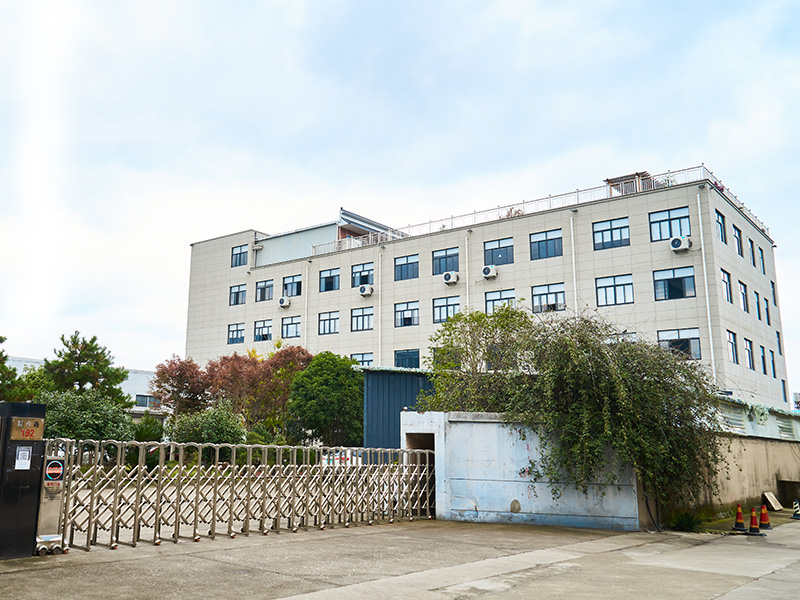
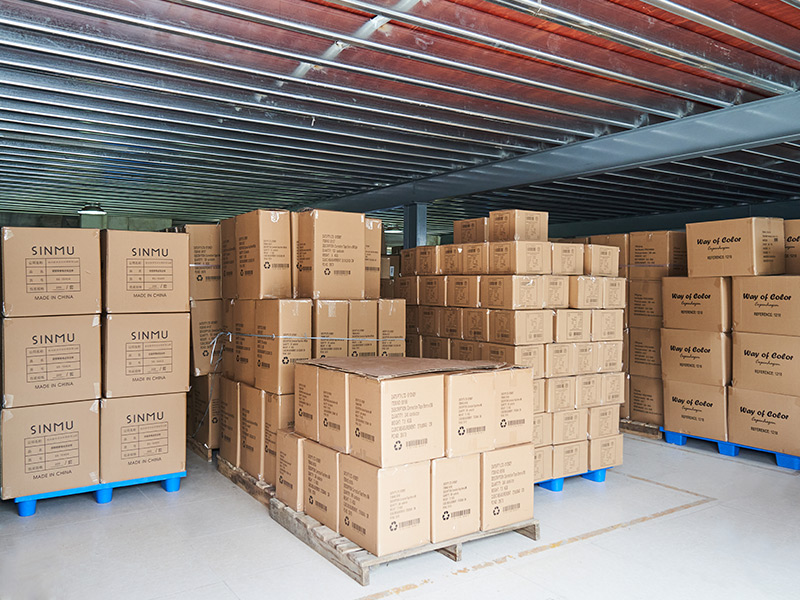
China's Yangtze River Delta is the premier manufacturing cluster for modern solar lighting technology, integrating silicon refining, battery fabrication, and precision plastic injection molding. Operating from Ningbo, Ningbo Jianheng Import and Export Co., Ltd. (Yuancheng Plastic) leverages this integrated supply chain to deliver high-quality, high-reliability outdoor lighting products.
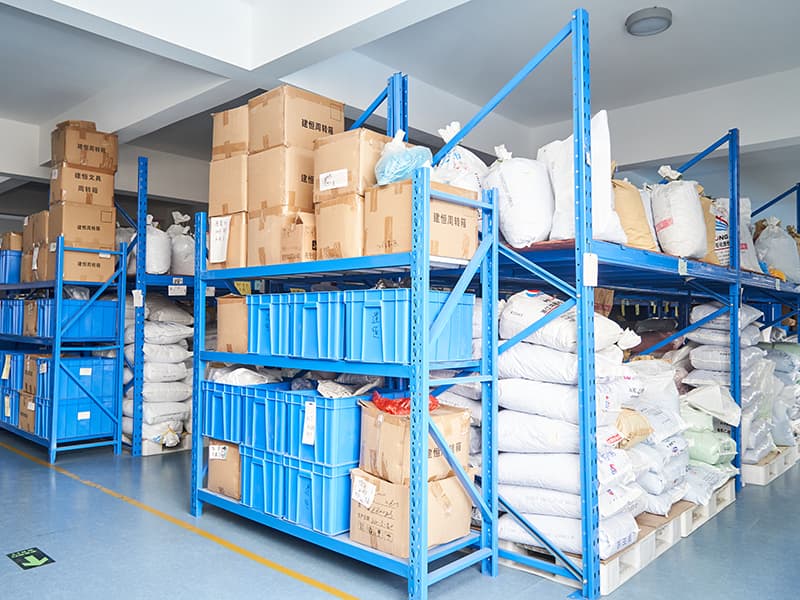
Our operations are backed by key structural capabilities:
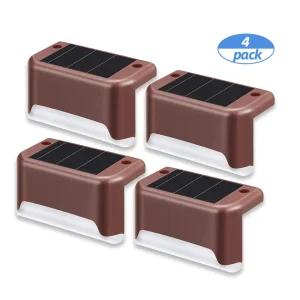
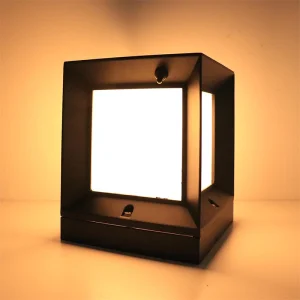
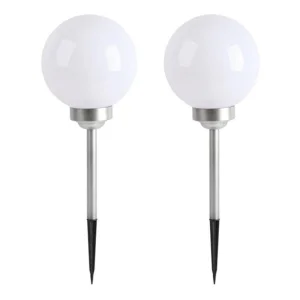
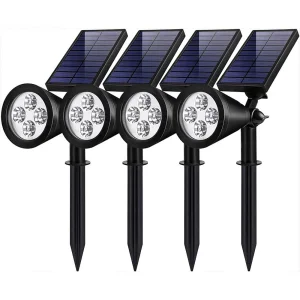
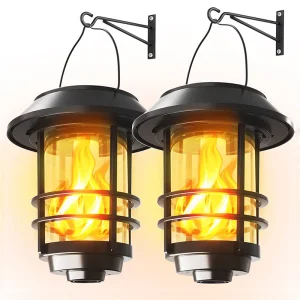
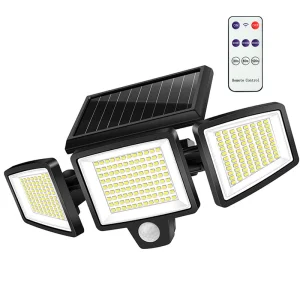
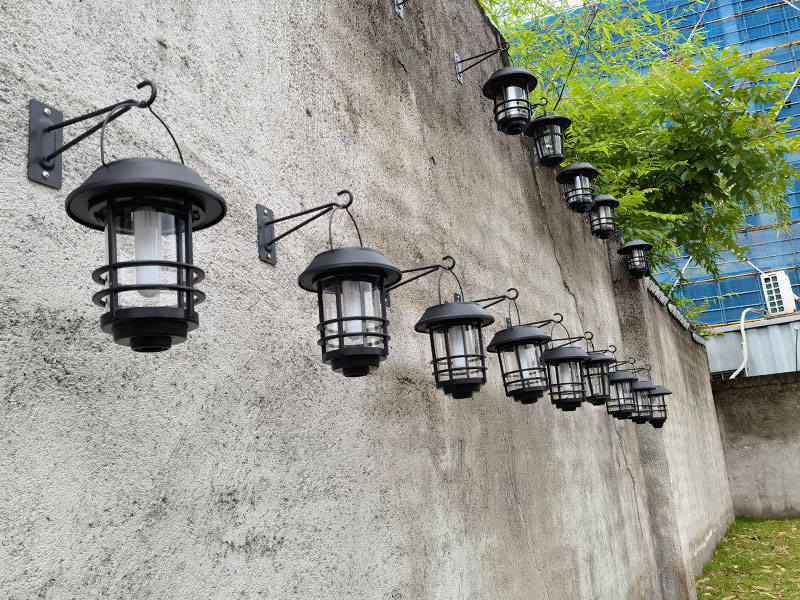
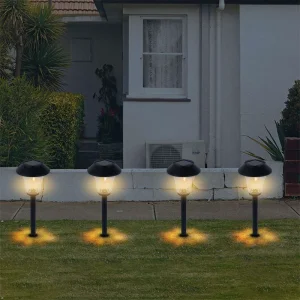
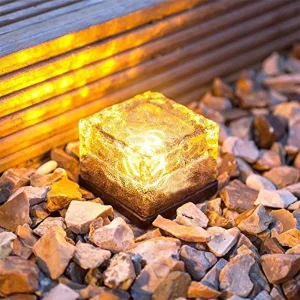
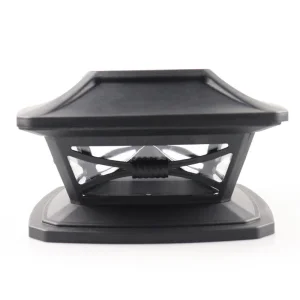
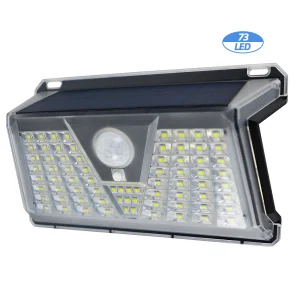
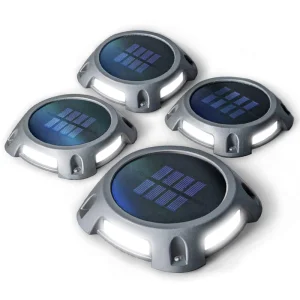
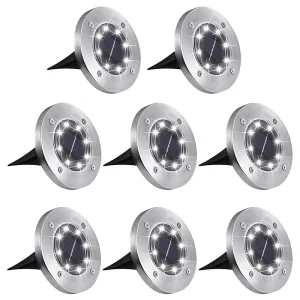
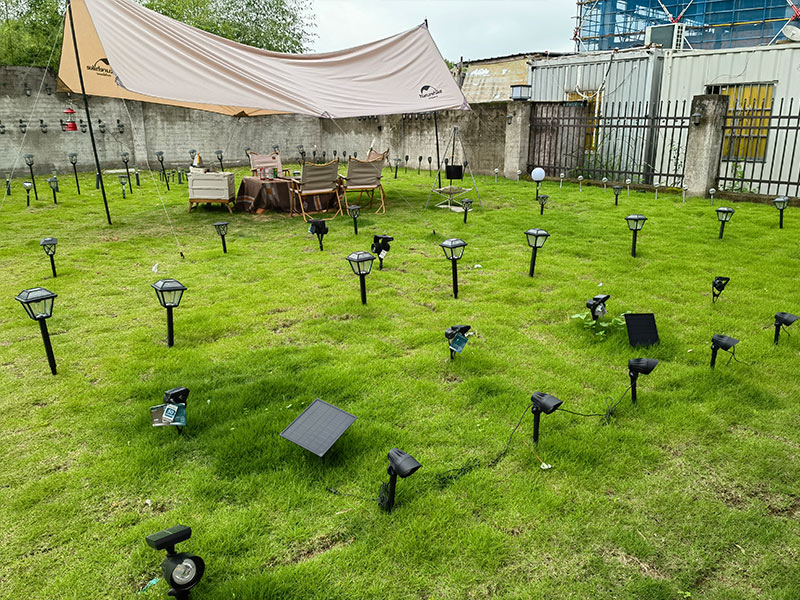
Our facility operates under an OEM/ODM system, producing a wide selection of solar products, including solar garden lights, solar street lights, solar flood lights, solar bug zappers, and solar ground lights.
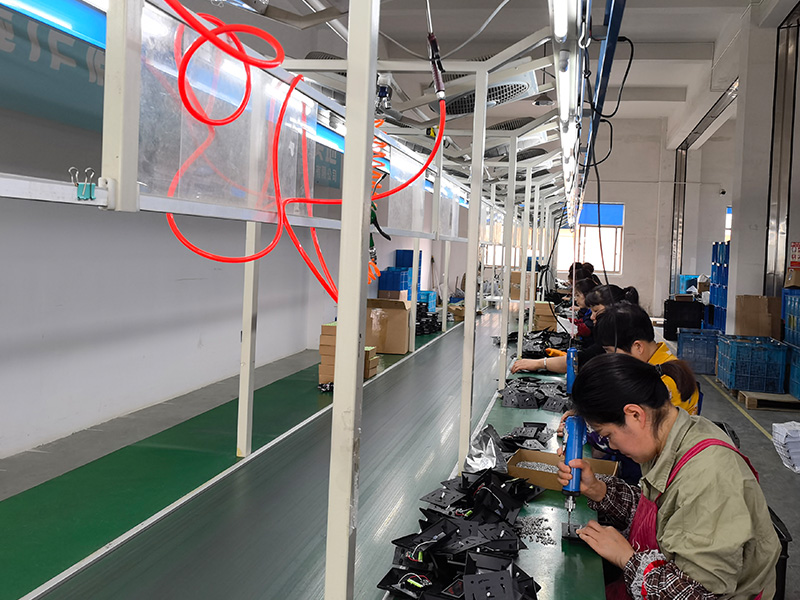
A standardized 200W solar street light is not a one-size-fits-all product. Different geographic zones require custom changes to the physical and electronic design of the system to ensure reliable operation year-round.
Designed for high-temperature desert regions like the Middle East. Systems feature vertical solar panel mounts to reduce dust buildup and LiFePO4 batteries equipped with specialized thermal cooling mechanisms. Exterior casings are rated for UV-resistance to prevent yellowing or cracking under intense sunlight.
Designed for high-latitude regions, including Northern Europe and Canada. Built with oversized monocrystalline solar panels to capture low-angle winter sunlight, and equipped with built-in heating systems that warm the battery to safe charging temperatures during sub-zero periods.
Tailored for tropical islands and coastal regions in Southeast Asia. Built with marine-grade 6063 aluminum alloy housings, double-coated anti-corrosion finishes, and heavy-duty structural mountings to ensure stability during high-wind storms and high-salinity coastal conditions.
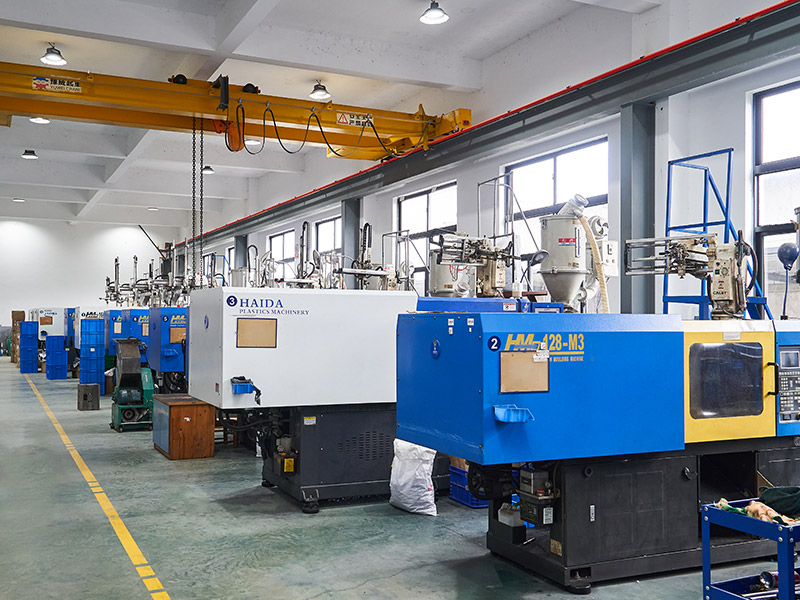
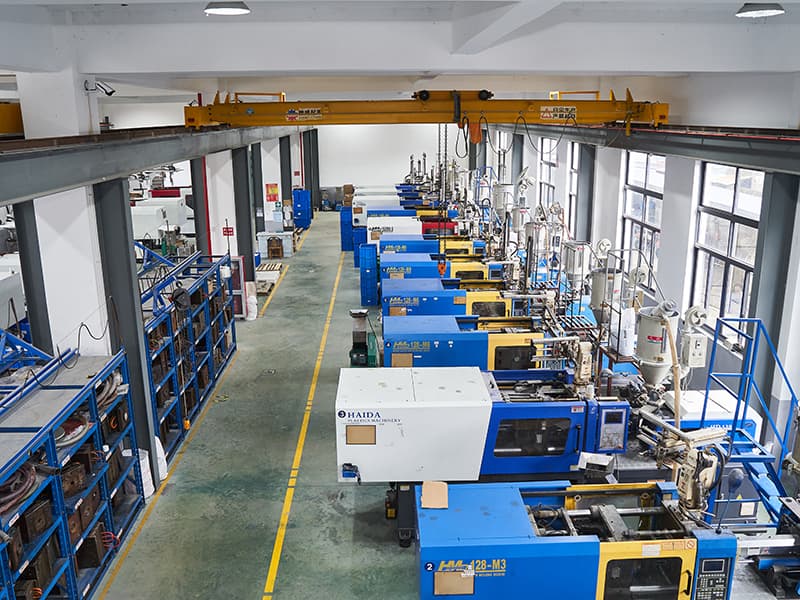
Product reliability is vital for municipal installations, where the cost of field maintenance can quickly exceed the initial equipment price. Our factory processes are designed around strict international quality standards, ensuring consistency at every stage of production.
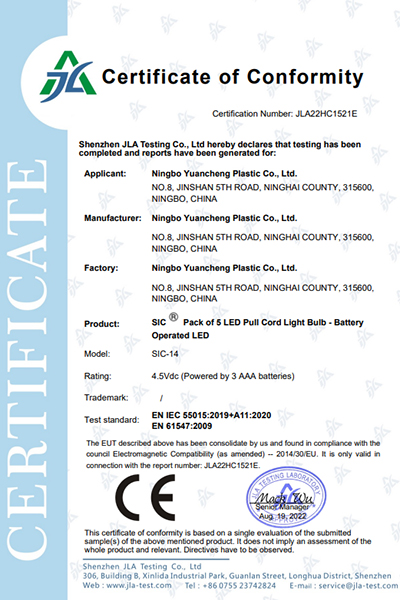
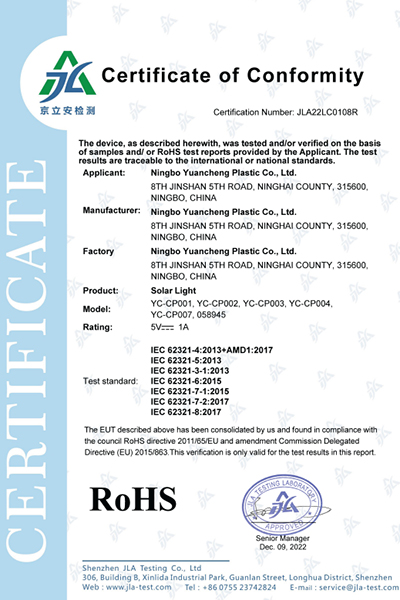
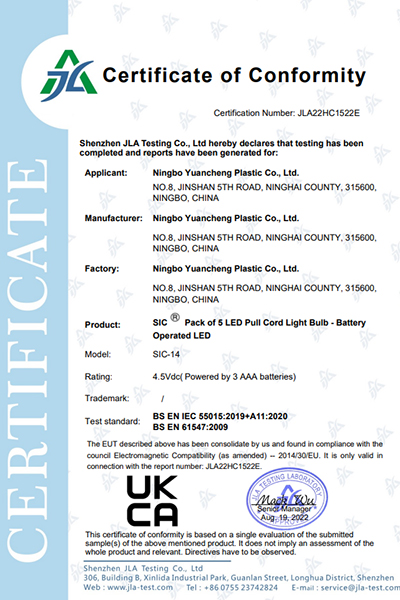
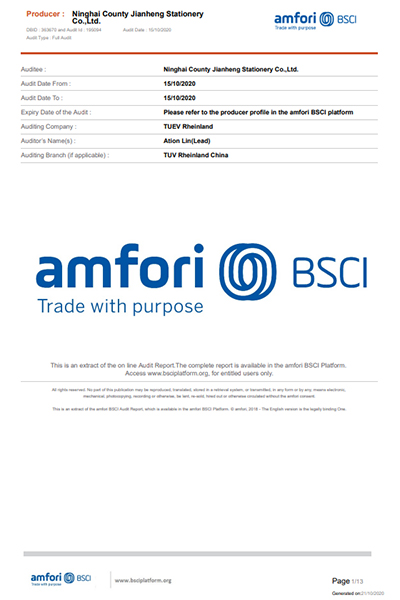
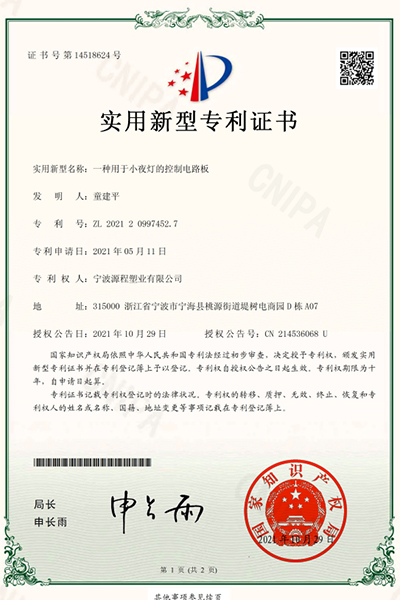
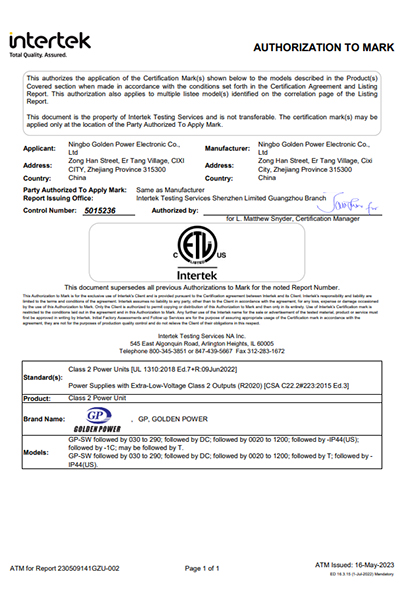
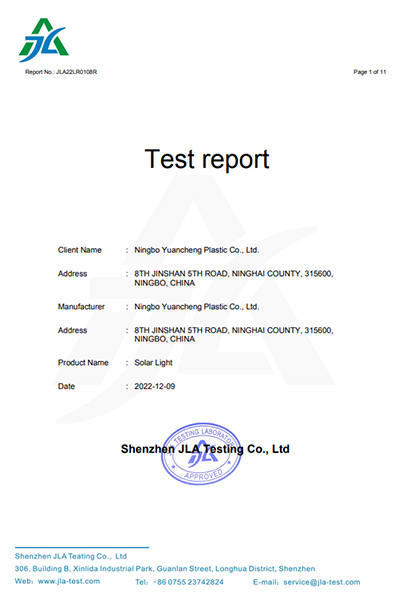
Ningbo Jianheng has earned BSCI certification and ISO9001 quality management certification. In addition, our solar street lights and components carry recognized international certifications, including CE, RoHS, and UKCA.
Our quality control program includes detailed inspection stages:
Our engineering division continuously updates our designs to keep pace with the shifting standards of the green energy sector. Over the next five years, our product development will focus on three key technical areas:
1. Perovskite-Silicon Tandem Solar Modules: Transitioning from traditional silicon to tandem cell configurations. This update is designed to push operational conversion efficiency beyond 28%, significantly increasing power generation from compact solar panels.
2. Machine Learning Battery Optimization: Integrating smart software within the local charge controller. The system analyzes local seasonal weather trends to dynamically adjust LED power levels, ensuring reliable, continuous lighting through extended periods of rain.
3. V2X & Micro-Grid Connectivity: Developing modular solar street light systems capable of charging electric vehicles and sharing excess battery power back to nearby building micro-grids during peak hours.
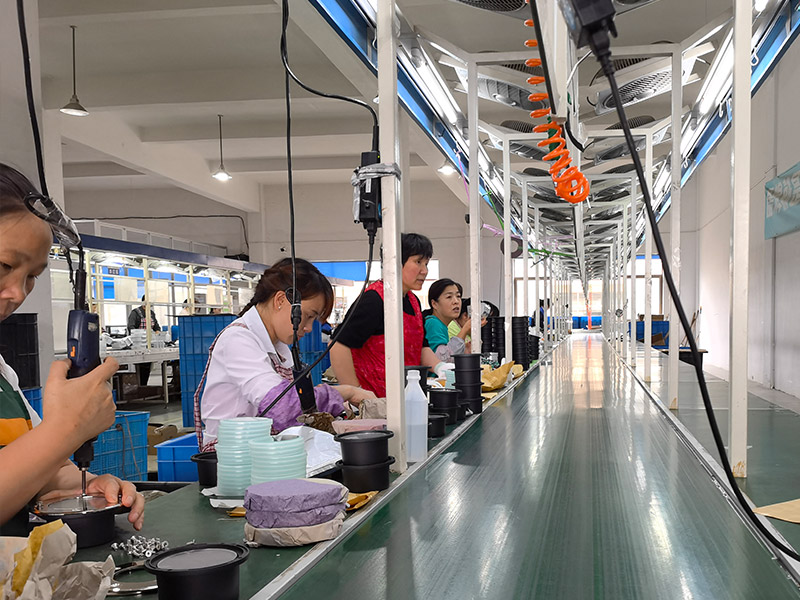
Answers to key operational, design, and manufacturing questions for commercial solar light buyers.
Partner with an established manufacturer to specify, customize, and secure high-performance 200W solar street light systems for municipal, commercial, or industrial applications.
 Jianheng