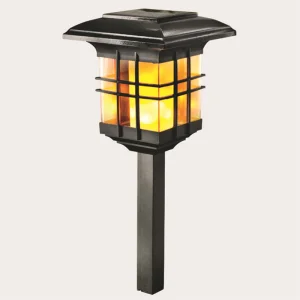
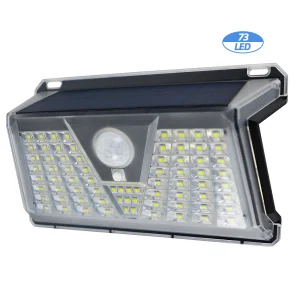
Engineered for high reliability, cost efficiency, and severe outdoor environment protection
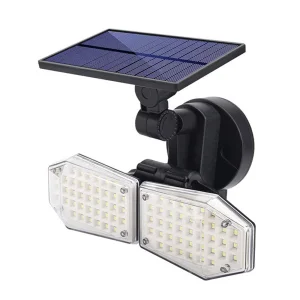
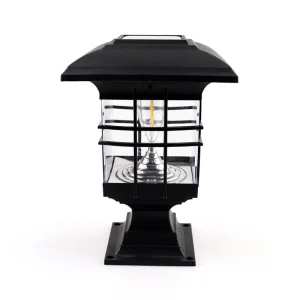


How 150-watt architectures are redefining infrastructure investments across municipal, logistic, and industrial borders
The global push for carbon neutrality has transformed municipal and commercial outdoor illumination from a basic utility into a strategic infrastructure asset. Among various power classes, the 150 Watts Solar Street Light has emerged as the definitive global standard for roadway, perimeter, and public safety lighting. Delivering an optimal balance between luminous flux (typically ranging from 18,000 to 24,000 lumens depending on LED efficiency) and thermal efficiency, the 150W specification meets the stringent illuminating standards (IESNA RP-8) required for collectors, major arterials, and high-security industrial perimeters without requiring excessive battery or solar panel dimensions.
Globally, commercial and industrial enterprises are replacing traditional high-pressure sodium (HPS) and metal halide (MH) fixtures. A 150W solar light eliminates grid-dependency, trenching costs, and monthly energy expenses, which usually account for over 65% of the total cost of ownership (TCO) in conventional installations. Across North America, Europe, the Middle East, and rapidly urbanizing corridors in Southeast Asia and Africa, EPC (Engineering, Procurement, and Construction) contractors prioritize these systems to achieve LEED certifications and fulfill ESG (Environmental, Social, and Governance) corporate initiatives.
"Integrating intelligent IoT controllers with high-efficiency monocrystalline solar panels allows modern 150W systems to dynamically regulate energy consumption, ensuring up to 5-7 rainy days of autonomy even in regions with challenging solar radiation characteristics."
Leveraging 20 years of precision manufacturing to deliver customizable solar lighting solutions globally
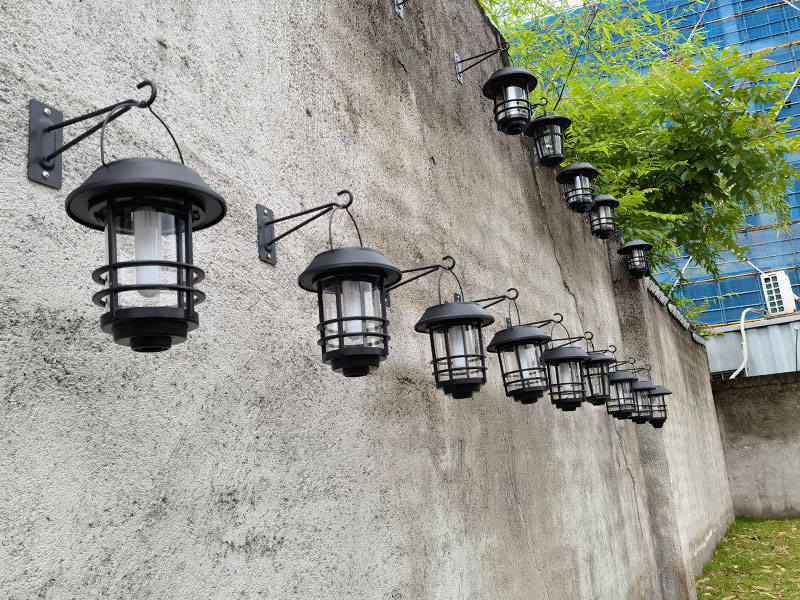
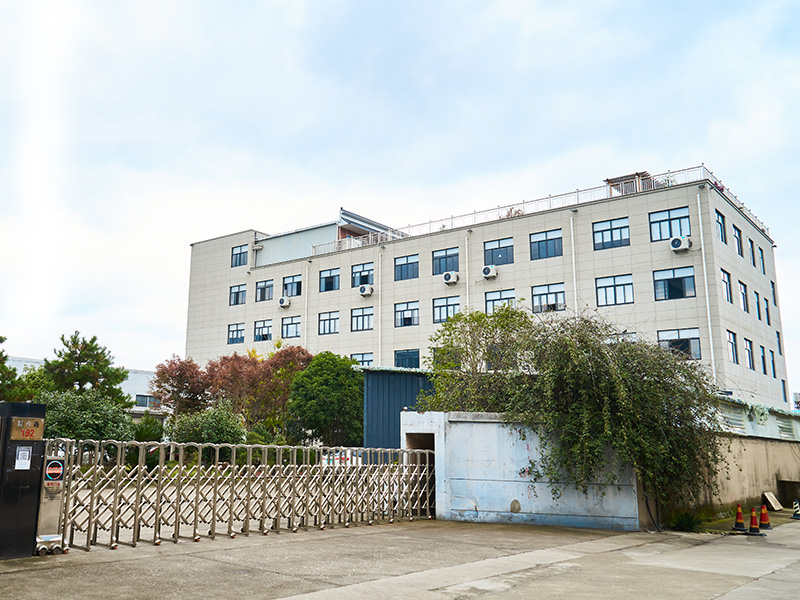
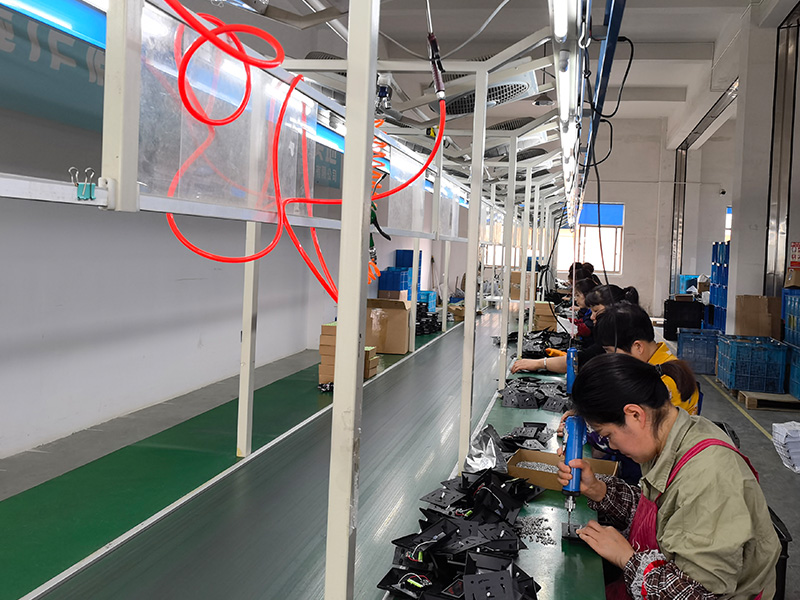
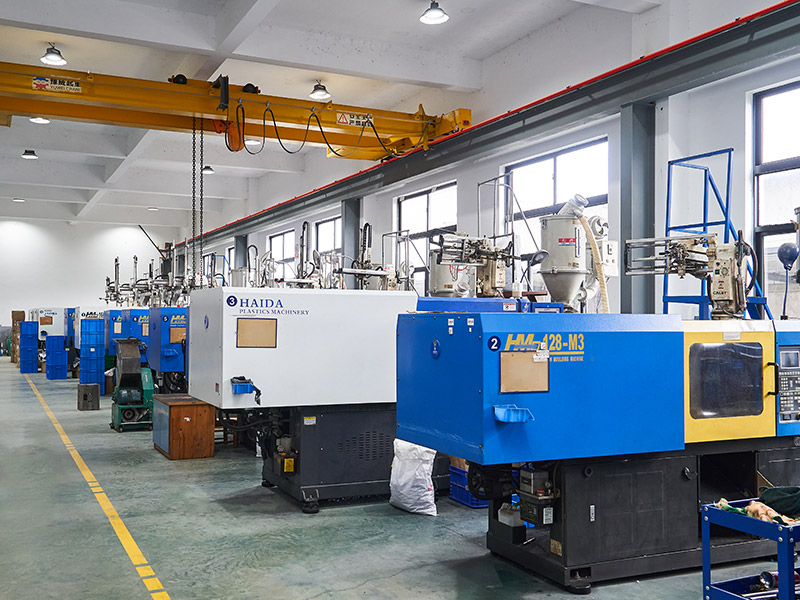
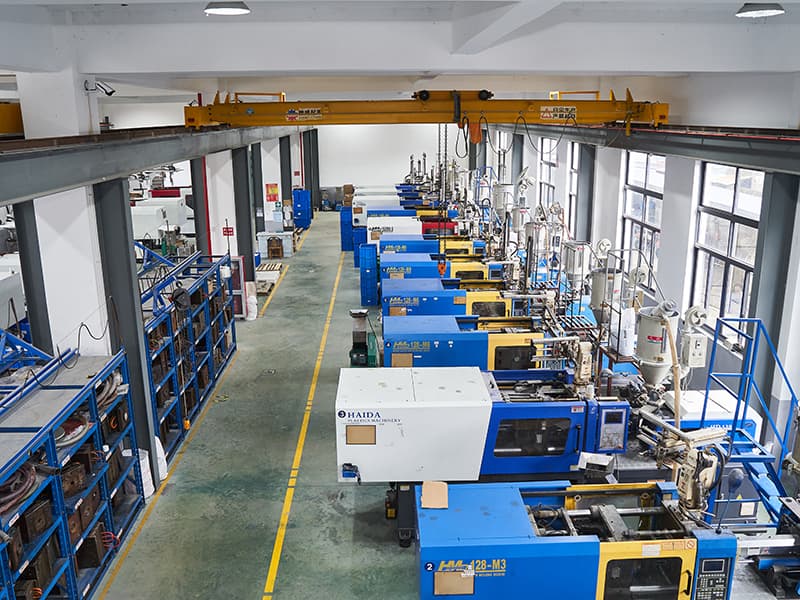
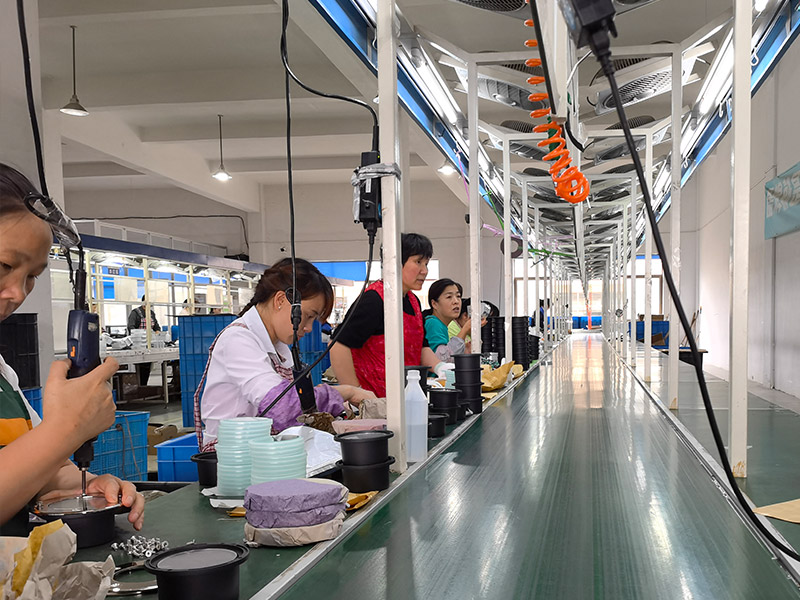
Established as a bedrock of innovation in Ningbo, China, Ningbo Jianheng Import And Export Co., Ltd. (operating alongside manufacturing partner Ningbo Yuancheng Plastic Co., Ltd.) represents the pinnacle of localized supply chain efficiency. Spanning a state-of-the-art facility of 10,750 square meters, our operation is engineered to address the complexities of modern OEM and ODM contracts. Backed by 20 years of industry heritage, we combine advanced manufacturing methodologies with structural cost optimization to deliver unbeatable value to global distributors and wholesalers.
Our workforce features 105 skilled technicians on the assembly lines and 15 dedicated engineering & customer support personnel. This structural balance ensures that design modifications, optical calculations (Dialux simulations), and bulk production transitions happen smoothly. With advanced injection molding equipment, automatic SMT placement machines, and environmental aging chambers, our Ningbo facility maintains tight control over every element of the manufacturing process—from high-durability plastic housings to critical structural seals.
Why does China's Ningbo region lead the global solar supply chain? It is the dense convergence of component suppliers: high-purity raw materials, lithium iron phosphate (LiFePO4) battery packs, intelligent controller boards, and optical-grade polycarbonate diffusers are sourced locally. This localized ecosystem dramatically reduces production lead times and transport costs, enabling us to provide premium-tier components at competitive factory-direct pricing.
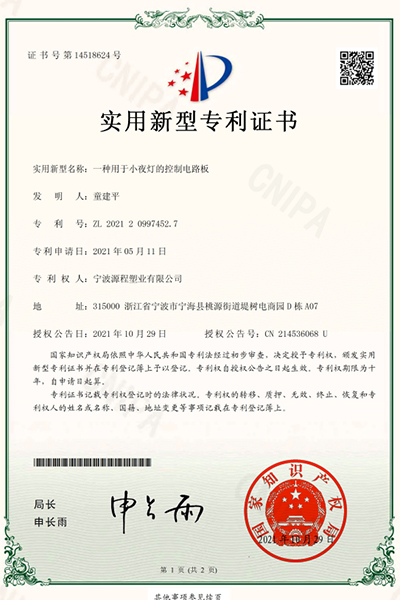
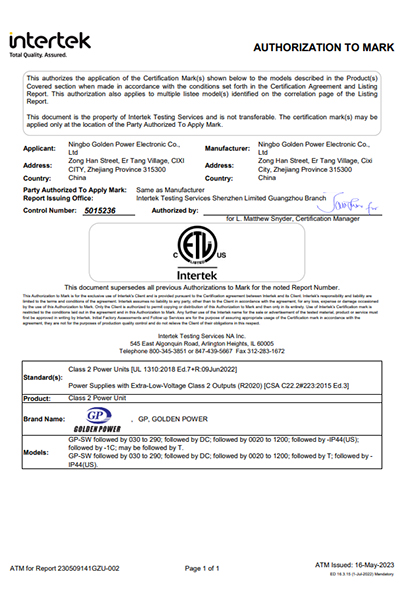
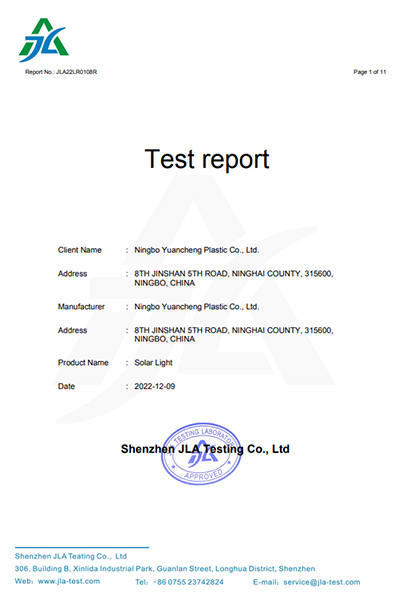
Engineered to survive extreme environments while complying with strict international regulations
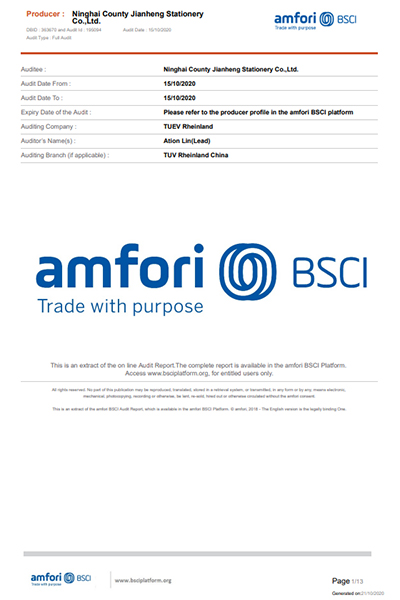
Our facility operates under rigorous international operational standards, certified by BSCI for ethical manufacturing and ISO9001 for quality management systems. This guarantees consistent assembly performance and traceability across every production lot.
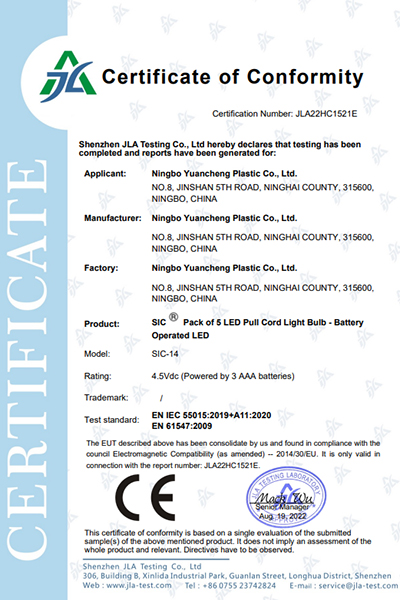
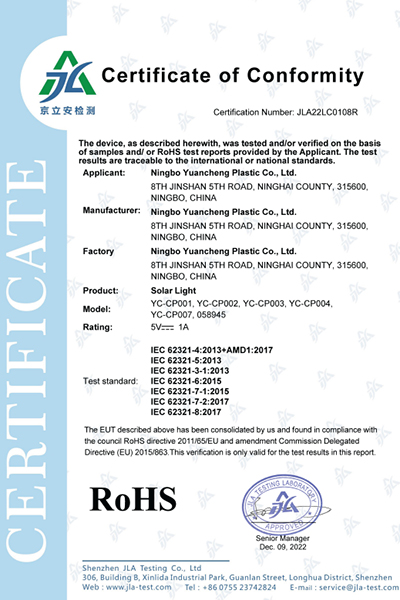
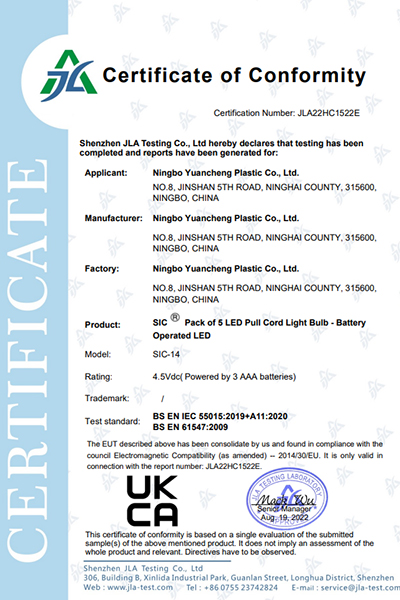
We meet European and global distribution requirements with full compliance certifications. Every component—from lead-free soldering to fire-resistant housings—undergoes comprehensive testing to ensure eco-friendly, safe operations.
We accelerate your time-to-market. Our engineering team translates specialized client requests—such as modified beam angles or custom battery capacities—into functional prototypes within 7 days, complete with photometric data.
Deploying 150W solar lighting across diverse environments for optimum illumination and longevity
Designed to satisfy IESNA Class II and Class III distribution patterns, our 150W lights provide bright, uniform illumination across multi-lane arterial roads. They eliminate dark spots and glare, enhancing traffic safety without requiring expensive underground cabling.
Continuous operations in distribution hubs demand high-reliability security lighting. With programmable motion-sensing profiles, our systems run at maximum output during shift changes and drop to a lower energy-saving state during quiet hours, maximizing battery life.
Engineered with marine-grade anti-corrosive powder coatings and IP65/IP66 ingress protection, these lights withstand high salinity, intense UV exposure, and sandstorms. They operate reliably from -20°C to +60°C, ensuring consistent performance in harsh environments.
A guide for sourcing directors to evaluate components, verify ratings, and understand the future of solar illumination
When procurement teams evaluate OEM 150W solar street light suppliers, standard metrics like "wattage" can be misleading. Buyers should instead focus on system efficiency and components:
The industry is moving quickly toward intelligent networks. Standard standalone street lights are evolving into connected smart city nodes. Incorporating IoT communication protocols (such as LoRaWAN, Zigbee, or cellular NB-IoT) allows central operators to monitor battery health, adjust dimming profiles remotely, and receive automated maintenance alerts. Monocrystalline silicon cells now achieve up to 23% conversion efficiency, allowing factories to shrink solar panel sizes without sacrificing power output.
Addressing the core technical, logistical, and commercial inquiries of B2B procurement partners
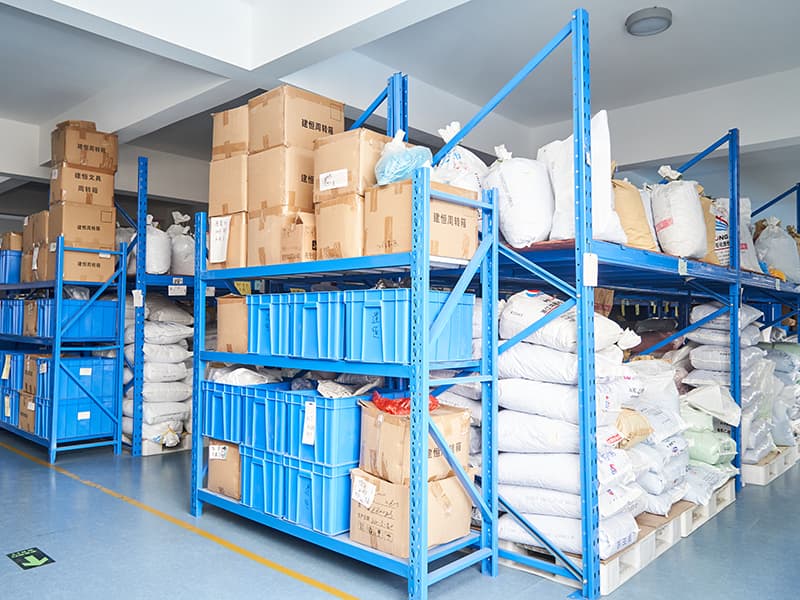
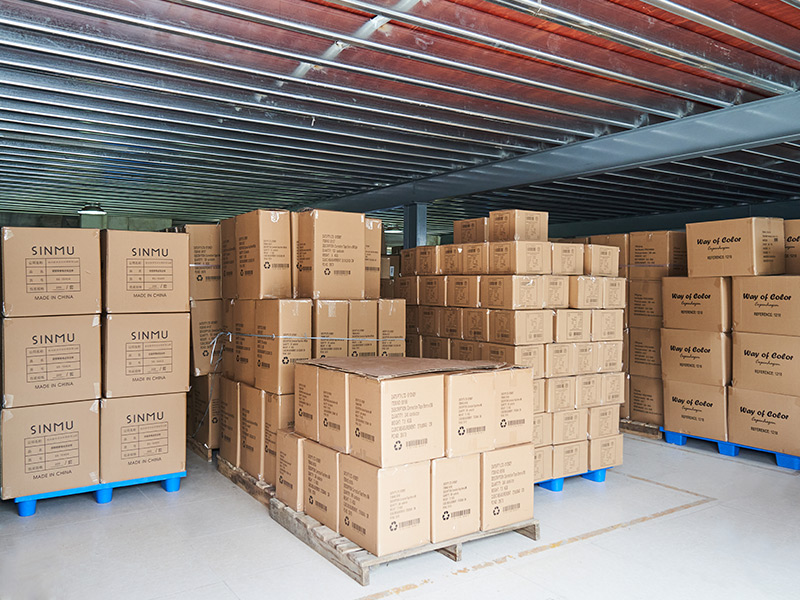
A look inside our 10,750 square meter production center in Ningbo, China
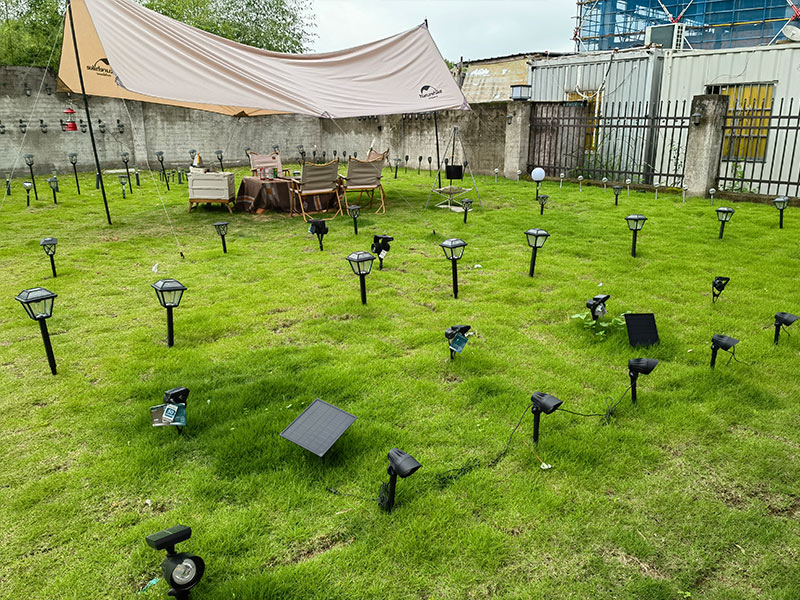
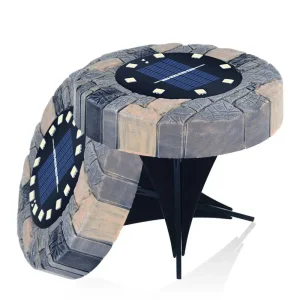
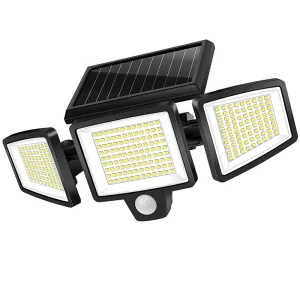
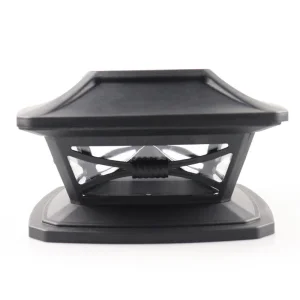
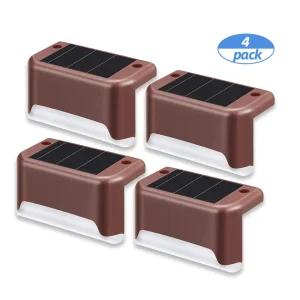
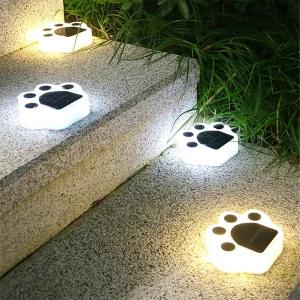
Premium OEM and ODM products tailored for diverse commercial, industrial, and decorative installations


 Jianheng