High-efficiency monocrystalline solar panels engineered with precision PIR motion sensors for commercial, municipal, and residential installations.

A comprehensive analysis of optoelectronic efficiency, PIR sensing technology, and weatherproofing standards in the solar lighting supply chain.
Modern architectural projects demand higher conversion rates. By moving from Polycrystalline (15-17% efficiency) to high-grade Monocrystalline Silicon cells, conversion efficiency is pushed past 23%. This ensures rapid charging even in environments with persistent cloud cover or high particulate indices.
The standard lithium-ion chemistry has given way to LiFePO4 cells. These offer over 3,000 charge cycles, an operating threshold range between -20°C and 65°C, and exceptional thermal runaway prevention. This technology ensures a lifetime of 5–8 years for heavy-duty security lights.
Traditional passive infrared (PIR) sensors suffered from false alarms or dead zones. The newest integrations combine smart microwave radar sensors with wide-angle (270°) multi-zone PIR optics, providing instant activation within a 12-meter detection radius, paired with dynamic battery conservation algorithms.
Economic and Regulatory Push: The adoption of Net-Zero energy standards in commercial real estate has turned motion-activated solar lighting from an alternative choice into an infrastructure requirement. Large-scale procurement teams now prioritize lifetime reliability over simple upfront unit costs.
For B2B buyers, distributors, and EPC (Engineering, Procurement, and Construction) contractors, importing solar wall lights involves managing product compliance, lead times, and customization specifications. Product longevity relies on structural engineering: weather-proof silicone gaskets, UV-stabilized polycarbonate lenses, and anti-rust aluminum alloy chassis.
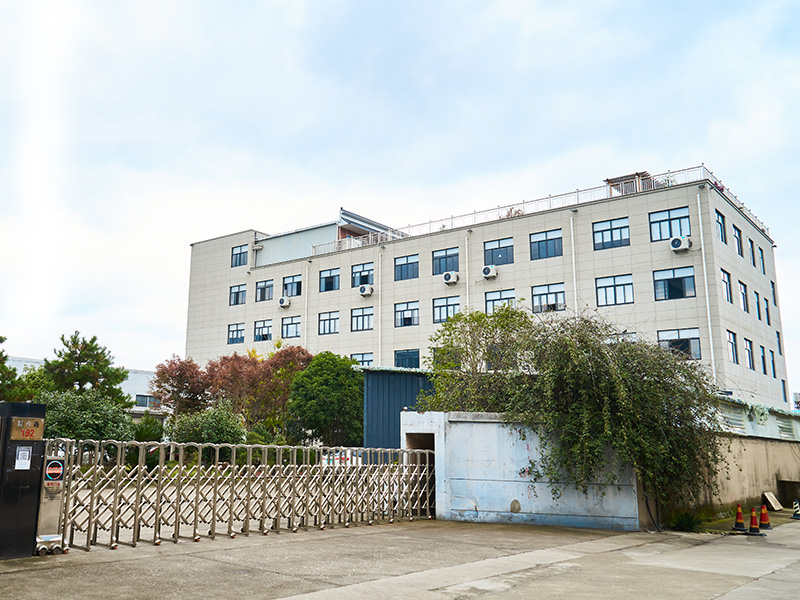
At Ningbo Jianheng Import And Export Co., Ltd. (also operating with production under Ningbo Yuancheng Plastic Co., Ltd.), we align our manufacturing with global import demands. Covering a factory footprint of 10,750 square meters and powered by 105 skilled technicians and operators, our facility ensures consistent quality standards, from design evaluation to final shipping container loading.
Ningbo's advanced industrial cluster delivers manufacturing precision and logistical advantages to global buyers.
Our OEM/ODM pipeline supports quick product turnarounds. Using integrated 3D design and fast tooling development, we can deliver physical samples of custom motion-sensor solar lamps within 7 days, helping brands launch new models on schedule.
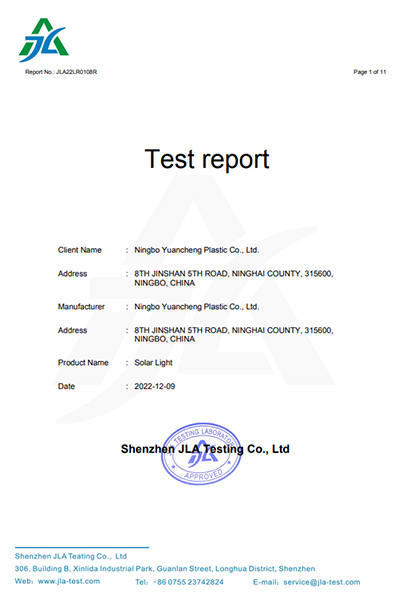
Each manufacturing batch undergoes automated quality control. We run solar cell performance analysis, high-temperature lithium battery cycling, IP65/IP67 ingress chamber tests, and optical integrating sphere tests to verify color rendering index (CRI) and lumen output.
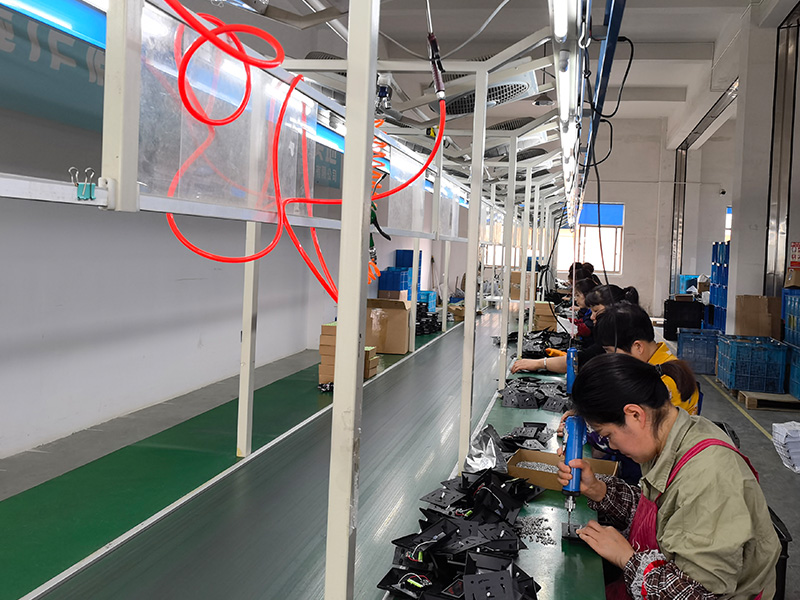
By managing plastic injection molding, hardware assembly, SMT circuit board production, and optical inspection under one roof, we minimize production bottlenecks, maintain stable unit pricing, and ensure quality control across all batches.
A photographic tour inside our production lines, testing labs, plastic molding workshops, and final inspection floors.
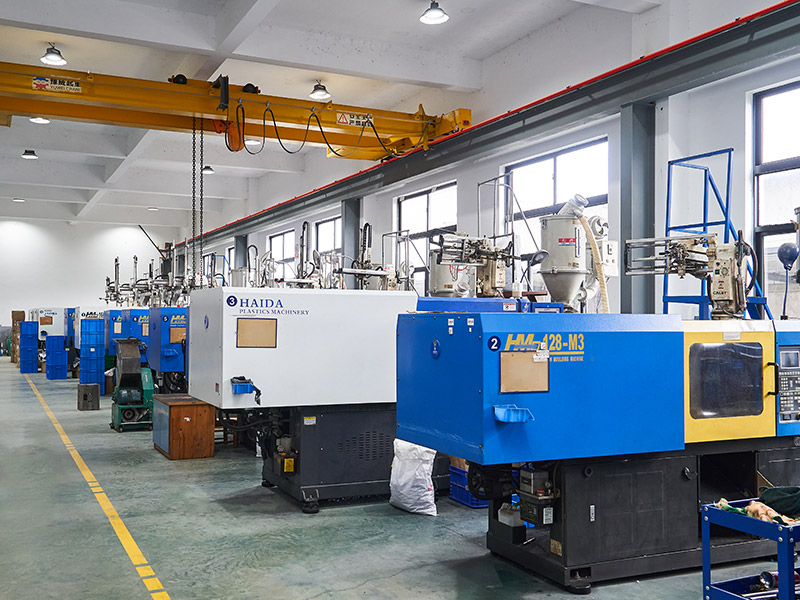
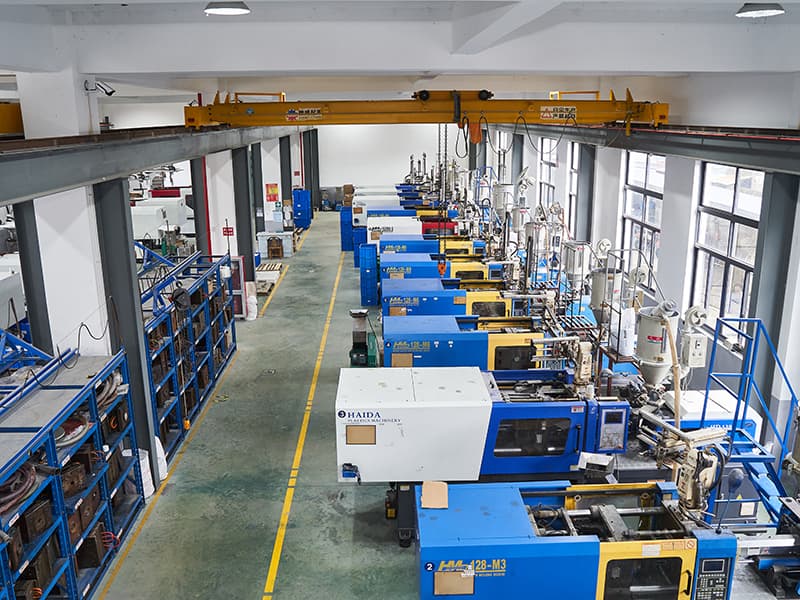
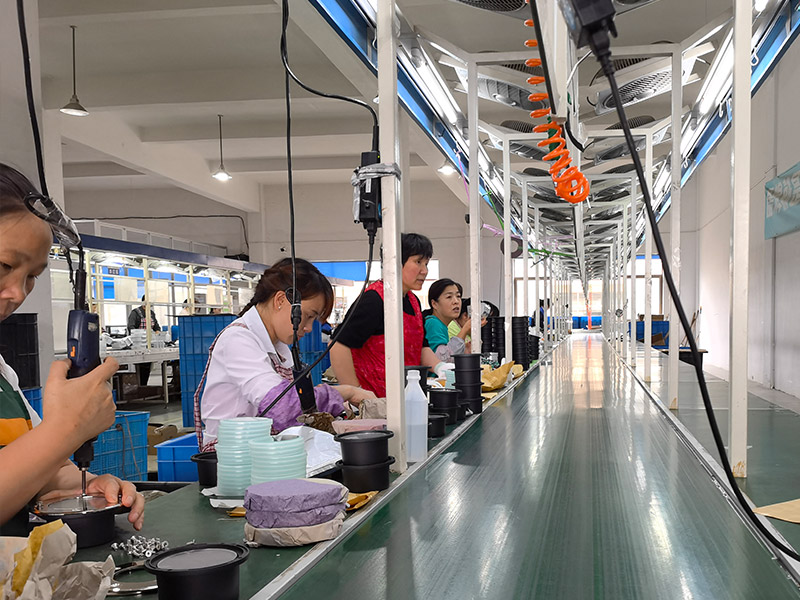
Understanding environmental demands allows us to customize product designs for specific regional conditions.
For seaside installations, standard metals can corrode quickly. We engineer outdoor deck and wall lights using ABS stabilizers and 316 stainless steel fixtures to withstand humid, saline air.
Standard batteries lose capacity in sub-zero temperatures. Our designs utilize custom BMS configurations with low-temperature cutoff protection to keep lights operating throughout winter.
In desert or high-heat locations, heat buildup can reduce LED lifespan. We design our housing to dissipate heat quickly, keeping internal electronics within safe operating temperatures.
Direct parameters and mechanical profiles detailing custom configurations designed for global importers.
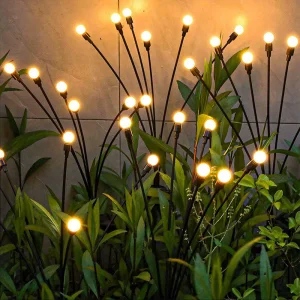
Model Number: YC-CP023
Solar Panel: 2V, 140 mAh
Battery Capacity: 1.2V, 600mAh Ni-MH
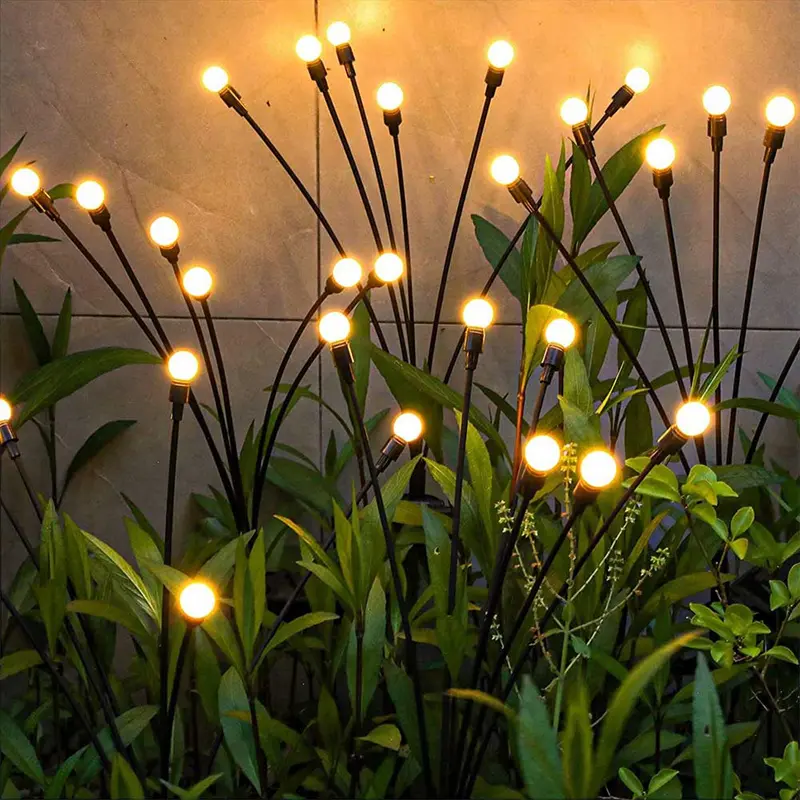
Material: ABS + Flexible Stainless Steel Rods
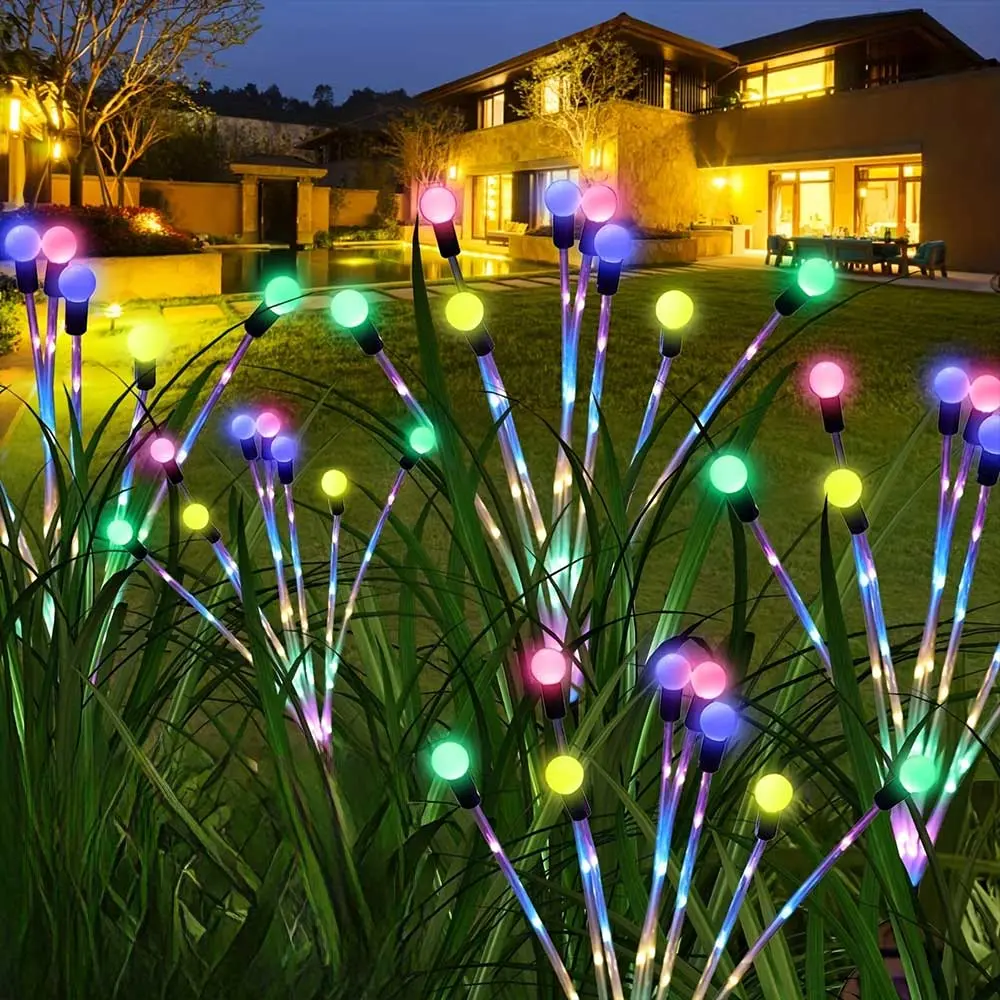
Key Feature: Designed to sway with the wind, replicating fireflies for landscape accent lighting.
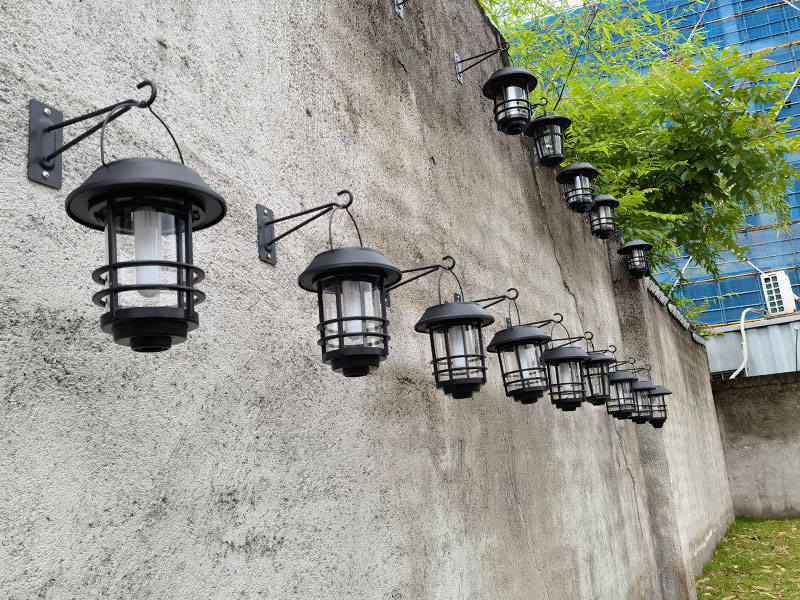
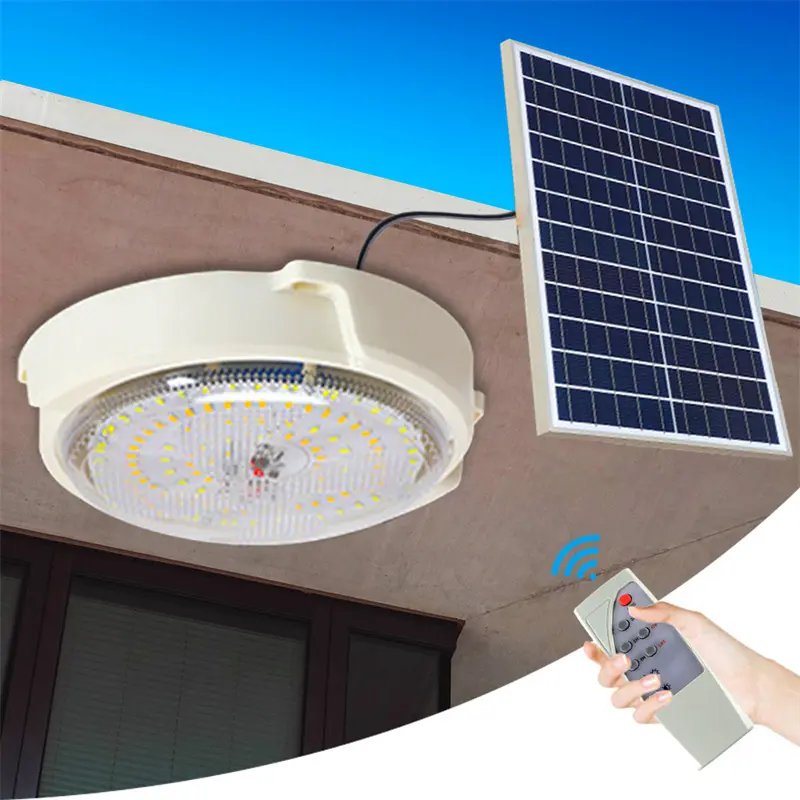
Structure: High-Grade Aluminum & Clear Tempered Glass
IP Rating: Weather-resistant casing
Control System: Auto dawn-to-dusk light sensor
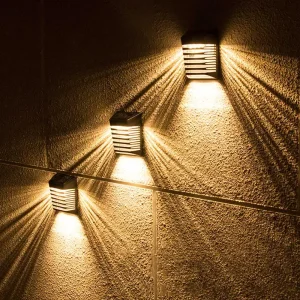
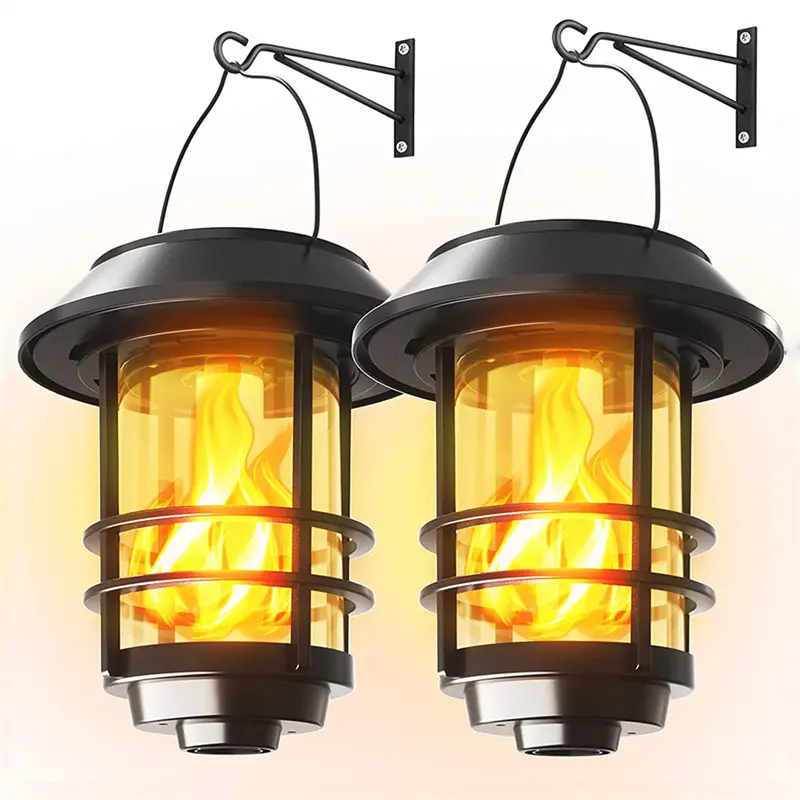
Aesthetic: Replicates natural gas lantern flame movements for architectural elevations.
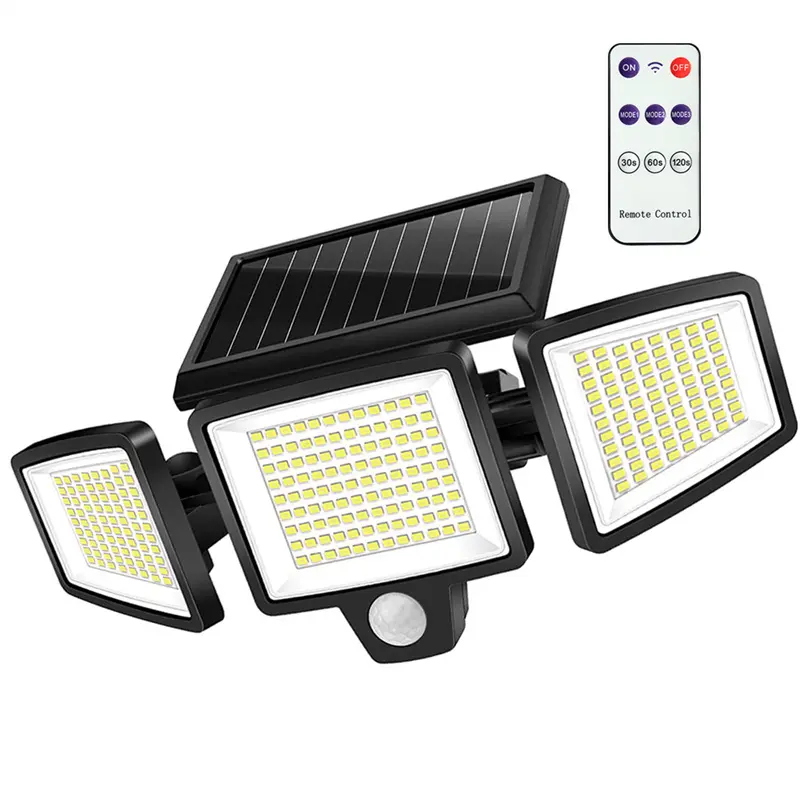
Luminous Flux: 2500 Lumens / 6500K color temp
Battery Pack: 2200mAh high-capacity lithium-ion
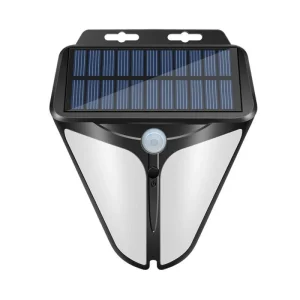
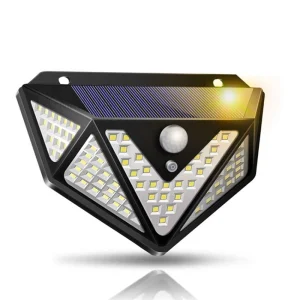
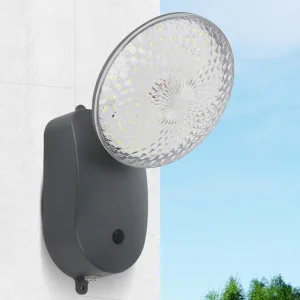
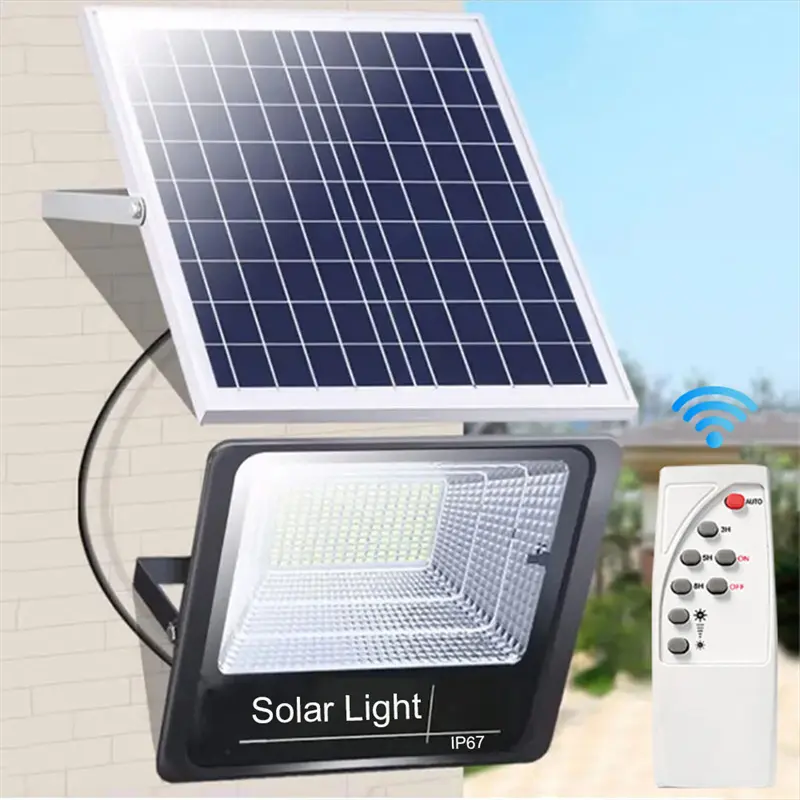
Sensor: 3-head multi-angle PIR sensor
Target Use: Exterior building security, loading zones, and residential driveways.
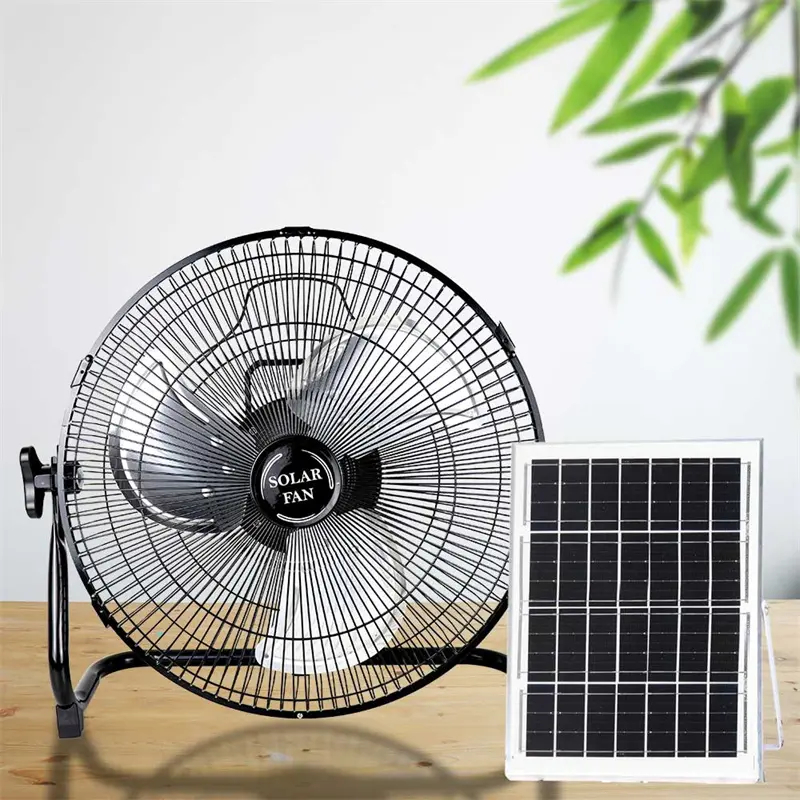

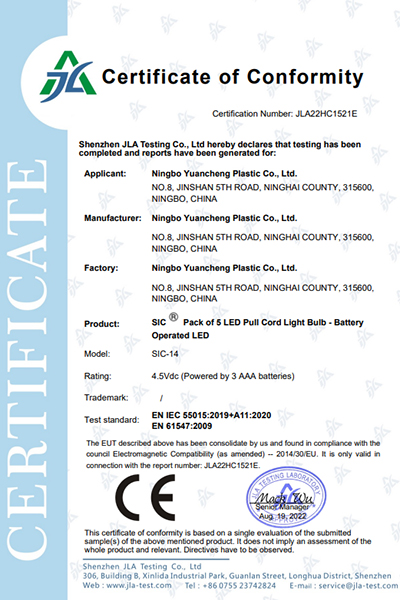
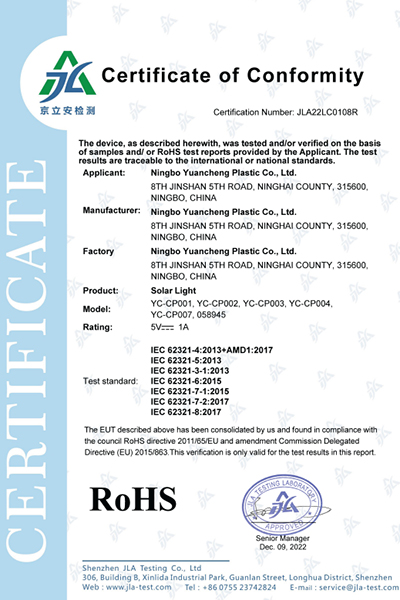
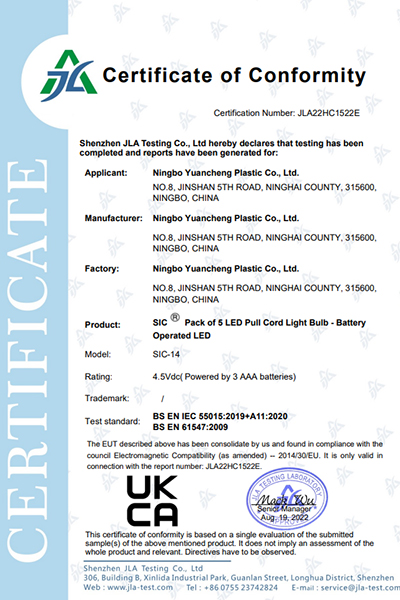
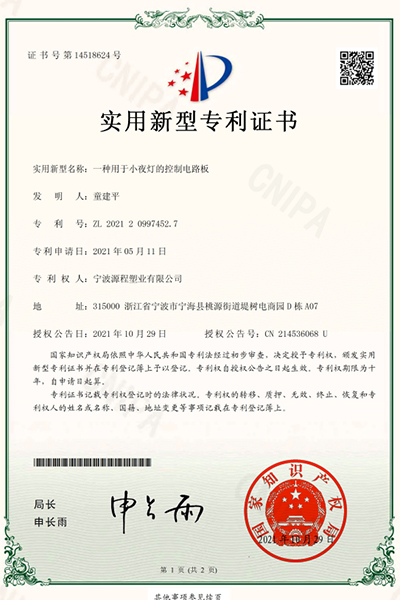
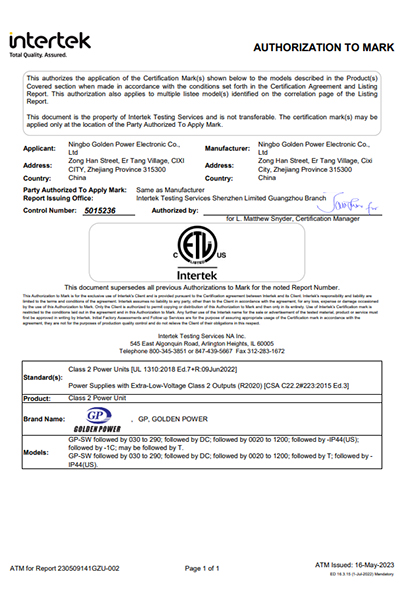
Product certification is essential for importing into competitive markets like Europe, North America, and the United Kingdom. Our quality assurance systems verify compliance before cargo leaves our facility.
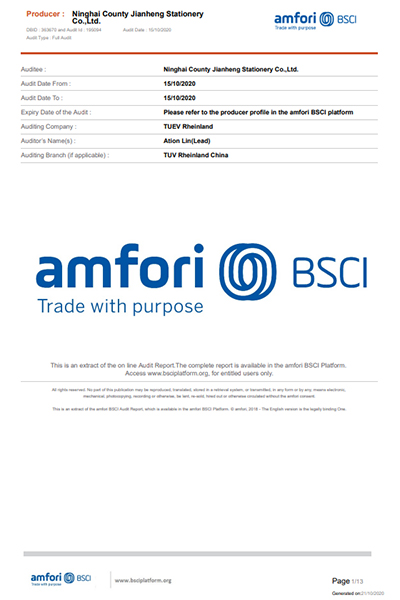
Registered under ISO9001 and audited to meet BSCI standards, ensuring ethical supply chain workflows and consistent production quality.
Every design series is certified to meet CE (LVD/EMC), ROHS, and UKCA standards, helping shipments pass through customs without delay.
Our IP65 and IP68 fixtures undergo high-pressure spray testing to verify water resistance, ensuring long-term performance in outdoor conditions.
Expert answers to common engineering, ordering, and technical integration questions for custom motion solar lights.
PIR (Passive Infrared) sensors detect heat signatures from humans and animals, minimizing false triggers from wind or falling leaves. Microwave sensors detect moving objects through physical barriers using radar. PIR is generally preferred for outdoor walls to conserve battery, while microwave sensors are suited for high-security areas where detection through light obstacles is required.
LiFePO4 (Lithium Iron Phosphate) batteries offer more than 3,000 charge cycles, compared to 500–800 cycles for traditional Li-ion. They also maintain stability in extreme temperatures (-20°C to +65°C) and reduce thermal runaway risks, helping to extend the operational life of outdoor solar fixtures.
Our OEM services cover housing color, custom branding, and custom PCB programming (such as brightness profiles and dimming delays). We can also adjust battery capacities, integrate higher-efficiency monocrystalline panels, and design custom retail packaging to match your brand requirements.
Our smart models feature dimming algorithms that balance battery consumption when solar input is low. When the battery charge drops, the system dims ambient standby lighting while keeping the motion detection alert active to ensure security coverage.
For standard designs, our MOQs start at 200–500 units, depending on the model. Fully customized designs may require higher MOQs. After design approval, mass production lead times average 25 to 35 days, and rapid prototypes are delivered within 7 days.
Quality control begins with raw material verification and continues through SMT line testing, IP climate chamber checks, and manual inspections. Finished goods undergo functional testing prior to final export packaging.
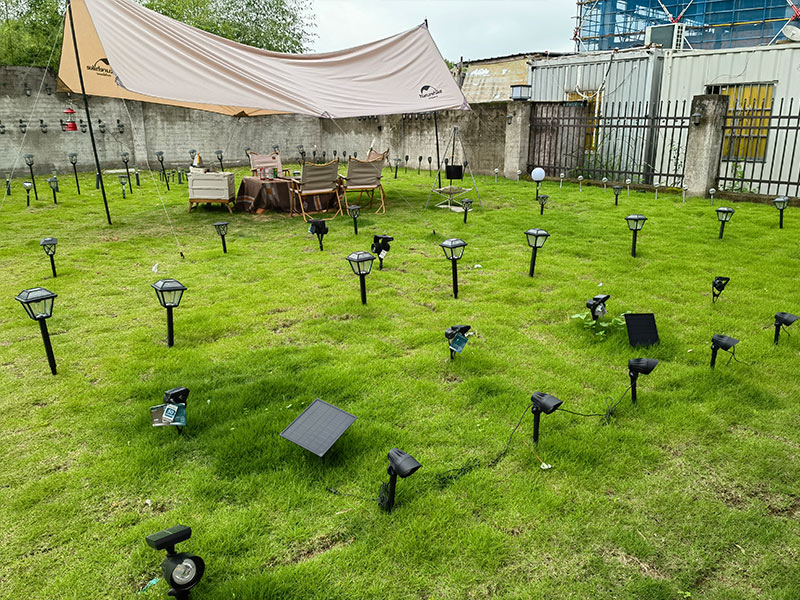
Explore our broader product catalog, including step warning lights, lawn spotlights, decorative accents, and residential solar systems.
 Jianheng