Architectural grade engineering designed for long-term outdoor survival, high luminous efficiency, and robust weather adaptability.
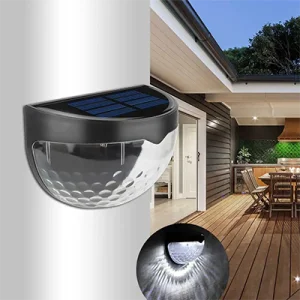
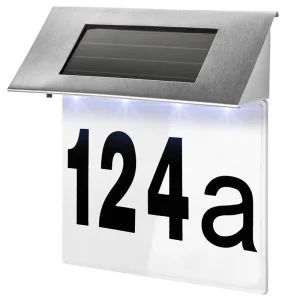
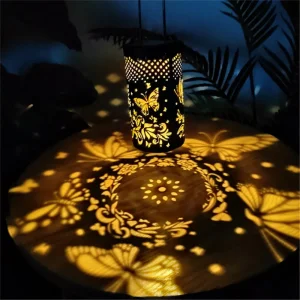
The global transition toward sustainable energy has transformed solar street lighting from a simple grid-independent alternative into a highly sophisticated element of smart urban infrastructure. Historically deployed as low-power illumination for remote, grid-deficient pathways, modern photovoltaic installations now demand multi-night autonomy, high-capacity lithium iron phosphate (LiFePO4) storage chemistry, and integration with the Internet of Things (IoT).
Today, multinational enterprises and municipal planners require customizable architectures that survive severe climatic events, including category-5 typhoons, high-salinity marine environments, and sub-zero Arctic temperatures. Modern installations rely on monocrystalline PV cells with transformation efficiencies exceeding 22% and smart controllers leveraging MPPT (Maximum Power Point Tracking) algorithms to maximize output even in sub-optimal ambient light conditions.
Years OEM/ODM Experience
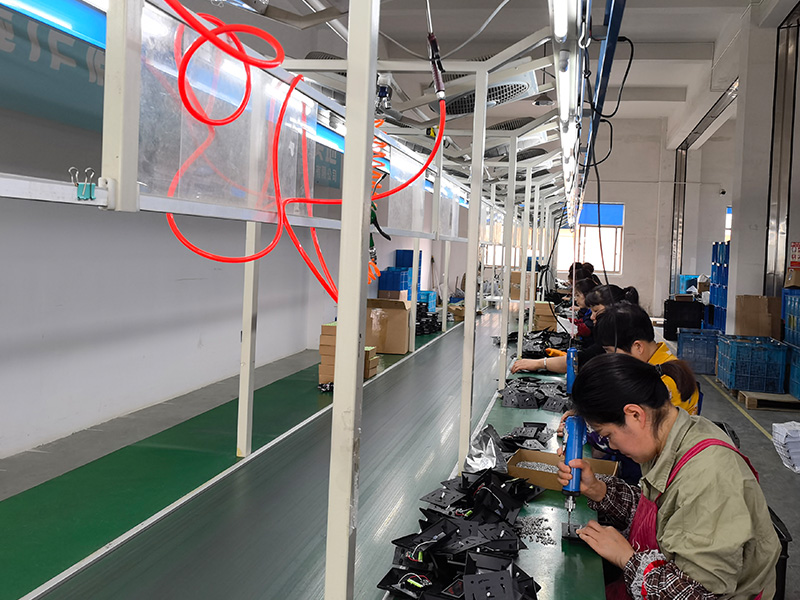
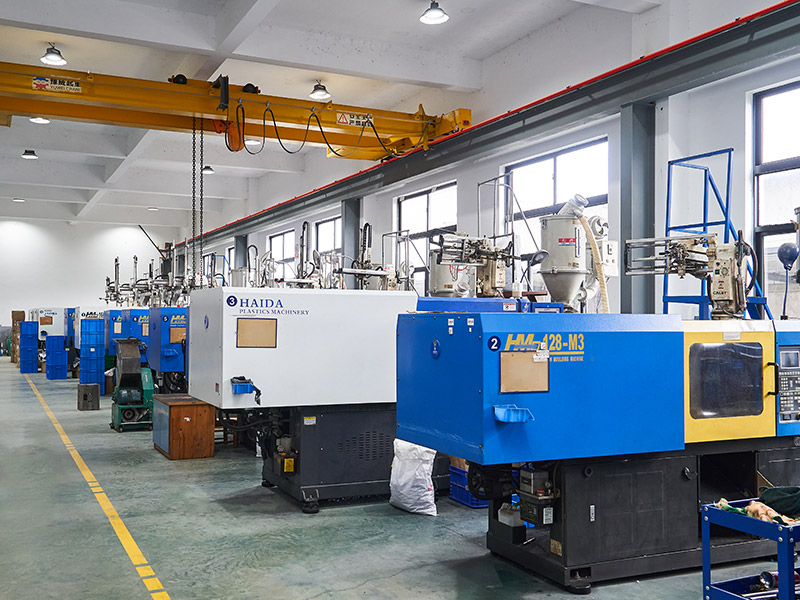
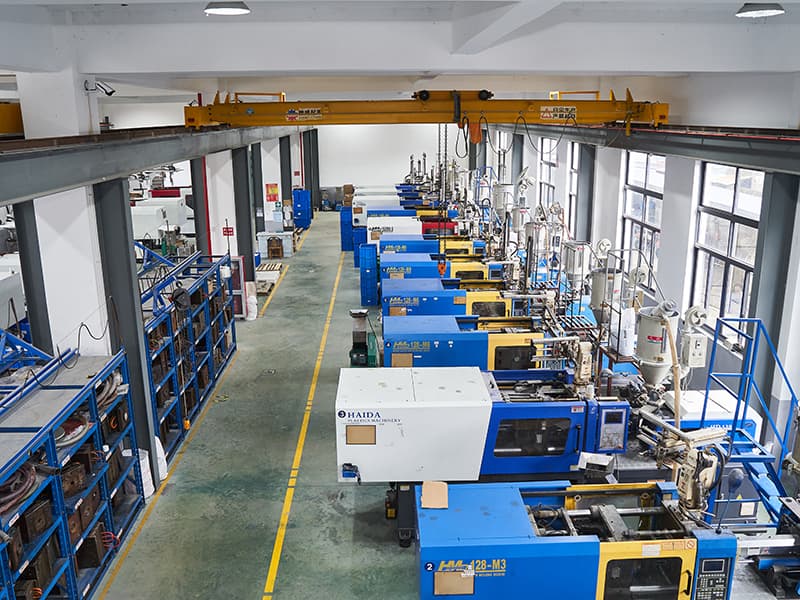
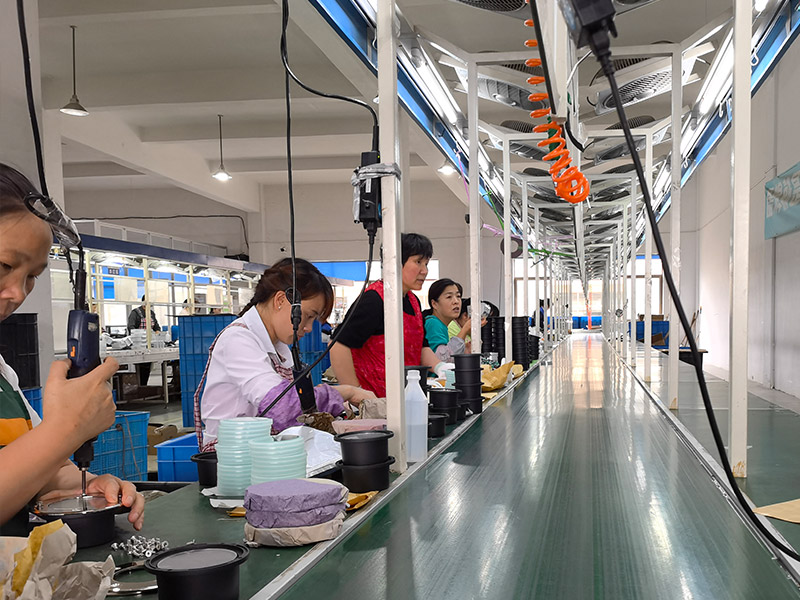
Advanced Production Area
Skilled Technical Workers
Certified Management Systems
A twenty-year footprint in solar engineering, producing high-performance street, flood, and pathway lighting systems.
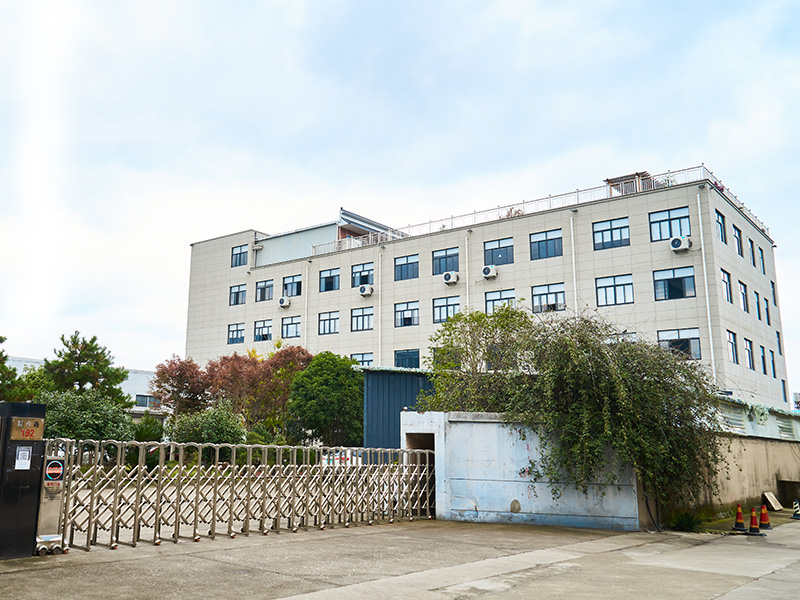
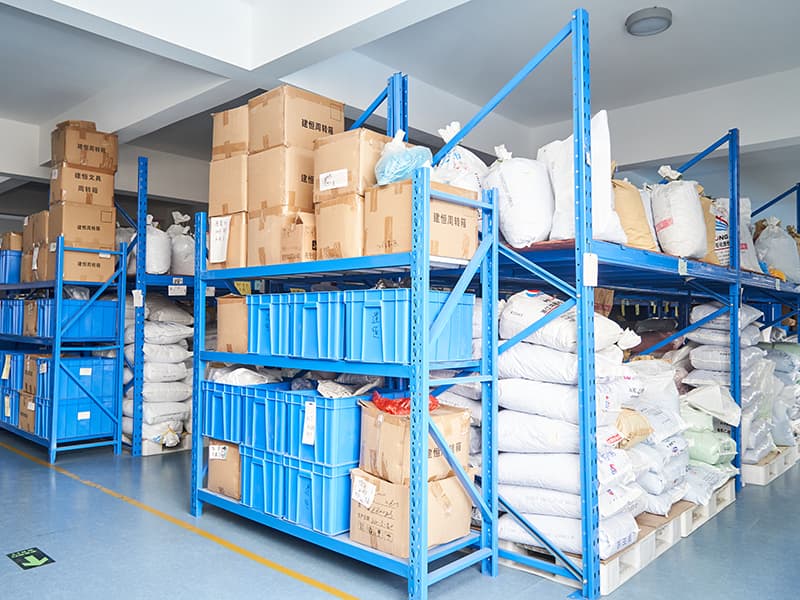
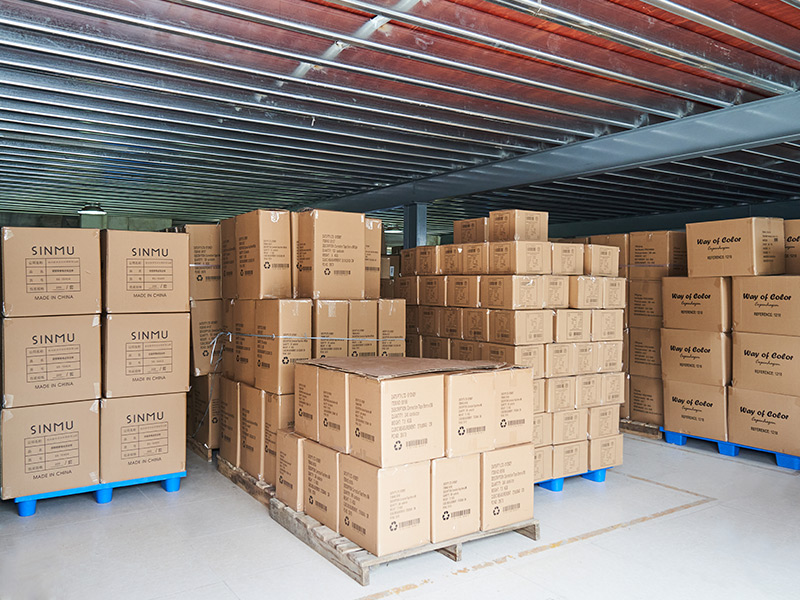
Operating a modernized facility covering 10,750 square meters in Ningbo, China, we bridge the gap between heavy industrial manufacturing and bespoke custom design. Our skilled staff of 105 technicians and operators collaborates with our technical export office to manage complex global specifications. From drafting initial CAD profiles to the final execution of custom optics, our engineering division supports commercial procurement with a fast 7-day physical proofing cycle, allowing rapid refinement before high-volume runs.
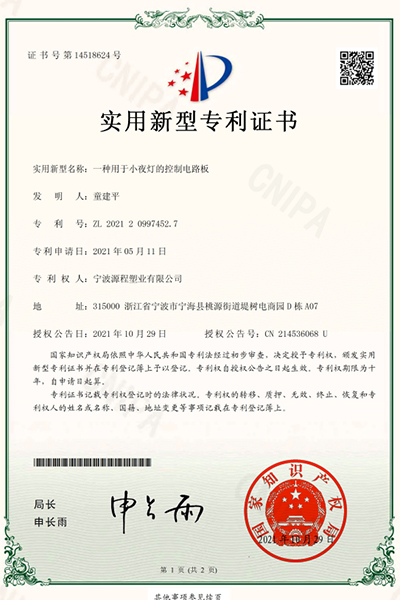
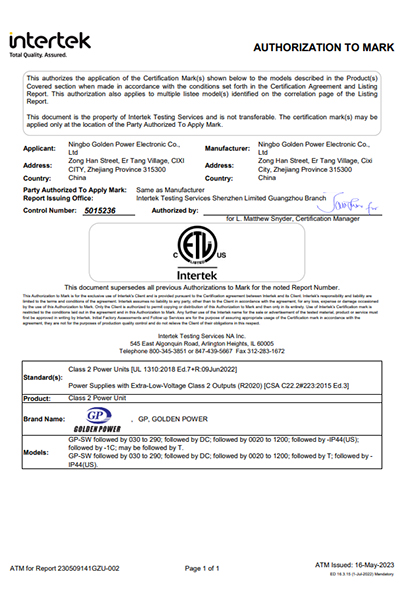
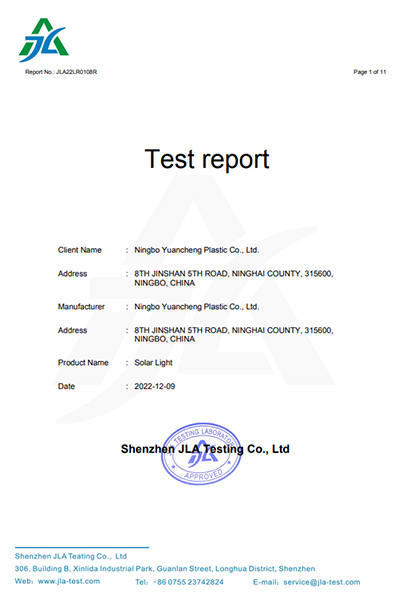
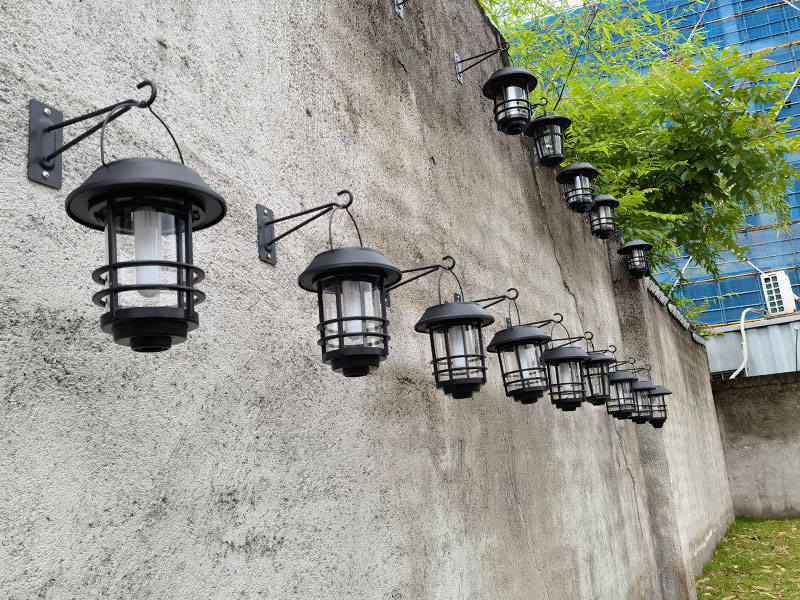
Analyzing how industrial clustering in Zhejiang province facilitates competitive lead times and deep materials control.
Utilizing local components ecosystems, we translate specifications into functional physical models in 168 hours or less, accelerating tender submission schedules for international clients.
Our location in Ningbo links us to primary solar wafer suppliers, battery management circuit builders, and raw aluminum casting providers, reducing transit friction and volatile raw material margins.
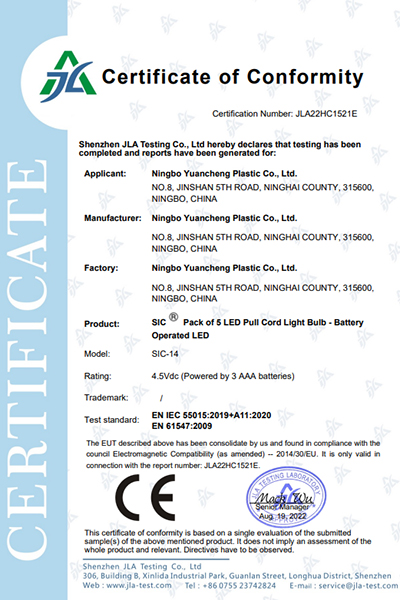
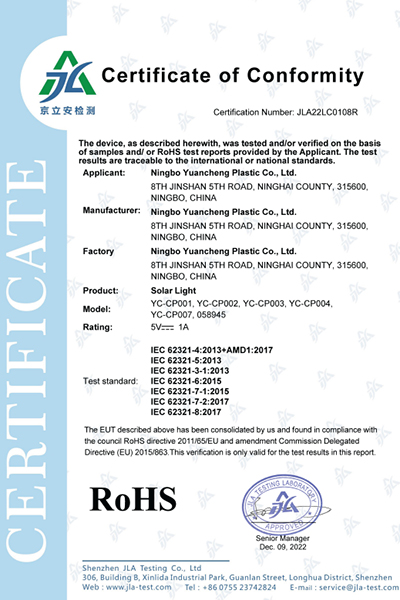
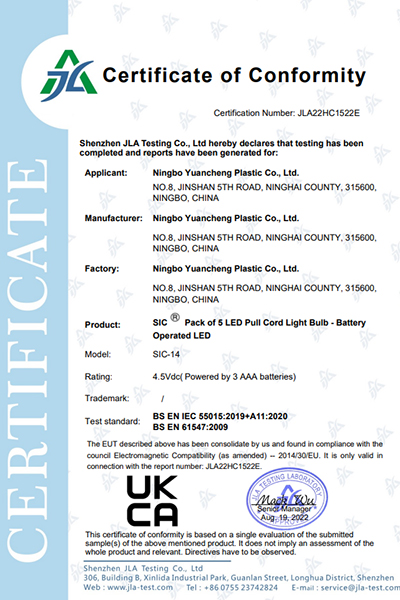
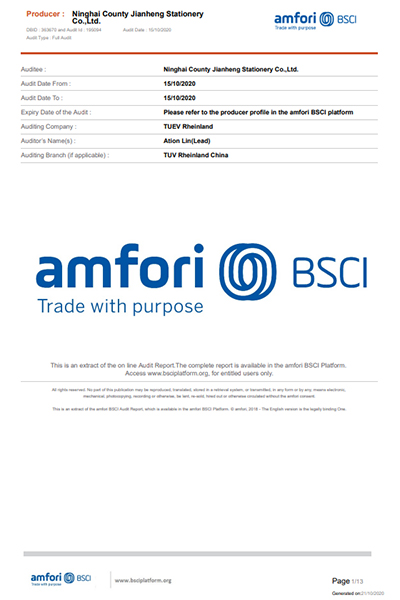
We combine manufacturing scale with strict compliance. Our facility is certified to ISO9001 and audited by BSCI, and our product line holds CE, RoHS, and UKCA certifications for entry into mature markets.
Engineering outdoor products requires systematic prevention of degradation under thermal stress, moisture intrusion, and UV wear. In our specialized laboratories, each customized solar street light batch undergoes key testing procedures:
1. Thermal Cycling & Environmental Chambers: Batteries and MPPT controller modules undergo tests from -30°C to +75°C to prevent thermal runaway in hot climates and capacity drop-offs in freezing conditions.
2. Ingress Protection (IP) Validation: Using specialized high-pressure spray rigs, our enclosures are certified to IP65, IP66, and IP67 ratings, ensuring they withstand heavy storms and sandstorms without seal failure.
3. Optical & Integrating Sphere Analysis: Every luminaire is calibrated for luminous flux, color rendering index (CRI), and spatial beam distribution, ensuring compliance with international road and highway safety criteria.
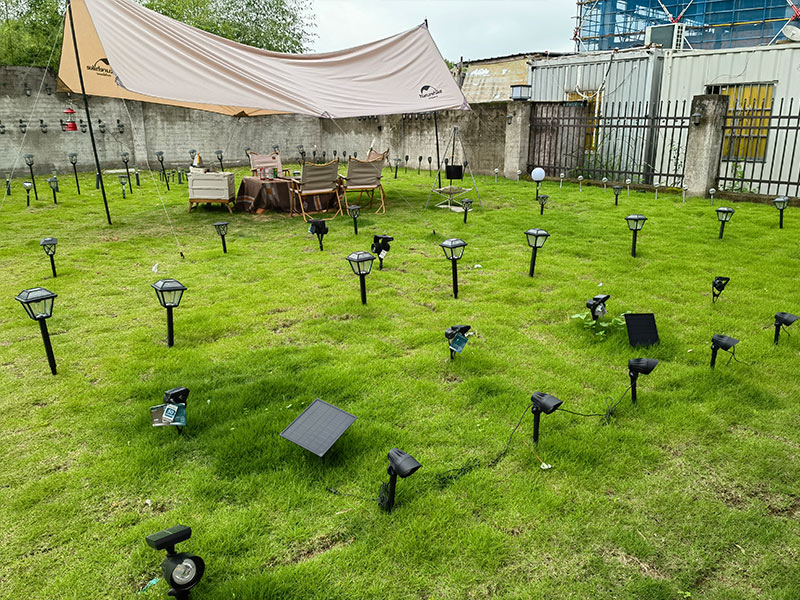
Adaptable configurations designed for specific climate challenges and regional infrastructure profiles.
Configured with heavy-duty heat sinks and dust-repellent solar panel coatings. Uses MPPT controllers capable of managing battery storage parameters up to 65°C without system degradation.
Features powder-coated aluminum chassis with anti-salinity anodization and IP68 sealed battery enclosures to protect against salt air, high moisture, and sea spray corrosion.
Configured with larger monocrystalline solar panels and custom smart dimming programs. Maximizes runtime during winter seasons when daytime solar insolation drops.
When engineering custom solar street lights, professional buyers look beyond simple wattage ratings. Our consulting engineers recommend analyzing system performance based on three core parameters:
Lower-quality systems run 100-watt LED engines at only 110 lumens per watt (lm/W), consuming stored power quickly. We construct custom systems using Lumileds or Bridgelux chips, yielding up to 180 lm/W - 210 lm/W. This produces equivalent light output while using less power, which helps reduce the required size and cost of the solar battery and panel.
We design our power storage systems around lithium iron phosphate (LiFePO4) chemistry. Standard NMC lithium-ion cells can wear down quickly under high heat, whereas our industrial LiFePO4 cells support over 3,000 charge cycles at 80% Depth of Discharge, providing a service life of over 8 years in the field.
Our products incorporate smart dimming profiles and radar motion sensors. By dimming the light output during periods of low activity and ramping back to 100% when movement is detected, systems can achieve up to 5 nights of continuous operation on a single charge.
Global procurement teams must confirm key credentials when auditing factory partners. Use this checklist during your next review:
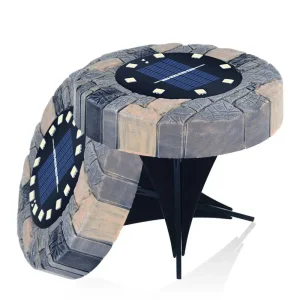
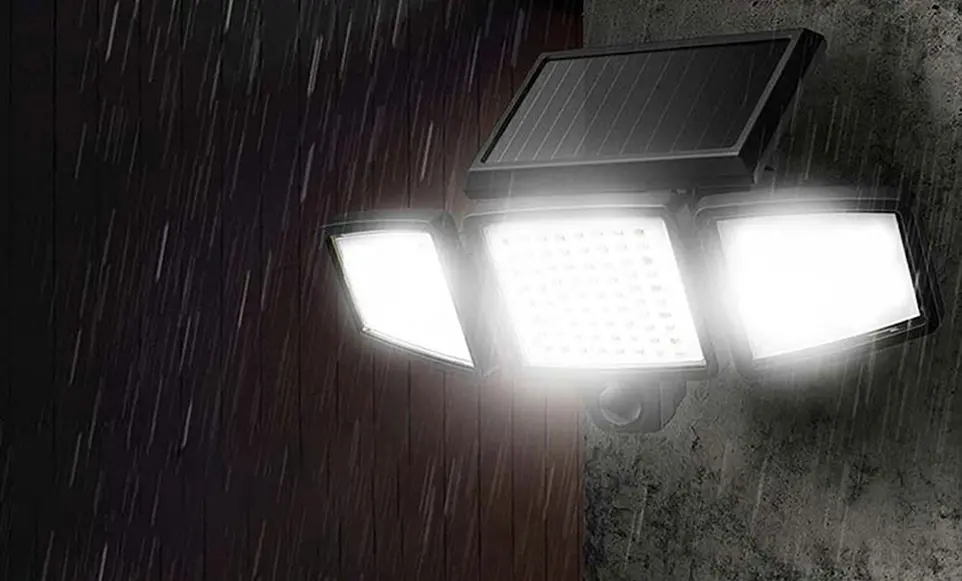
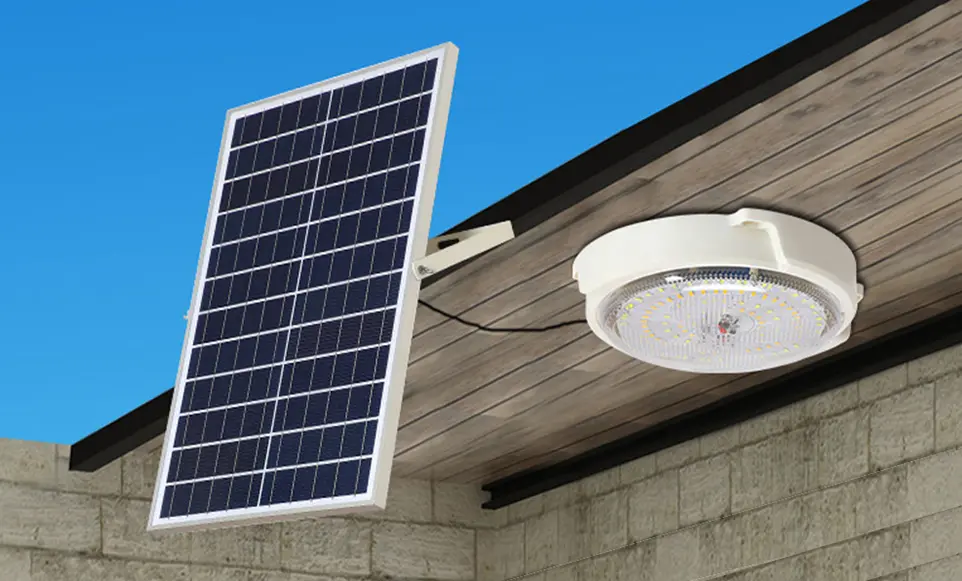
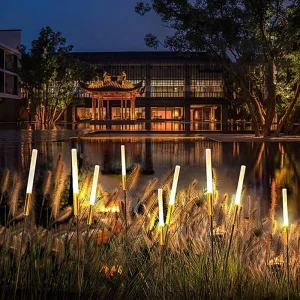
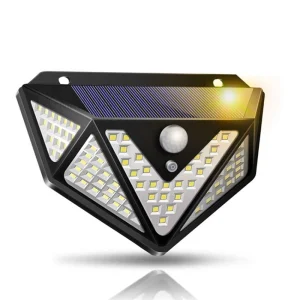
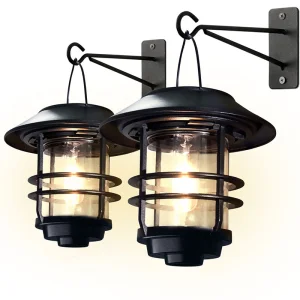
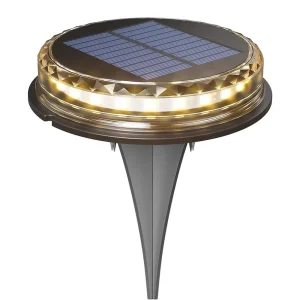
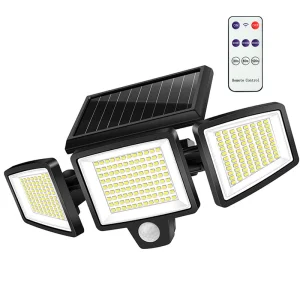
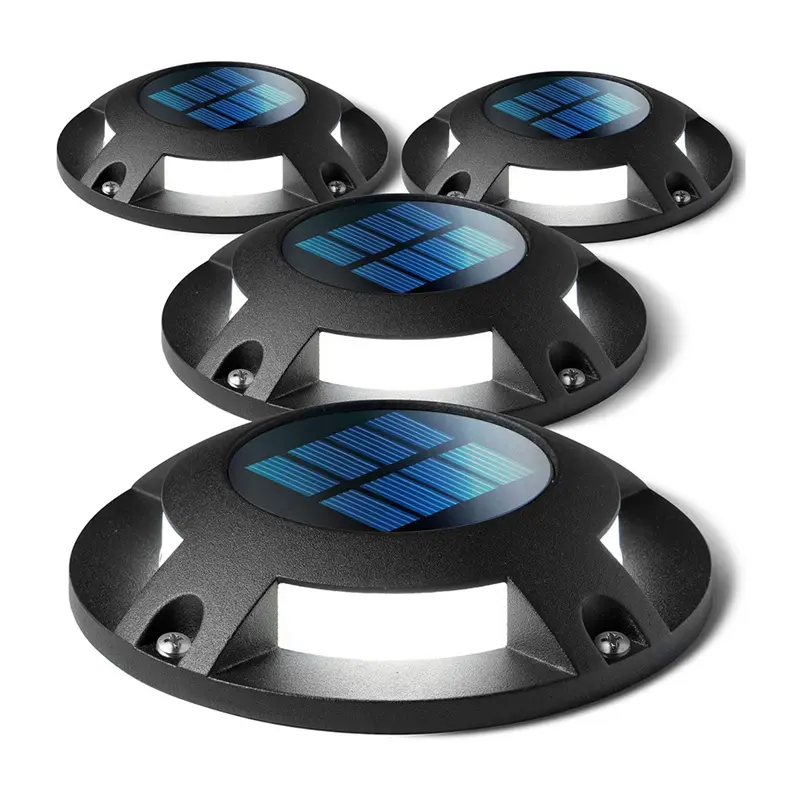
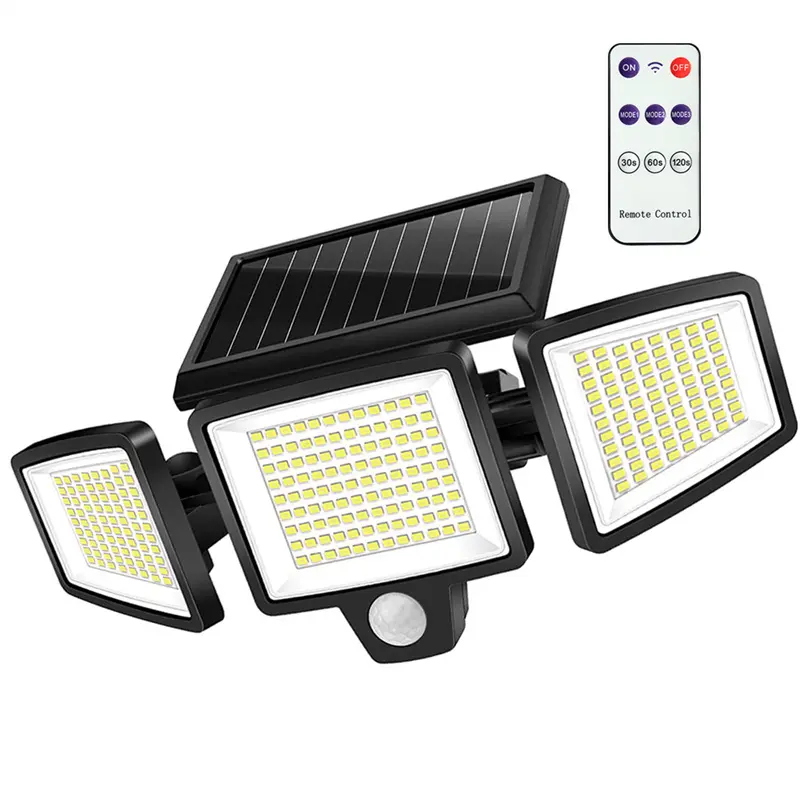
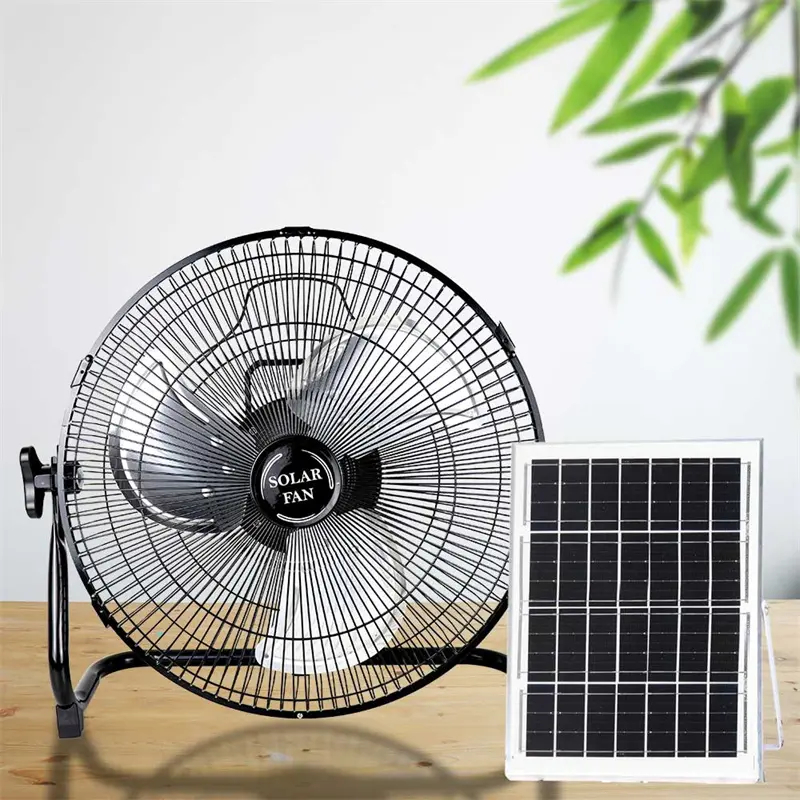
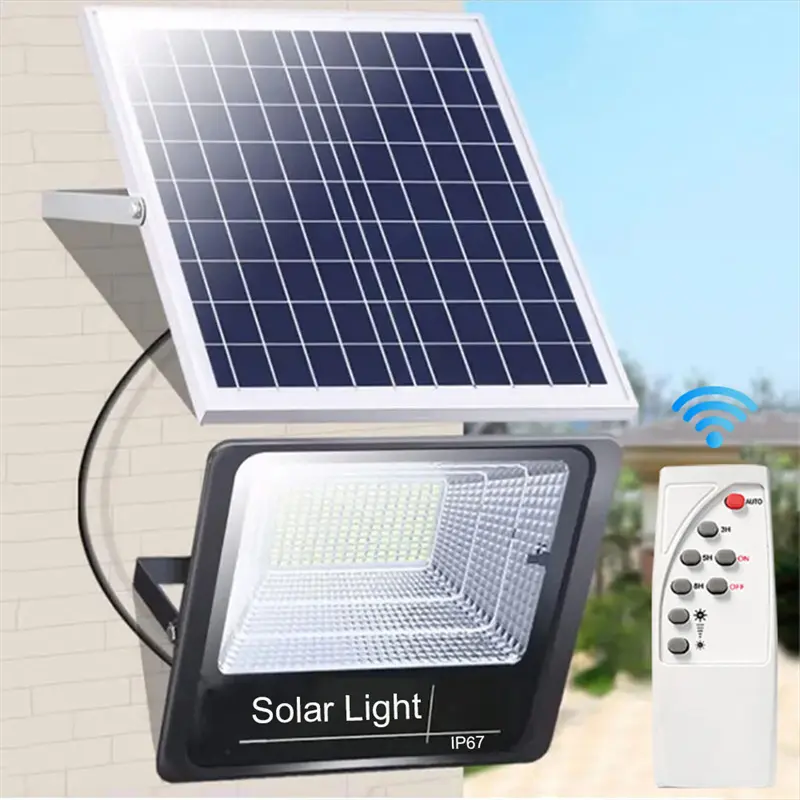
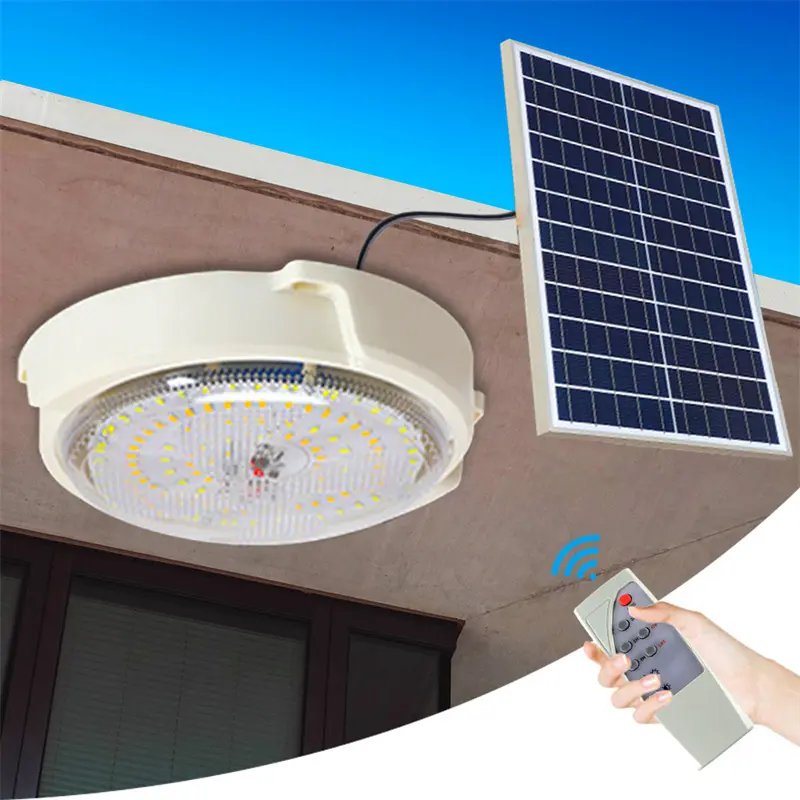
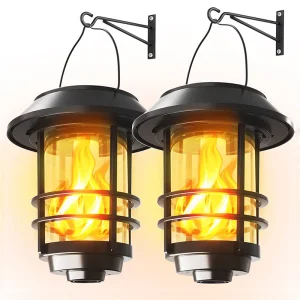
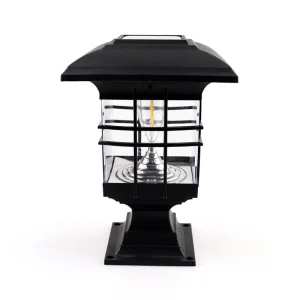
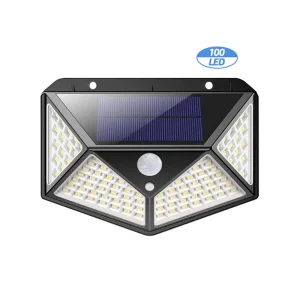
Exploring high-performance specifications across our specialized residential, landscape, and security product lines.
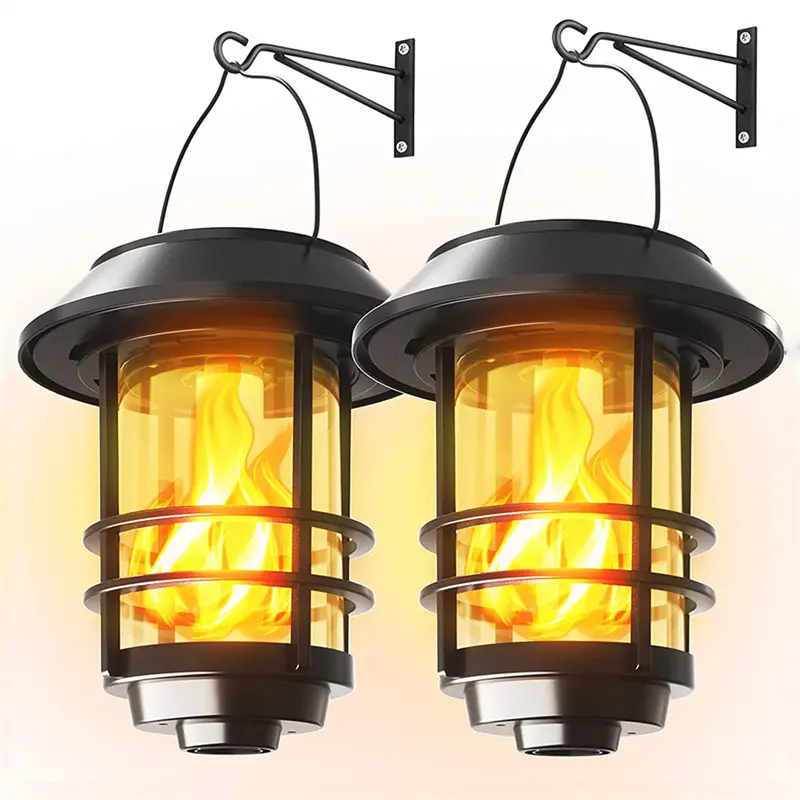
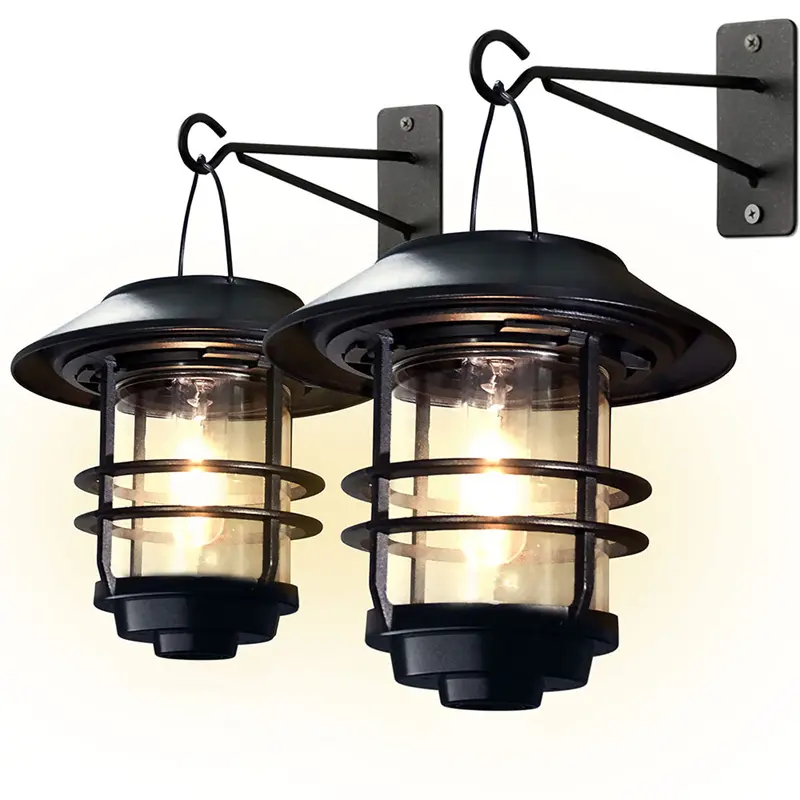
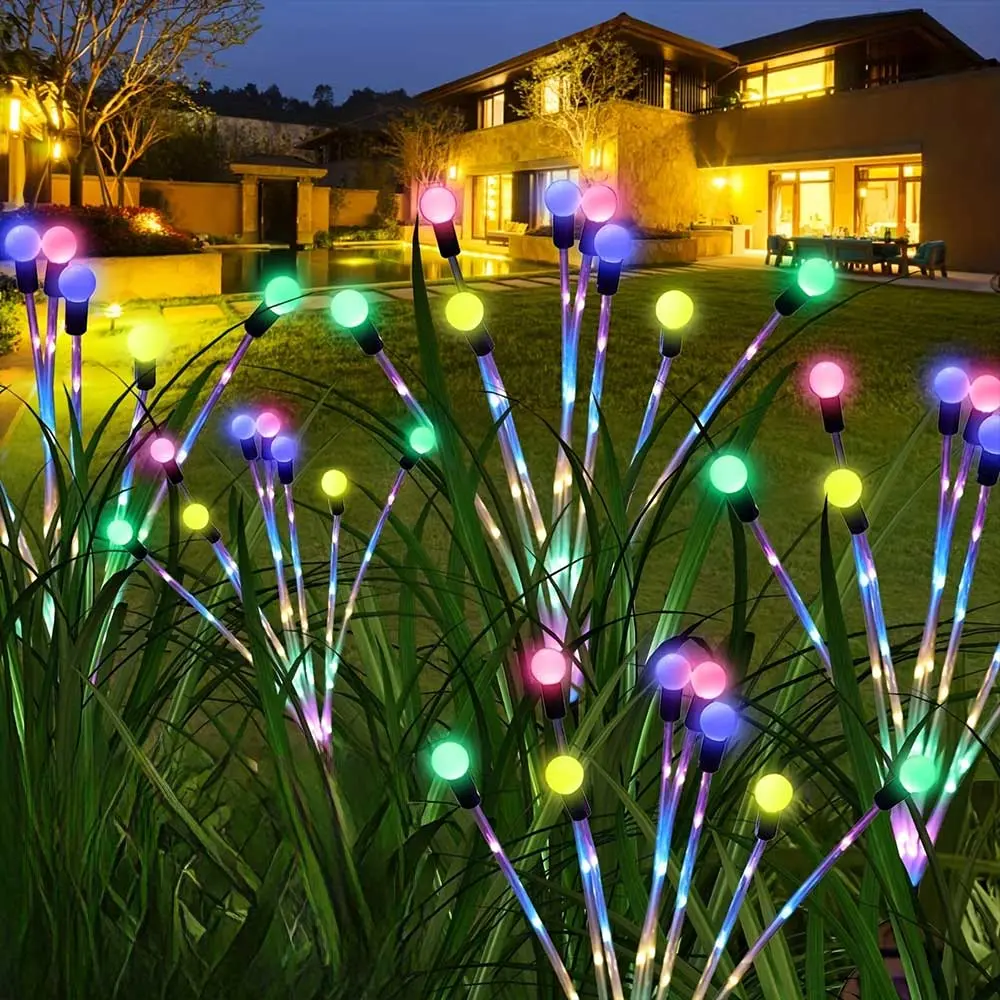
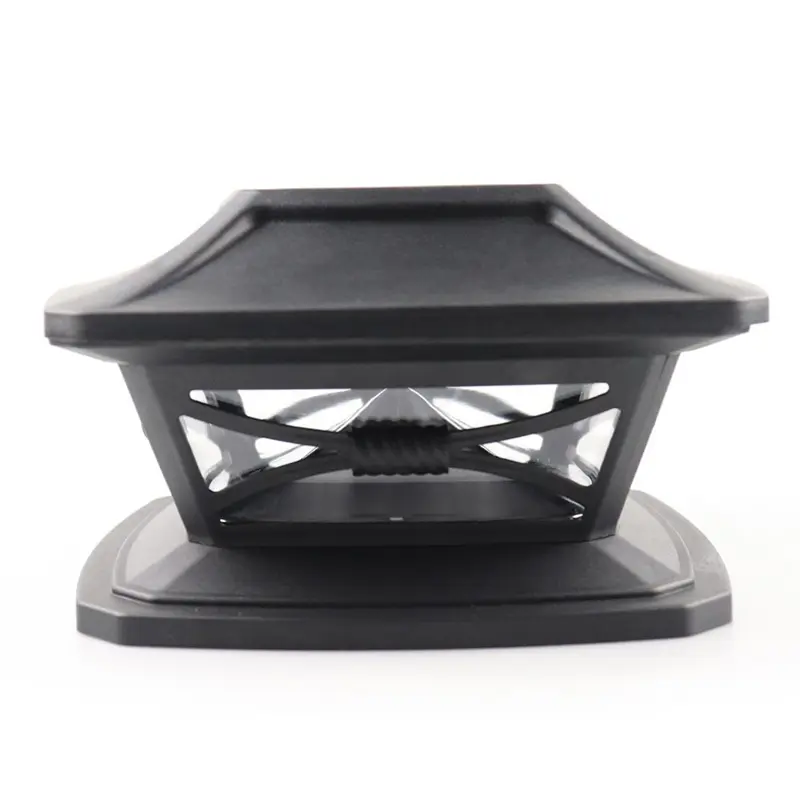
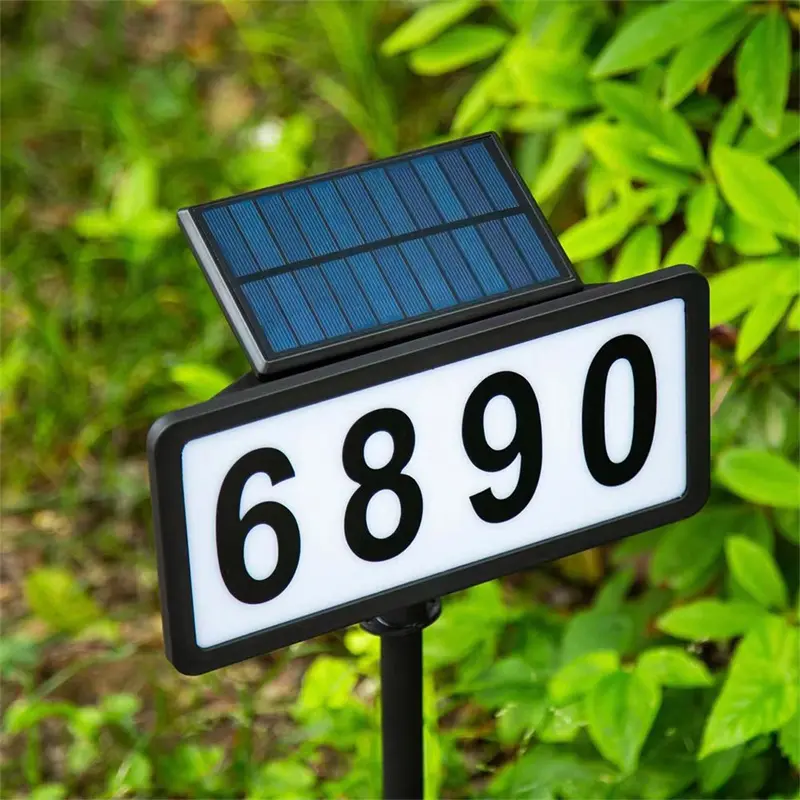
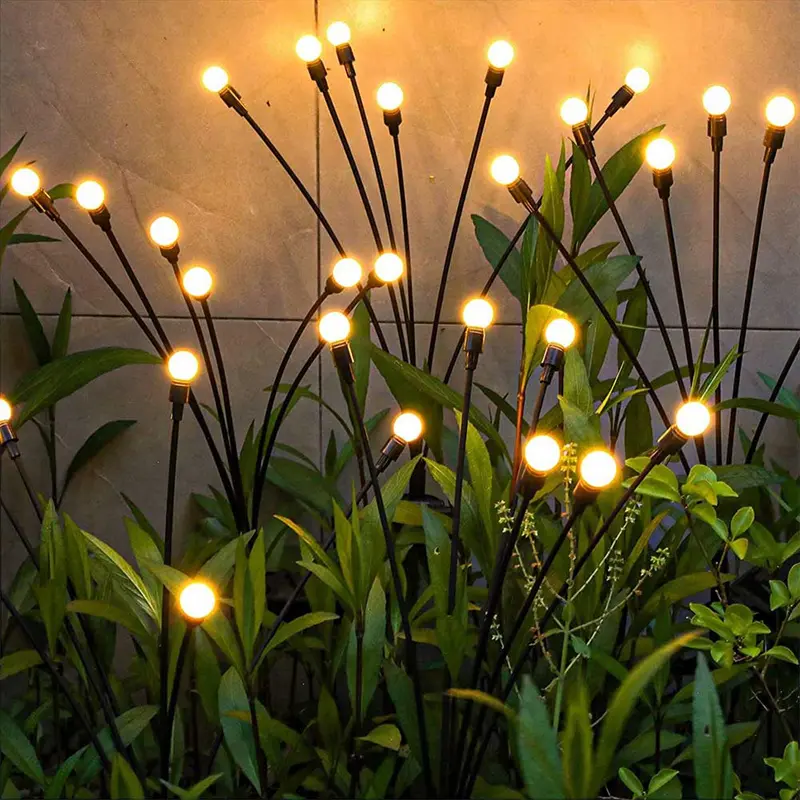
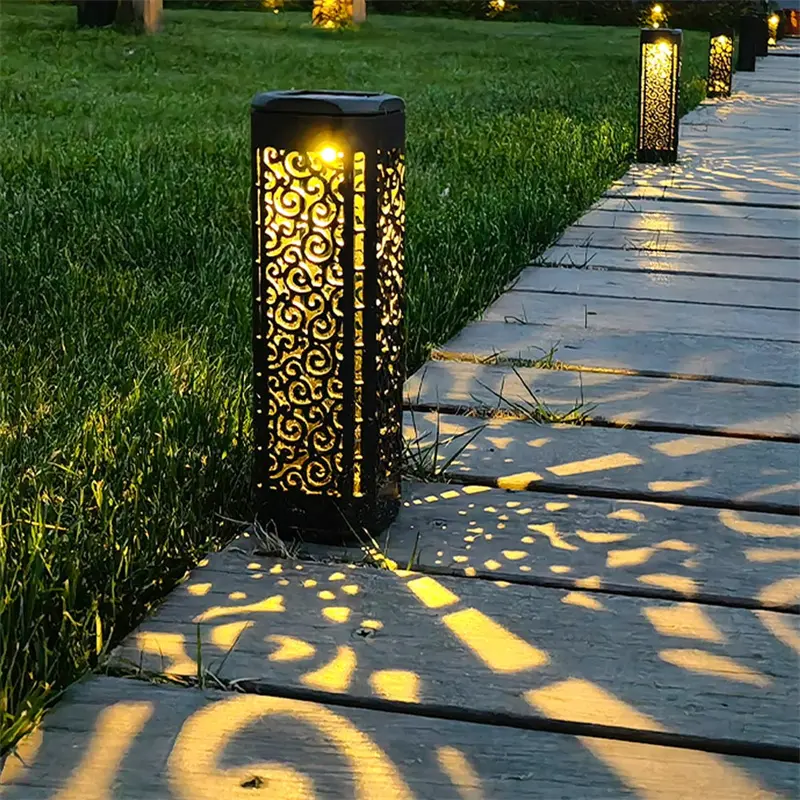
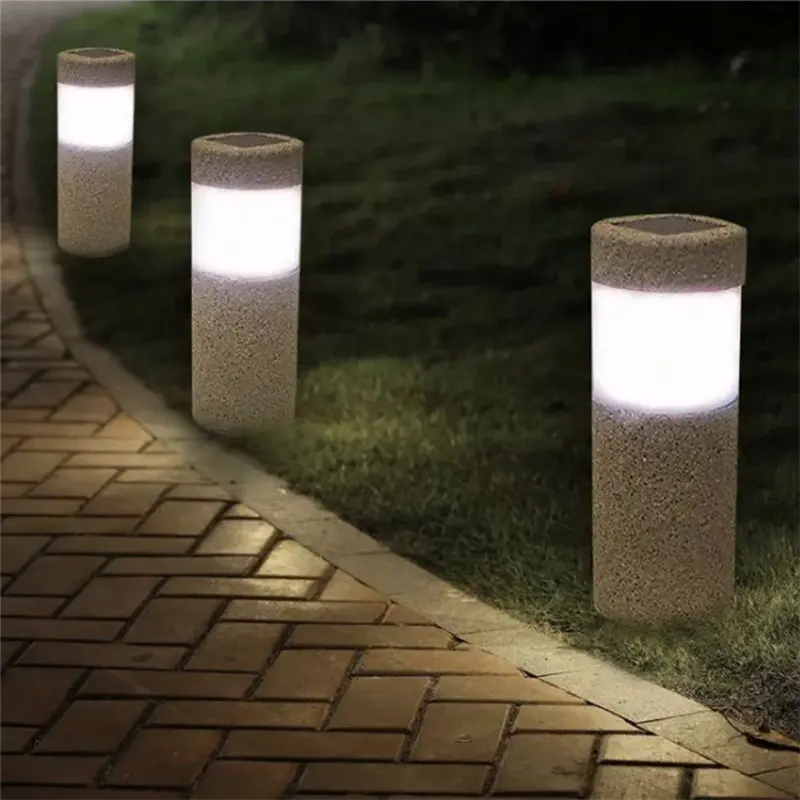
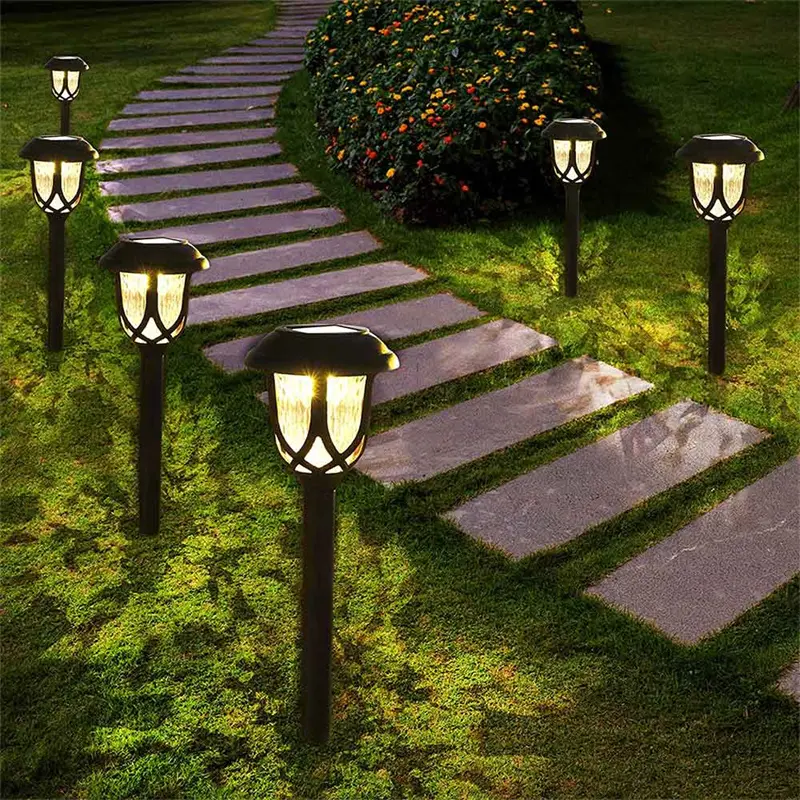
Direct answers from our engineering division on customization parameters, structural integrity, and warranty details.
Monocrystalline panels utilize high-purity silicon, allowing conversion efficiencies of 20% to 22%. In comparison, polycrystalline panels achieve only 15% to 17% efficiency. This higher performance is critical for municipal installations with limited pole surface area, particularly in northern latitudes with low winter solar insolation.
LiFePO4 (Lithium Iron Phosphate) offers superior thermal stability, safety, and lifespan compared to standard ternary lithium (NMC) batteries. Our batteries support over 3,000 deep discharge cycles at 80% DoD and operate reliably in high-temperature environments without the risk of thermal runaway.
Yes. Our engineering division conducts structural finite element analysis (FEA) to ensure poles, brackets, and fixtures comply with regional wind velocity criteria. This allows our installations to withstand typhoons and high-wind environments.
Clients provide their specific functional parameters, target lux distribution, and dimensional requirements. Within 7 days, our prototyping shop uses rapid tooling and 3D printing of structural plastics or alloys to produce a test-ready sample for validation.
Our structures undergo rigorous pickling and passivation, followed by electro-galvanization and outdoor-grade polyester powder coatings. Internal electronics are sealed with anti-corrosive conformal coatings to protect against high salinity and moisture.
Our manufacturing facility is audited under BSCI and certified to ISO9001 standards. Our complete products hold CE, RoHS, and UKCA certifications, ensuring compliance with international regulatory bodies.
MPPT (Maximum Power Point Tracking) controllers monitor solar panel output dynamically, adjusting electrical operating points to deliver up to 30% more power to the battery compared to traditional PWM models, which is especially useful during overcast weather.
Yes. We offer smart controllers that support customizable multi-timeframe dimming profiles and sensor integration, alongside IoT communication modules (such as LoRaWAN or NB-IoT) for centralized web management.
Following initial sample approval, standard manufacturing schedules run from 25 to 35 days, depending on custom components and casting requirements. Our logistics team handles direct transport and loading at Ningbo port.
We provide a 3 to 5-year replacement warranty on structural parts, LED engines, solar panels, and batteries, backed by detailed failure analysis and replacement parts support from our technical service team.
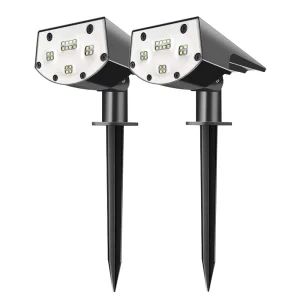
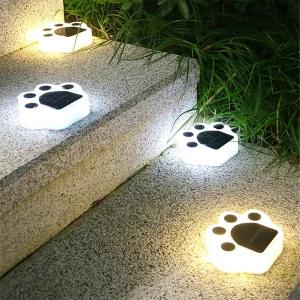
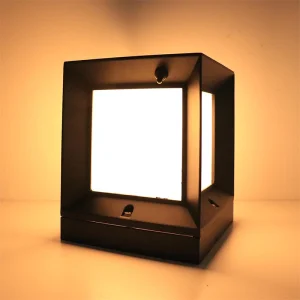
Browse the second phase of our outdoor-rated security and garden lighting catalog, featuring advanced LED arrays and high-capacity battery units.

 Jianheng