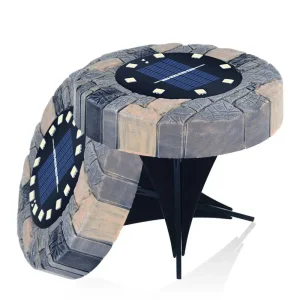
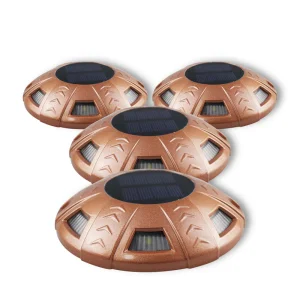
Explore our custom outdoor residential and commercial clean-energy solutions engineered for high performance and durability.
When procurement executives plan large-scale municipal, highway, or industrial perimeter illumination, understanding the relationship between unit acquisition costs (CAPEX) and total cost of ownership (TCO) over a 10-to-15-year lifecycle is paramount.
The solar panel constitutes approximately 20-30% of the raw custom street light cost. Moving from Polycrystalline (15-17% efficiency) to N-Type Monocrystalline (21-23% efficiency) increases the component cost slightly, but reduces structural framing, pole loading limits, and total installation footprint.
Battery technology is the primary driver of maintenance cycles. Traditional Lead-Acid and Gel batteries last 2-3 years, while modern lithium iron phosphate (LiFePO4) battery packs offer over 3,000 to 5,000 cycles at 80% Depth of Discharge (DoD), yielding a operational lifetime exceeding 10 years and reducing OPEX to nearly zero.
Maximum Power Point Tracking (MPPT) solar charge controllers maintain 98% tracking efficiency, providing 20-30% more energy yield than PWM controllers. Integrating intelligent IoT wireless nodes (LoRa/NB-IoT) for centralized dimming and monitoring increases initial CAPEX, but trims operational cost by 45%.
| System Configuration | Est. Unit Cost (OEM FOB) | Autonomy Days | Optimal Application | Life Expectancy |
|---|---|---|---|---|
| Standard Municipal Grade (30W - 60W LED) | $180 - $350 USD | 3 - 5 Days | Residential Streets, Secondary Urban Roads | 8 - 10 Years |
| High-Intensity Highway Grade (80W - 120W LED) | $400 - $750 USD | 5 - 7 Days | Expressways, Arterial Intersections | 10 - 12 Years |
| Heavy Industrial / Mining Grade (150W+ LED) | $800 - $1,300 USD | 7+ Days | Harbors, High-Security Perimeters, Remote Sites | 12 - 15 Years |
We are at the frontier of renewable energy illumination. Ningbo Jianheng continually integrates the latest advancements in smart-grid and materials science to drive down unit costs while boosting luminous efficacy.
Moving toward TOPCon and HJT solar cells, aiming for raw conversion efficiencies exceeding 25.5%, allowing smaller panels to generate higher Wattages for wind-resistant architectural poles.
Our ongoing R&D is evaluating sodium-ion battery platforms to guarantee temperature resilience in extreme environments (-40°C to +75°C) without performance decay or thermal hazards.
Integrating microwave motion sensors with edge artificial intelligence algorithms to dynamically dim light levels when no traffic is detected, scaling battery autonomy indefinitely.
Developing solar-grid hybrid power units that feedback power to the municipal grid during high solar radiation peak windows and draw power only during multi-week extreme storms.
A reliable, 20-year veteran pioneer in high-performance solar lighting manufacturing, operating state-of-the-art facilities in Ningbo, China.
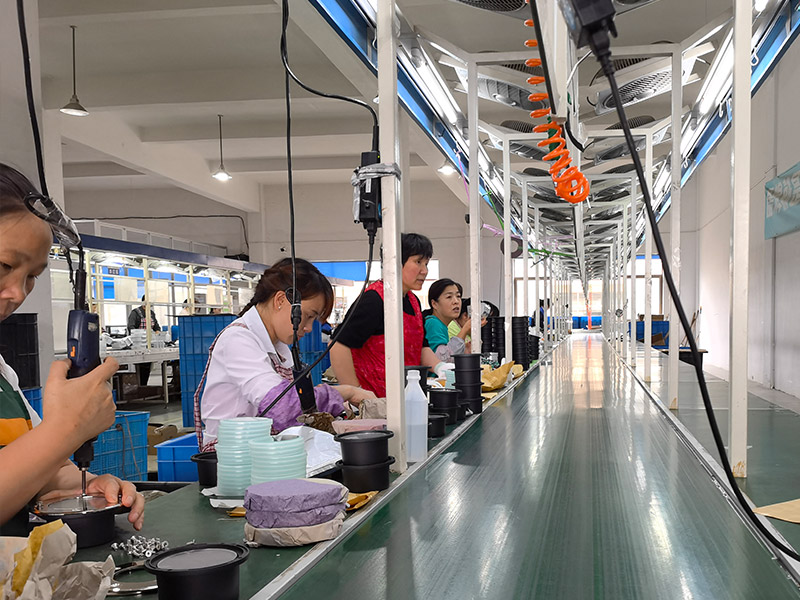
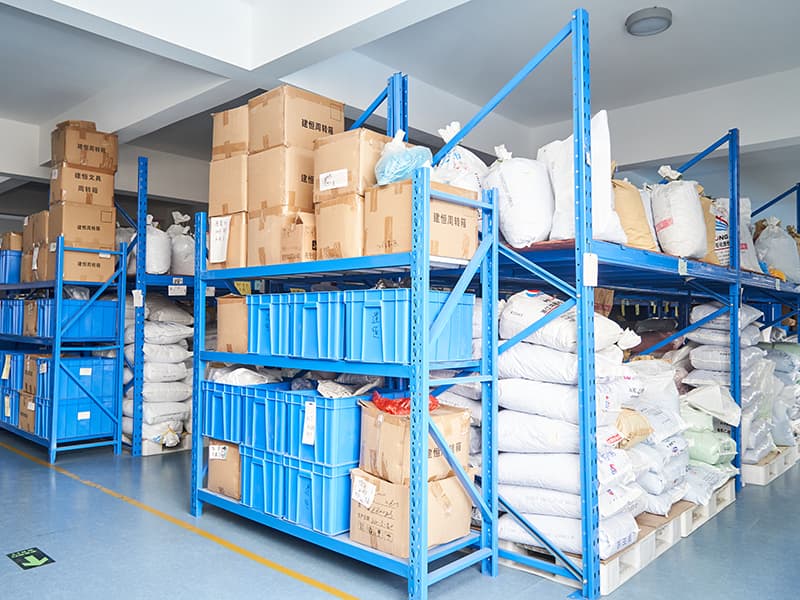
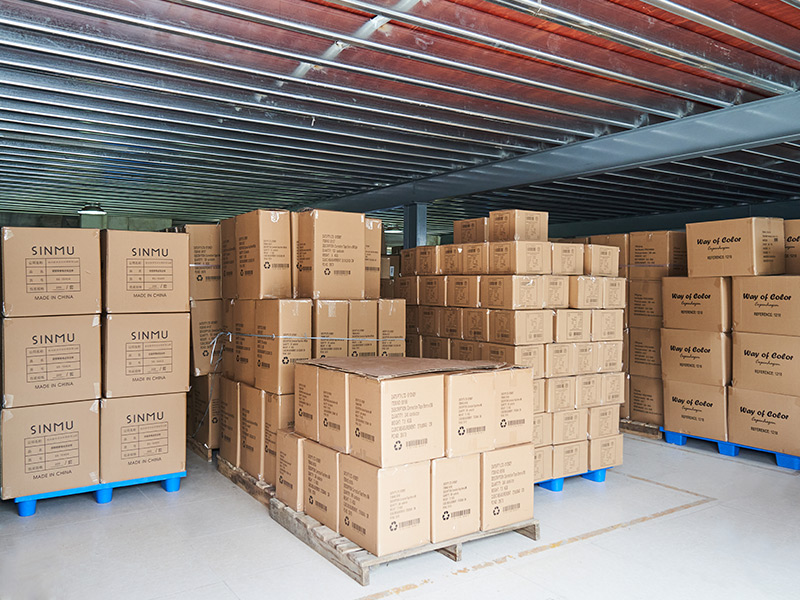
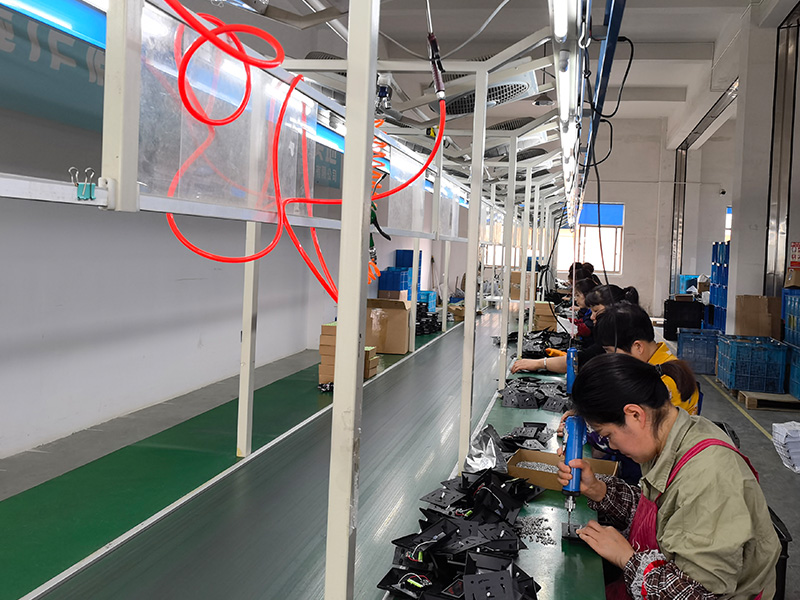
Ningbo Jianheng Import And Export Co., Ltd. is a leading solar lighting manufacturer in China. The factory has a history of 20 years, our company has grown to become one of the most reliable suppliers in the industry. As a pioneer in the field of solar energy, we have been committed to providing innovative and high-quality products to global customers. Our factory covers an area of 10750 square meters and is equipped with modern machines and advanced technology. We employ a team of 105 skilled workers who are dedicated to producing high-quality solar lights to meet the growing market demand. With the help of our 15 office staff, we ensure that every order is processed and delivered in a timely manner.
Under our production facilities, including Ningbo Yuancheng Plastic Co., Ltd., we mainly focus on OEM/OED custom orders. We understand that each client has different needs and requirements, and we strive to provide custom solutions that meet their specific needs. We support 7-day fast proofing service, which enables us to provide customers with accurate and fast quotations.
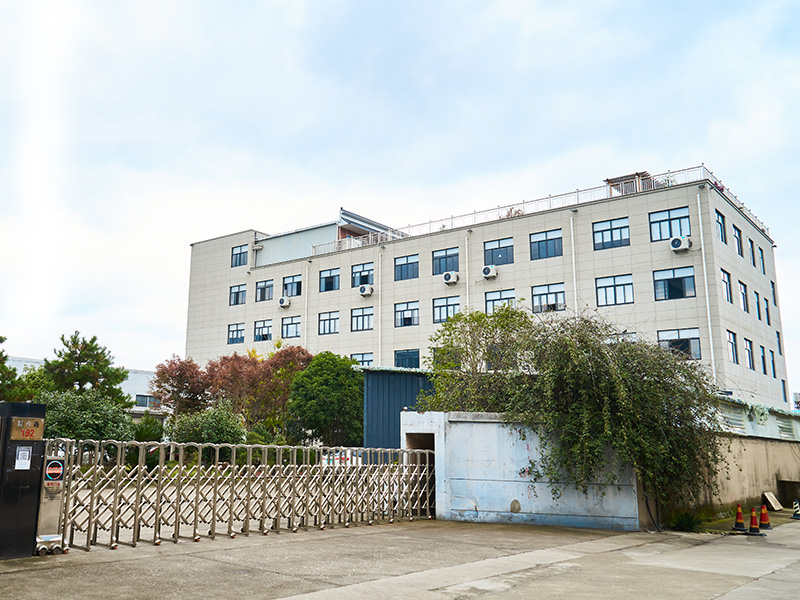
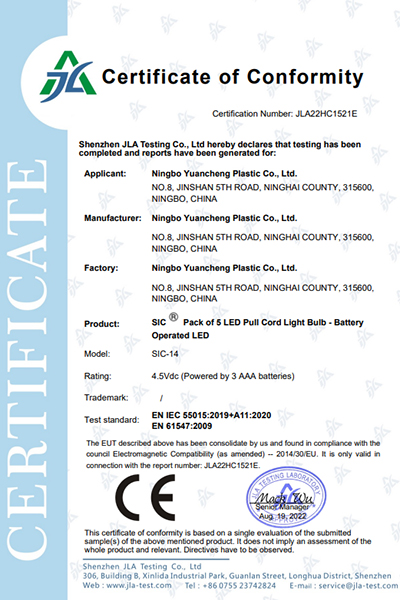
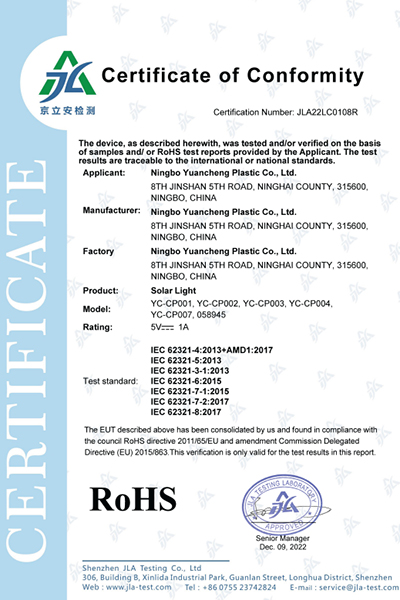
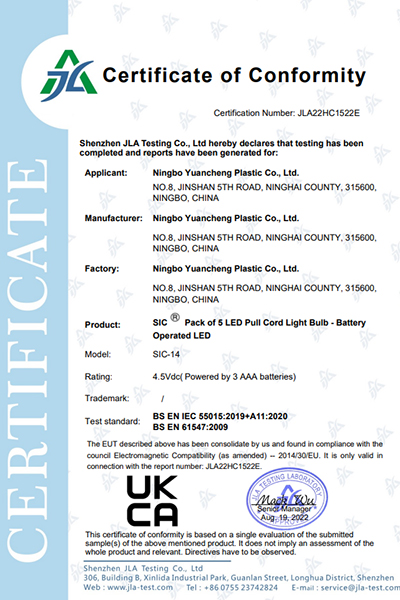
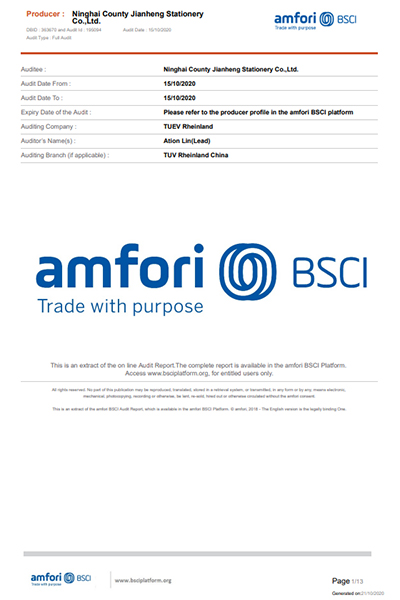
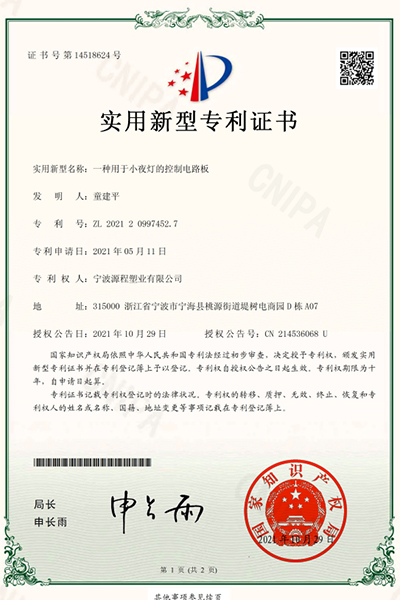
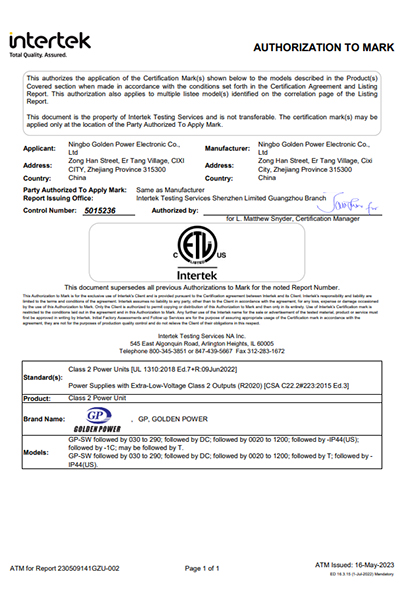
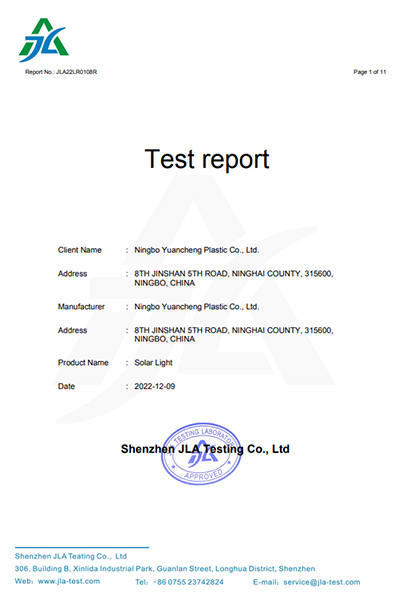
Our engineering division maintains a zero-defect policy, leveraging high-standard raw material screening and advanced aging chambers to ensure outdoor resilience.
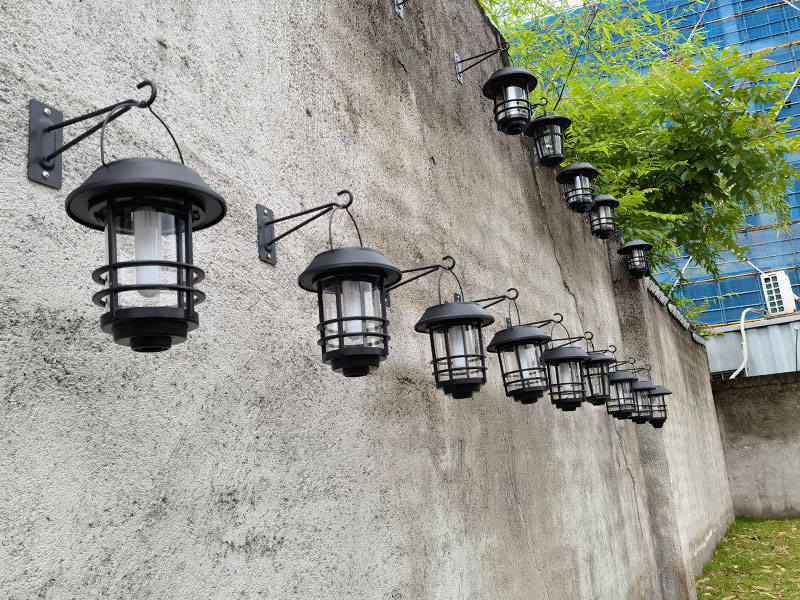
Quality is our top priority. We strictly control the raw materials we use and maintain a complete quality inspection process to ensure that our products meet industry standards. Our factory has passed BSCI certification and ISO9001 certification, and our products have CE, ROHS, UKCA certification. We take pride in being able to provide our customers with quality and reliable solar lights.
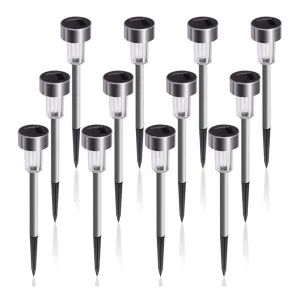
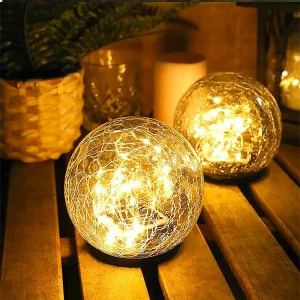
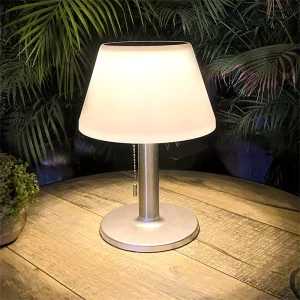
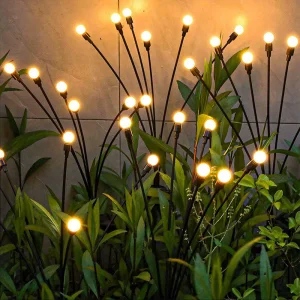
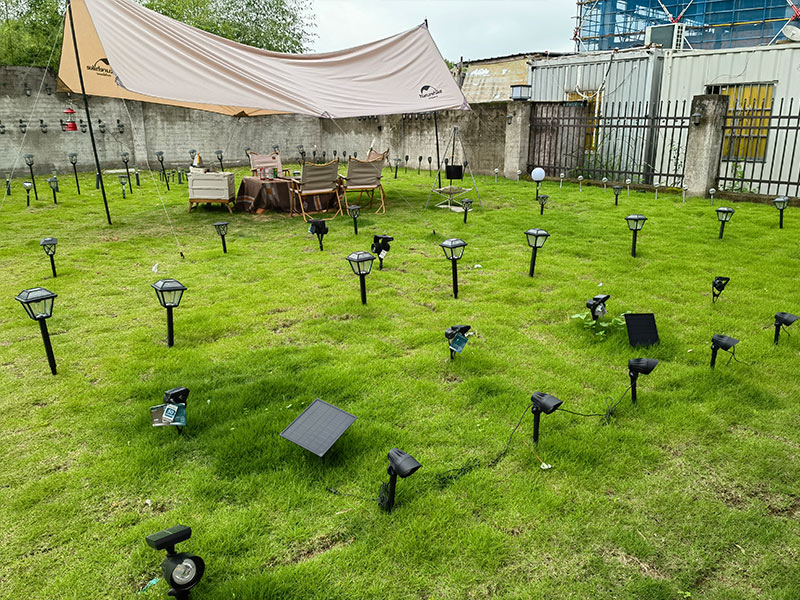
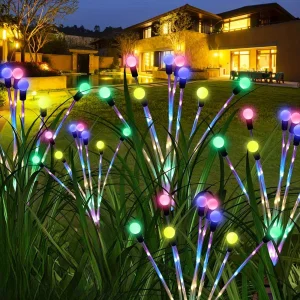
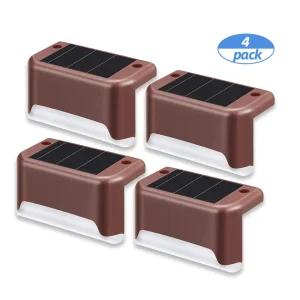
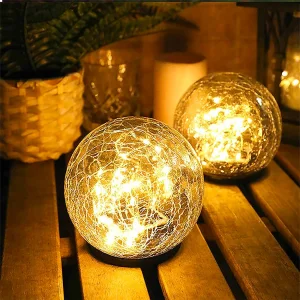
We offer a wide range of solar lights, including solar garden lights, solar street lights, solar flood lights, solar bug zappers and solar ground lights. Our solar lights are designed to be energy efficient, environmentally friendly and durable. They are perfect for use in gardens, parks, streets and other outdoor areas. Our solar lights provide reliable lighting solutions you can rely on.
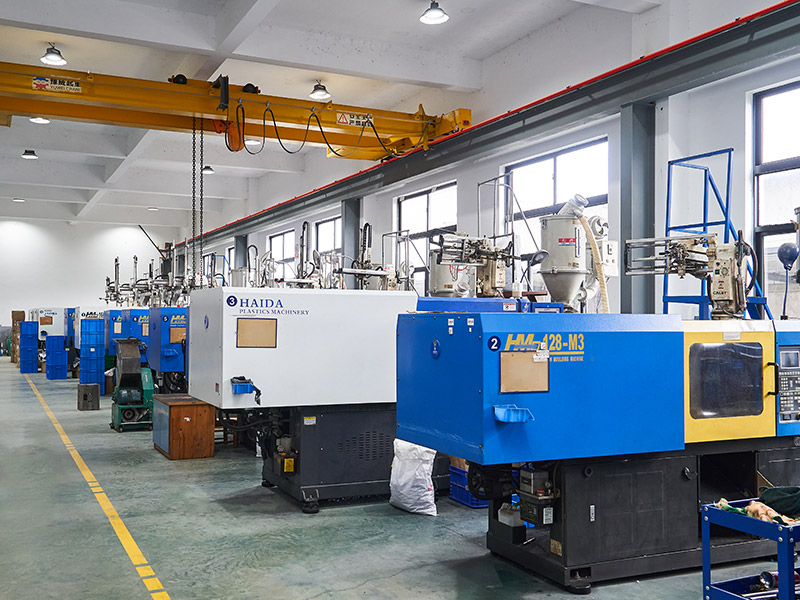
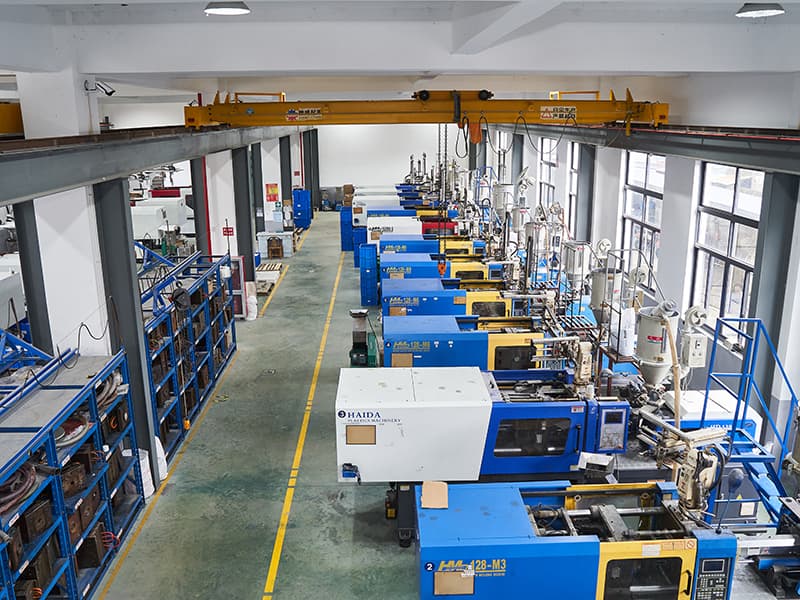
Deploying solar street light systems globally requires compliance with regional electrical codes, structural integrity limits, and wind load thresholds.
Our custom steel and aluminum poles are structurally simulated using finite element analysis (FEA) to endure extreme wind environments (up to 160km/h), adhering to regional building safety specifications across North America and Europe.
Every street lighting luminaire undergoes automated vacuum pressure testing to secure IP66 ingress protection, preventing dust, humidity, and tropical downpours from degrading internal driver components.
For seaside road structures and port perimeters, we utilize hot-dip galvanization and standard C5-M marine-grade powder coatings to resist saline atmospheric corrosion, extending pole lifespans by up to 15 years.
By operating our vertical plastic injection facilities under Yuancheng Plastic alongside our steel fabrication units, Ningbo Jianheng avoids the standard sub-contracting markups that inflate global street light pricing.
Ningbo's location adjacent to the world's premier shipping hub allows direct sourcing of steel, aluminum extrusions, and bulk lithium-carbonate raw materials, insulating our operations from sudden logistics bottlenecks.
With our 7-day rapid proofing model, B2B procurement partners can request customized structural drawings and sample luminaires to verify regional specifications prior to mass batch runs.
High-speed Surface Mount Technology (SMT) machines place high-power Bridgelux/Nichia LED chips with absolute precision, improving thermal dissipation and light output efficiency (up to 200 lm/W).
To avoid undersizing systems (which leads to premature battery failure) or oversizing (which drives up target unit acquisition costs), we use the following standard system calculations:
E_d = P_led × t_run
Where P_led is the customized system wattage and t_run represents the equivalent full-intensity run-time hours considering dimming profile configurations.
C_bat = (E_d × D_autonomy) / (DoD × η_bat)
Where D_autonomy represents the target overcast autonomy days (typically 3-5 days), DoD is the depth of discharge parameter (0.80 for LiFePO4), and η_bat represents battery storage round-trip efficiency (95%).
P_pv = (E_d × F_safety) / (H_peak × η_sys)
Where F_safety is a standard safety coefficient (1.2 - 1.3), H_peak is the average peak sunlight hours in the target installation zone, and η_sys is the system efficiency factor (approx 85% after accounting for MPPT and soil dust losses).
Detailed insights gathered by our engineering team to address technical queries from project consultants and municipal estimators.
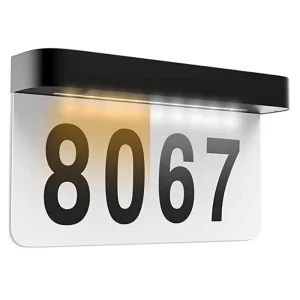
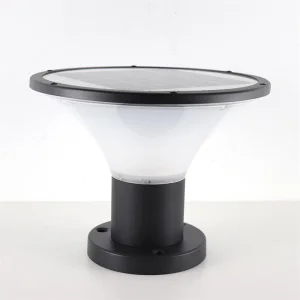
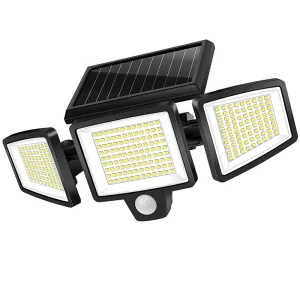
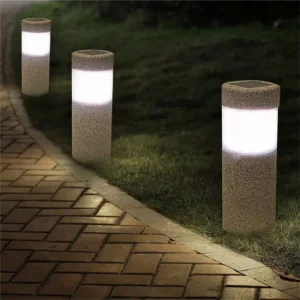
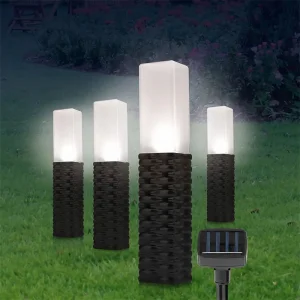
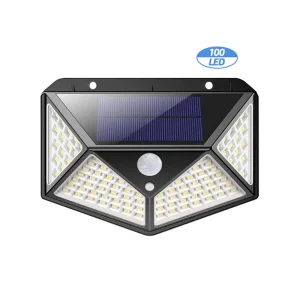
From smart motion-sensor wall units to decorative post caps and flexible landscape paths, select from our engineered product portfolio.
 Jianheng