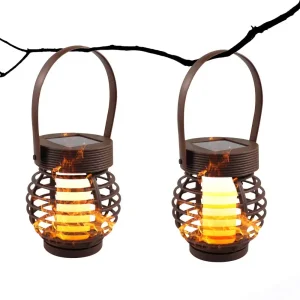
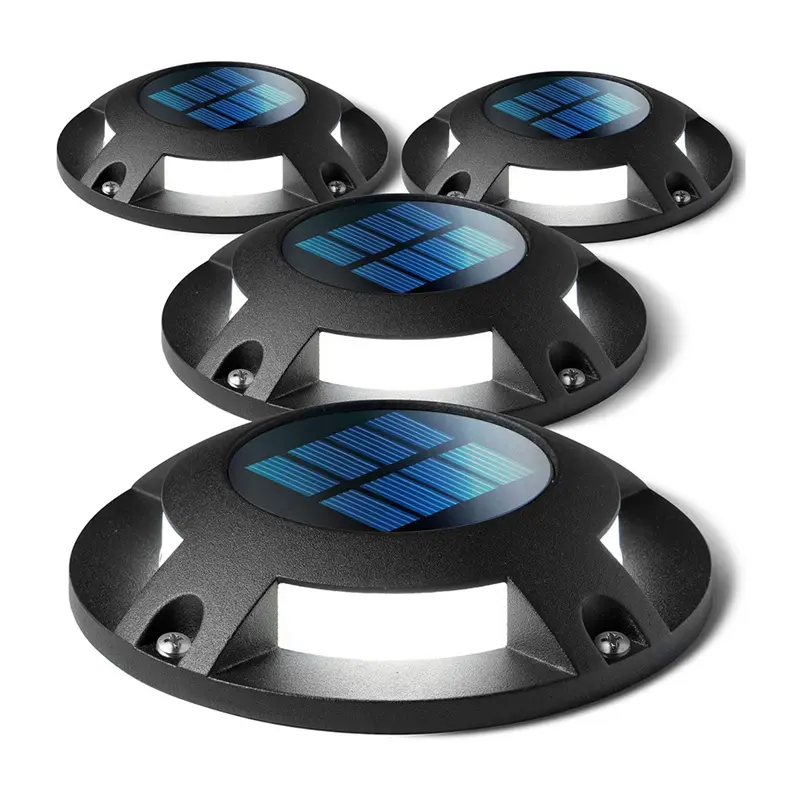
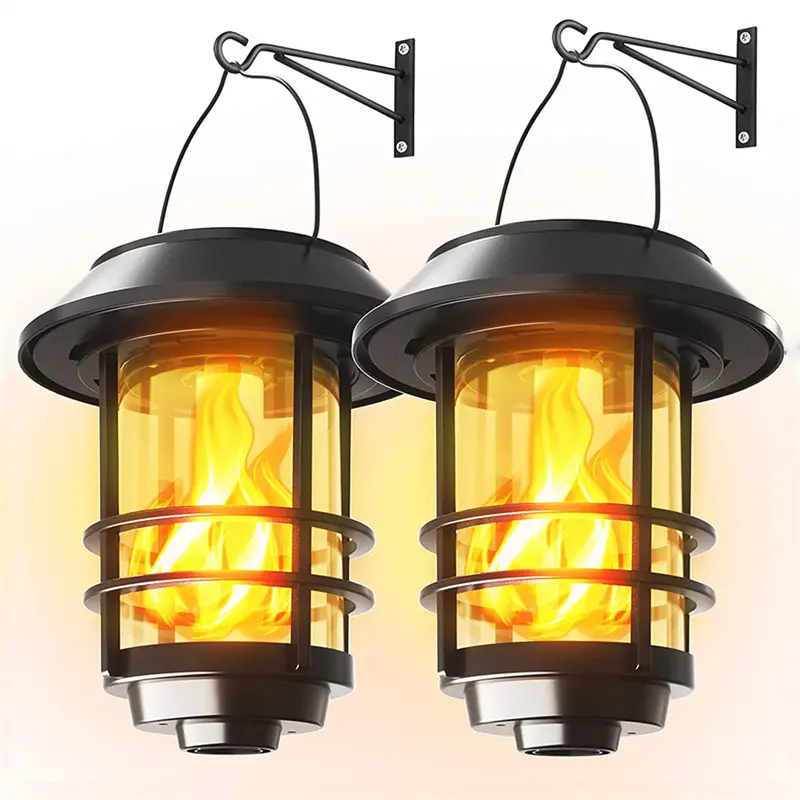
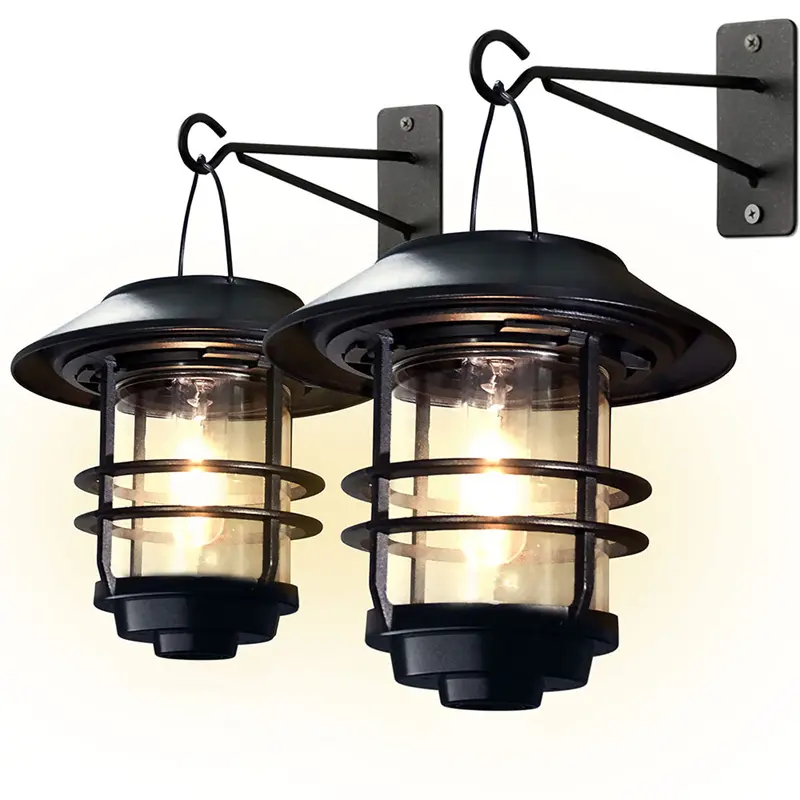
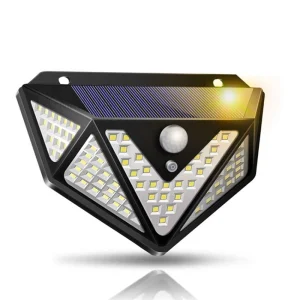
Explore our high-durability outdoor solar components designed to withstand environmental stress and deliver maximum efficiency.
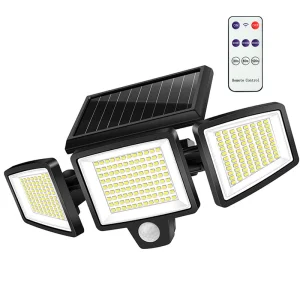
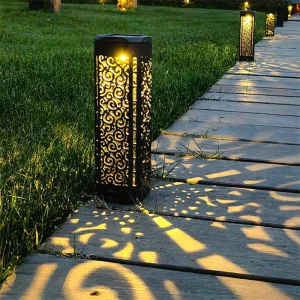
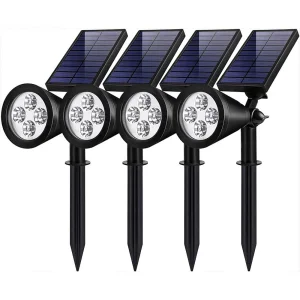
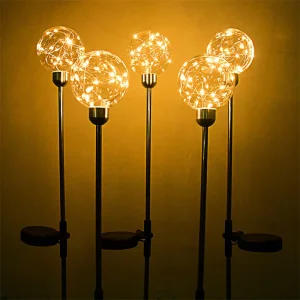
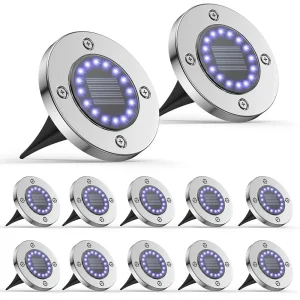

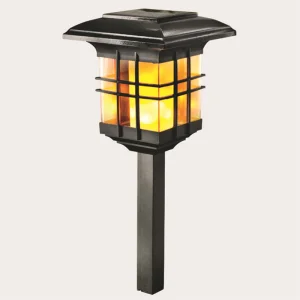
Understanding the micro-engineering components and dynamic supply chain trends in global landscape illumination.
The global outdoor lighting landscape is shifting decisively toward renewable systems. However, the true bottleneck in system uptime and capital investment lifecycle is not the fixture itself, but the durability of its component parts. High-performance solar garden lights are deployed in harsh environments characterized by thermal fluctuations, atmospheric humidity, and relentless ultraviolet exposure. Providing premium customized replacement parts represents a critical operational avenue for large-scale municipalities, hospitality conglomerates, and real estate assets looking to mitigate operational downtime and avoid complete, costly system replacements.
From micro-photovoltaic panels using monocrystalline silicon wafers to complex energy storage packs optimized with built-in battery management systems (BMS), matching industrial specifications with physical replacement parts is essential. Modern outdoor solar spotlight installations, step light grids, and high-lumen floodlights rely heavily on the interchangeability and resilience of individual sub-assemblies. As custom solutions gain market share, parts standardization and robust material choices have become the cornerstone of sustainable project deployment.
At Ningbo Jianheng Import And Export Co., Ltd. (operating alongside Ningbo Yuancheng Plastic Co., Ltd.), we have established a 20-year manufacturing framework optimized to supply both specialized, bespoke designs and direct replacements for major global solar garden light brands. By focusing on material innovations—such as replacing fragile PET laminations with ETFE layers and upgrading Ni-MH batteries to advanced LiFePO4 cells—we provide the engineering resilience required for the demanding climate challenges of tomorrow.
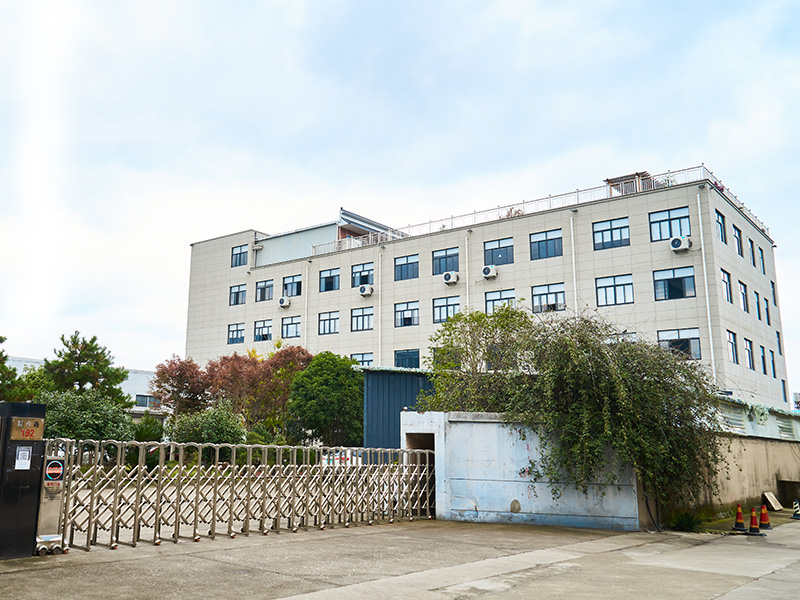
Industrial capacity meets rigorous quality control to deliver certified solar lighting assemblies globally.
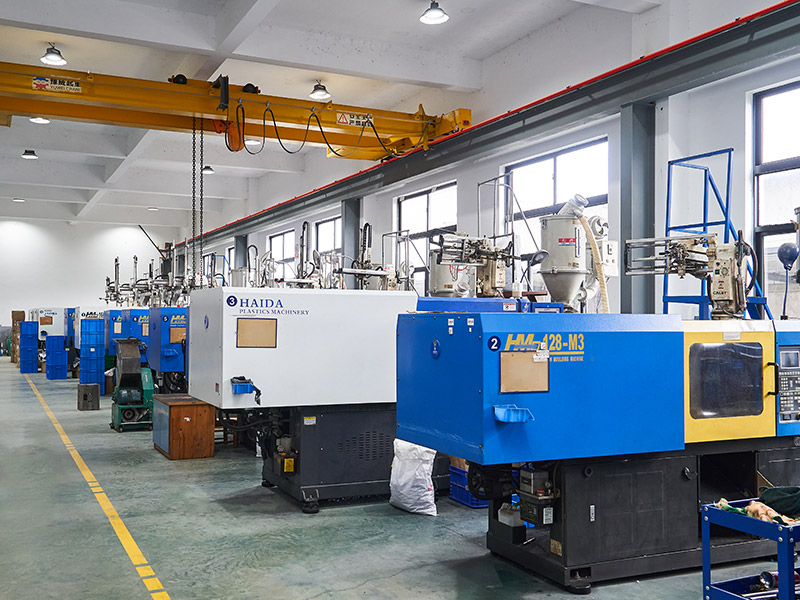
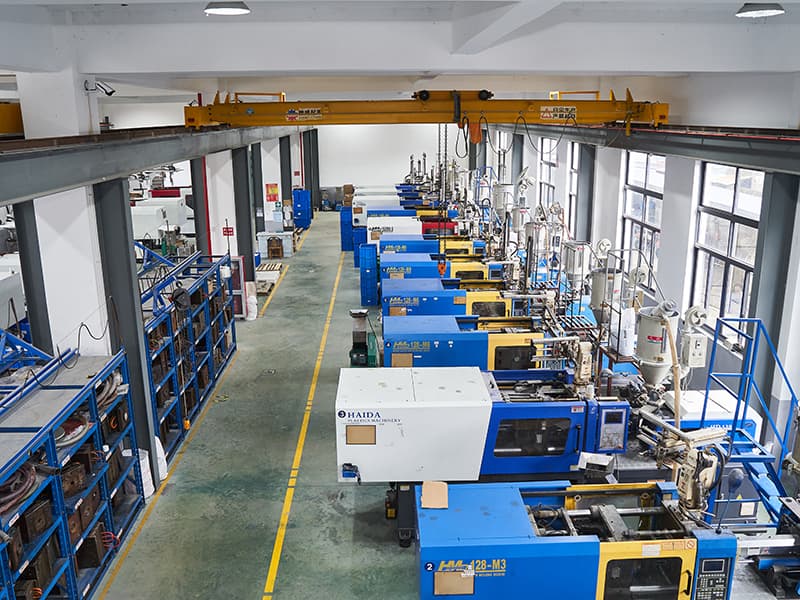
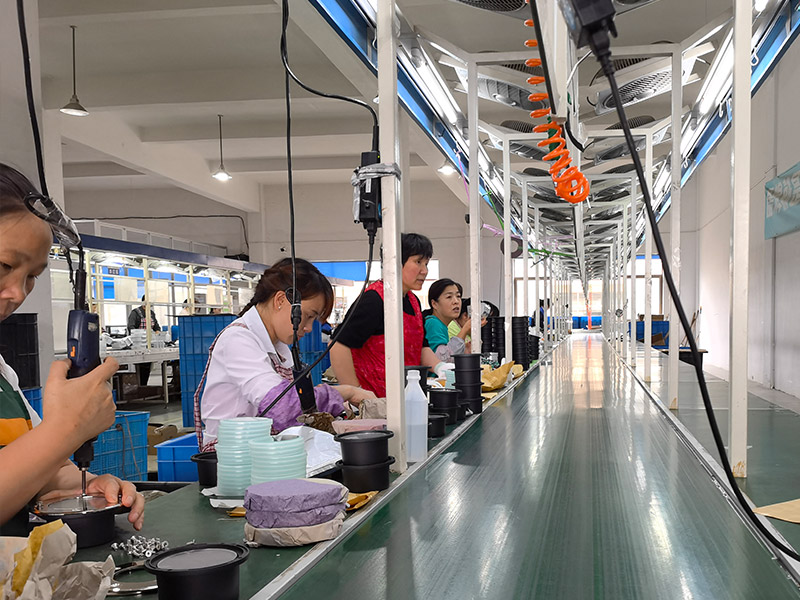
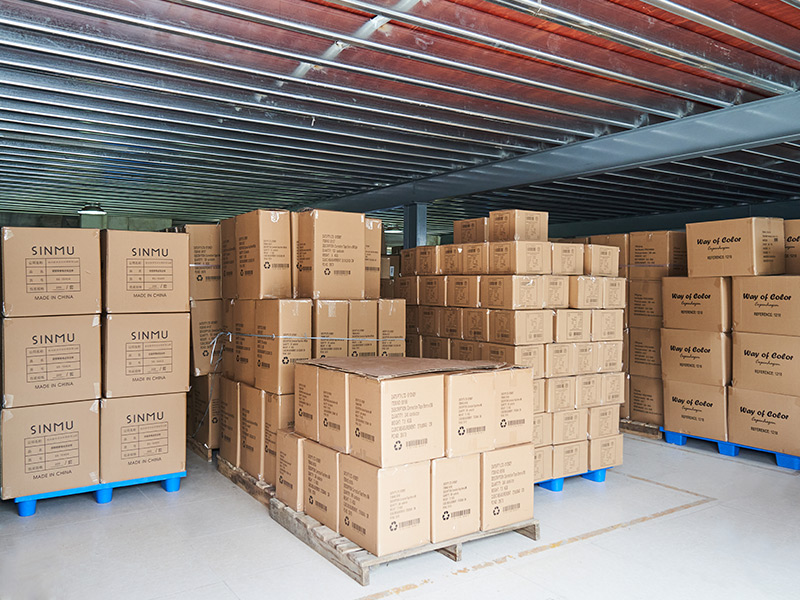
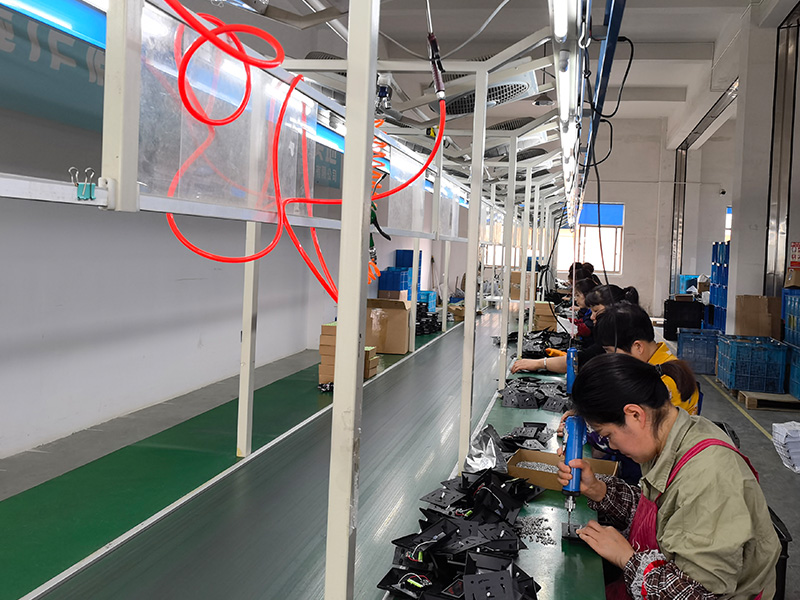
With two decades of dedicated manufacturing, our factory covers 10,750 square meters. We run modern machinery and automated assembly lines run by 105 skilled operators and 15 office professionals, ensuring swift production cycles and efficient order tracking.
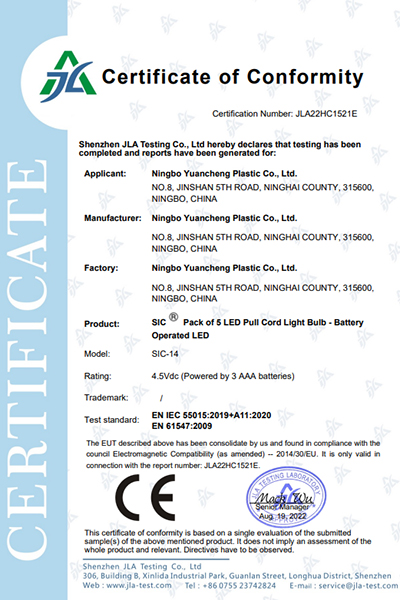
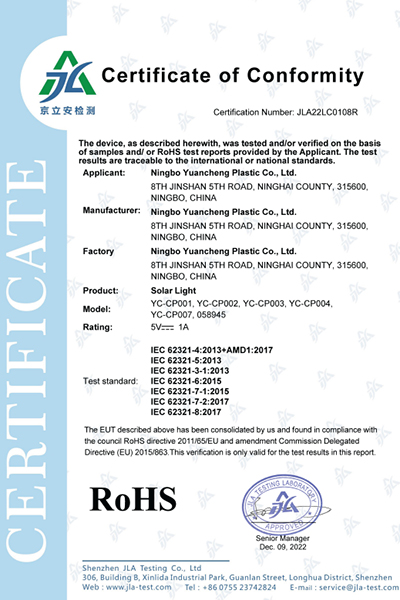
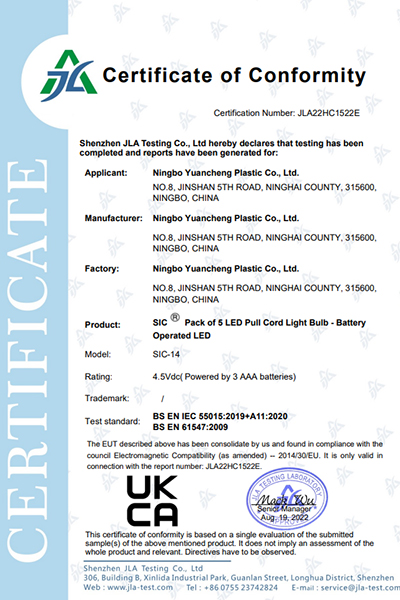
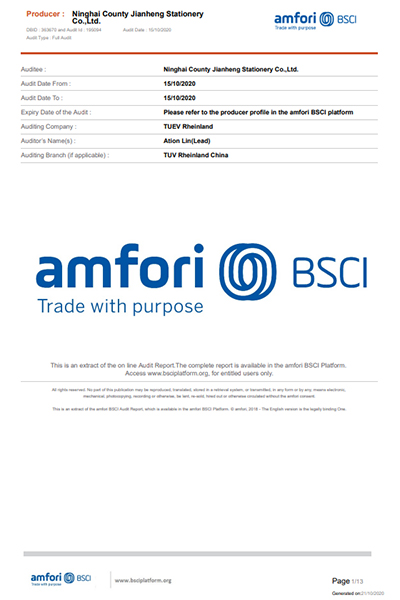
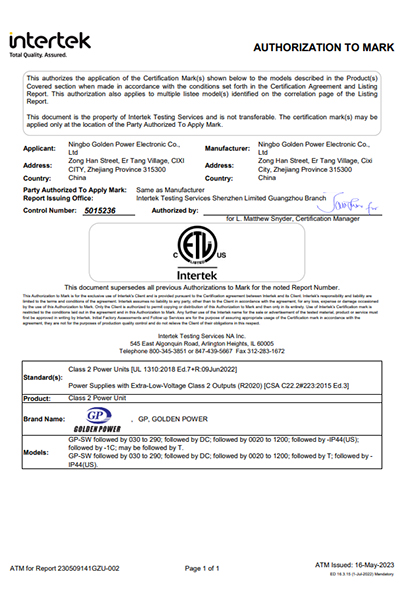
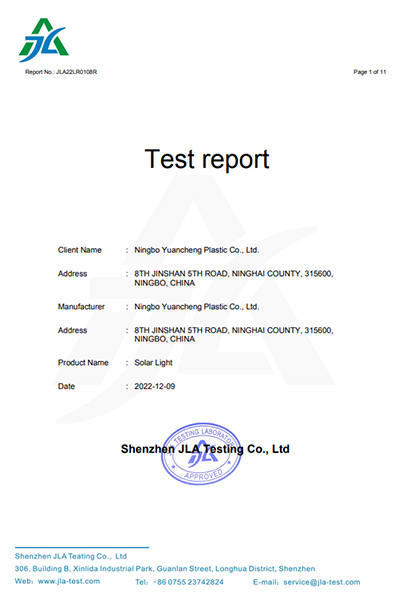
We believe that quality is the ultimate indicator of reliability. Our plant has passed stringent BSCI and ISO9001 audits. Products carry internationally recognized CE, ROHS, and UKCA certifications, ensuring smooth import and local compliance in the EU, UK, and Americas.
Recognizing that different architectural environments demand precise lumen outputs, colors, and dimensions, we offer customized solutions. Our engineering department supports a 7-day fast proofing service, transforming sketches into testing samples quickly.

A deep dive into materials science, electronics, and design considerations for outdoor solar lights.
Modern outdoor illumination demands high conversion efficiency under varied solar conditions. We offer monocrystalline and polycrystalline replacement modules. Monocrystalline silicon yields an efficiency range of 19% to 22%, making it the industry standard for high-lumen, compact fixtures. Our laminated panels feature ETFE (Ethylene Tetrafluoroethylene) protective coatings, offering superior light transmission and self-cleaning surfaces compared to standard PET (Polyethylene Terephthalate) films, which yellow under constant UV radiation.
Typical failure points in solar lights are battery degradation and low thermal tolerance. We build replacement battery packs using standard Ni-MH (Nickel-Metal Hydride) cells for legacy residential paths, along with advanced Lithium Iron Phosphate (LiFePO4) cells for high-output commercial arrays. LiFePO4 chemistry provides up to 2,000 charge-discharge cycles—compared to 500 cycles for traditional Lithium-ion—while remaining thermally stable up to 60°C.
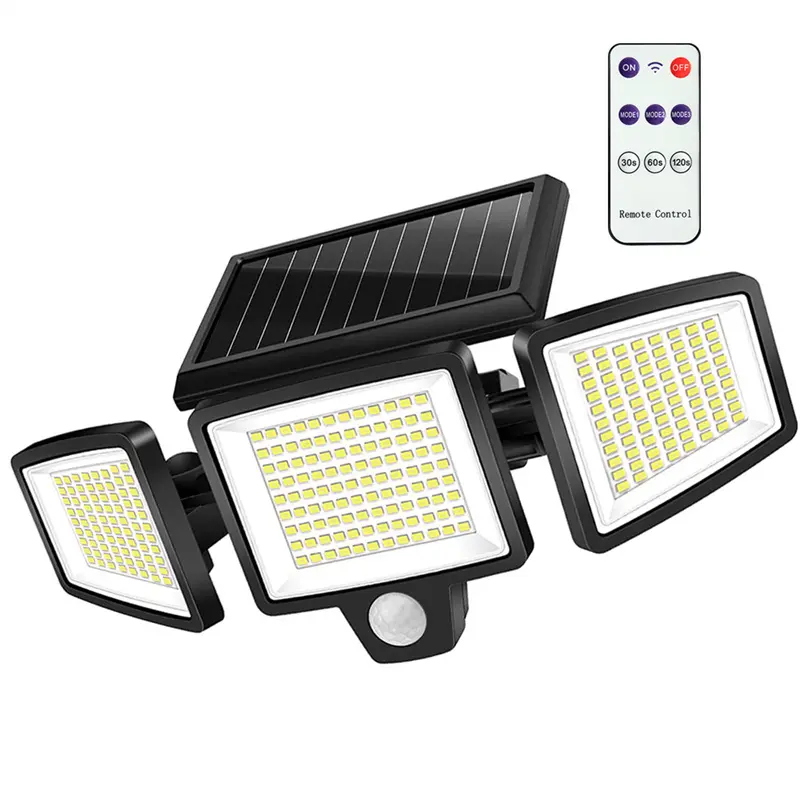
The electronic heart of our lights relies on customized print circuit boards (PCBs) containing intelligent microcontrollers. These regulate charging cycles, prevent overcharge and deep discharge, and drive LEDs efficiently using pulse-width modulation (PWM) or maximum power point tracking (MPPT) logic. Integrated passive infrared (PIR) sensors and light-sensitive resistors ensure autonomous operation, switching configurations based on ambient lighting and motion detection.
Engineered for high weather resistance, visual comfort, and long-term durability in commercial and residential landscapes.
Enhancing long-term performance through targeted parts replacement rather than full fixture disposal.
Maintaining solar garden lighting systems across large residential properties, city parks, and corporate sites requires a proactive approach to replacement parts. Discarding complete luminaire structures due to minor component failures creates electronic waste and increases project costs. By designing fixtures with modular parts—such as detachable LED boards, quick-connect battery brackets, and slide-in photo-detection modules—we help operators extend system life while reducing maintenance costs.
In coastal areas, high salinity accelerates electrochemical oxidation in steel parts, leading to structure breakdown. Similarly, high-intensity UV exposure breaks down weak polymer chains, causing cheap ABS casings to turn brittle and crack. We address these challenges by offering replacement parts made from UV-stabilized polycarbonates and marine-grade stainless steel (SUS316), along with silicone gaskets that maintain IP65-IP68 ingress protection ratings over years of thermal cycling.
Outdoor batteries operate under challenging thermal conditions. Extreme cold drops charging efficiency, while excessive heat accelerates internal component breakdown. To maximize service life, our custom battery replacement kits include phase-change insulation wraps and customized protective charging plates that limit thermal spikes during solar intake cycles.
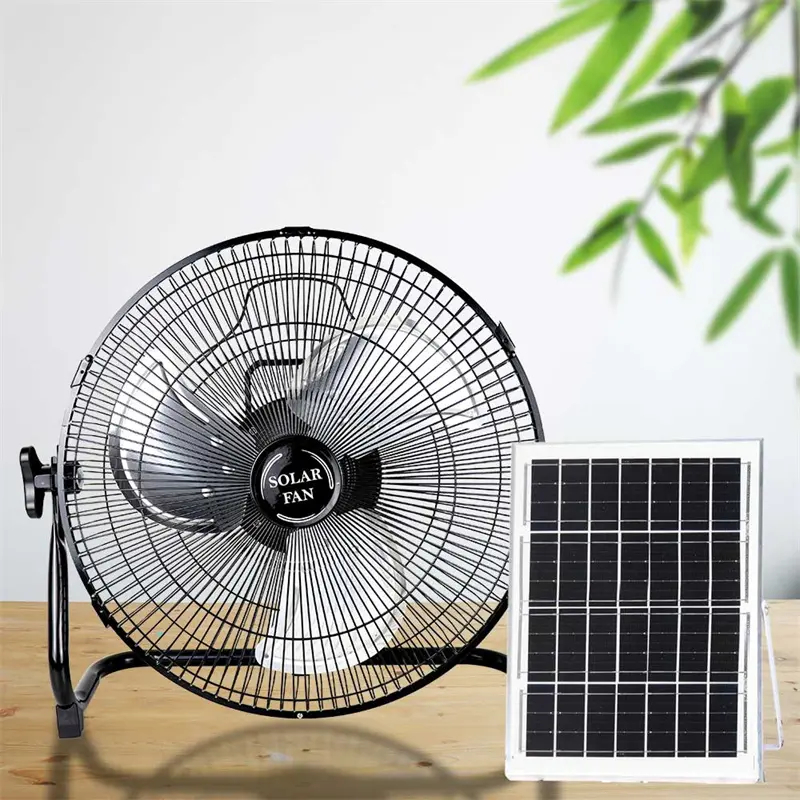
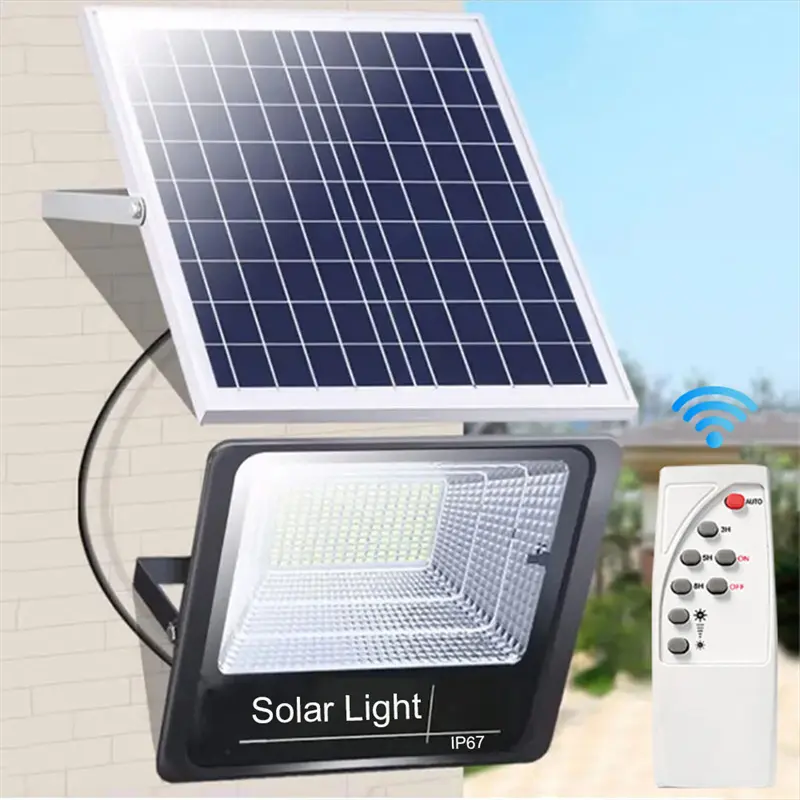
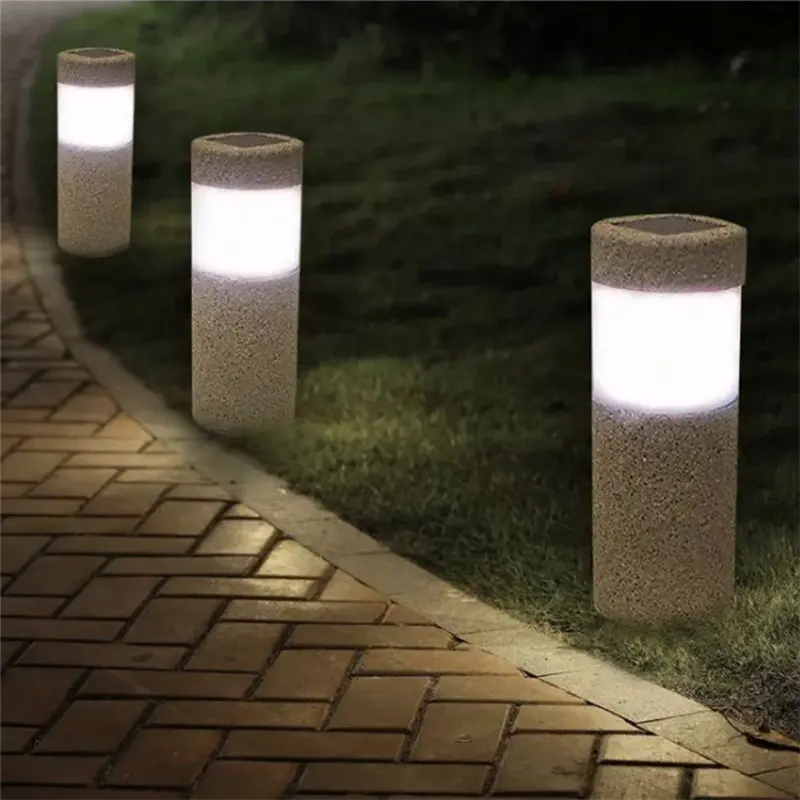
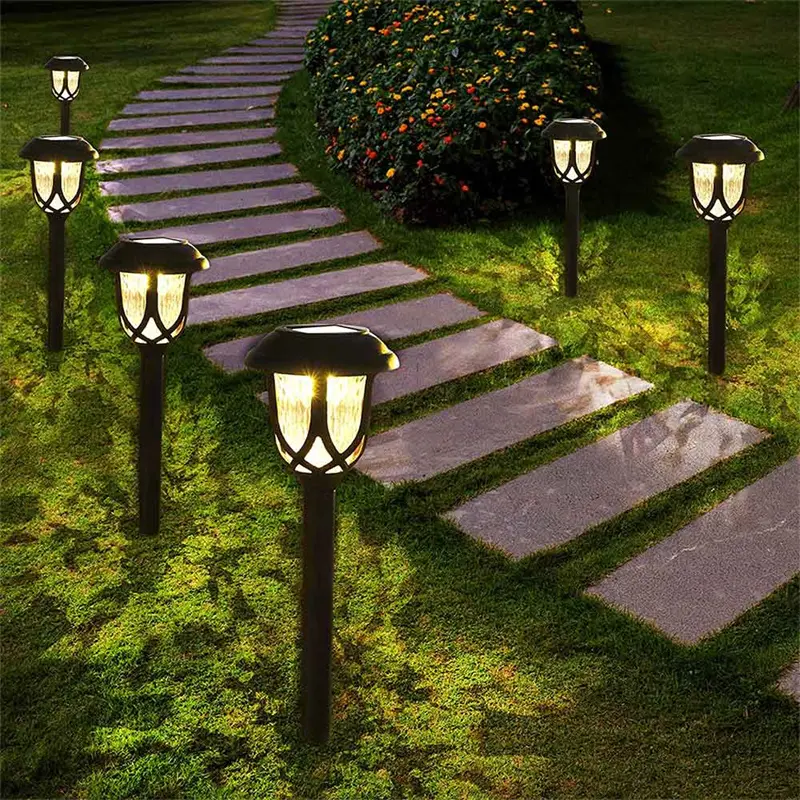
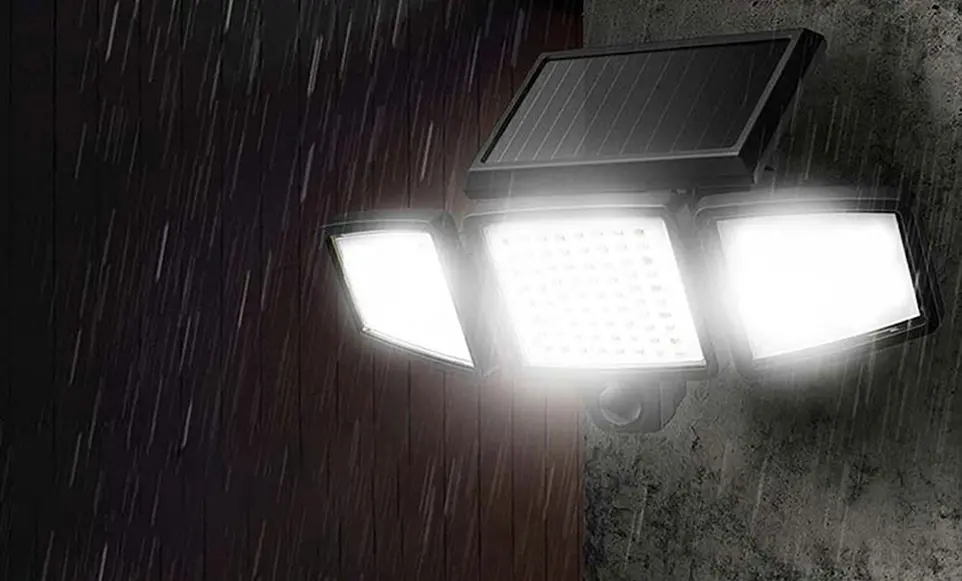
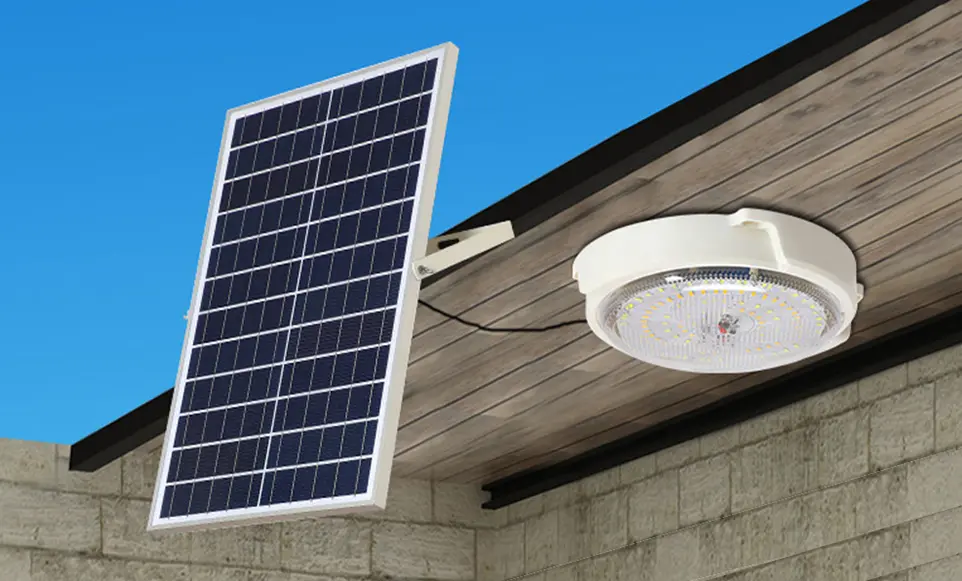
Explore recommended lighting assemblies, brackets, optical covers, and high-performance replacement units.
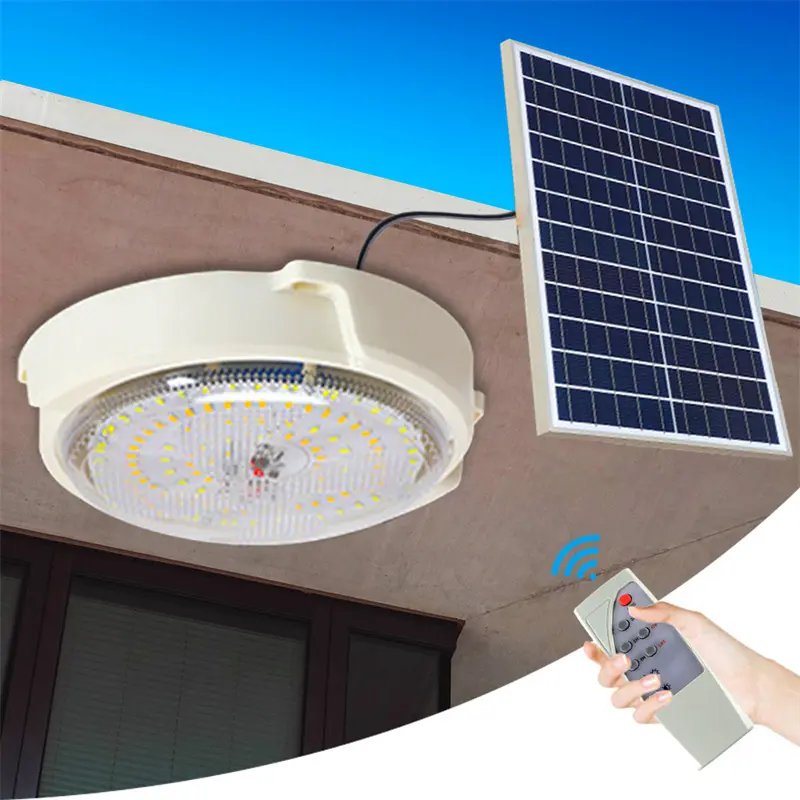
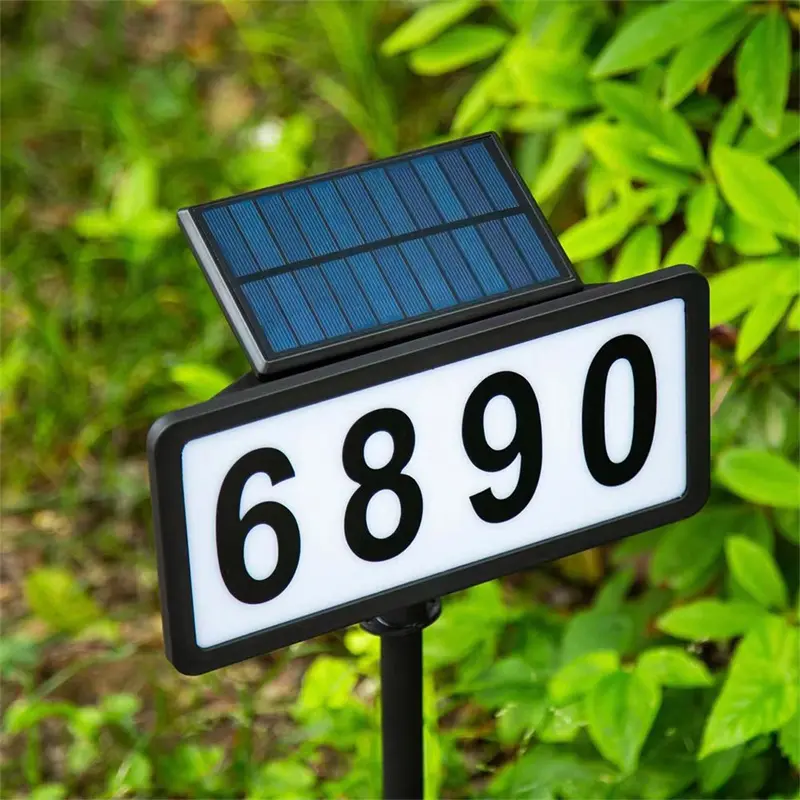
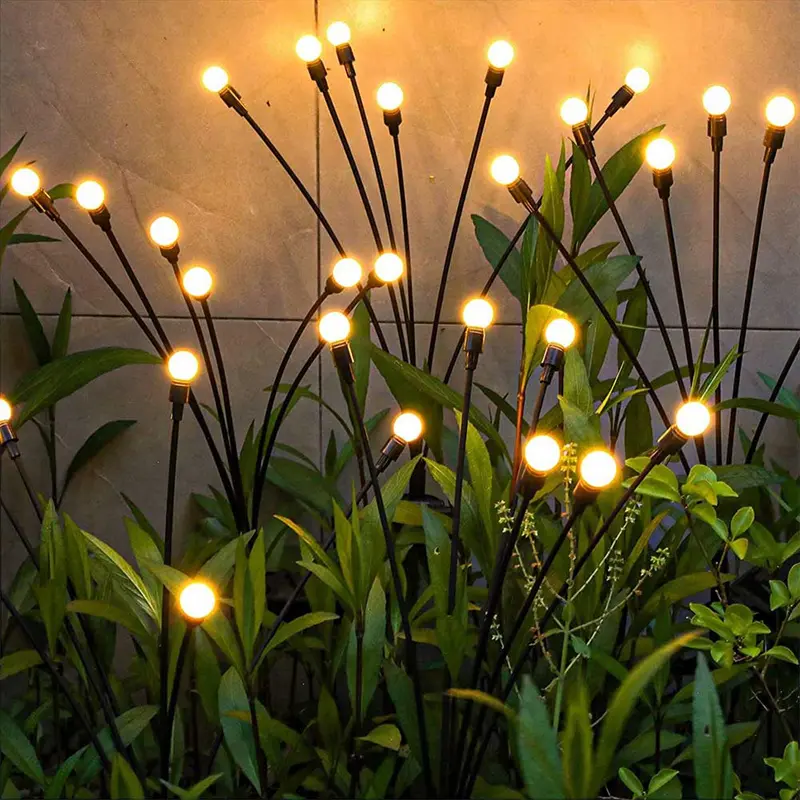
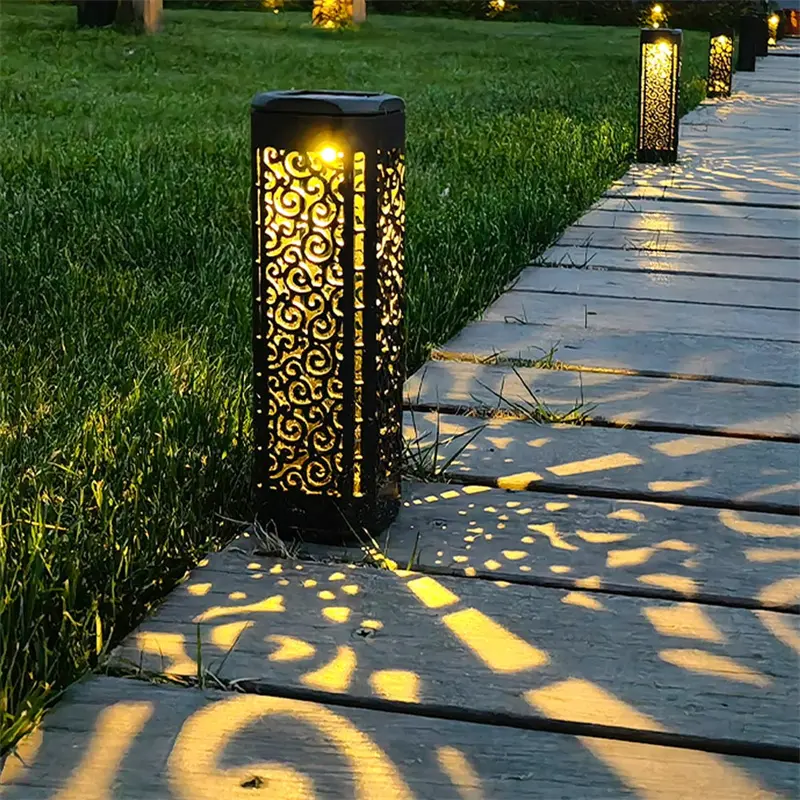
Exploring technologies like IoT modules, perovskite silicon solar cells, and eco-friendly housing materials.
The solar lighting industry is moving toward smart, connected, and highly modular systems. In our research and development facility, we focus on designs that simplify parts replacement. The next generation of solar landscape illumination features IoT integration—using wireless protocols like LoRa, Zigbee, or Bluetooth Mesh—so maintenance teams can monitor battery health, light output, and solar energy capture remotely.
Our long-term goals focus on three key development paths:
Expert insights on selecting, custom-specifying, and maintaining solar garden light replacement parts.
Most failures stem from two components: batteries degraded by temperature shifts, and moisture ingress that corrodes PCBs. By sourcing high-quality replacement batteries (such as LiFePO4 cells with broad temperature tolerances) and replacing damaged driver boards with conformal-coated versions, you can restore system operation without replacing the entire fixture housing.
Monocrystalline panels offer conversion efficiencies up to 22%, whereas polycrystalline panels typically hover around 15% to 17%. Monocrystalline replacement panels deliver higher power output in smaller footprints, making them ideal for compact garden fixtures that need to charge fully in limited daylight.
Our plant operates under ISO9001 and BSCI quality management systems. Every batch of replacement parts undergoes aging tests, integrating sphere color calibration, and IPX8 water immersion tests. All components meet CE, RoHS, and UKCA standards for international safety and environmental compliance.
Yes. Our engineering division supports full OEM/ODM customization. We can match the shape, size, voltage, and capacitance of your existing parts, and offer a 7-day fast proofing service to deliver physical prototypes for your validation.
Our LiFePO4 replacement batteries are rated for up to 2,000 charge cycles at 80% depth of discharge. In normal outdoor conditions, this translates to a lifespan of 5 to 7 years, outperforming standard Ni-MH or Li-ion cells.
Complete commercial-grade installations designed for fast, modular component servicing.
 Jianheng