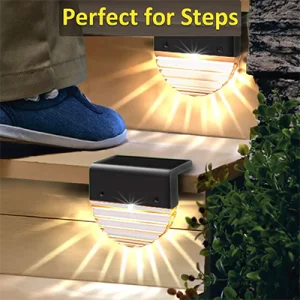
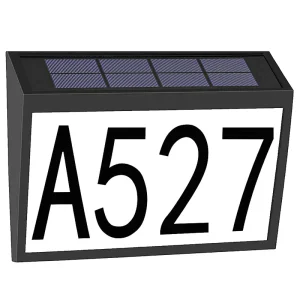
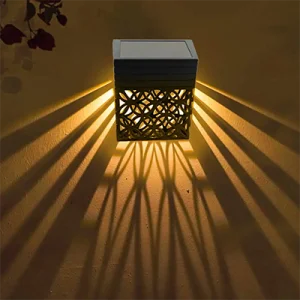
Explore our high-performance line of architectural, decorative, and landscape lighting systems optimized for distribution networks and structural OEM specifications.
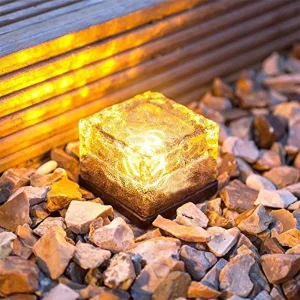
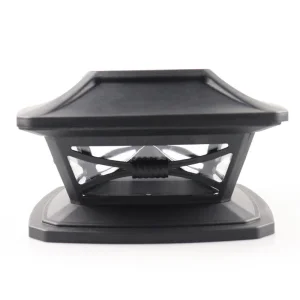
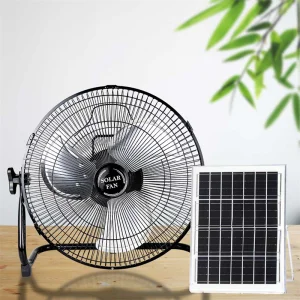
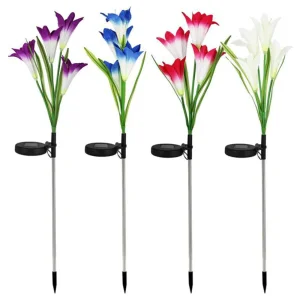
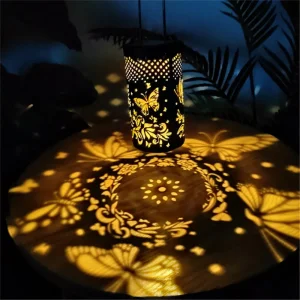
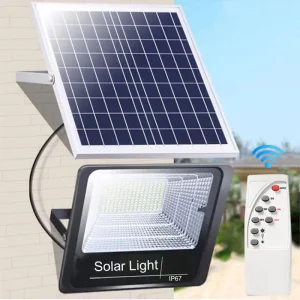
The global outdoor decorative and solar garden lighting industry is undergoing a monumental phase transition. Once categorized as simple, low-output decorative novelties, solar garden lights have evolved into sophisticated optoelectronic assemblies capable of serving as reliable primary and secondary path indicators, architectural accent points, and functional security markers. This paradigm shift is driven by macro developments: the systemic decarbonization of urban infrastructures, persistent cost decreases in high-efficiency monocrystalline solar panels, and the critical maturation of solid-state battery management microchips.
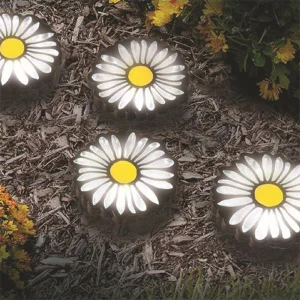
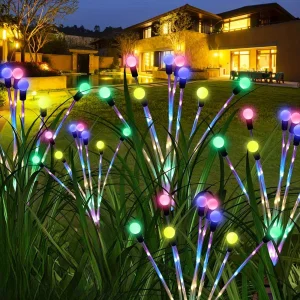
For international project planners, hospitality procurement managers, and global wholesale distributors, sourcing custom garden lighting requires a deep integration with a production partner capable of bridging the gap between artistic industrial design and hard-nosed engineering. Modern landscapes require systems that seamlessly assimilate into organic environments. This has triggered massive demand for realistic structural designs, such as flower solar garden lights, mimicking biological structures like daisies and lilies, paired with robust materials that survive sub-zero winters and coastal salinity.
"Market valuation for global solar landscape lighting systems is projected to exceed USD 14.5 Billion by 2030, exhibiting a compound annual growth rate (CAGR) of 8.6% from 2023. Sourcing professionals must bypass intermediaries and integrate directly with design-intensive manufacturers to maintain market viability."
Currently, North America and Western Europe command the largest market share due to strict residential energy compliance acts and a high concentration of private estate developments. However, urban renewals across the Asia-Pacific region and premium commercial builds within Middle Eastern eco-resorts represent high-velocity growth sectors. Manufacturers must dynamically balance aesthetic variety—incorporating complex structural dynamics like firefly simulations, butterflies, and floral architectures—with strict industrial endurance parameters.
Established as a benchmark of engineering precision, Ningbo Jianheng Import And Export Co., Ltd. (operating closely alongside our specialized plastic manufacturing unit, Ningbo Yuancheng Plastic Co., Ltd.) serves as a preeminent solar lighting pioneer in China. With a continuous operating history spanning 20 years, our enterprise has consistently optimized its production pipelines to satisfy the highly stringent technical and social compliance standards of Western markets.
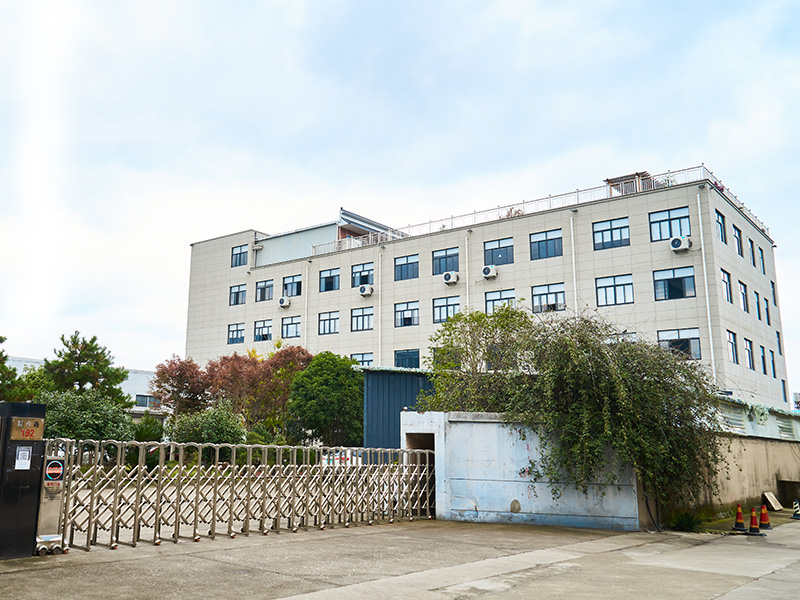
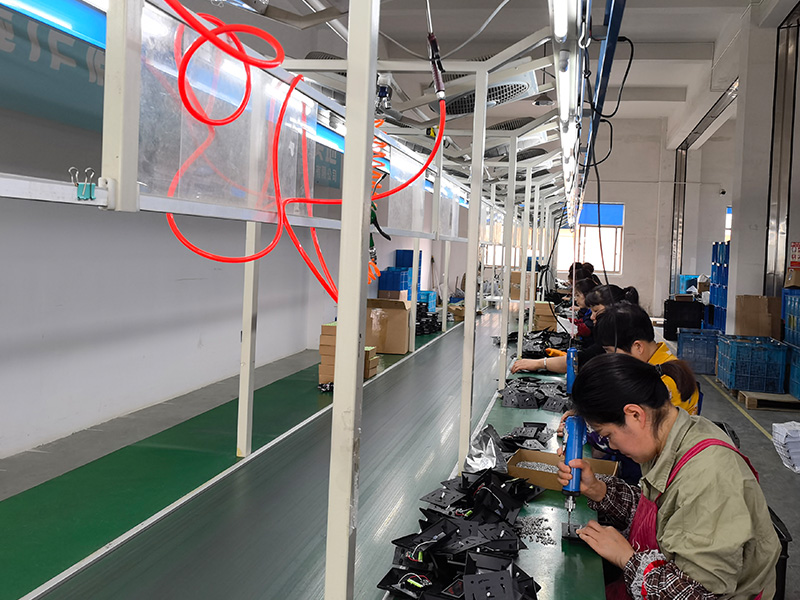
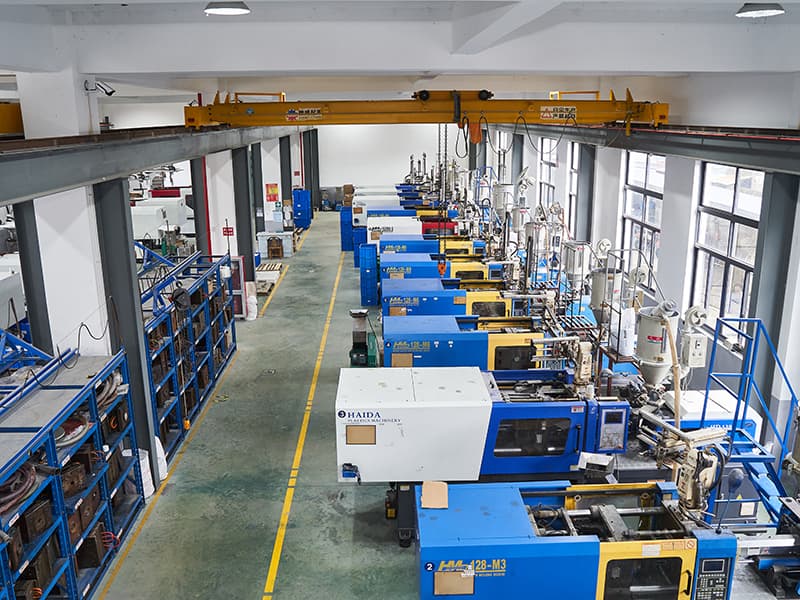
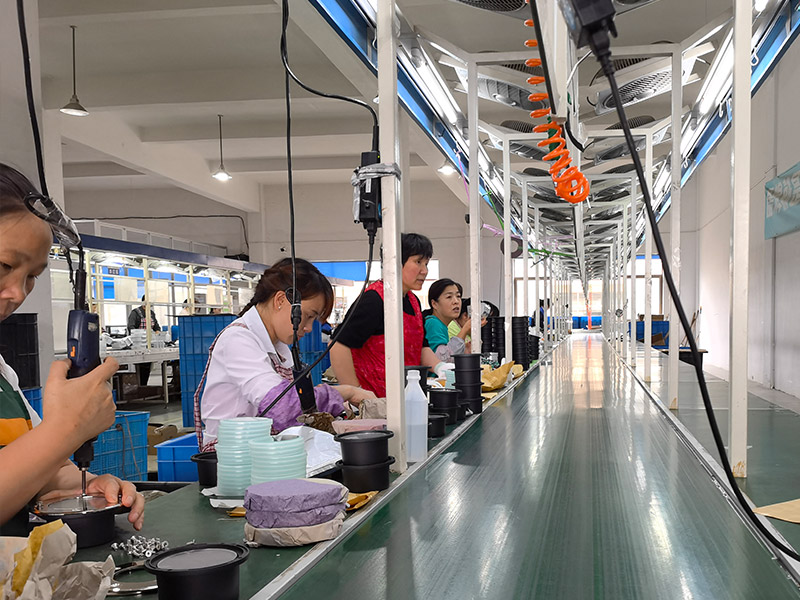
Our manufacturing facility spans a sprawling, purpose-built footprint of 10,750 square meters, containing dedicated divisions for polymer injection molding, automated surface mount technology (SMT) circuitry placement, manual assembly lines, and high-level stress testing labs. Powered by a workforce of 105 skilled technicians and line operators and managed by 15 senior export officers, we guarantee seamless end-to-end processing from initial 3D component renders to final custom shipping logistics.
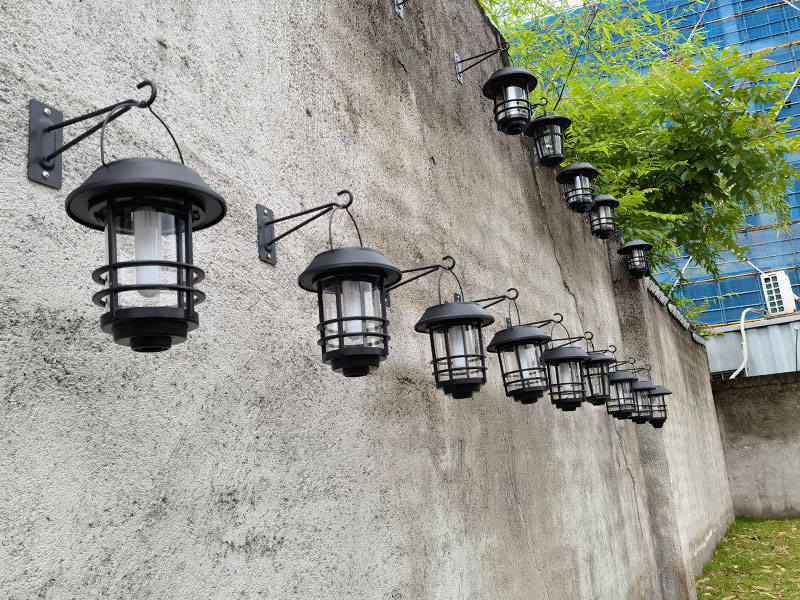
High-performance outdoor installations demand components designed to resist degradation from UV exposure, moisture penetration, and thermal variance. As an engineering-led factory, our materials selection and internal circuitry layouts adhere to strict industrial standards:
Transitioning from legacy amorphous structures to high-purity monocrystalline and advanced polycrystalline silicon panels, raising solar conversion ratios to 21% even in overcast climates.
Smart protection boards prevent over-charging and thermal runaway, maintaining standard 1.2V Ni-MH or advanced LiFePO4 battery life over hundreds of cycles.
Using advanced injection molding toolpaths, our light shells incorporate dual-layer rubber gaskets and ultrasonic welds to lock out dust and heavy rainfall.
| Performance Parametrics | Standard Decorative Specs | Advanced Project-Grade Specs | Custom / OEM Variables |
|---|---|---|---|
| Solar Cell Material | Polysilicon 2V, 140 mAh | Monocrystalline Silicon (High Output) | Custom cell size & voltage maps |
| Energy Storage Chemistry | 1.2V 600mAh Ni-MH AA | 3.2V LiFePO4 1200mAh - 2200mAh | High/Low temperature cell options |
| Structural Materials | ABS + Stainless Steel Support Poles | UV-Stabilized Polycarbonate + Aluminum | Real Clear Glass, Iron Lantern Shells |
| Ingress Protection Rating | IP65 Dust & Splash Water Resistant | IP67/IP68 Completely Submersible Sub-base | Tailored salt-fog proofing for maritime climates |
| Light Source Topology | Standard DIP LEDs (Warm White/RGB) | High Luminous SMD 2835 / Filament COB | RGBW, Smart Bluetooth/Zigbee Mesh integrations |
Architectural decorative lighting relies heavily on the ambient factors of its operational environment. A light designed for the warm, sun-drenched gardens of Southern California requires different configurations than one destined for the humid, rain-slicked paths of the United Kingdom or the extreme desert heat of GCC states.
Temperate & High Latitude Regions (UK, Northern Europe, Canada): In these territories, solar insolation is highly seasonal. Systems must rely on wide-area monocrystalline panels capable of capturing diffuse solar radiation under persistent overcast skies. Low-voltage, energy-efficient microchips combined with light-sensitive auto-adjust dimming protocols are crucial for extending runtimes into long winter nights.
Subtropical Coastal & High Humidity Zones (Southeast Asia, Florida): The primary challenge is corrosion. Exposed metal surfaces must consist of 316-grade stainless steel or powder-coated anti-rust aluminum. The electronic housing must be sealed using double-pour silicone gel potting to prevent humidity condensation from short-circuiting the LED driver boards.
Arid Desert Zones (Middle East, Western Australia): Extreme daytime heat causes accelerated capacity loss in standard Lithium-ion formulations. We deploy high-thermal-stability LiFePO4 cells paired with custom UV-stabilized polymer hoods that deflect solar heat spikes, preventing thermal runaway and physical warping.
Looking toward the horizon of the green lighting revolution, Ningbo Jianheng is actively developing next-generation integrations to meet the evolving demands of smart city and residential landscapes:
For volume B2B buyers, managing logistics, product conformity, and defect rates is critical to brand success. Our team addresses this through structured procurement frameworks:
Using advanced 3D printing and modular assembly, we deliver physical mockups of custom solar lights to sourcing managers within one week, shortening product launch windows.
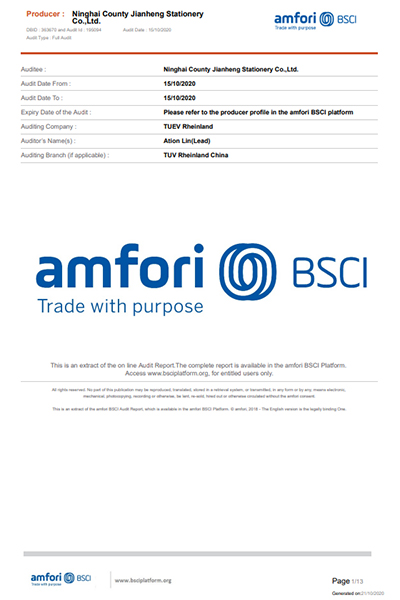
We carry out transparent factory tours and supply full BSCI social compliance logs and ISO9001 quality audits to guarantee smooth onboarding for major international retailers.
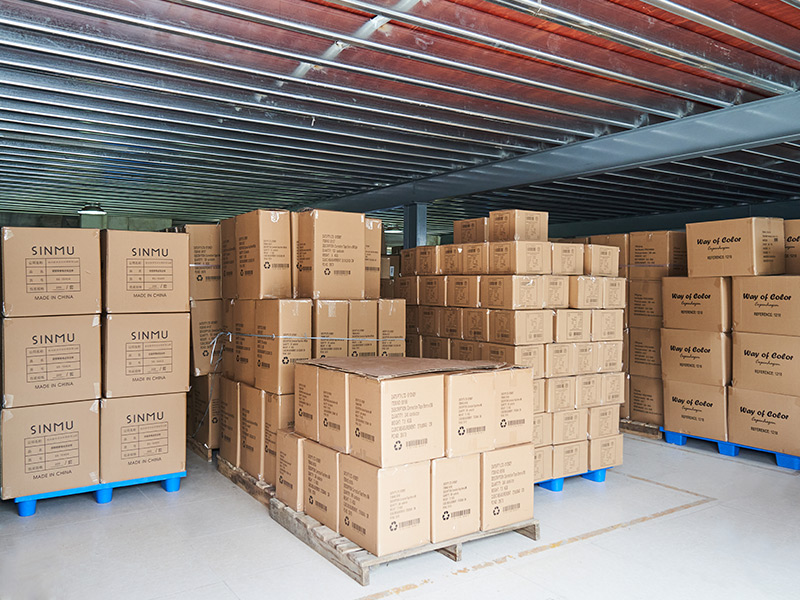
Using modular packing structures, our designs stack efficiently, minimizing unused freight space and reducing trans-oceanic shipping costs per unit.
OEM (Original Equipment Manufacturing) allows you to submit your specific design blueprints for us to fabricate in our 10,750m² plant. ODM (Original Design Manufacturing) leverages our 20 years of R&D expertise, providing ready-made, certified products that can be customized with your branding, surface finishes, and packaging designs.
Our quality control lab features automated high-pressure spray chambers and immersion tanks. During assembly, we apply precise silicone gaskets, clean structural seals, and ultrasonic plastic welding to isolate charging ICs, battery nodes, and LED modules from water intrusion.
Yes. While standard models utilize cost-effective, cold-resistant Ni-MH AA batteries (1.2V 600mAh), we can redesign the PCB architecture to accommodate 3.2V Lithium Iron Phosphate (LiFePO4) systems. This upgrade extends battery lifespans, increases light output, and reduces charge-cycle degradation.
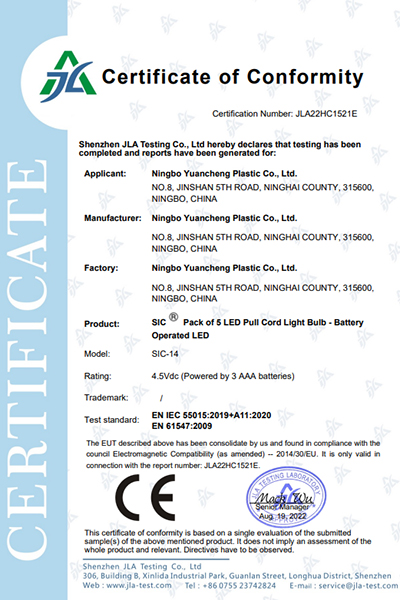
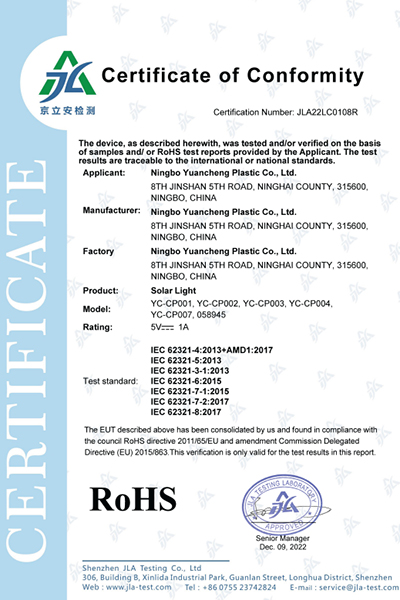
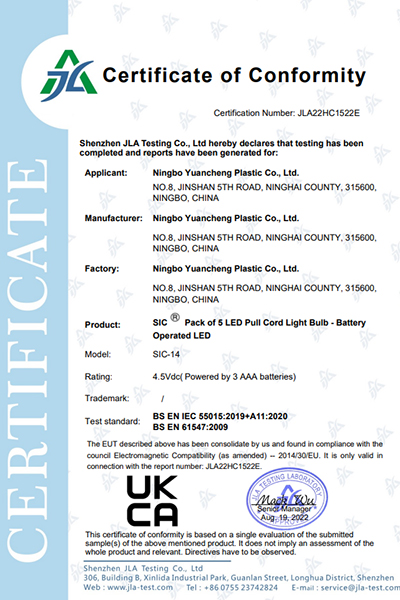
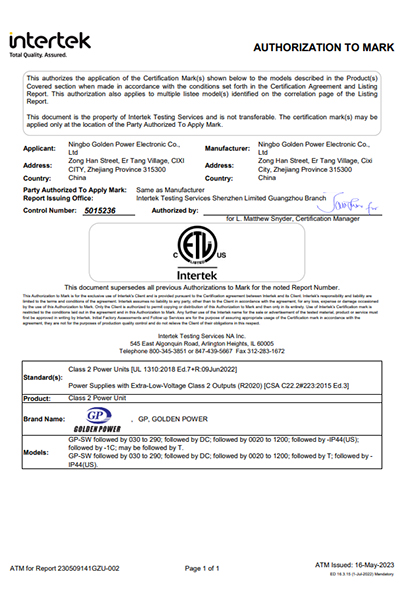
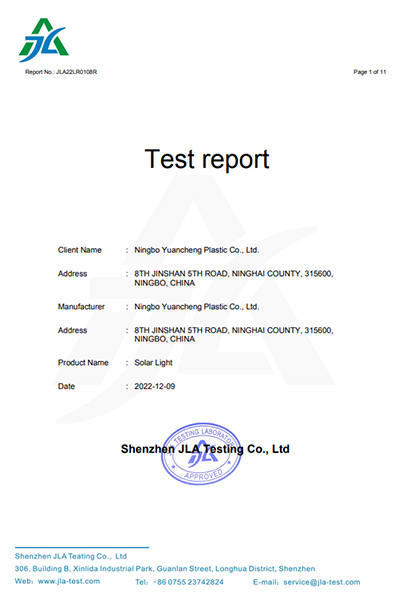
We supply full declaration files, including CE, RoHS, and UKCA certifications, alongside BSCI audit documentation. These resources prevent regulatory delays during customs checks, ensuring a secure and compliant supply chain.
Upon receiving your design files or spec requests, our engineers generate 3D CAD models. Once approved, we use rapid tooling and 3D printing to construct a working prototype with functioning solar circuitry in under seven days.
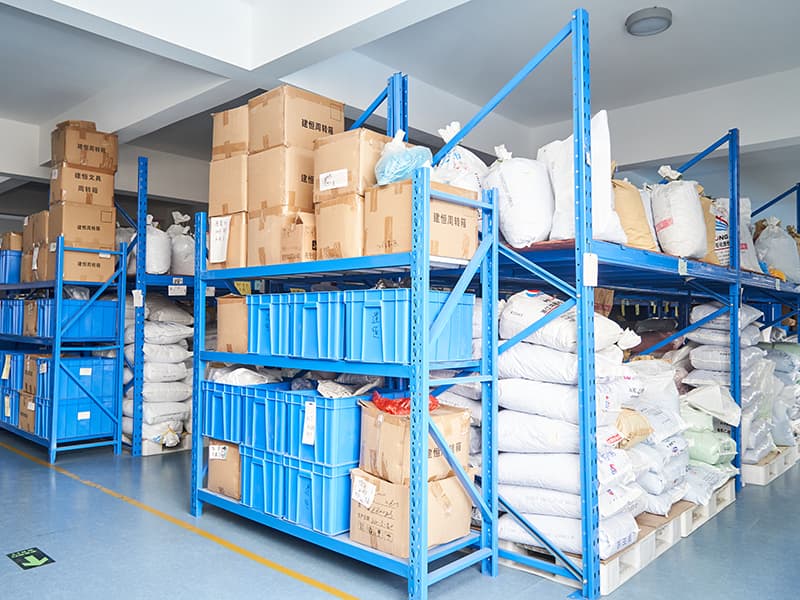
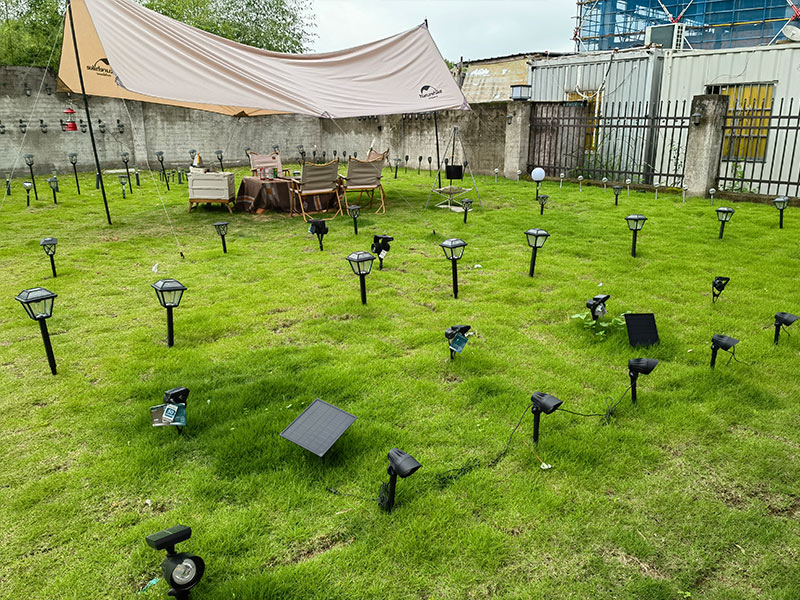
Real testing processes, architectural alignments, and component layouts captured within our Ningbo test center.
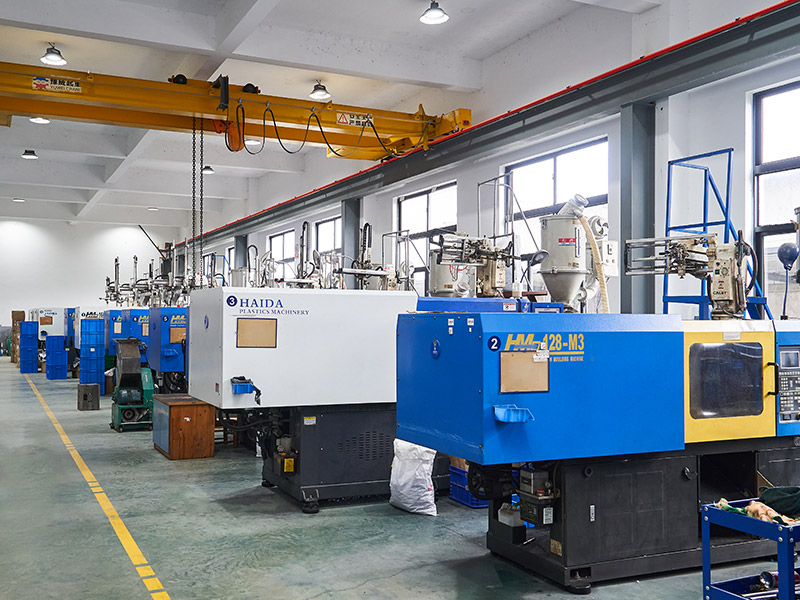
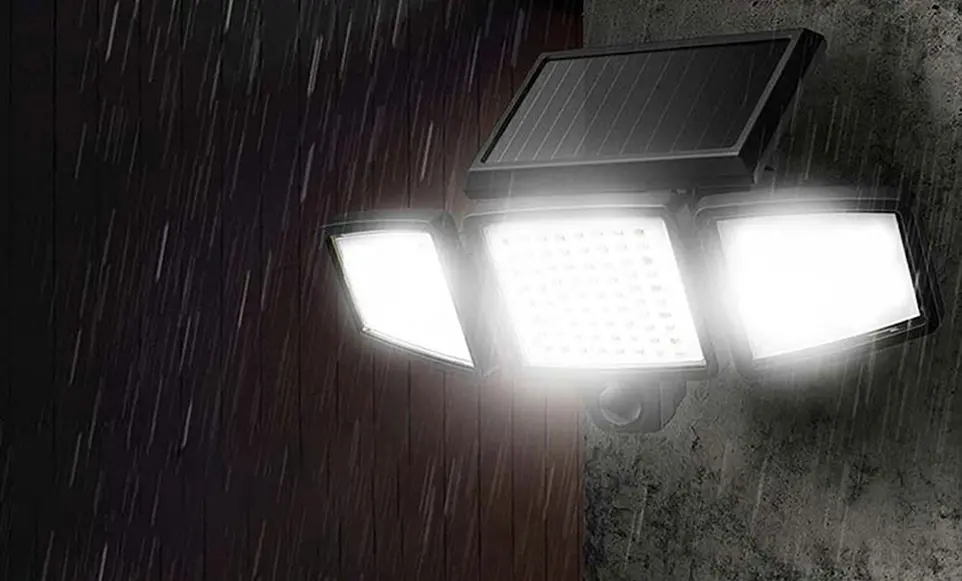
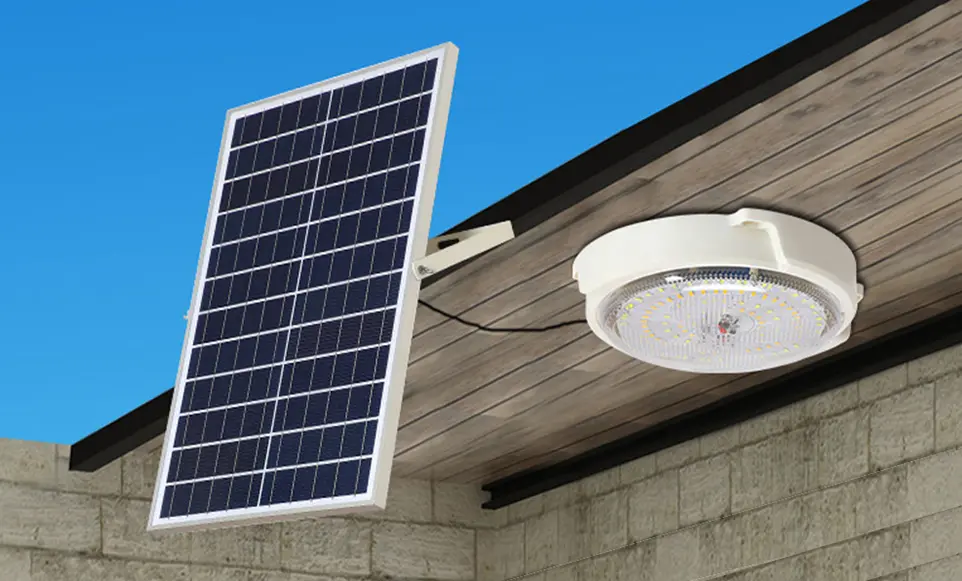
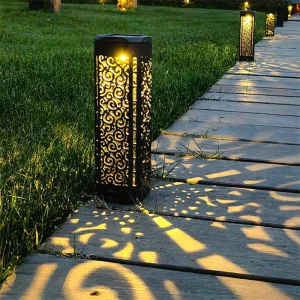
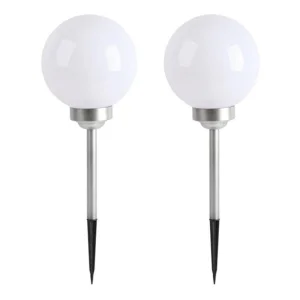
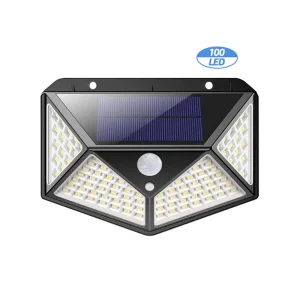
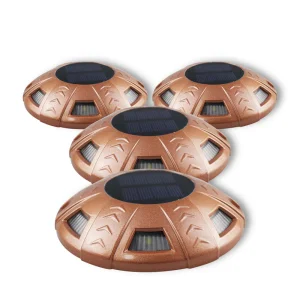
Select premium assemblies engineered for municipal projects, consumer retail distribution, and commercial property deployments.
 Jianheng