In the contemporary energy transformation landscape, high-wattage solar LED lighting systems have evolved from decorative accents into critical municipal and industrial infrastructure. The Custom 200w Solar Flood Light sits at the convergence of high-intensity lumen demand and off-grid stability. As professional buyers, project specifiers, and global distributors source components for challenging environments, assessing a factory's engineering authority, material integrity, and customization capabilities is central to guaranteeing long-term operational success.
Urban decentralization, coupled with global mandates for zero-emission real estate developments, has accelerated the deployment of off-grid security systems. The industrial requirement for 200W solar flood lights extends far beyond basic brightness. Today's commercial operators look for systemic reliability—specifically systems capable of running uninterrupted during multi-day seasonal overcasts (autonomous days) while maintaining a high luminous efficacy (typically exceeding 170 lm/W).
From distribution centers and logistics parks to remote perimeter fences, mine sites, and civil construction zones, 200W solar floodlights represent the optimal configuration that balances physical size, wind resistance, solar panel capacity, and battery storage. Standardizing on 200W ensures that the illuminated area satisfies standard OSHA security guidelines without requiring oversized structural poles.
A high-performance 200W solar floodlight requires balanced component integration. Simply packaging generic high-power LEDs in an aluminum shell causes premature thermal degradation and fast battery wear. The technical blueprint below outlines our custom manufacturing criteria, representing the gold standard in modern photovoltaic lighting design.
| Subsystem Component | Standard Specifications | Custom Engineering Upgrade (Ningbo Factory Optional) |
|---|---|---|
| LED Source | Bridgelux / Epistar SMD 5050 (160 Lm/W) | Cree / Osram High-efficacy chips with customized optical lenses (190-210 Lm/W) |
| Solar Array (PV) | 6V / 30W Monocrystalline (21% Efficiency) | 9V / 45W - 60W Double-sided glass Monocrystalline (Up to 24% Efficiency) |
| Energy Storage | LiFePO4 3.2V / 30,000mAh (32700 cells) | Grade-A Automotive Class LiFePO4 (BYD/CATL) 3.2V/50Ah to 100Ah with Active BMS |
| Enclosure & Cooling | Die-cast Aluminum ADC12 (IP65, IK07) | Heavy Duty Marine-grade Aluminum (IP67, IK10 rated) with Anticorrosive Anodic coating |
| Charge Management | PWM Intelligent Controller | Smart MPPT with IoT Capability (LoRa / NB-IoT modules for central monitoring) |
Looking forward, the development of solar flood lights is shaped by three key technical trends:
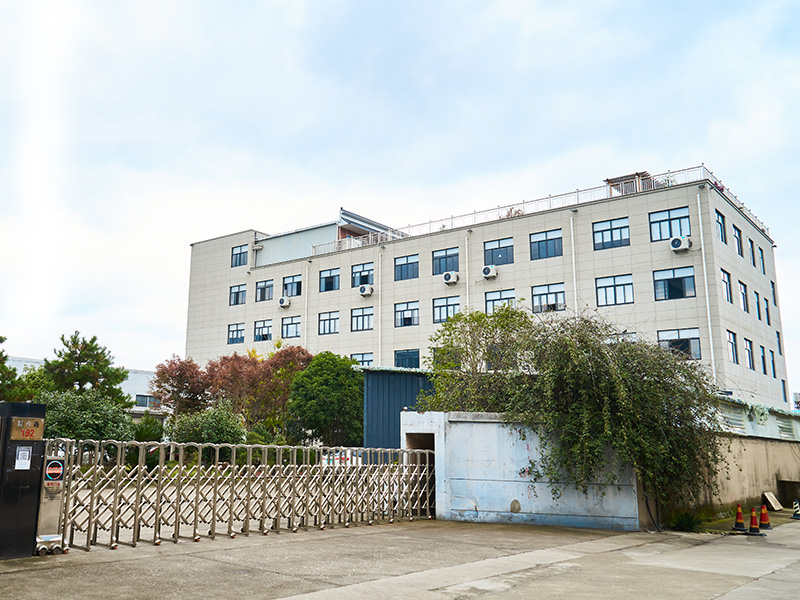
Our primary manufacturing division, Ningbo Jianheng Import And Export Co., Ltd. (operating alongside Ningbo Yuancheng Plastic Co., Ltd.), has served the international market for over 20 years. Operating out of our modern 10,750-square-meter facility, we provide end-to-end production capabilities for B2B buyers seeking high-reliability solar lighting systems.
With 105 skilled technicians on our production lines and a 15-person engineering and customer service support team, our operations are optimized to handle both high-volume standardized manufacturing runs and custom engineering projects. Located in Ningbo, we benefit from direct proximity to one of the world's largest deep-water shipping ports. This strategic location helps minimize logistics overheads, simplify supply chain management, and reduce international transport times.
We source raw ingot, extrusion aluminum, optical-grade acrylic, and custom PCB chip mounts directly from local raw materials suppliers in Zhejiang province. This local integration reduces delays and lowers costs.
Our 7-day fast proofing service allows distributors and industrial buyers to quickly evaluate structural and electrical modifications before committing to large-scale production orders.
We customize multiple product features, including custom LED optics, custom housing colors, specialized bracket mounts, dual-sensor motion profiles, and integrated private labeling.
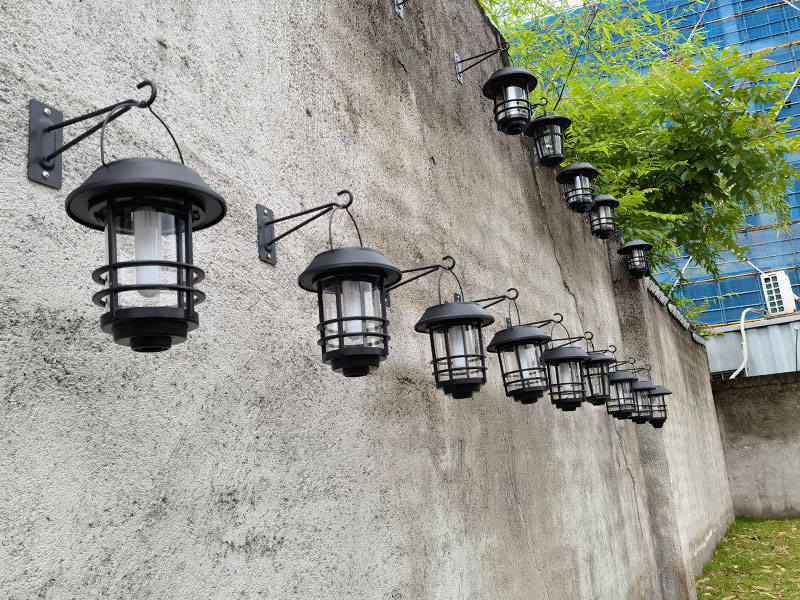
A standard solar floodlight often struggles when deployed in extreme regional climates. Our engineering team designs customized configurations tailored to the specific environmental challenges of key global markets:
In high-temperature desert environments, standard lithium batteries degrade quickly, and dust build-up reduces panel performance. We engineer systems with:
High humidity and saline sea air can accelerate corrosion in standard outdoor light fixtures. To address these marine conditions:
Low winter sun angles and freezing temperatures present unique challenges for battery chemistry. Our cold-climate solutions feature:
Operating as Ningbo Yuancheng Plastic Co., Ltd., quality control is integrated at every step of our manufacturing workflow. Every production run is documented, ensuring full traceability from raw materials to final packaging.
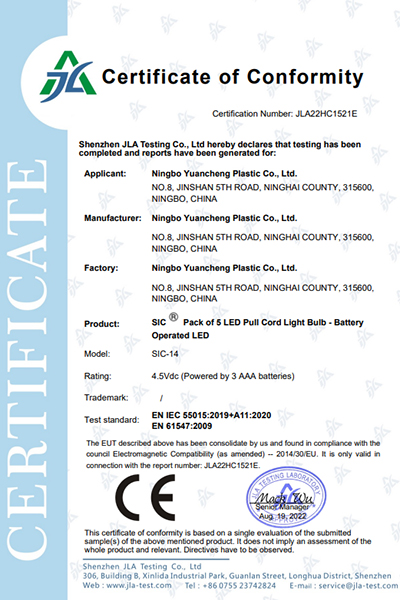
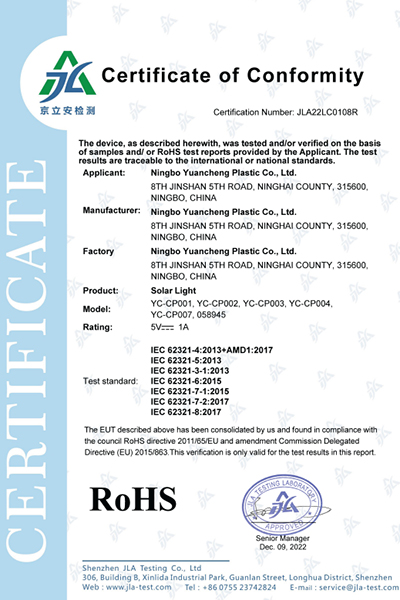
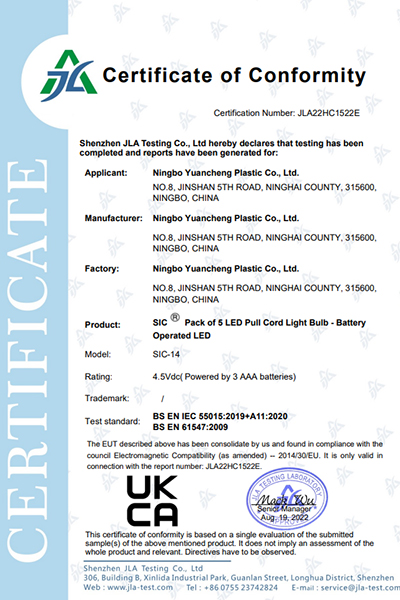
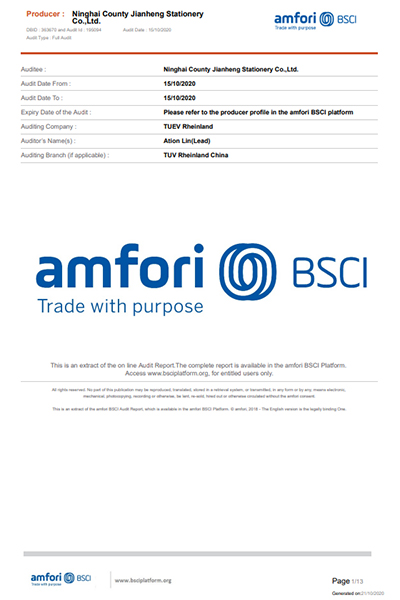
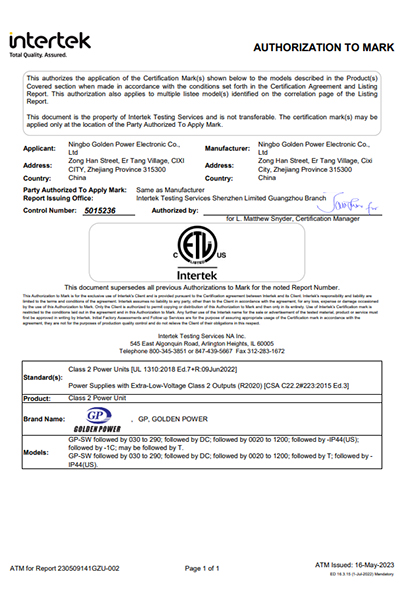
Our factory facilities are fully certified to ISO9001 and BSCI requirements. For global market access, our product lines are certified to meet CE, RoHS, UKCA, and LVD standards, ensuring compliance for public projects, tender approvals, and distribution in strictly regulated regions.
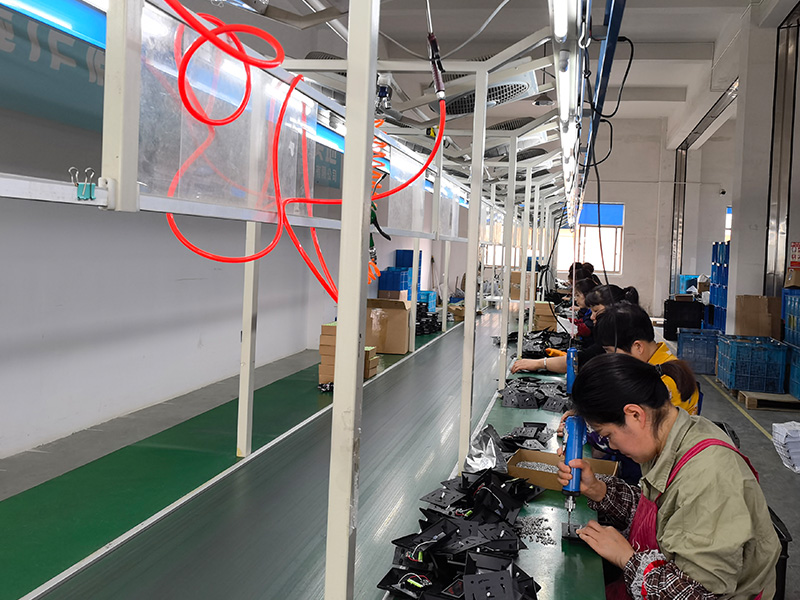
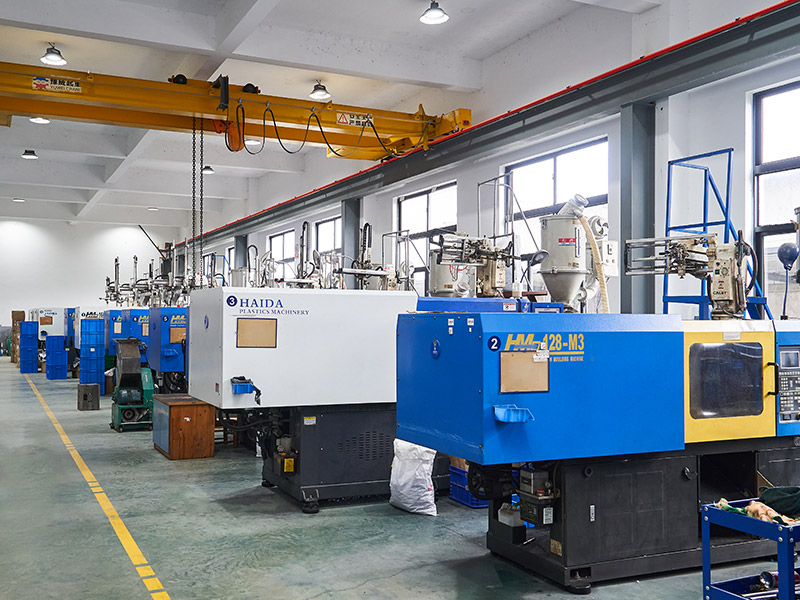
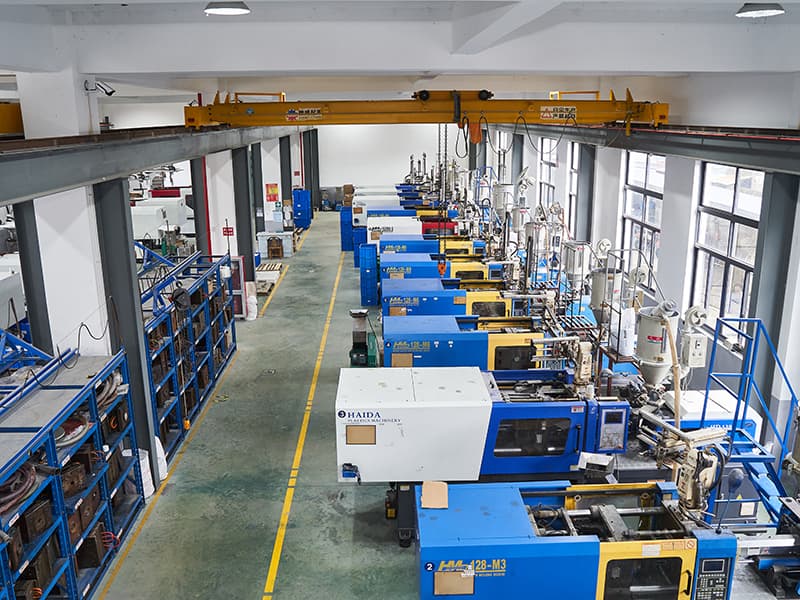
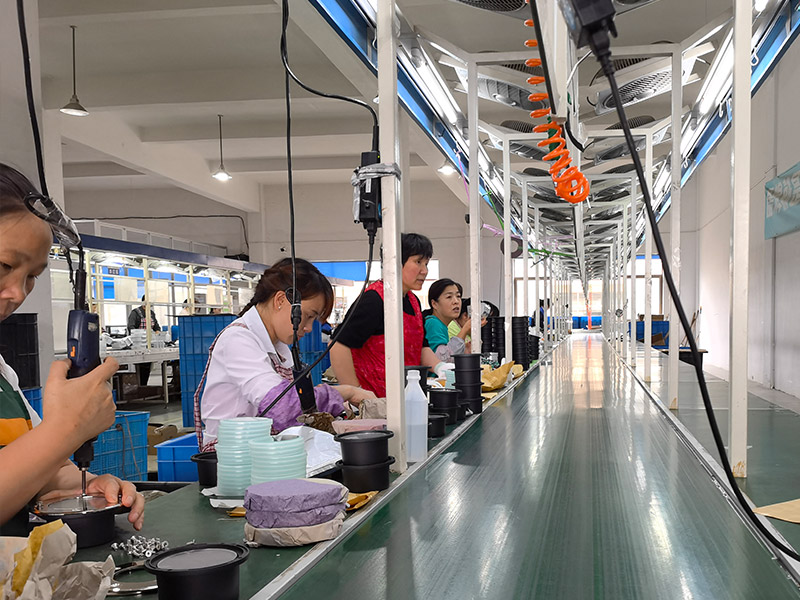
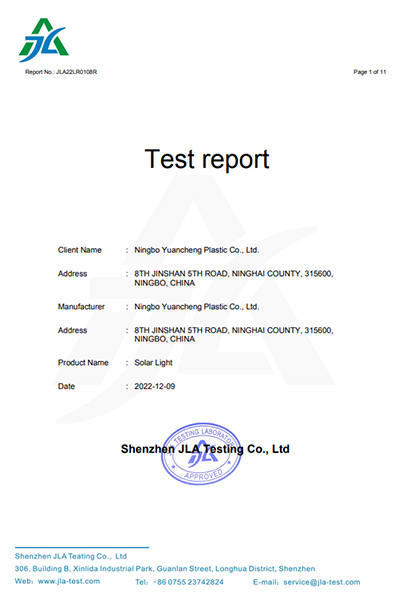
Our testing protocol includes three stages of quality control:
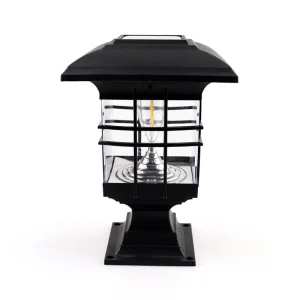
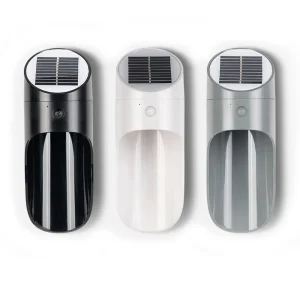
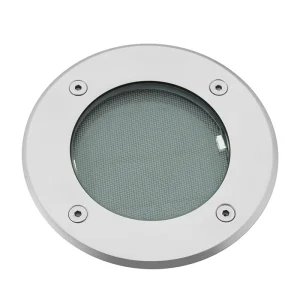
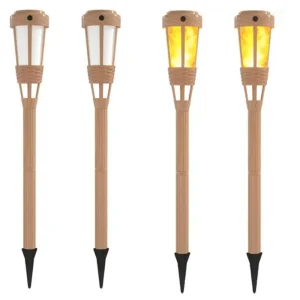
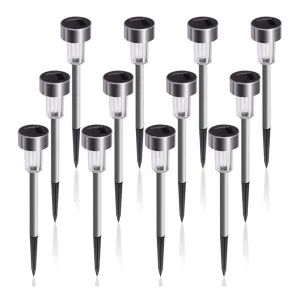
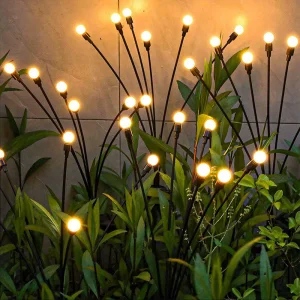
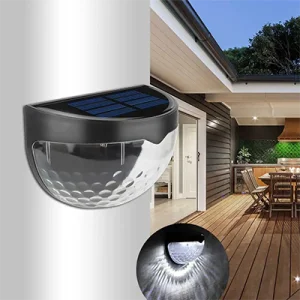
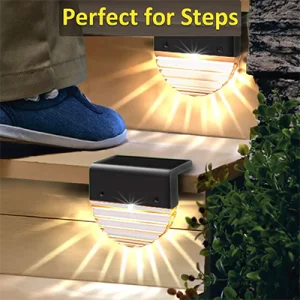
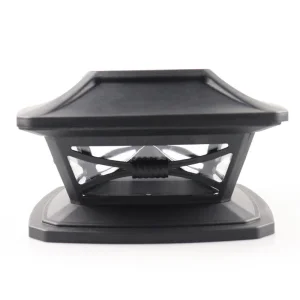
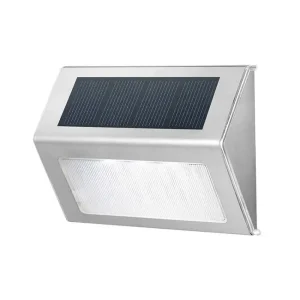
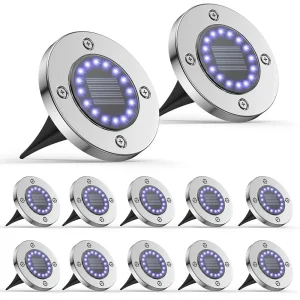
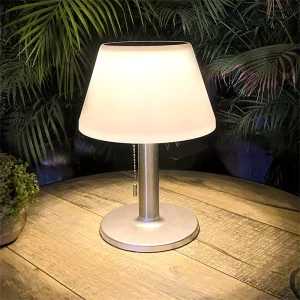
Raw Material & Technical Archive Note: The manufacturing units are fabricated in accordance with technical drawing codes and comply with international regulations. Our production systems support a wide range of solar solutions, including outdoor solar pathway lighting, wall sconces, ground lights, and cap systems, designed for durable operation across gardens, parks, municipal streets, and commercial perimeters.
 Jianheng