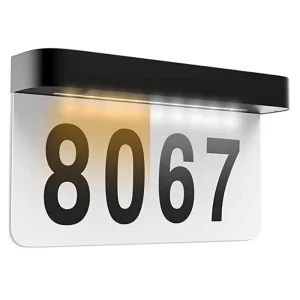
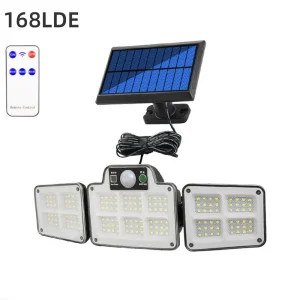
Explore our premium range of commercial and residential outdoor solar luminaires engineered for structural durability and optimum photometric performance.
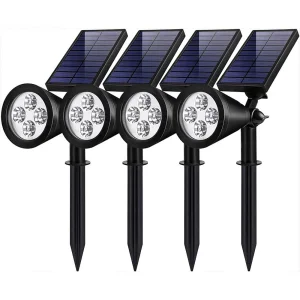
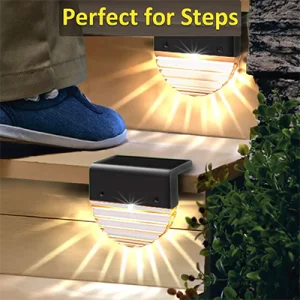

In municipal and industrial utility lighting, the 150W solar street light represents the golden standard for balancing power consumption, luminaire height, and ground-level lux distribution. Far from being a mere consumer product, a professional-grade 150W solar configuration combines high-luminous-efficacy LED engines, ultra-long-life energy storage batteries, and smart tracking controllers to deliver reliable illumination in demanding environments.
Modern industrial solar lighting relies heavily on optical engineering. A standard 150W light generates between 18,000 to 24,000 lumens, depending on the luminous efficacy of the integrated chips (typically Bridgelux, Lumileds, or Cree running at 130–160 lm/W). By using customized Type II or Type III optical lenses, municipal design teams can route light along paths and vehicular roads while minimizing light pollution and backward-scattering waste.
High-capacity systems demand efficient energy harvesting. Our custom 150W street lights integrate high-purity Monocrystalline Silicon PV Panels boasting conversion efficiencies up to 22.5%. Polysilicon, while cheaper, fails to generate the required daily watt-hours within the physical size envelope permitted by wind-load restrictions on standard 8-to-12 meter poles.
| Component Specification | Standard Configuration | Premium Industrial Upgrade |
|---|---|---|
| Luminous Efficacy | 130 - 150 lm/W | 160 - 210 lm/W (Ultra-Eff) |
| Battery Chemistry | LiFePO4 (Lithium Iron Phosphate) | Grade-A EV LiFePO4 with smart BMS |
| Controller Technology | PWM (Pulse Width Modulation) | MPPT (Max Power Point Tracking) IoT Smart Grid |
| Solar Panel Type | High-efficiency Monocrystalline | Bifacial N-Type Mono-Crystalline |
| Chassis & Heat Sink | Die-Cast ADC12 Aluminum | Anodized Marine-Grade Aluminum (C5 Corrosion Resistant) |
The brain of the modern solar street light is its charge controller. By transitioning from PWM to Maximum Power Point Tracking (MPPT), our systems harvest up to 30% more energy during overcast days. The controller dynamically tracks the voltage-current knee curve of the monocrystalline panel, maximizing the transfer of harvested electrons to the internal lithium reservoir even during suboptimal sun angles.
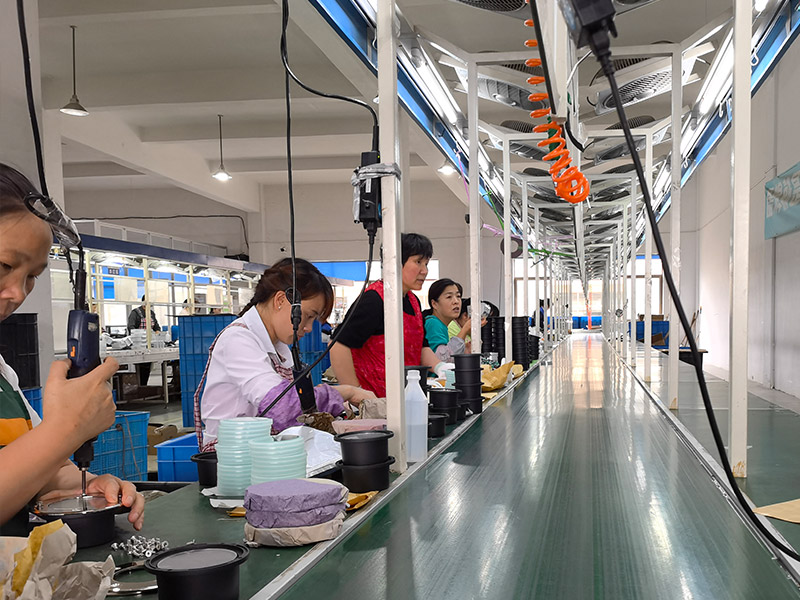
Our ISO9001 and BSCI certified factory floor operates at the intersection of scale, precision, and global regulatory compliance.
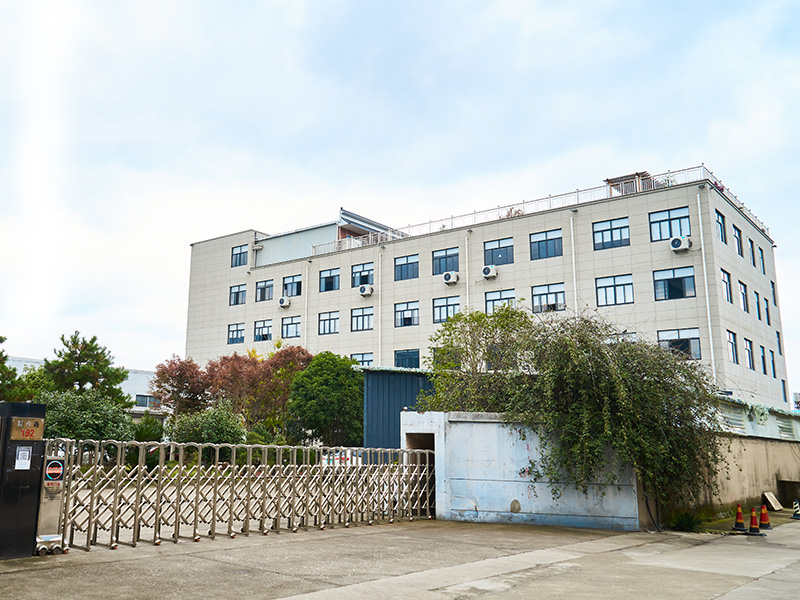
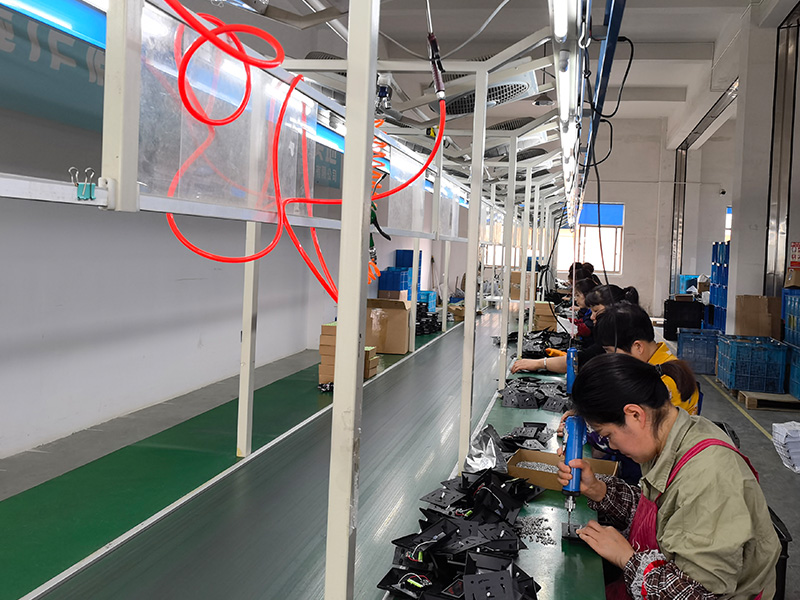
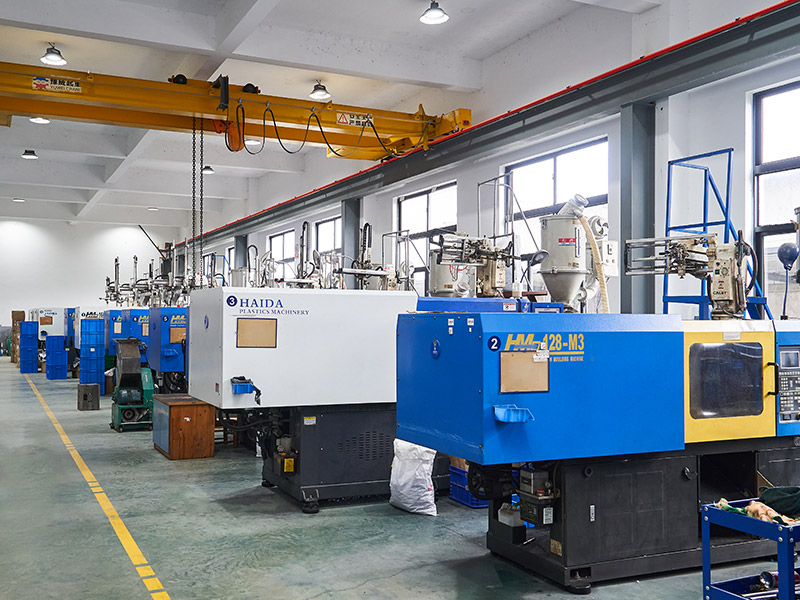
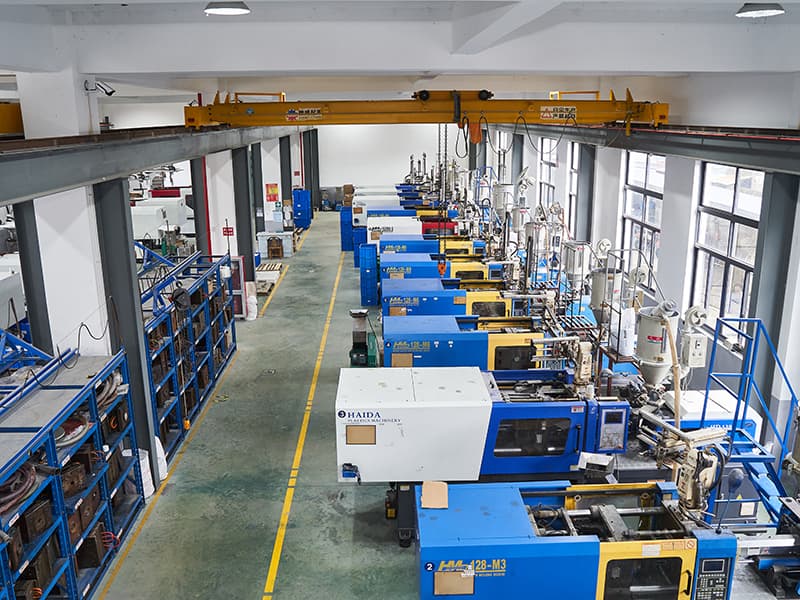
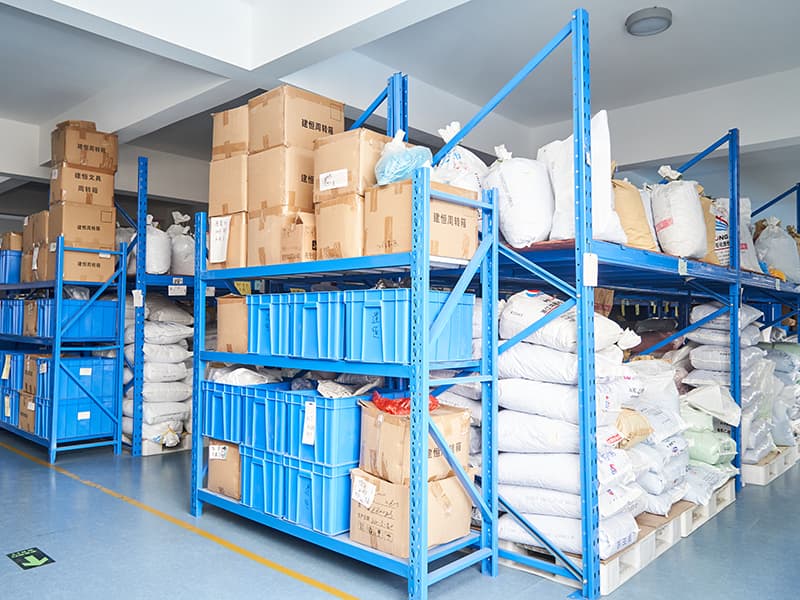
Located in the industrial manufacturing hub of Ningbo, China, Ningbo Jianheng Import And Export Co., Ltd. has spent two decades optimizing the supply chain for commercial solar street lights. Our production facilities cover an expansive 10,750 square meters. Backed by 105 highly trained shop-floor technicians and a dedicated engineering and customer-support team of 15 specialists, we operate multiple semi-automated SMT lines, advanced injection molding machines, and robotic assembly stations.
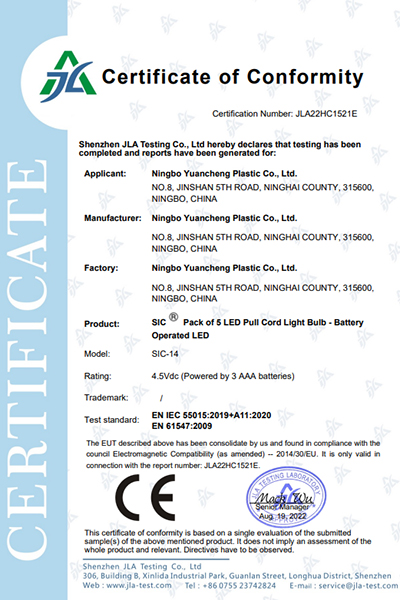
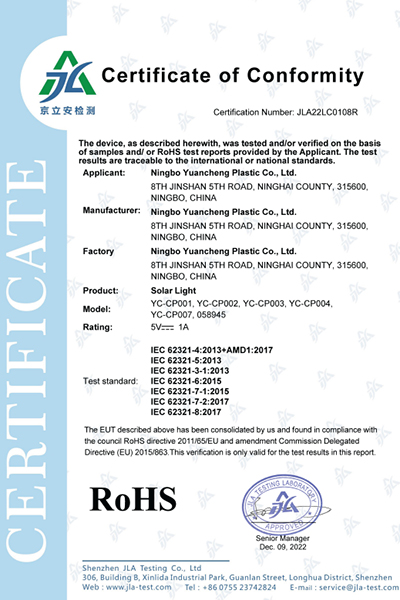
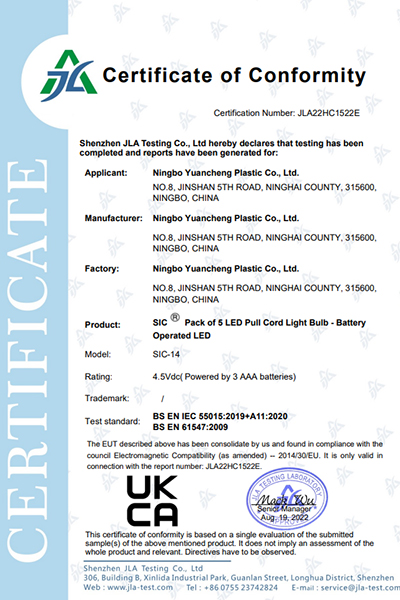
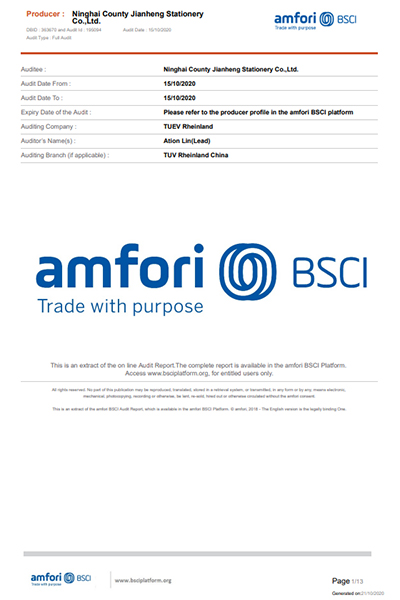
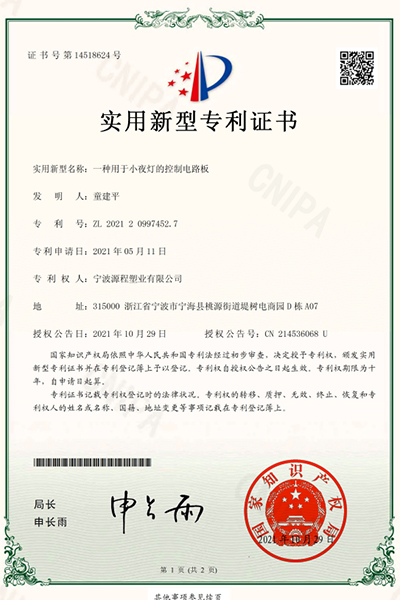
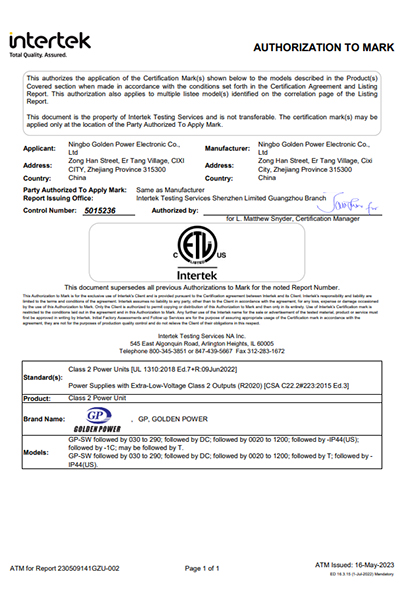
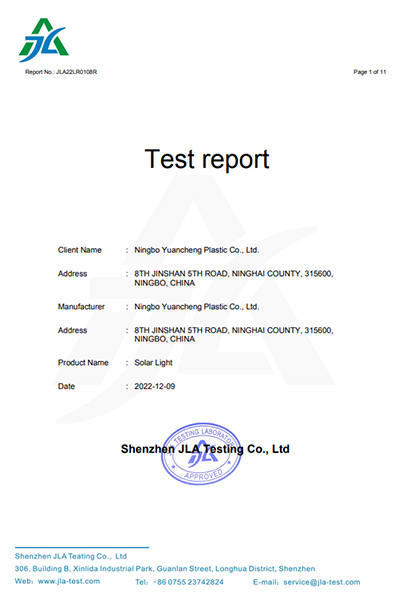
We guarantee compliance across the globe. Our factory runs on audited ISO9001:2015 and BSCI standards. All finished products hold valid CE, RoHS, UKCA, and FCC markers to ensure seamless customs clearance and municipal approval.
Accelerate your project milestones. With in-house optical engineering, CNC machining, and plastic/metal extrusion, we can take a custom physical specification or engineering sketch and produce functional pre-production prototypes in 7 business days.
Partnering with Ningbo Yuancheng Plastic Co., Ltd. allows us to construct custom UV-stabilized polycarbonate lens arrays and robust ABS/Aluminum frames, customized to your local climate conditions, from desert heat to saline coastal winds.
A solar street light operates under extreme geographic stresses. A configuration optimized for the arid, high-temperature deserts of Saudi Arabia requires fundamentally different thermal dissipation pathways and sand-ingress resistance than a street light intended for the sub-zero winters of Northern Europe.
For coastal highways and ports, marine salt spray corrodes typical aluminum frames. Our custom marine-grade luminaires use high-purity aluminum alloys treated with electrophoretic paint coatings. The mechanical components and mounts undergo continuous 500-hour salt spray tests to ensure structural longevity.
Heat is the primary enemy of lithium battery life and PV conversion. Standard lithium polymer cells swell and degrade when operating above 50°C. We design custom systems utilizing LiFePO4 cells with smart Thermal Management Systems (TMS), relocating the battery container away from the hot solar panel and burying it underground or using insulated pole mounts to control ambient temperatures.
In high-latitude countries, winter sunlight is minimal. To combat this, we optimize the panels using bifacial PV structures and program the MPPT controllers with custom firmware to run low-power, adaptive illumination algorithms. Motion sensors trigger the light to transition from 10% standby mode to 100% capacity only when pedestrian or vehicular traffic is detected, ensuring reliable all-night operation.
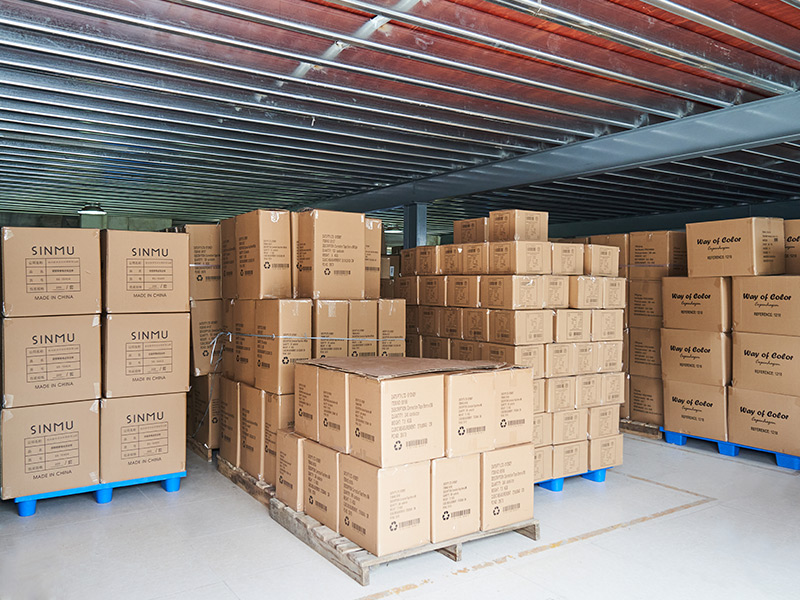
The push for decarbonization, ESG compliance, and smart-city grids has accelerated B2B solar street light procurement globally. The modern grid is shifting towards localized networks. By choosing Ningbo Jianheng, you bypass intermediaries and tap directly into the Chinese supply chain cluster in Zhejiang, gaining raw material pricing advantages, direct transport links via the Ningbo-Zhoushan port, and reliable material sourcing.
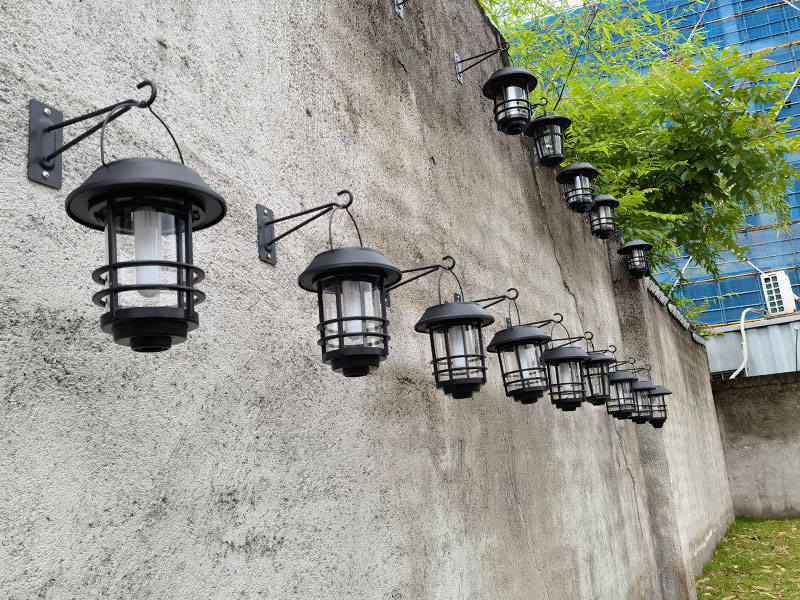
Our custom street lighting lines conform to structural wind-load codes (up to Category 5 hurricanes), seismic zone requirements, and strict local lighting footprints (dark-sky compliance).
Exploring the next generation of municipal solar lighting, combining IoT intelligence with raw efficiency.
Our development roadmap integrates smart communication nodes directly inside the luminaire casing. Street lights form a self-healing mesh network via LoRaWAN or Zigbee, reporting real-time battery health, panel efficiency, and maintenance alerts back to city councils.
Moving beyond LiFePO4 chemistry, we are partnering with research institutes to prototype solid-state energy storage for solar lighting. These batteries offer double the energy density, high fire safety, and a operating window extending from -40°C to +85°C.
Using real-time AI computer vision models inside central hubs, lighting parameters automatically adjust based on weather conditions, traffic density, and moon phases, reducing municipal energy demands while maintaining public safety.
Choosing a reliable factory in China is more than comparing unit costs. For a 10-to-15-year infrastructure project, the initial price tag is minor compared to the operational cost of field failures. B2B procurement managers should look for these factors:
Our rapid prototyping system reduces lead times for complex custom municipal orders:
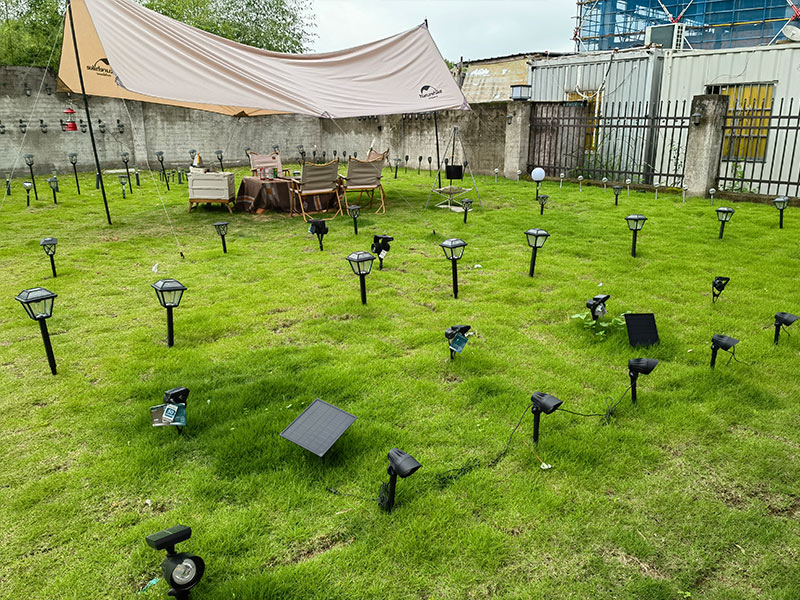
A tour through our specialized machining and assembly departments, reflecting state-of-the-art technology.
Common questions from B2B clients, project engineers, and global municipal procurement teams.
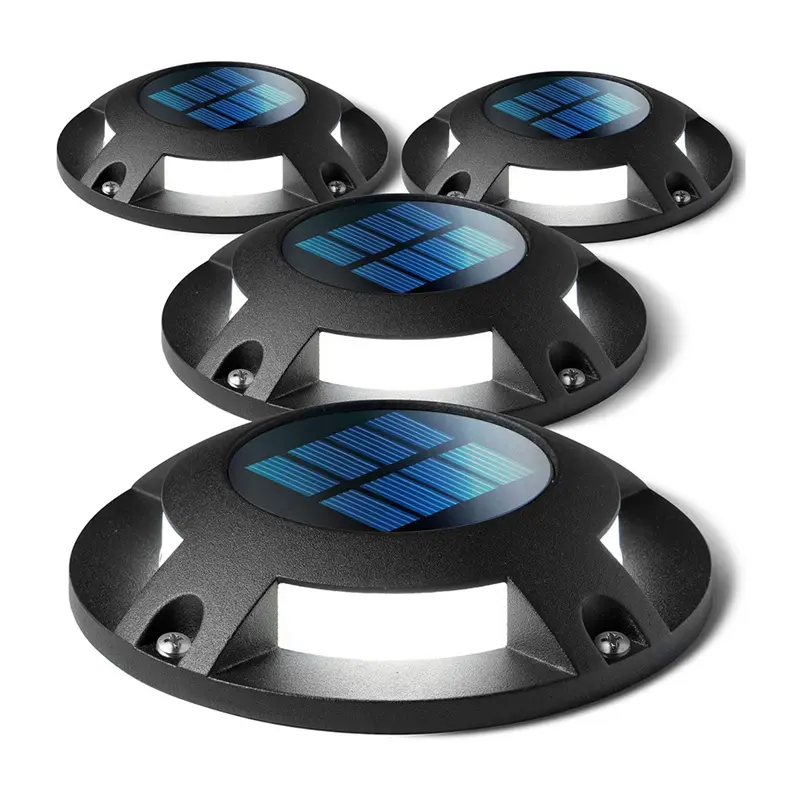
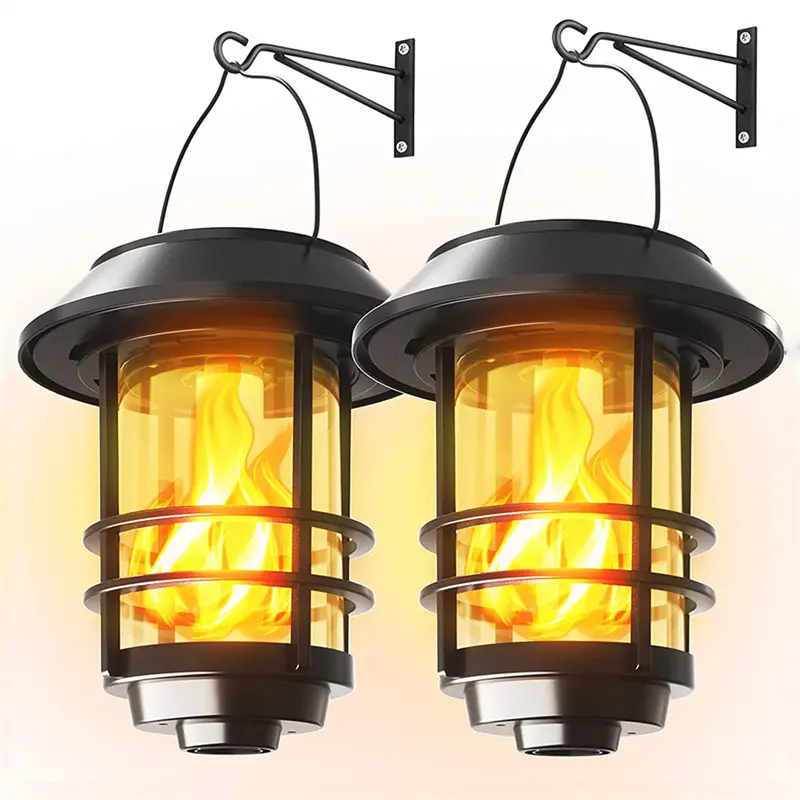
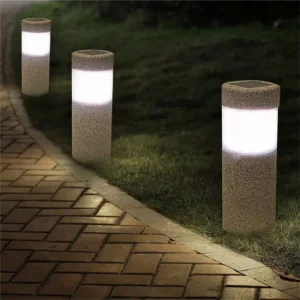
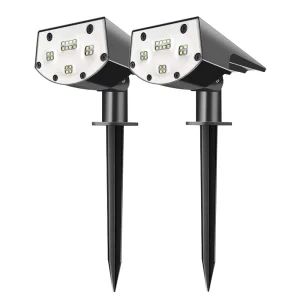
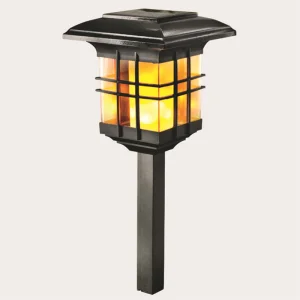
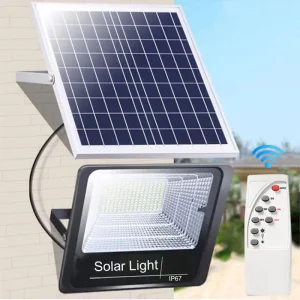
Explore our wider catalog, including multi-purpose solar floodlights, decorative cap lights, and safety systems.
 Jianheng