
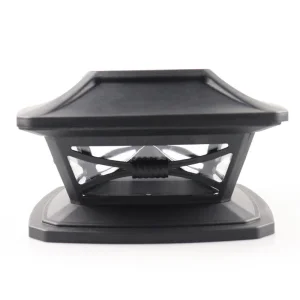
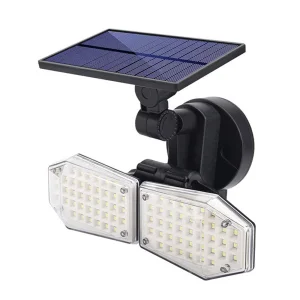
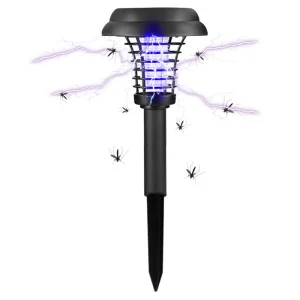
Global infrastructure deployments demand 99.9% uptime, yet solar street light failure remains a critical issue for project managers.
When a municipal or highway solar lighting system shuts down prematurely, the root cause is rarely single-faceted. Modern integrated systems connect three distinct engineering domains: photovoltaics, electrochemical storage, and intelligent micro-controllers. Understanding why a system goes dark requires analyzing component stress under extreme ambient temperatures, humidity ingress, and electrical degradation.
Through 20 years of manufacturing experience, our research indicates that over 85% of solar street light failures originate from substandard electrochemical cells or flawed charge-control loops. When components struggle under high-vibration poles, sub-zero winters, or extreme tropical heat waves, a low-cost solar design quickly displays systematic vulnerabilities.
Standard lead-acid or cheap lithium NCM cells degrade when exposed to continuous high temperatures. Excessive heat accelerates chemical breakdowns, diminishing capacity until the system cannot output enough voltage to bridge nights.
Without an algorithm-driven MPPT (Maximum Power Point Tracking) smart controller, basic PWM modules suffer efficiency drops in partial shade. Additionally, lack of surge protection leads to firmware failure during electrical storms.
Dust deposition, micro-cracks in monocrystalline arrays, or yellowing encapsulation plastic reduce solar transmittance. Over time, output currents drop below the charging threshold of the integrated battery system.
Precision engineering limits failure rates to <0.05% through complete supply-chain supervision.
Established as a specialized manufacturer, Ningbo Jianheng Import And Export Co., Ltd. (operating alongside Ningbo Yuancheng Plastic Co., Ltd.) serves global commercial markets with robust outdoor lighting systems. Backed by 20 years of experience, we optimize every detail of our solar panels, smart controllers, and housing systems to withstand harsh outdoor conditions.
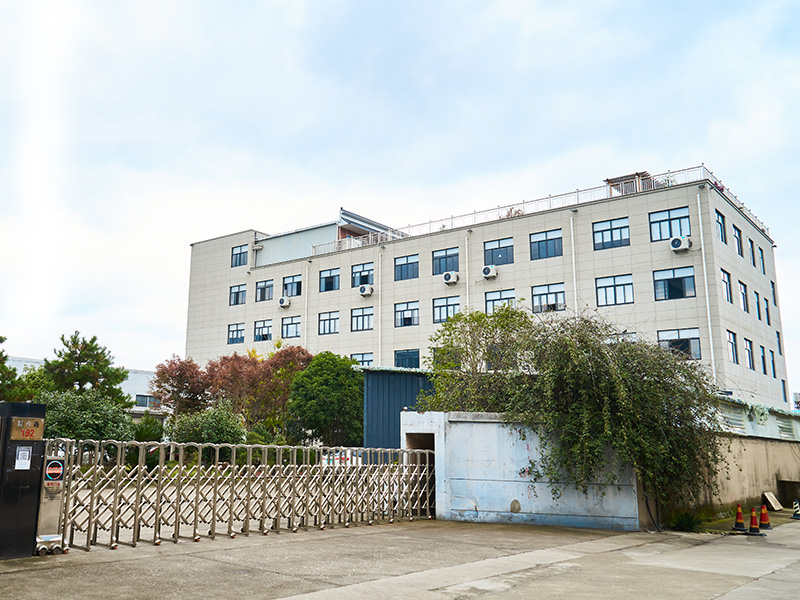
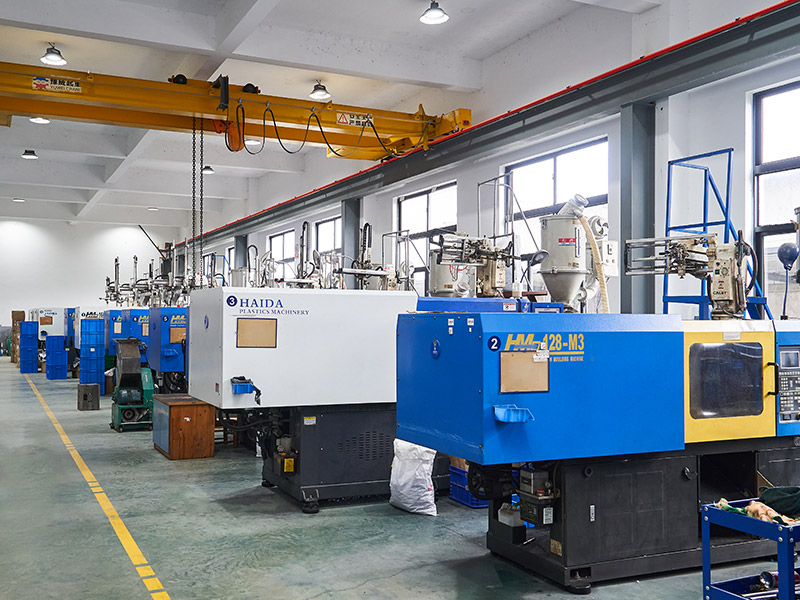
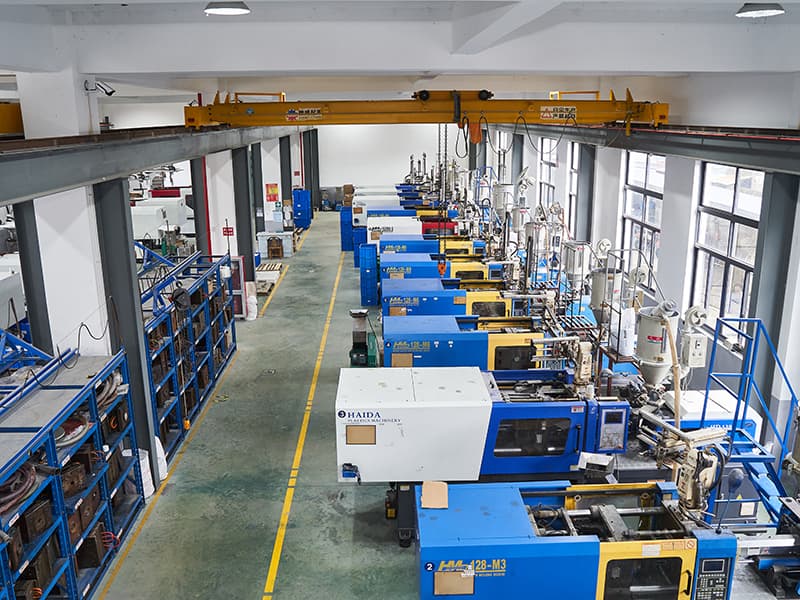
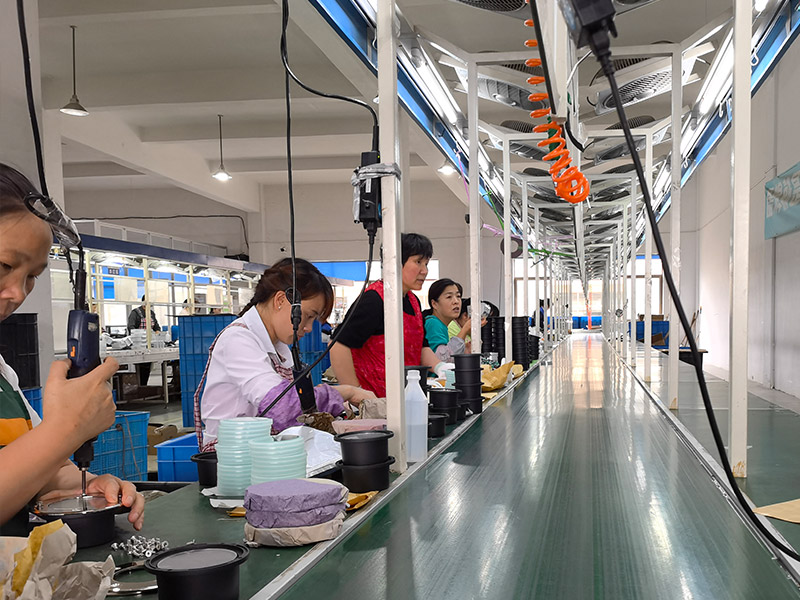
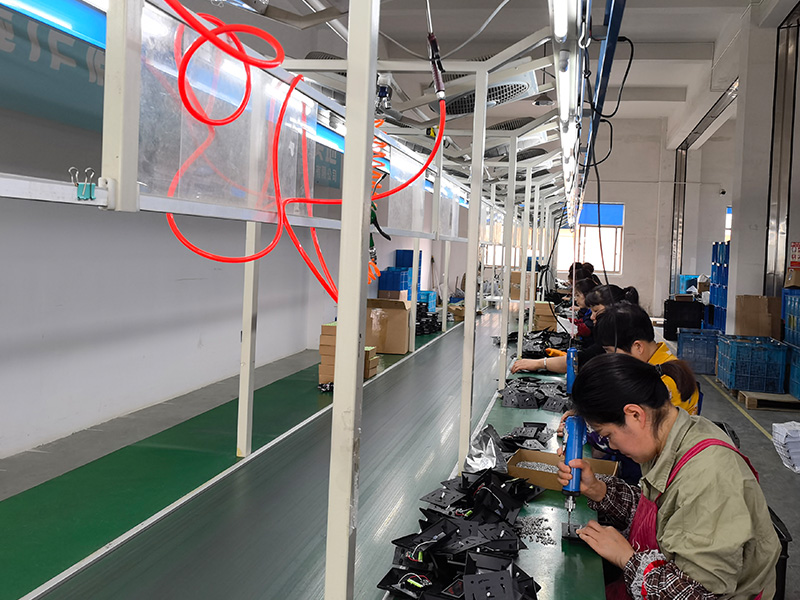
Our state-of-the-art facility covers 10,750 square meters, utilizing automation machinery for silicon cutting, PCB surface installation, and clean-room battery assembly. With 105 technicians and 15 operations staff, we maintain consistent production standards, meeting strict project schedules for distributors and importers globally.
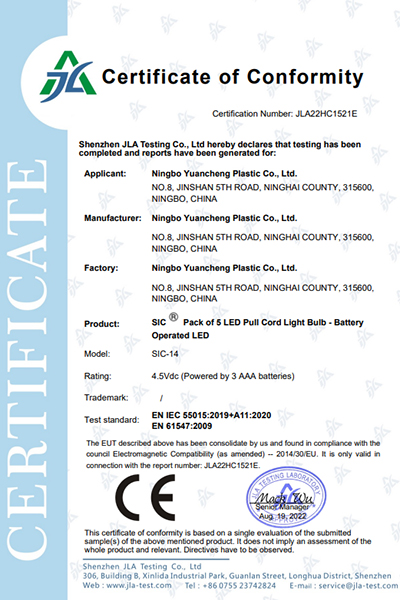
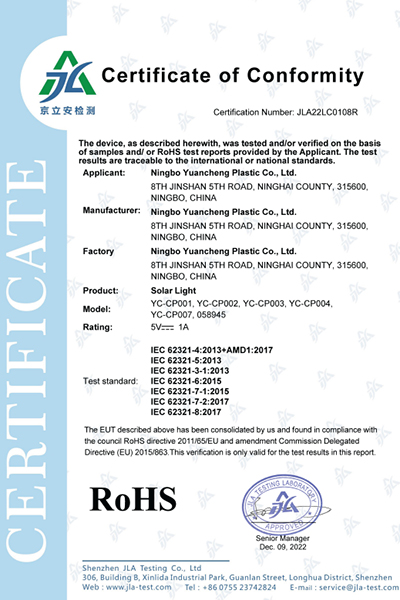
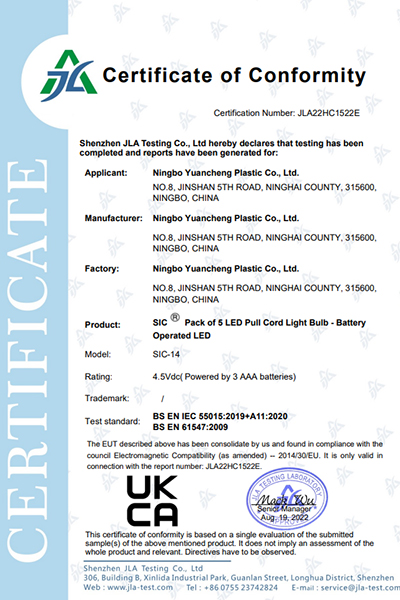
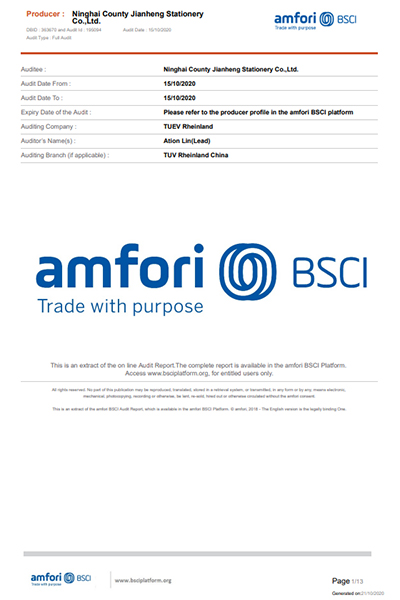
Our facilities meet international social and operational standards, ensuring compliant manufacturing and supply processes.
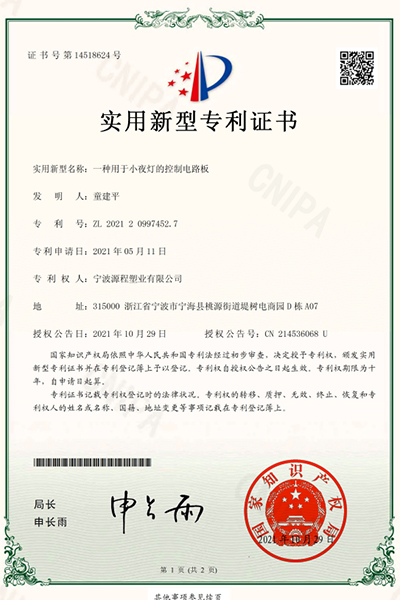
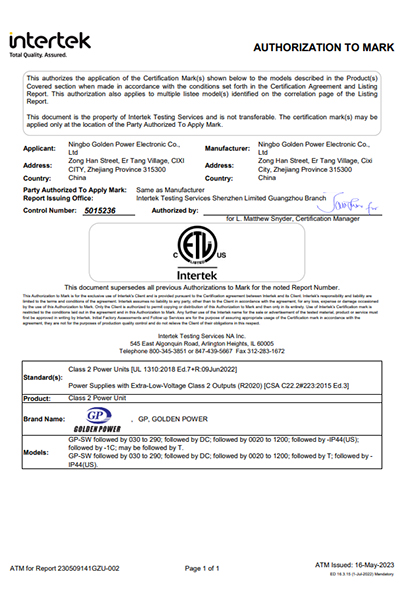
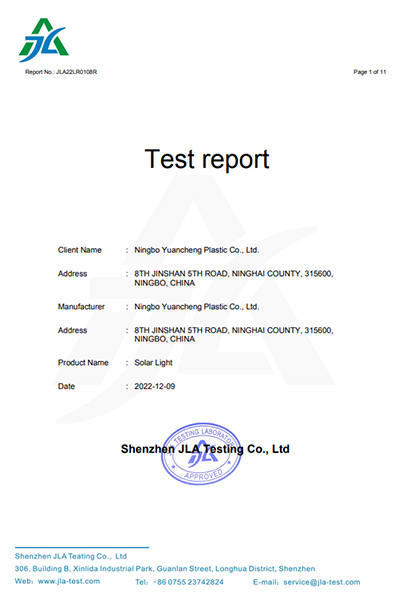
Our products undergo testing to comply with electromagnetic, safety, and hazardous material regulations in Europe and North America.
We customize solar systems to project specifications, modifying brightness curves, sensor profiles, and structural brackets.
Compare our custom-engineered specifications against standard retail-grade solar products that are prone to premature failure in commercial environments.
| System Module | Common Industry Failure Point | Our Engineered Solution (Ningbo Jianheng) | B2B Advantage |
|---|---|---|---|
| Battery Storage | Recycled NCM cells that fail within 6-12 months of high-temperature operation. | Premium grade LiFePO4 cells paired with balancing BMS circuits. | Extends operational life to over 8 years, even under thermal stress. |
| PV Conversion | Polycrystalline PV plates with 14% conversion rates that struggle in overcast conditions. | Monocrystalline PERC solar panels offering conversion rates of 21% or higher. | Maintains battery charge during consecutive overcast or rainy days. |
| IP Water Protection | IP65 ratings using standard foam gaskets that leak under heavy rain. | IP68 ratings with dual-ring silicone seals and pressure-equalizing vents. | Eliminates internal condensation and circuit board corrosion. |
| LED Driver & Controller | Basic PWM controllers lacking low-voltage disconnect protection. | MPPT smart controllers featuring programmable motion-sensing profiles. | Optimizes runtime by automatically dimming when motion is not detected. |
The solar lighting sector is transitioning from basic standalone units to connected, smart grid nodes. As cities expand their smart infrastructure, solar street lights are becoming platforms for IoT arrays, micro-sensors, and local cellular transceivers.
1. Smart Cities & IoT Monitoring: Modern projects require remote diagnostic monitoring. Integrated IoT controllers now report real-time battery status, solar conversion rates, and component faults directly to centralized asset management systems. This predictive maintenance identifies issues before a light fails in the field.
2. Bifacial Solar Panel Technology: Bifacial solar panels generate power from both sides, capturing reflected light from roads and paths. This design increases energy generation by up to 20% compared to traditional single-sided modules.
3. Advanced Thermal Management: High ambient temperatures reduce battery performance. Modern solar systems place batteries underground or construct double-walled thermal shields around them to protect cells from direct solar heat.
This behavior is typically caused by battery capacity loss or an incorrect charge termination profile. When standard batteries degrade, their internal resistance rises, triggering a premature high-voltage cutoff during charging. As a result, the controller assumes the battery is full when it only holds a fraction of its rated capacity. Upgrading to high-quality LiFePO4 cells managed by an advanced BMS resolves this issue.
Sub-zero temperatures decrease the charging efficiency of standard lithium batteries. If charged below 0°C (32°F) without protection, lithium plating can occur on the anode, causing internal short circuits and cell failure. Our high-spec systems include smart temperature monitoring and heating elements within the battery compartment to ensure safe charging and discharge cycles throughout winter.
PWM controllers simply connect the solar panel directly to the battery, which forces the panel to operate at the battery's voltage, dropping efficiency by 20-30%. MPPT controllers dynamically adjust voltage and current to maximize power transfer. This optimization ensures reliable operation, especially during overcast days or in partially shaded installations.
IP65 ratings protect against water jets but do not account for thermal contraction and expansion. As the light cycles between hot daytime temperatures and cool nights, internal pressure changes can draw humid air through seals, resulting in condensation over time. Our products feature pressure-equalizing vents and IP68 seals to keep internal components completely dry.
We provide a 7-day rapid prototyping service. This allows us to produce fully functional samples for client evaluation, photometric testing, and design adjustments before commencing high-volume manufacturing.
Importing into Europe requires CE and RoHS compliance. The UK market requires UKCA markings, and many public tenders demand BSCI and ISO9001 factory audits. Ningbo Jianheng holds all these certifications, facilitating smooth customs clearance and project approvals.
We use high-purity monocrystalline cells and encapsulate them in UV-resistant EVA sheets under controlled pressure and temperature. The solar panel is then secured within a corrosion-resistant anodized aluminum frame to prevent micro-cracks from wind loads and temperature fluctuations.
We offer a comprehensive warranty covering the entire system: 3 to 5 years for battery and control systems, and 10 to 15 years for the solar panel's power output. This ensures long-term return on investment for municipal and private projects.


 Jianheng