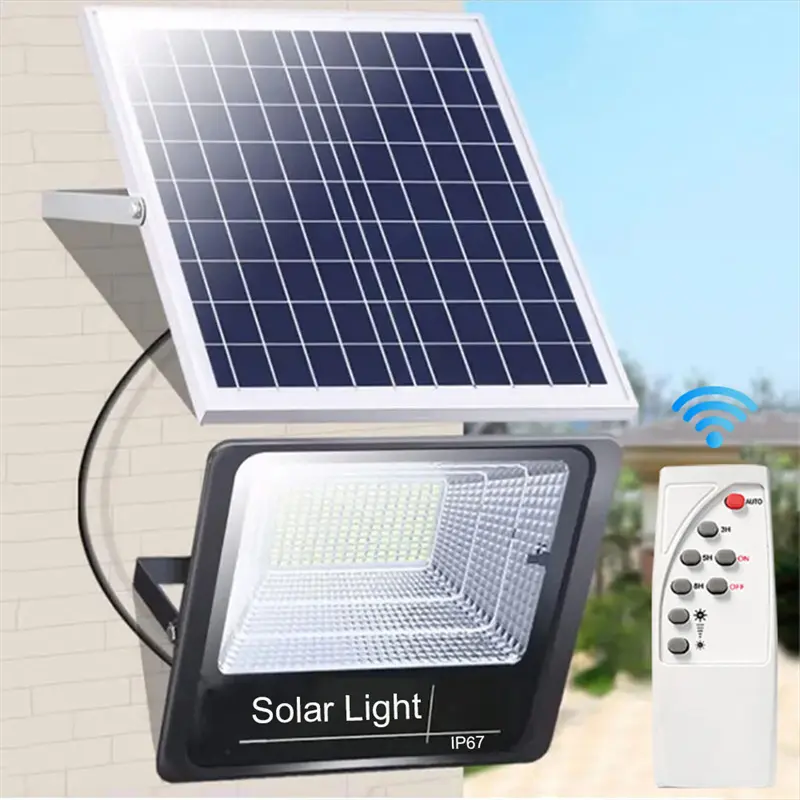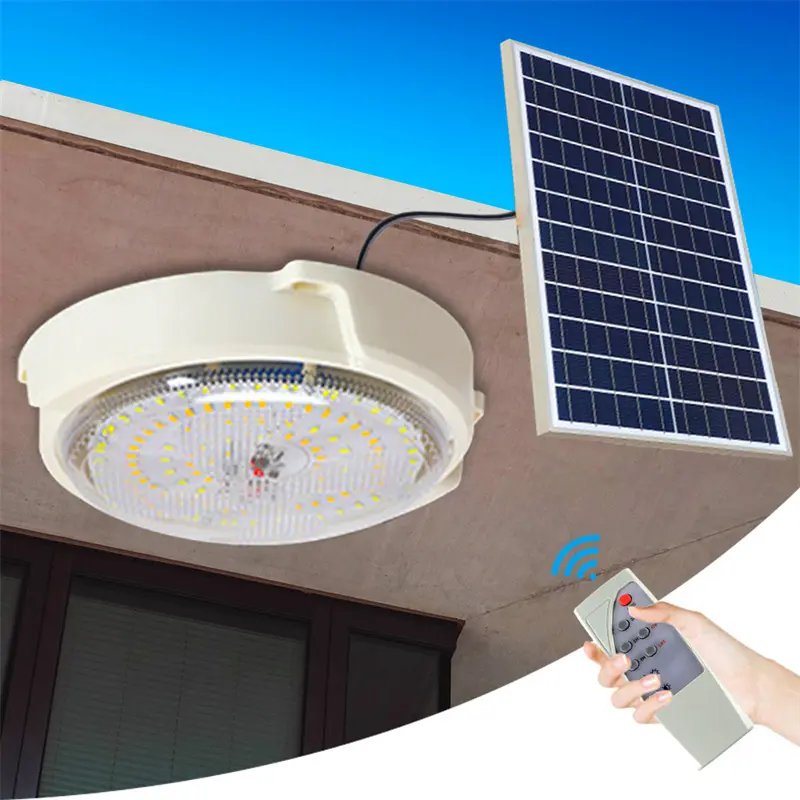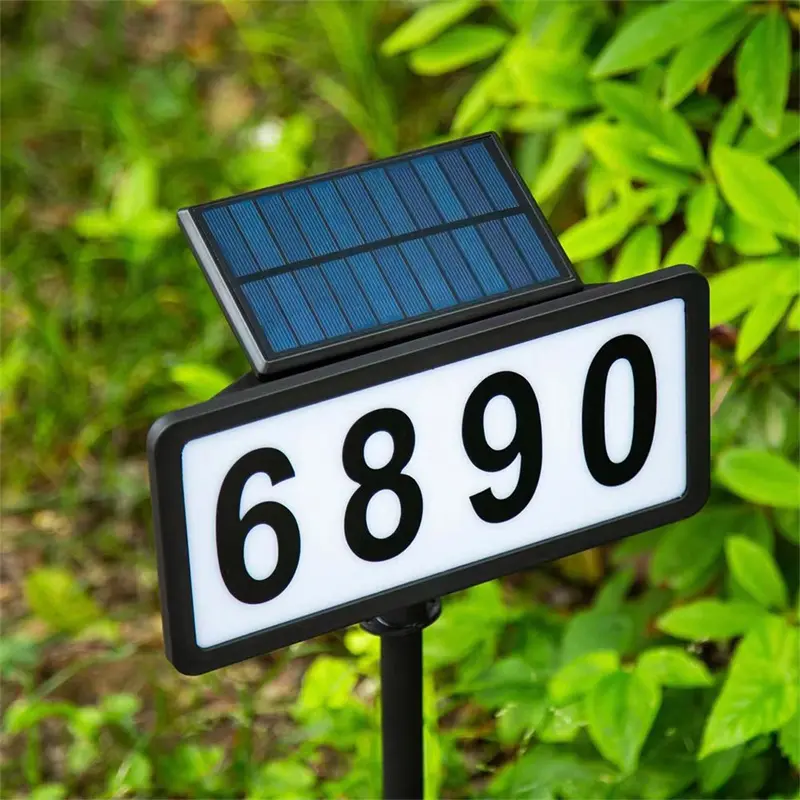
In modern municipal planning, grid independence has transitioned from an environmental aspiration to a core engineering mandate. Among the broad spectrum of smart photovoltaic fixtures, the 60-Watt solar street light occupies a critical sweet spot. Capable of generating luminous flux outputs between 7,200 to over 10,800 lumens when coupled with high-efficacy LED chip technology (reaching up to 180 lm/W), the 60W configuration is highly versatile. It satisfies standard roadway illumination categories (M3 and M4) without demanding oversized solar panels or excessively high battery bank reserves. This technical brief details the engineering benchmarks, manufacturing protocols, supply chain configurations, and localized adaptations that global procurement officers must evaluate when partnering with Chinese manufacturers.
Harnessing Bridgelux & Lumileds multi-die arrays to push system levels to 180+ lm/W output efficiency.
Utilizing high-grade A-class monocrystalline panels with conversion rates exceeding 22%.
Equipped with advanced LiFePO4 battery cells offering 3,000+ depth-of-discharge cycles.
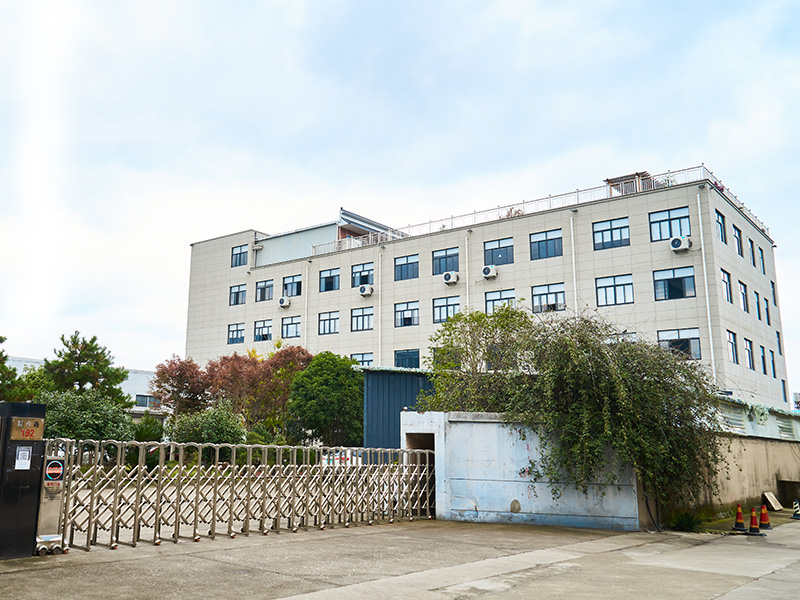
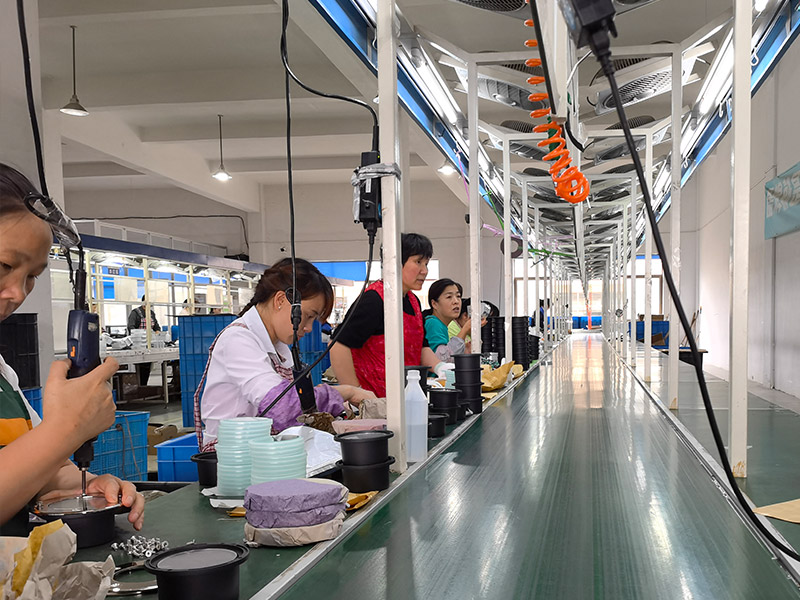
China's dominance in the global solar street lighting supply network is supported by deep cluster integration. Ningbo, a global hub for shipping, plastics, and precision electrical engineering, represents the core of this industrial capability. Ningbo Jianheng Import And Export Co., Ltd. (operating with its manufacturing facility, Ningbo Yuancheng Plastic Co., Ltd.) brings 20 years of manufacturing history to the table. Our facility features advanced tooling and strict operational controls designed to meet high quality standards.
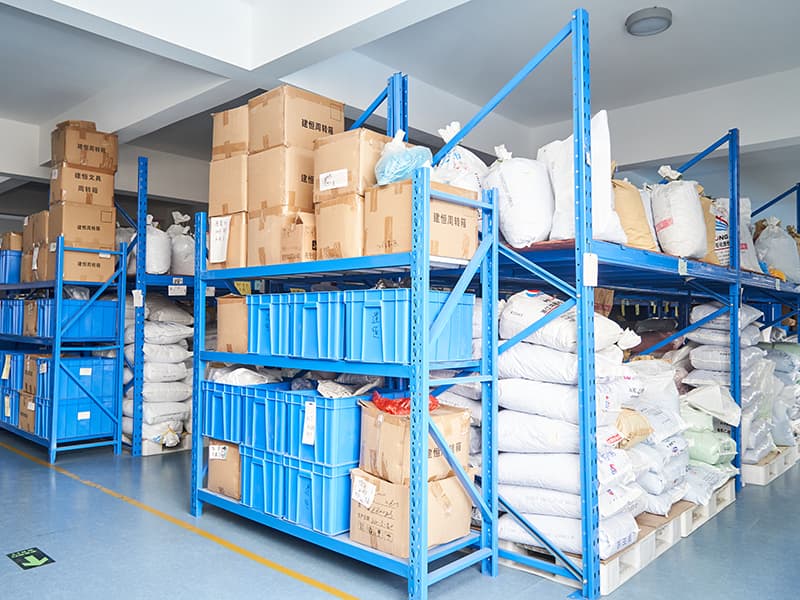
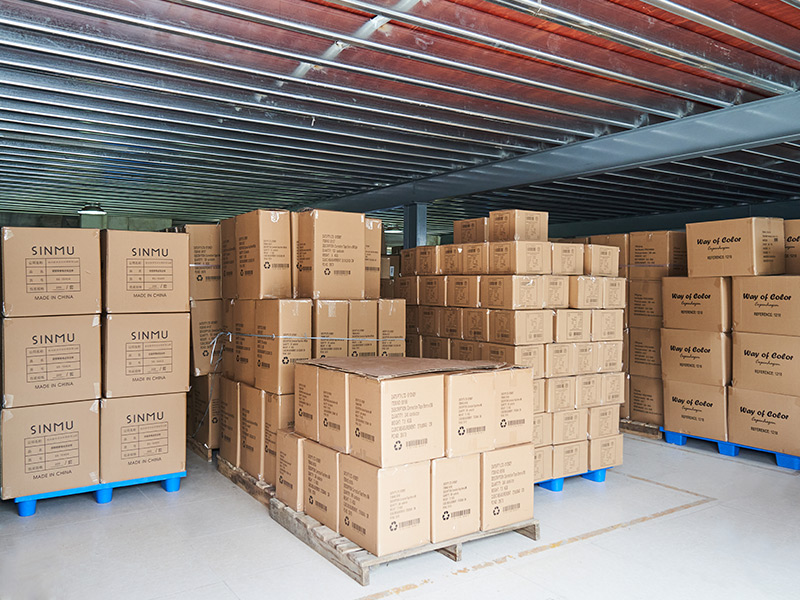
By keeping structural casting, plastic injection molding, and electronic assembly within the same local ecosystem, Ningbo suppliers can reduce standard transaction costs. This localized network ensures that critical input raw materials, such as monocrystalline silicon wafers, aluminum alloy profiles, and specialized polycarbonate lenses, are continuously fed into production processes under strict quality controls. Our 10,750 square meter manufacturing facility is engineered to run high-capacity production lines alongside flexible OEM/ODM custom setups.
As a leading developer in the solar outdoor illumination sector, our operating model prioritizes process integrity. The combination of Ningbo Jianheng Import And Export Co., Ltd. and our specialized production facility, Ningbo Yuancheng Plastic Co., Ltd., allows us to control the entire life cycle of product development. Backed by 105 factory specialists and a dedicated 15-person client management office, we maintain full control over lead times, structural customization, and configuration management.
Whether processing high-volume municipal tenders or custom engineering specialized projects for complex environments, our systems are set up to handle challenging technical specifications. We address key design factors such as local solar radiation values (peak sun hours), regional wind velocity ratings, and humidity challenges to ensure our products deliver reliable performance in the field.
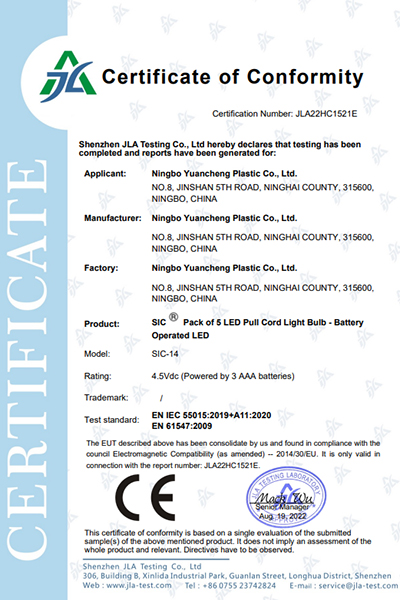
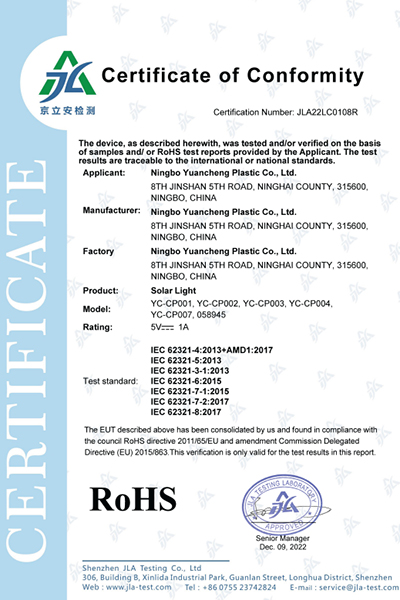
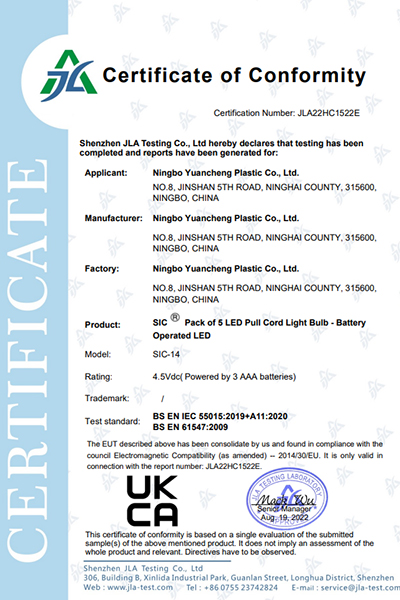
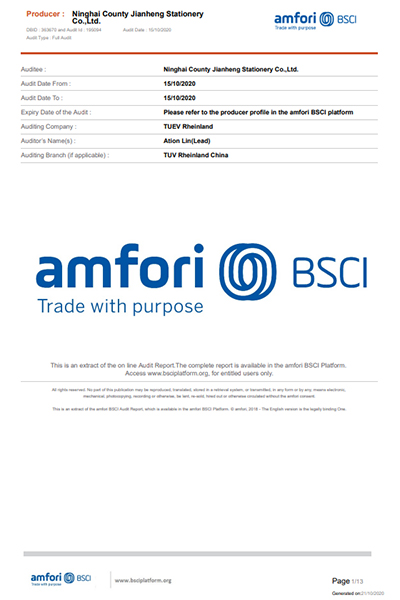
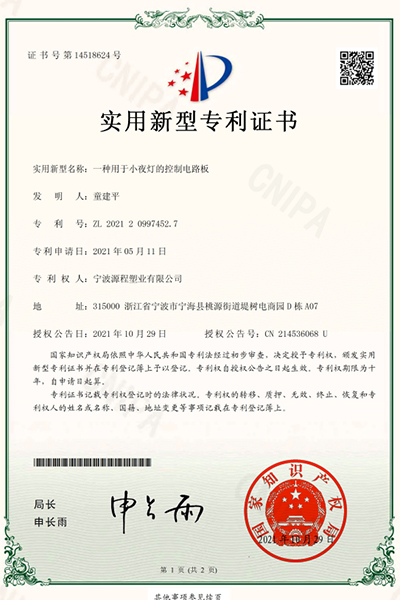
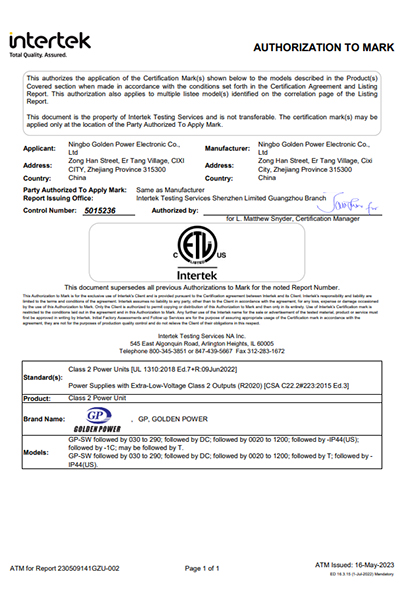
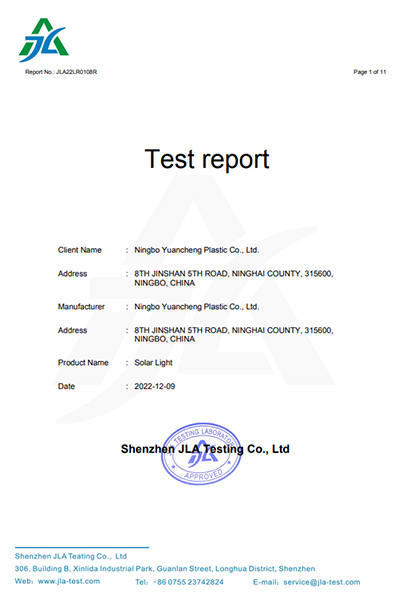
Purchasing professional solar lighting equipment requires navigating a complex compliance landscape. Standard consumer-grade certifications are rarely sufficient for public utilities and institutional projects. Our facility is certified under BSCI (Business Social Compliance Initiative) and operates in full compliance with the ISO9001:2015 quality management standard.
Our solar street lighting designs hold certificates for entry into demanding regions, including CE (LVD/EMC), RoHS for hazardous materials compliance, and the United Kingdom's UKCA marks. These standards guide every step of our workflow, from incoming raw material inspection through to high-stress thermal chamber runs and salt spray tests for marine deployments. By addressing compliance early in design, we help procurement managers avoid project delays and installation issues.
Ensuring ethical manufacturing practices, worker safety, and consistent, traceable quality control throughout our facility.
Fully compliant with international low voltage, electromagnetic compatibility, and restriction of hazardous substances regulations.
Translating project-specific requests into functioning engineering prototypes in just seven days to streamline the approval process.
When selecting a 60W solar street light supplier, buyers should look beyond unit cost to evaluate system architecture and key performance metrics:
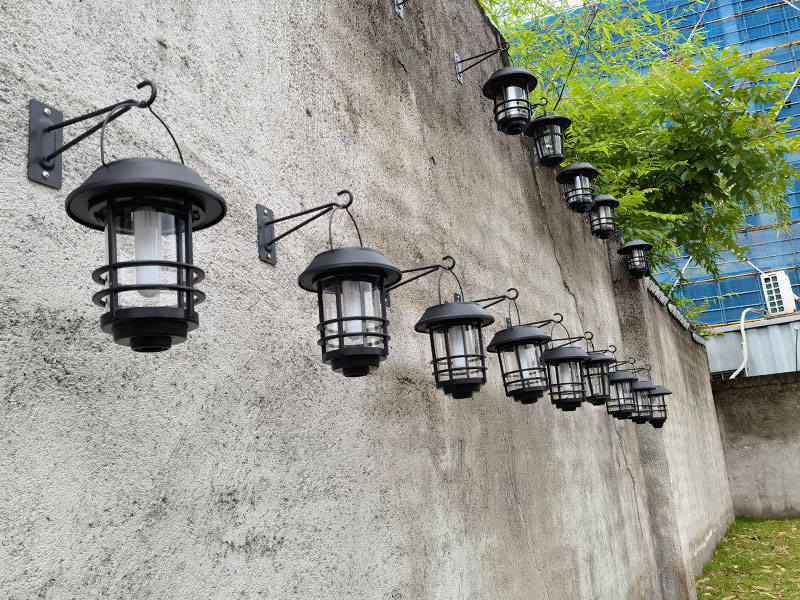
Every luminaire undergoes comprehensive functional burn-in tests to identify and eliminate early-stage component failures before shipping.
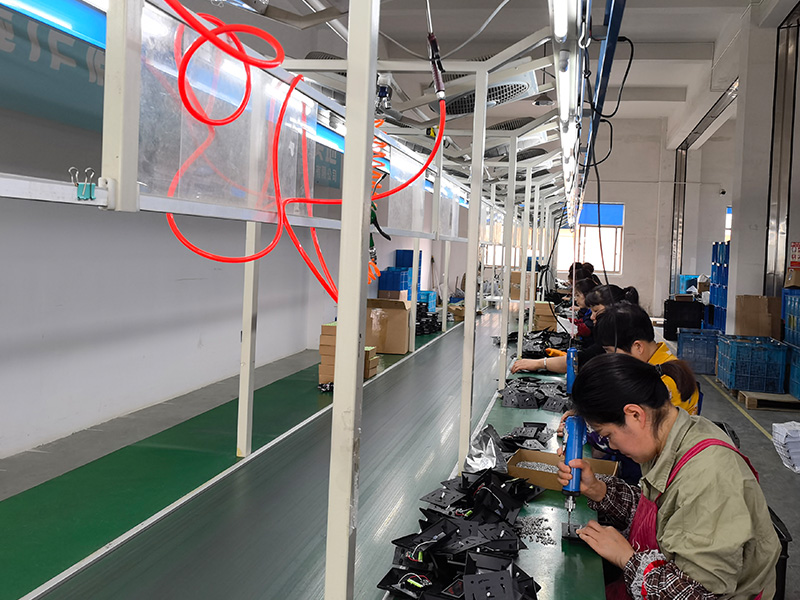
Raw components are logged and tracked from arrival through production, providing transparent tracking details for global partners.
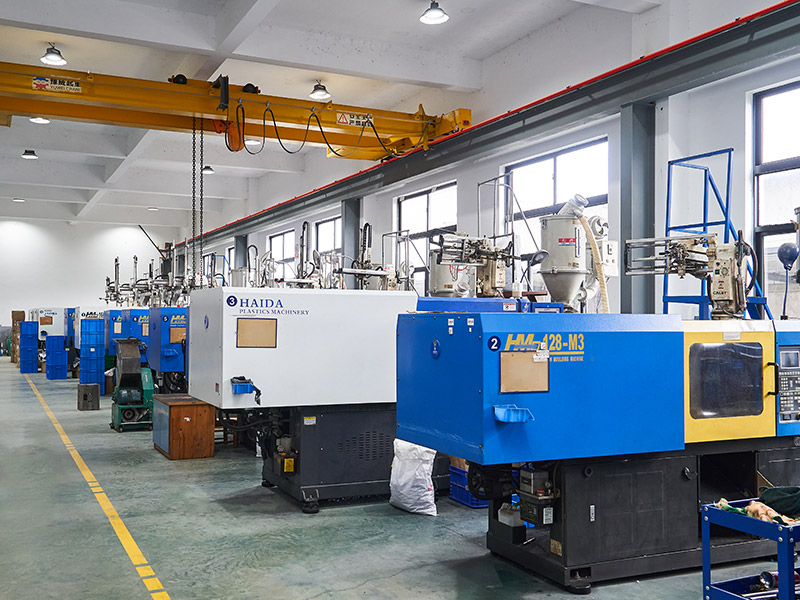
Using in-house tooling and precision plastic molding equipment to build weather-resistant housings that carry IP65 and IP66 ratings.
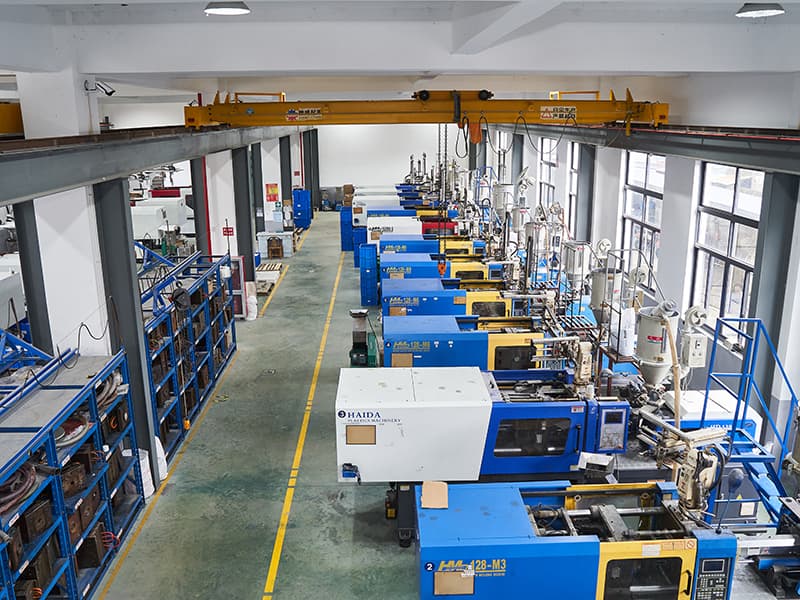
Developing effective solar street lighting requires adjusting designs for regional conditions. A standard setup will perform differently depending on local weather, site layout, and operating requirements:
1. Rural Development & Public Pathways: In areas without established utility grids, extending electrical lines is often cost-prohibitive. A 60W solar street light, mounted at heights between 6 to 8 meters, provides clean, dependable light. By using smart energy saving modes (e.g., full brightness for the first four hours, followed by motion-activated output), communities can secure reliable lighting through the night at lower installation costs.
2. Extreme Temperature & High-Altitude Zones: Sub-zero winter temperatures can reduce the storage capacity of standard lithium batteries. For cold climates, we supply insulated battery boxes alongside heated charging circuits that prevent lithium plating during freezing temperatures. Conversely, for high-temperature areas like deserts, our battery compartments are installed underground or shielded behind the solar panel structure to avoid thermal issues.
3. Salt-Mist Environments: Offshore locations and coastal ports present corrosive air conditions. In these settings, standard steel mountings can rust within months. We configure these fixtures with high-durability anodized aluminum housings, stainless steel mounting hardware, and marine-grade anti-corrosive powder coatings to extend service life.
The solar street lighting market is moving from simple analog fixtures toward networked systems. Key industry trends include:
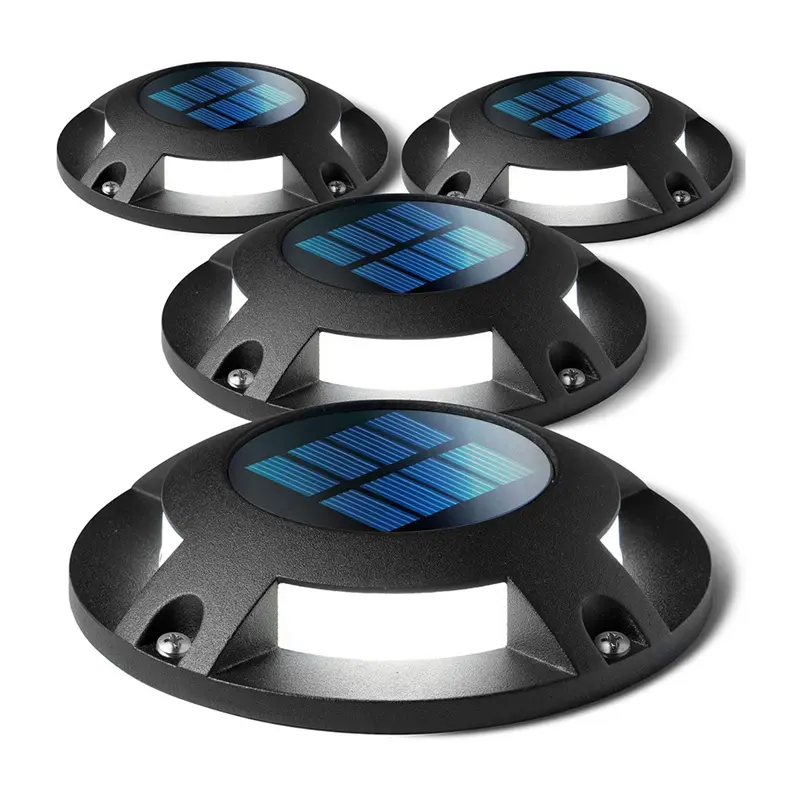
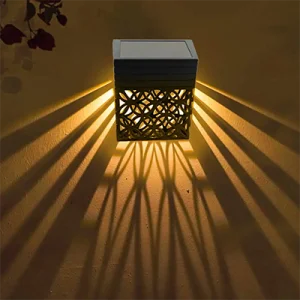
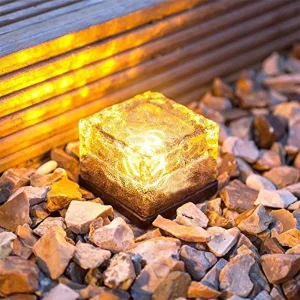
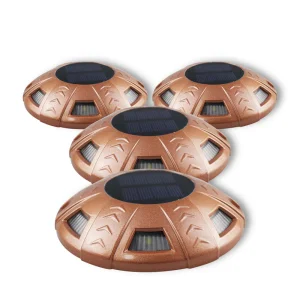
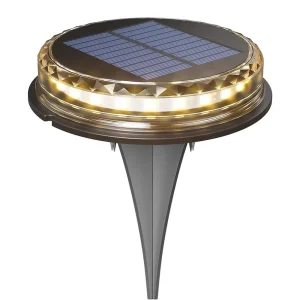
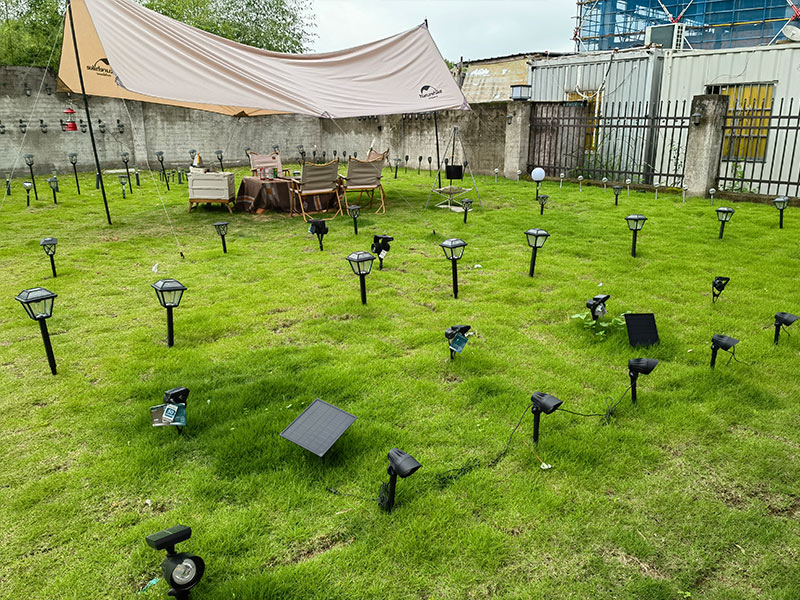
Featuring built-in photosensitive controls that automatically trigger up to 40 lumens of output at night. Ideal for stairways, docks, and architectural perimeters.

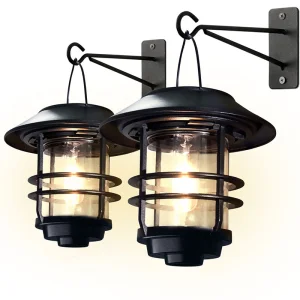
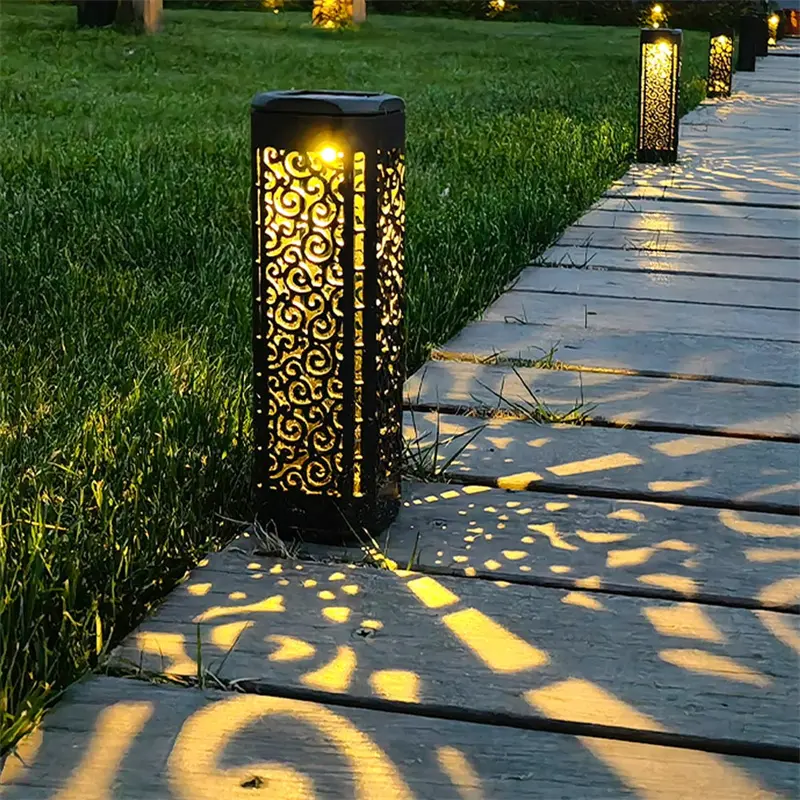
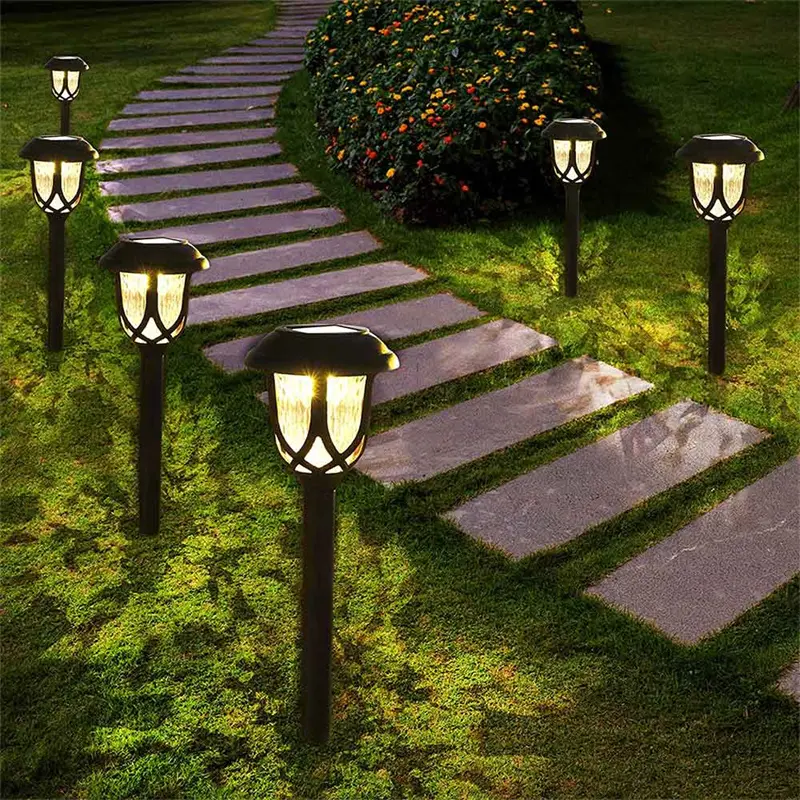
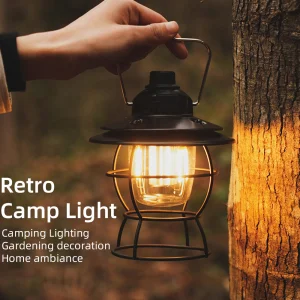
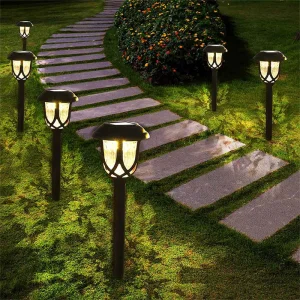
Combines clear glass panels with a heavy-duty aluminum frame, offering a vintage design suited for decorative lighting projects.
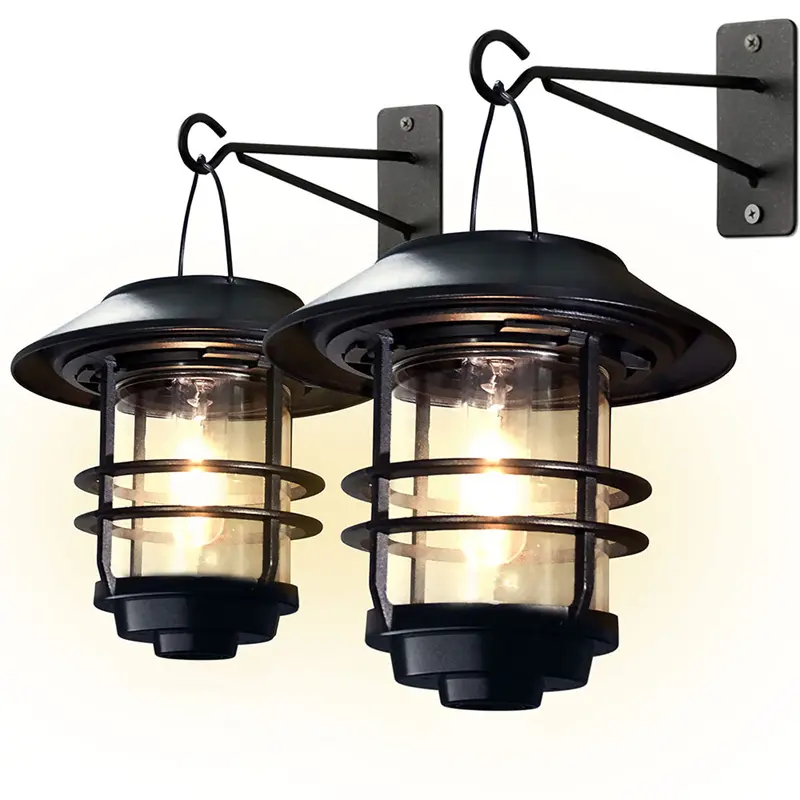
Designed with a marine-grade stainless steel body and clear glass diffuser. Provides automatic evening activation for patios and open-air venues.
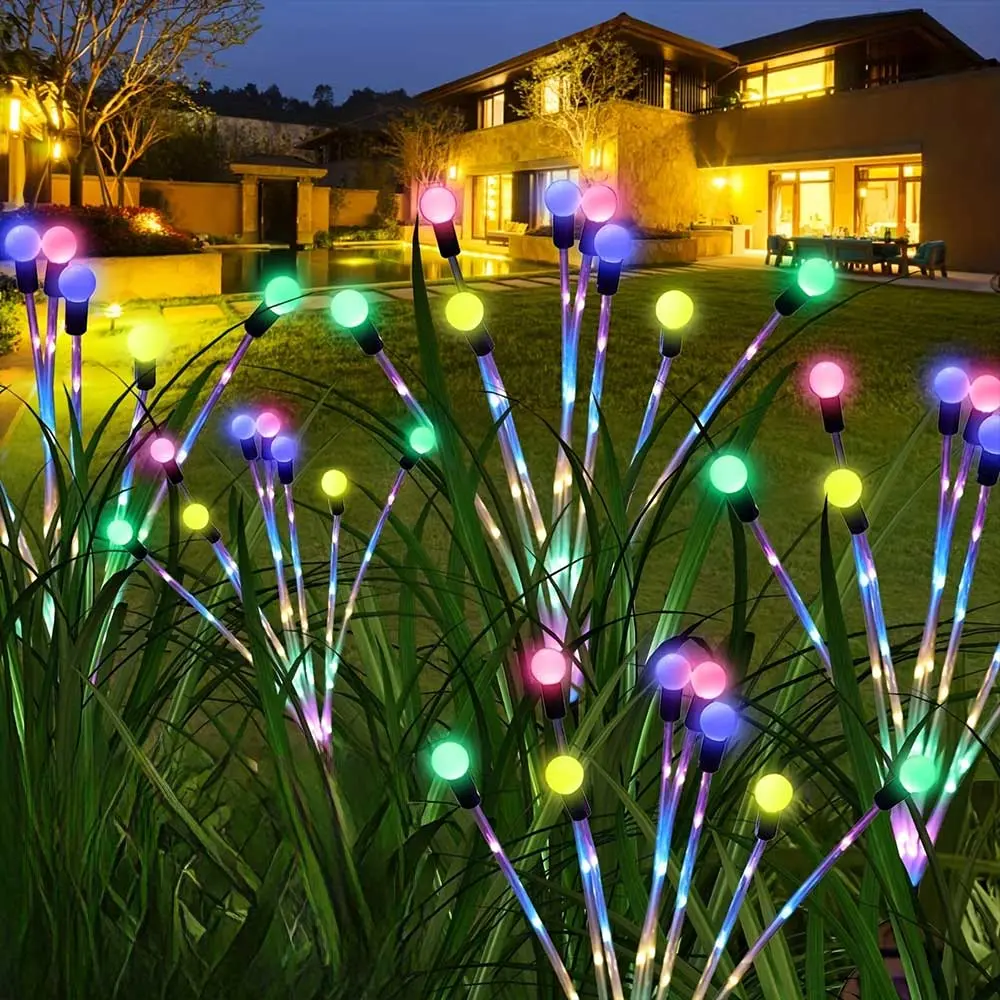
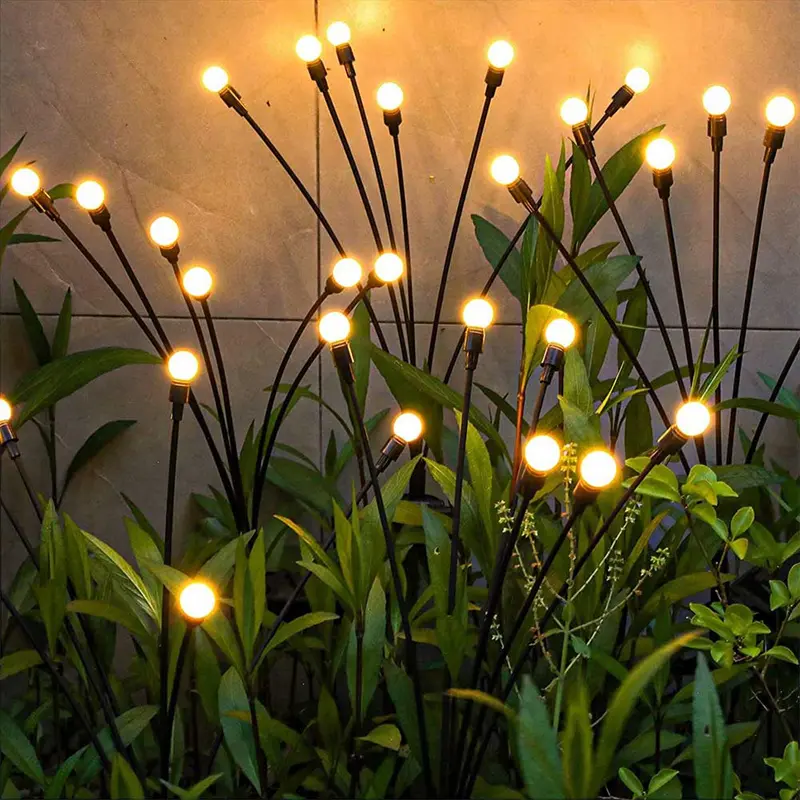
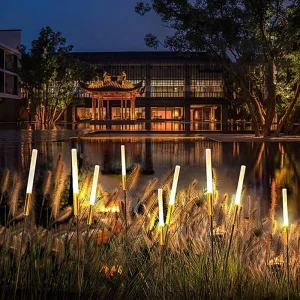
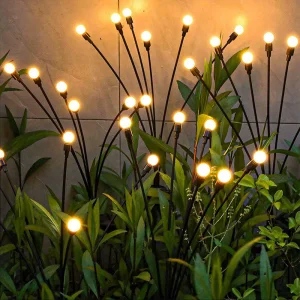
Designed with flexible, wind-responsive stalks that create a gentle swaying effect. Engineered with an IP65 rated casing for reliable landscape use.
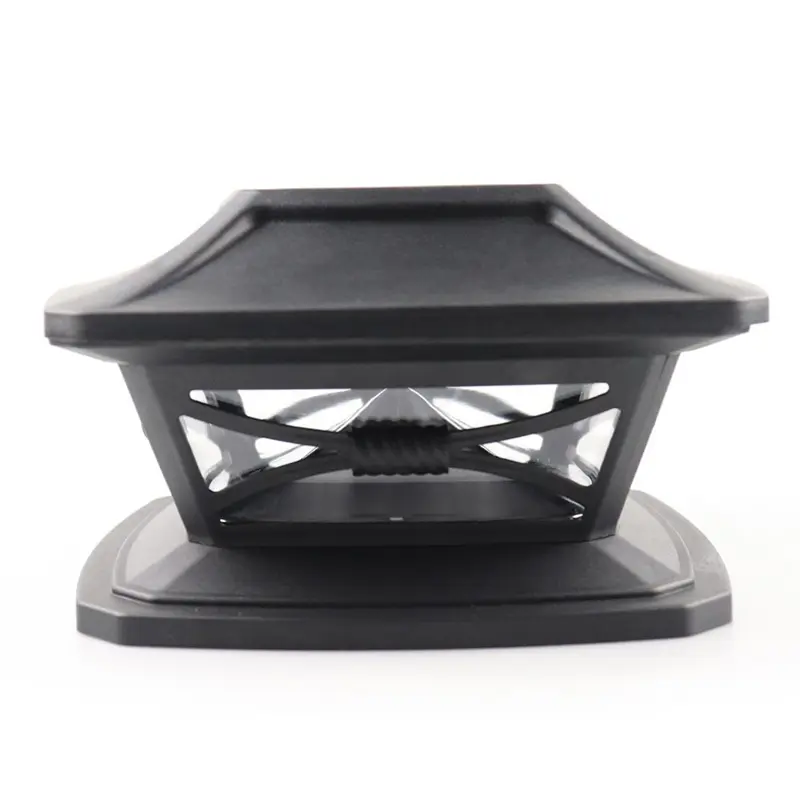
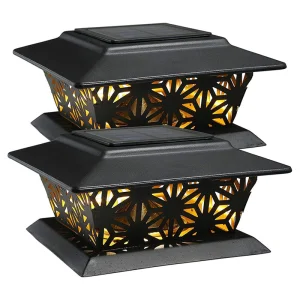
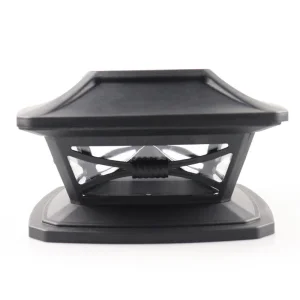
Designed with modular mounting plates to fit 3.5x3.5, 4x4, 5x5, and 6x6 wooden posts, providing customizable decorative accents.
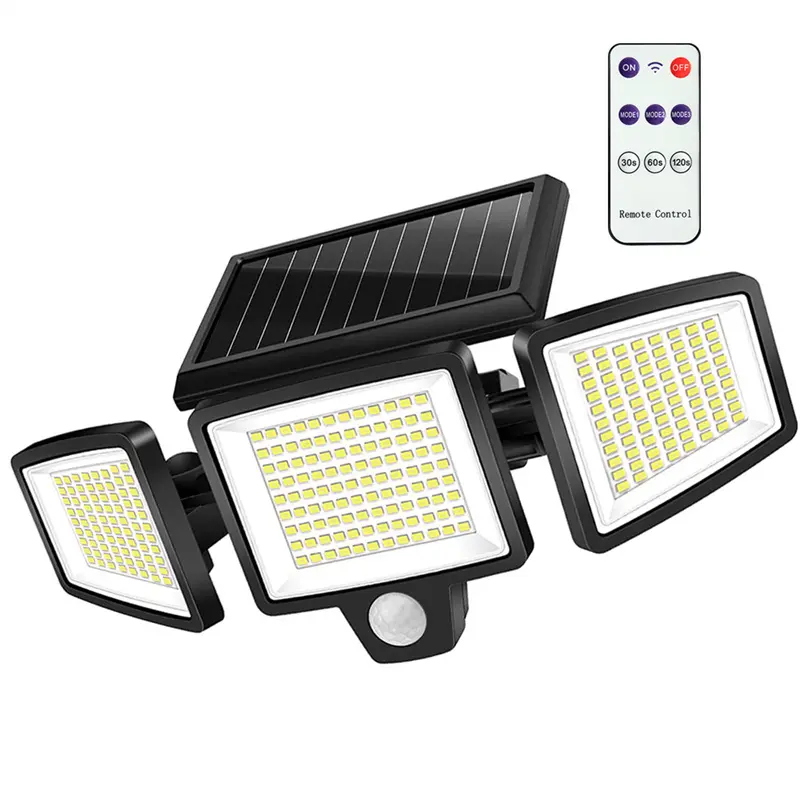
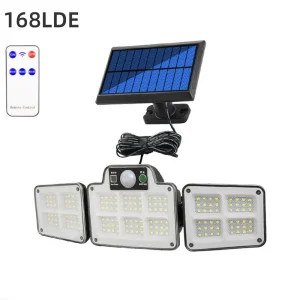
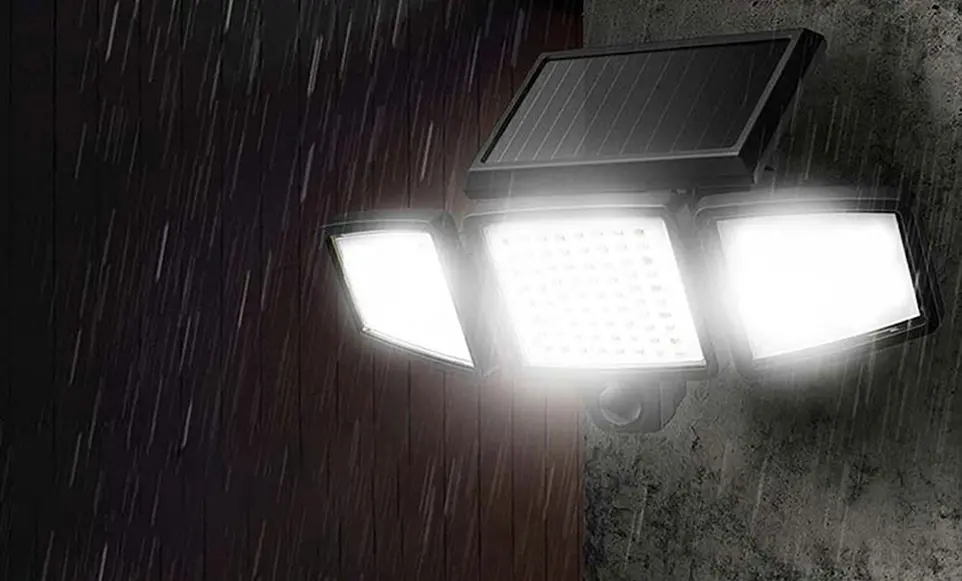
Equipped with a triple-head light array producing up to 2,500 lumens. Features a 120-degree motion sensor for wide security coverage.
Our quality control process is integrated into every phase of assembly. Standard factory-floor workflows include the following quality assurance checkpoints:
1. Solder Inspection & Testing: Before assembly, we inspect all solder connections on the printed circuit boards. This ensures the electrical connections can withstand the vibrations and thermal expansion common in outdoor installations.
2. Waterproofing & Environmental Seals: Because street lights are exposed to rain and high humidity, we test all gasket seals to ensure they maintain their waterproof ratings. Each production run is checked in a water testing chamber to verify the seals meet IP65 and IP66 standards.
3. Final Operational Burn-In: Every completed unit is run through a continuous 24-to-48-hour lighting cycle. This test runs the components through realistic thermal changes, helping us catch and fix any issues before packaging.
 Jianheng