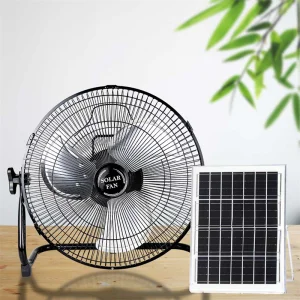
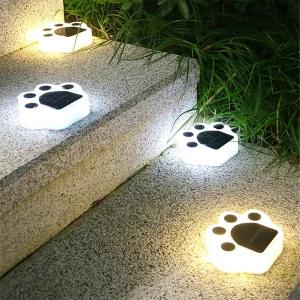
Discover our core catalog of solar integration products designed to maximize conversion efficiency and structural durability in extreme climates.
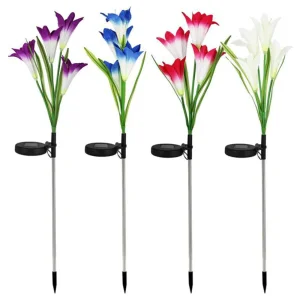
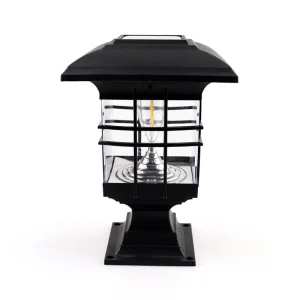
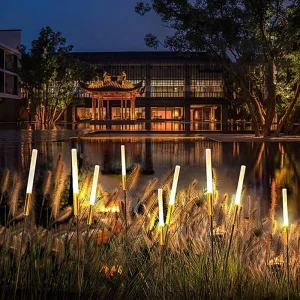
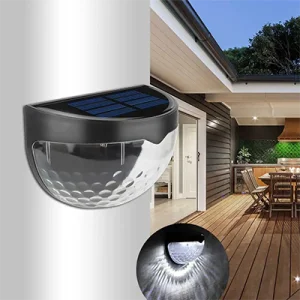
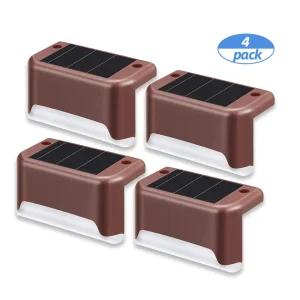
Ningbo Jianheng Import And Export Co., Ltd., alongside our sister engineering entity Ningbo Yuancheng Plastic Co., Ltd., operates as a premiere consolidated manufacturer of high-grade solar street lighting and integrated lithium battery storage systems in China. Over a continuous 20-year history of industrial production, the enterprise has expanded its presence into over 80 global territories, designing and manufacturing micro-grid energy systems that comply with the most stringent global municipal tenders.
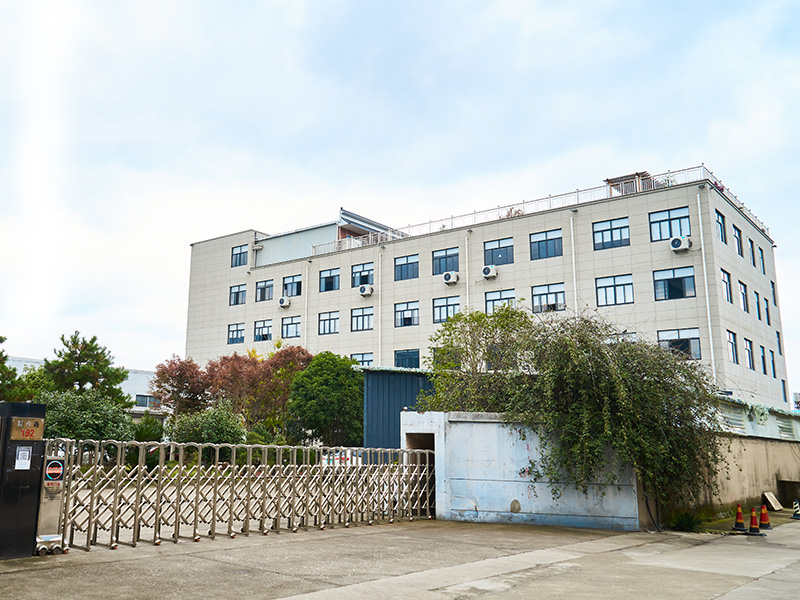
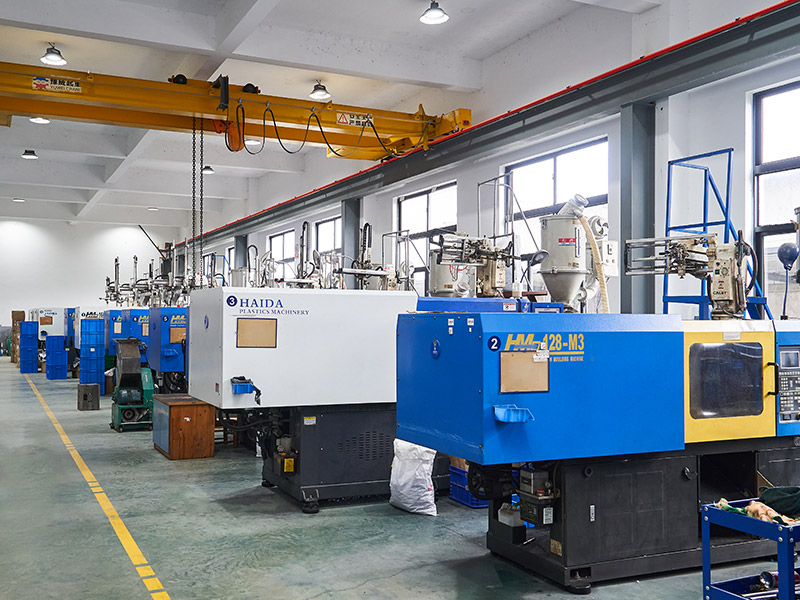
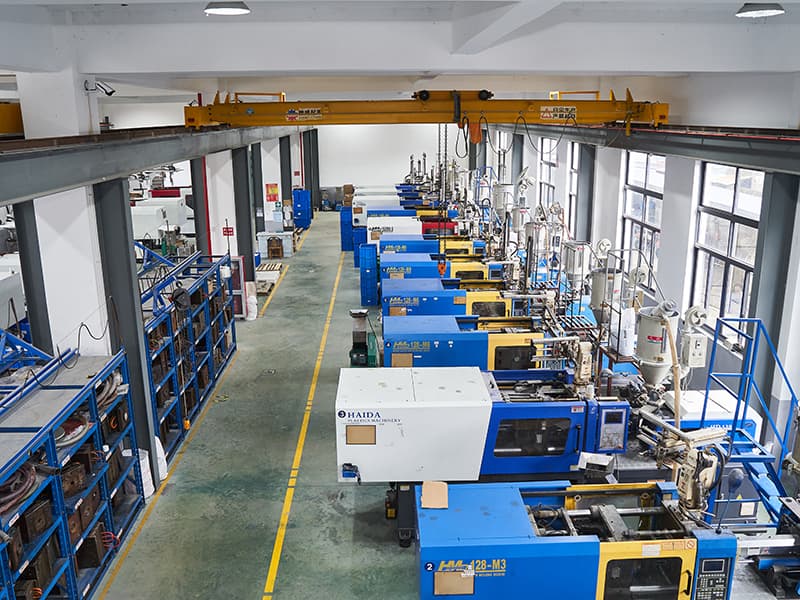
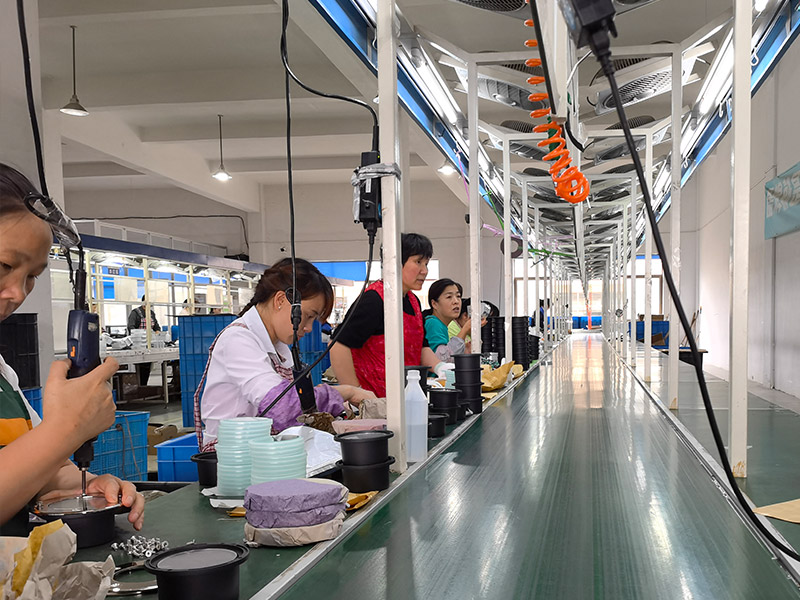
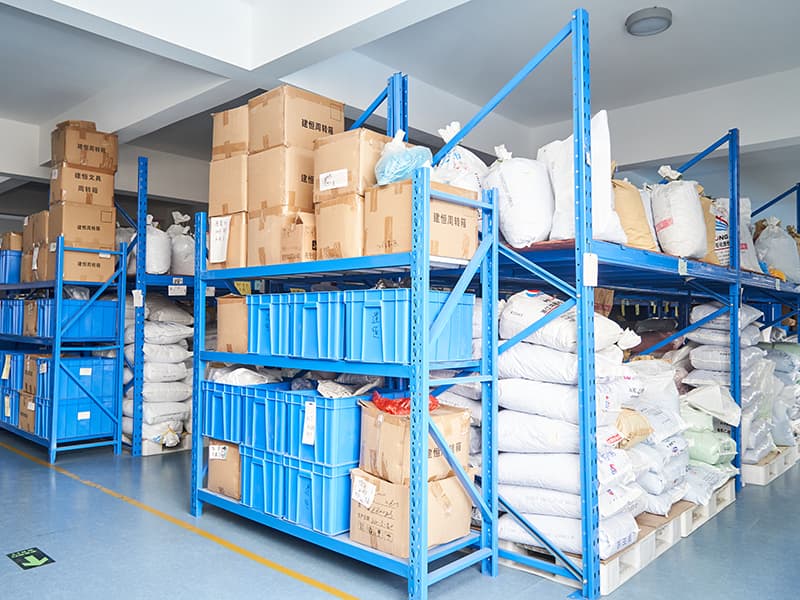
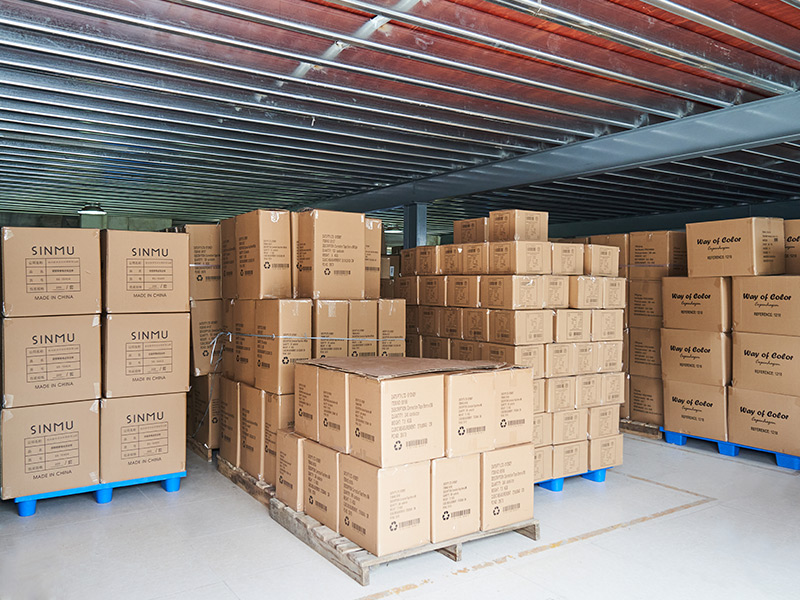
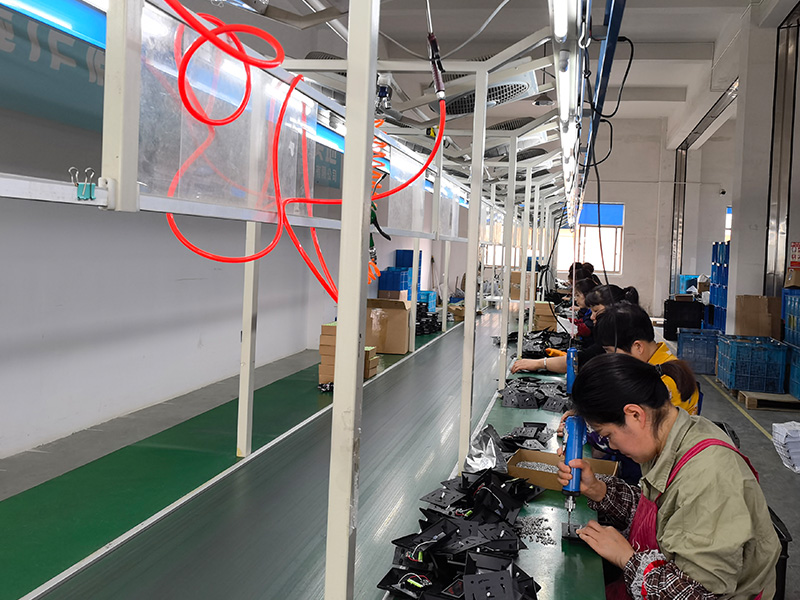
Our operations are headquartered inside a vertically integrated 10,750 square meter industrial facility. Utilizing automated SMT assembly lines, ultrasonic plastic welding, and comprehensive electrochemical thermal testing equipment, we ensure that every lithium-ion cell and battery pack layout complies with safety norms. Our workforce consists of 105 skilled technicians on the production lines and 15 dedicated engineering & logistics specialists, coordinating complete product cycles from raw plastic formulation to electrical schematic layout and international certification packaging.
Understanding why LiFePO4 (Lithium Iron Phosphate) has become the global standard for smart city infrastructure compared to legacy lead-acid (Gel) and ternary lithium batteries.
LiFePO4 cells feature a thermal runaway threshold exceeding 270°C, making them inherently safer in high-temperature environments (Middle East/African belts) compared to NMC lithium batteries which break down at 150°C.
Equipped with state-of-the-art Battery Management Systems providing cell balancing, over-voltage shutoffs, temperature compensation, and remote diagnostics via RS485/CAN interfaces.
High round-trip efficiency (exceeding 95%) allows solar luminaires to drain to low limits without losing charge retention capacity, assuring illumination even over a 3-5 day rainy autonomy window.
| Battery Parameter | Lithium Iron Phosphate (LiFePO4) - Selected | Ternary Lithium (NMC) | Legacy Gel Lead-Acid |
|---|---|---|---|
| Nominal Cell Voltage | 3.2V (Series configured for 12.8V / 25.6V) | 3.7V | 2.0V (Series configured for 12V) |
| Cycle Life (80% DoD) | 3,500 - 6,000 Cycles | 1,200 - 2,000 Cycles | 400 - 600 Cycles |
| Operating Temp Range | -20°C to +65°C | -10°C to +55°C | -15°C to +40°C |
| Energy Density (Wh/kg) | 130 - 160 Wh/kg | 180 - 240 Wh/kg | 30 - 45 Wh/kg |
| Environmental Profile | Eco-friendly, Zero Heavy Metals | Contains Cobalt / Nickel | High toxicity risks (Lead) |
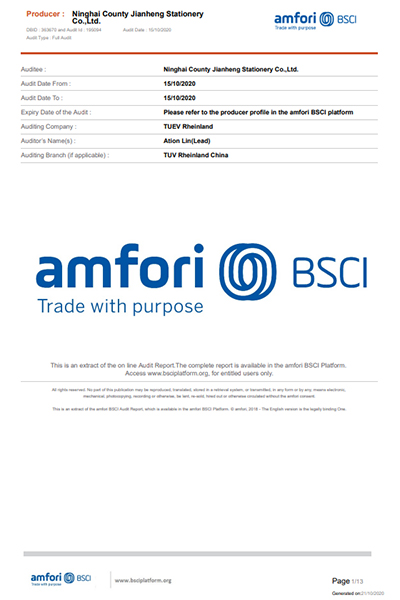
Quality remains the absolute priority of our integrated manufacturing facility. We execute complete oversight from input materials inspection to finished product functional cycles. As an audited manufacturer, our factory holds both BSCI (Business Social Compliance Initiative) and ISO9001:2015 quality management certifications.
Each production batch of solar streetlights and lithium battery assemblies is subjected to multi-stage automated test cycles, including:
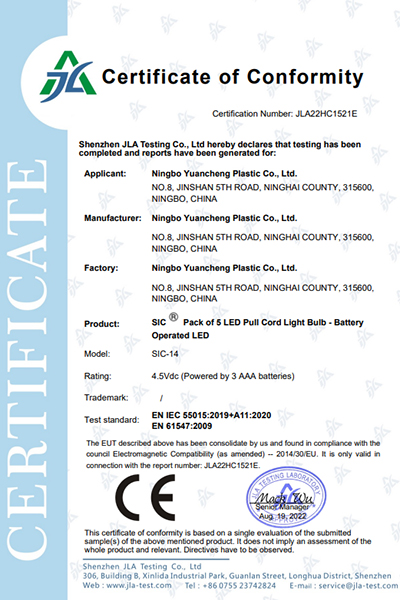
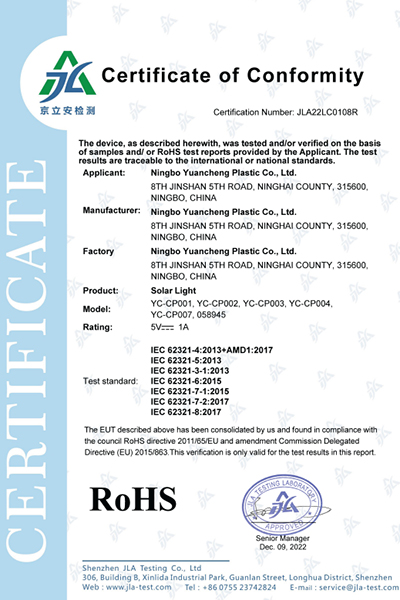
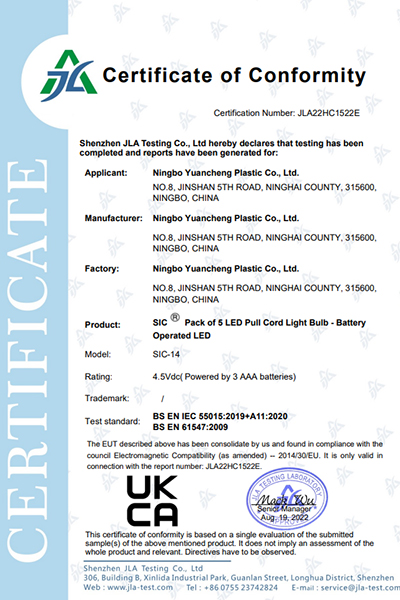
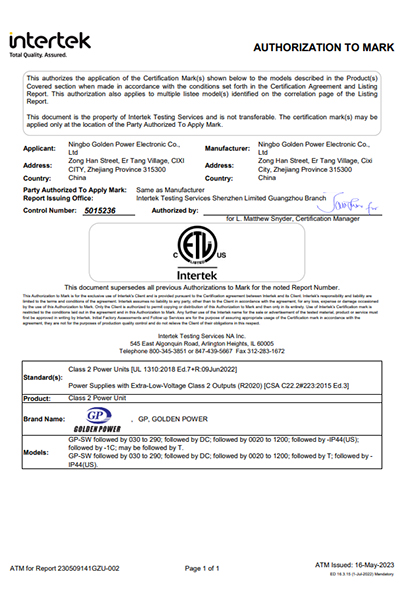
Our complete solar portfolio meets global safety directives, carrying CE, RoHS, and UKCA marks. For dangerous goods transportation compliance, our batteries hold certified UN38.3 safety reports and comprehensive MSDS folders, ensuring seamless export routing and customs clearance globally.
How our engineering team adapts structural configurations and BMS parameters to fit your municipal or commercial project requirements.
We adjust cell layout (3.2V, 12.8V, 24V, 36V, 48V) and discharge ratings based on the light engine's forward voltage requirements and operational profiles.
Our engineers evaluate regional insolation parameters (kWh/m²/day) to configure reserve capacity configurations that survive seasonal low-light seasons.
Utilizing our internal CNC and plastic tooling facilities at Ningbo Yuancheng Plastic Co., Ltd., we provide rapid physical prototyping and functional proofing within one week.
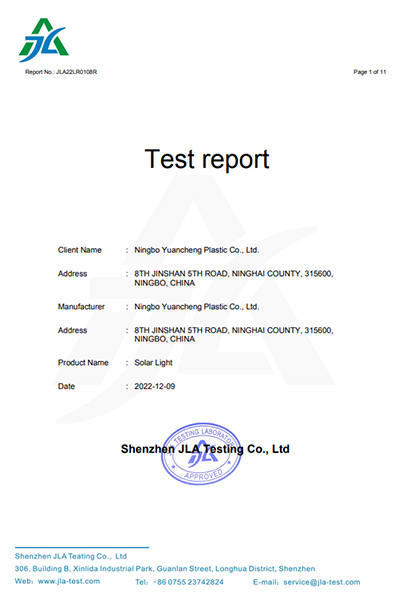
Adapting mechanical housing configurations and battery protection topologies to satisfy national transport regulations and extreme meteorological stresses.
For international energy procurement firms, purchasing components from a certified China Lithium Ion Battery for Solar Street Light Manufacturer involves navigating stringent logistical frameworks. Because lithium iron phosphate packs fall under UN Class 9 Dangerous Goods (UN3480/UN3481) classification, standard freight rules do not apply.
Our global shipping unit works closely with certified hazardous-cargo forwarding services. We supply customized plywood packaging, compliant pressure relief valves, and individual safety box configurations designed to withstand shock and temperature variations during sea or air transport.
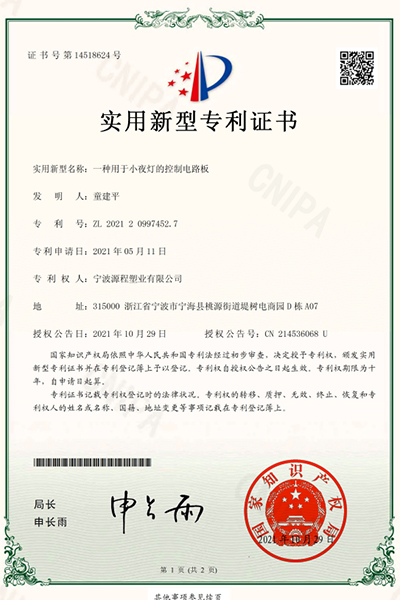
Furthermore, our integrated lighting products, which incorporate structures developed by Ningbo Yuancheng Plastic, utilize UV-stabilized, high-impact polycarbonate materials. This prevents micro-cracking and housing degradation in coastal areas exposed to high salinity, as well as desert environments with high UV indices.
Find answers to common technical, design, and logistics questions concerning custom lithium-ion battery configurations for outdoor lighting installations.
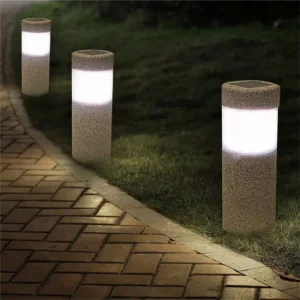
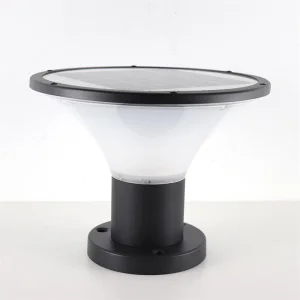
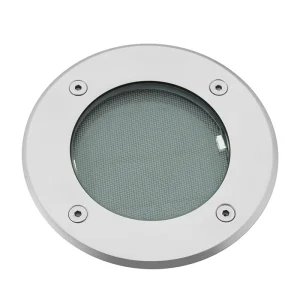
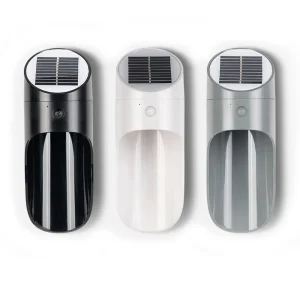
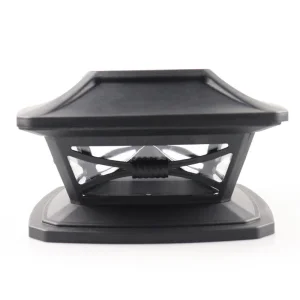
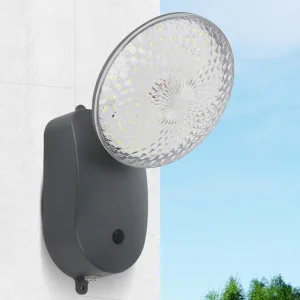
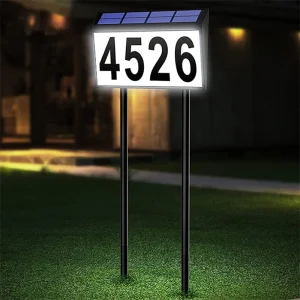
Explore our recommended product variants, including high-lumen bollards, motion-sensor wall lights, and architectural deck systems.

 Jianheng