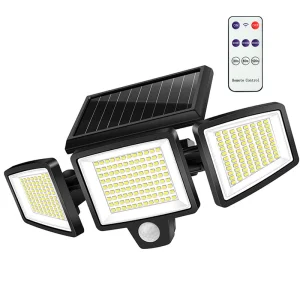
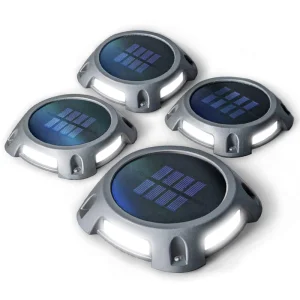
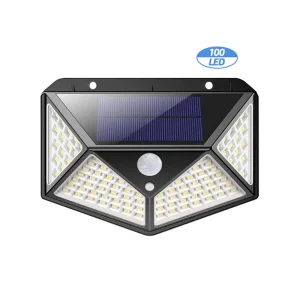
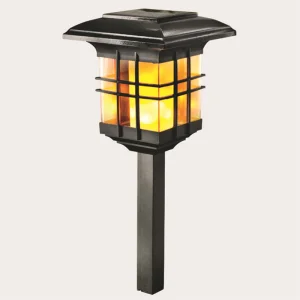
The solar lighting industry is undergoing a significant transition toward high-efficiency, smart, and durable products. At the forefront of this shift is the 50W solar flood light. Historically, solar flood lights were viewed as accent lighting or secondary sources due to technological limitations in battery life and solar panel conversion rates. However, modern engineering developments have transformed the 50W solar flood light into a reliable option for primary illumination, replacing grid-connected systems in commercial and residential properties alike.
Understanding the actual capabilities of a modern 50W system requires analyzing its luminous efficacy. High-efficiency LEDs, such as the SMD 3030 and SMD 5050 chipsets, now routinely achieve over 160 to 200 lumens per watt. This means a professionally manufactured 50W solar flood light can deliver between 8,000 and 10,000 lumens. This output is sufficient to illuminate large areas, including commercial loading docks, logistics yards, public parks, and perimeter security fencing, without the ongoing utility costs associated with traditional lighting.
To ensure consistent operation in commercial environments, manufacturer engineering specifications focus on three core components:
Avoid common discrepancies in market labeling. Our production lines use integrating sphere testing to confirm actual LED output, protecting B2B buyers from inflated performance numbers.
Integrated Battery Management Systems (BMS) monitor cell voltages, current levels, and thermal conditions. This regulation extends battery operational lifespans to over 8 years.
Constructed from ADC12 high-pressure die-cast aluminum with anti-UV powder coatings. The structural frames are rated at IK08 for impact and IP66/IP67 for water and dust ingress protection.
Established as a dedicated manufacturer in the solar lighting sector, Ningbo Jianheng Import And Export Co., Ltd. (operating alongside manufacturing division Ningbo Yuancheng Plastic Co., Ltd.) runs a production facility in Ningbo, Zhejiang Province, China. For two decades, we have supplied off-grid solar illumination systems to international distributors, commercial developers, and retailers.
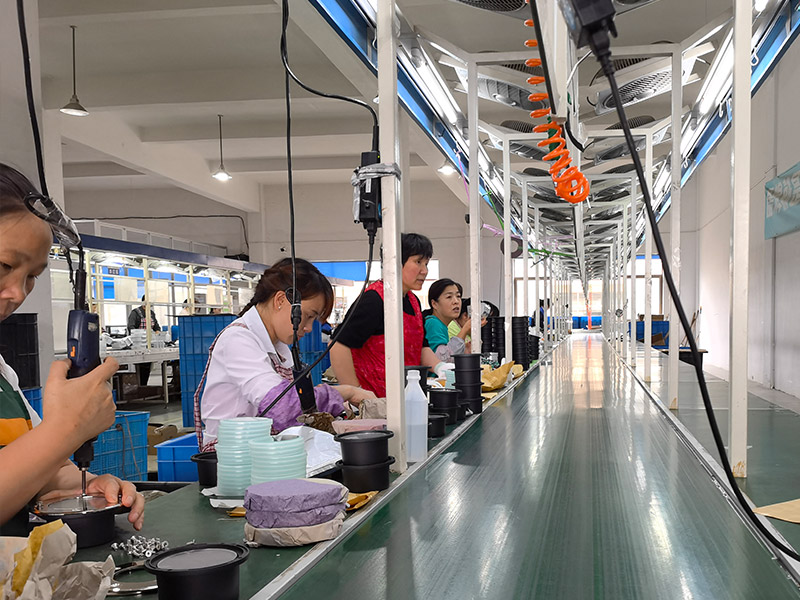
Our operations span a modern 10,750 square meter manufacturing plant, designed for clean SMT assembly, injection molding, metal die-casting, and quality testing. The factory employs a team of 105 technicians and assembly operators, supported by 15 office staff handling B2B client service, logistics coordination, and export compliance.
Our structural and electronics team offers a 7-day fast proofing service. B2B clients receive fully functional samples with custom optical configurations, housing colors, and brand packaging within one week of technical draft approval.
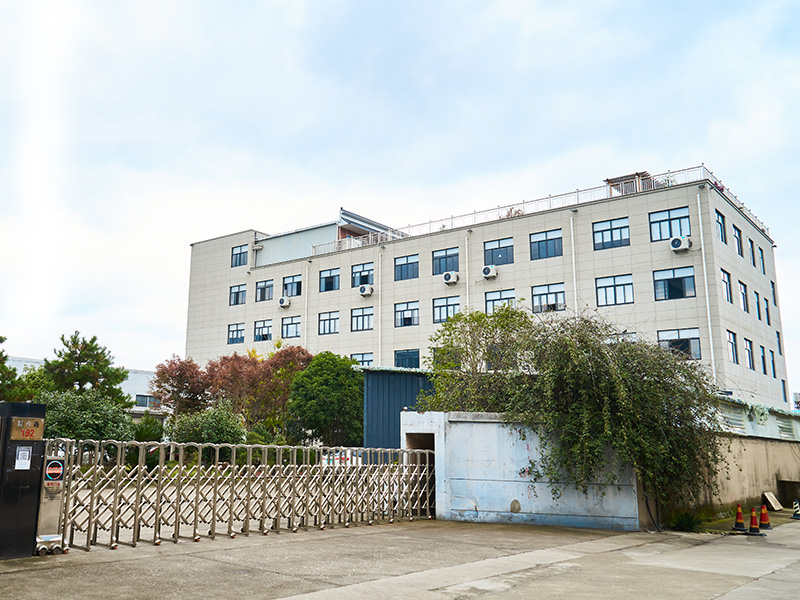
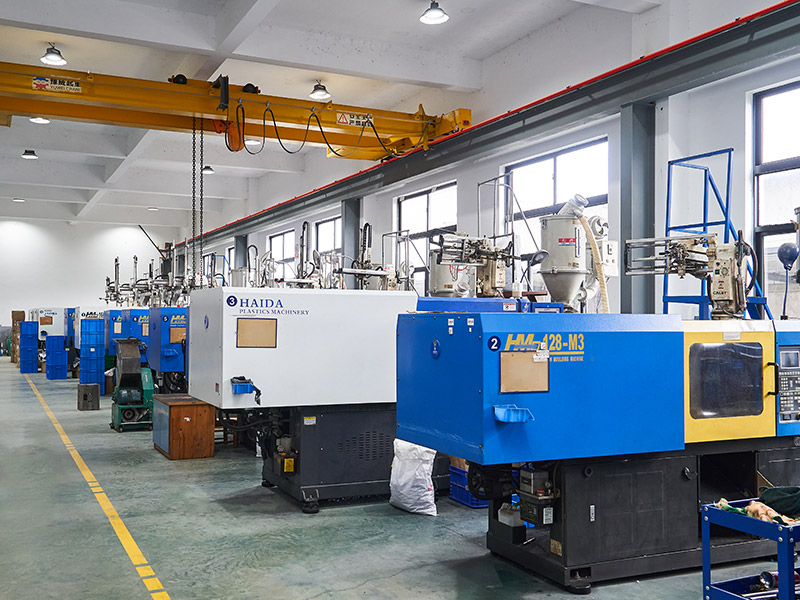
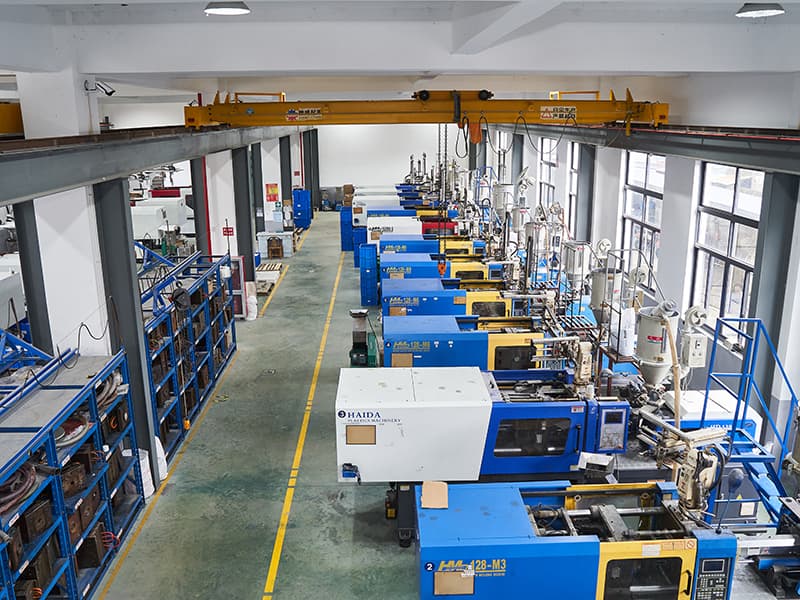
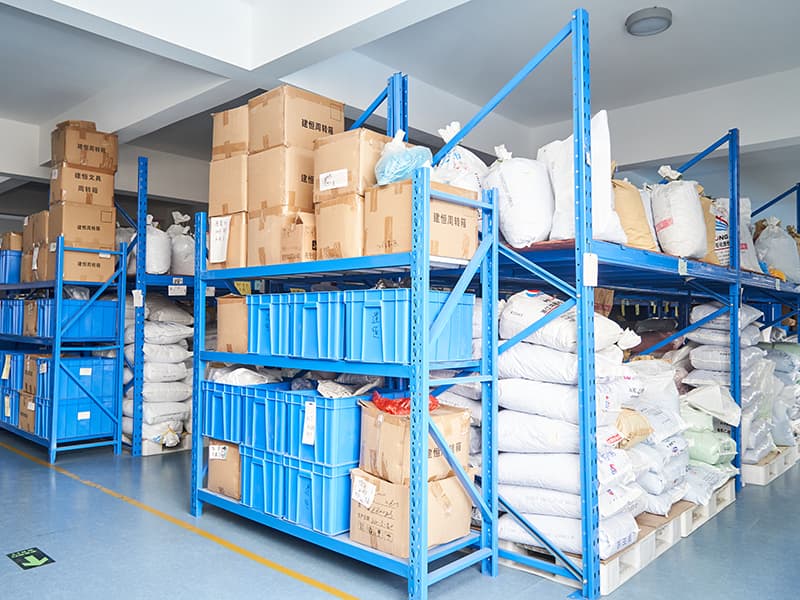
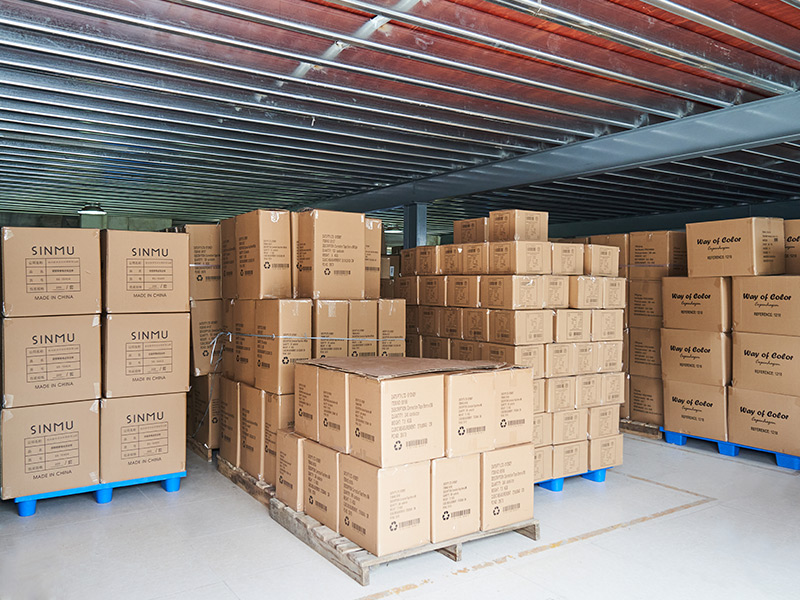
Ningbo Jianheng utilizes automated production machinery to maintain high yield rates and component consistency. Our factory images document the manufacturing process, from raw aluminum processing to finished product storage:
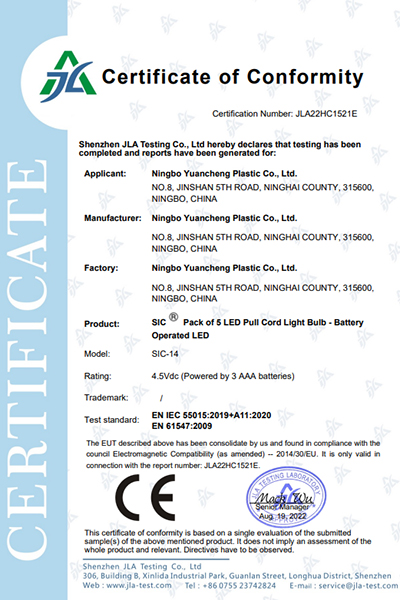
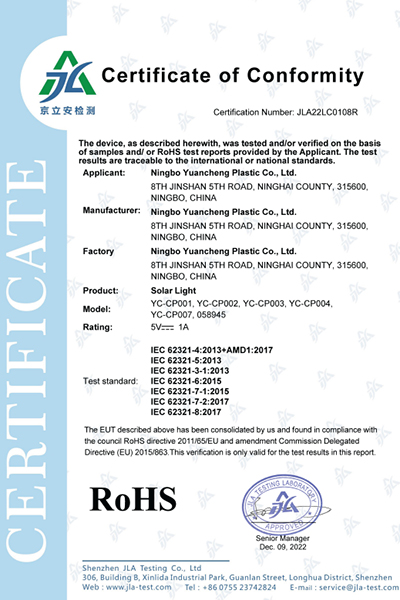
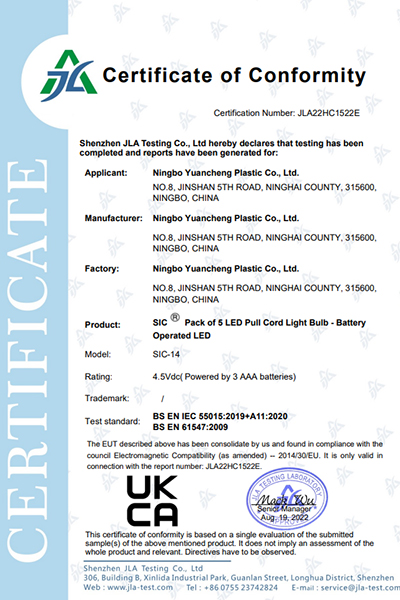
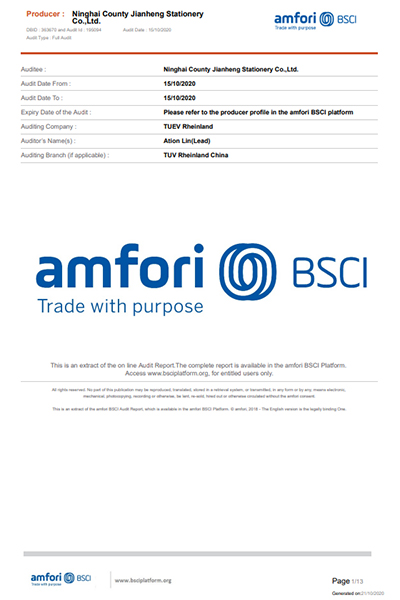
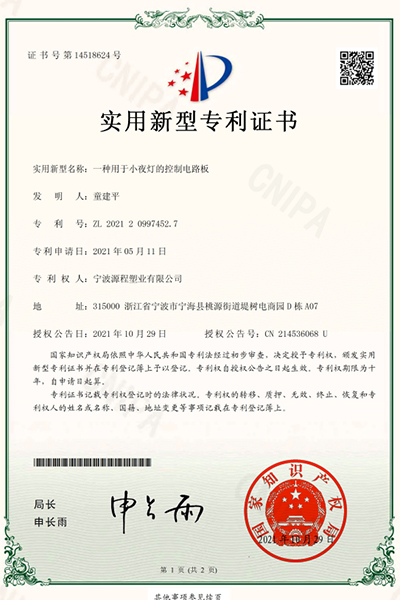
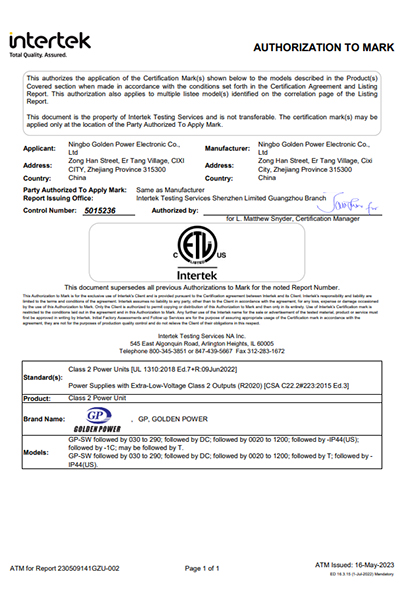
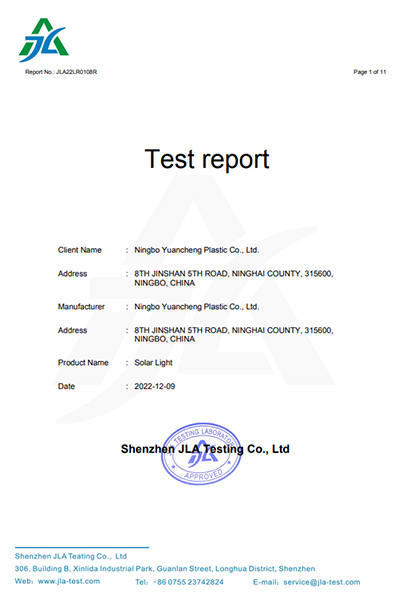
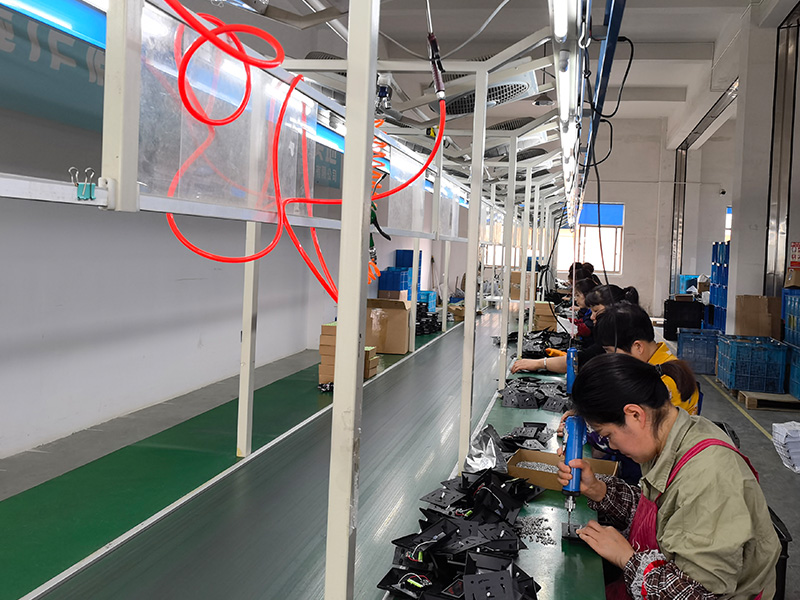
Product quality represents our primary operational priority. We monitor raw materials and execute a multi-stage inspection process to ensure our products meet international industrial lighting standards. The factory operates under BSCI (Business Social Compliance Initiative) and ISO9001 quality management certifications.
To support global supply chains, our product lines hold standard market certifications:
Each production run undergoes environmental testing, including salt spray tests for marine environments, simulated solar radiation tests for UV stability, high-impact wind resistance tests, and ingress water testing under pressurized jets.
Ningbo is one of the world's primary manufacturing hubs for smart LED and solar devices. This localization gives our factory access to a robust direct supply chain, ensuring production efficiency, pricing control, and logistical advantages. By centralizing components—such as lithium battery packing, monocrystalline panel slicing, plastic mold production, and aluminum smelting—within a 50-kilometer radius, we protect our production schedules from global shipping delays and material shortages.
Our facility reduces manufacturing margins by handling core production steps in-house. Our injection molding department features 12 automated machines ranging from 120-ton to 800-ton clamping force, allowing us to manufacture optical lenses and housings directly. In-house processing limits component variance, reduces the risk of water leaks, and allows us to provide cost-competitive rates to B2B customers. Automated packaging machinery and SMT pick-and-place lines also keep assembly costs low and consistent.
Ningbo is home to the Port of Ningbo-Zhoushan, one of the busiest container ports in the world. Our proximity to the port reduces overland logistics expenses and transit times. We support multiple shipping arrangements, including FOB, CIF, and DDP, and provide packing options like sea-freight drop-testing cardboard containers, wood pallets, and individual retail display packaging. Our logistics team handles shipping customs and compliance paperwork for destinations throughout North America, Europe, Australia, and South America.
50W solar flood lights are deployed across diverse global climates and installation environments. Professional buyers select specifications tailored to their local environment:
Low winter temperatures affect battery performance. In regions with freezing temperatures, lithium batteries can lose charging capacity or refuse input entirely. Our low-temperature battery packages use integrated thermal insulation and custom heating elements managed by the BMS. During freezing weather, charging current is safely routed through the heater first to warm the battery cells, ensuring reliable year-round operation in northern Europe and Canada.
Coastal installations are exposed to salt spray and high humidity, which can corrode standard hardware. To prevent corrosion, our marine-grade flood lights feature AISI 316 stainless steel mounting screws, anti-electrolysis gaskets, and electrophoretic undercoats on the aluminum housings. Polyester powder coatings protect against salt spray, passing ASTM B117 standards for over 1,000 hours of continuous testing.
High desert heat can degrade lithium-ion batteries and cause thermal failures. In these environments, we use LiFePO4 cells rated for high-temperature stability, paired with vented aluminum backplates. The physical housing separation between the solar panel and the light fixture prevents heat transfer between components, keeping battery temperatures below critical thresholds.
Security and temporary path lighting require durable fixtures that can withstand dust and vibration. Our designs use solid-state, vibration-resistant LEDs, heavy-duty bracket arms, and IK08 impact-resistant polycarbonate optical lenses, making them suitable for construction sites, mine perimeters, and railway maintenance yards.
 Jianheng