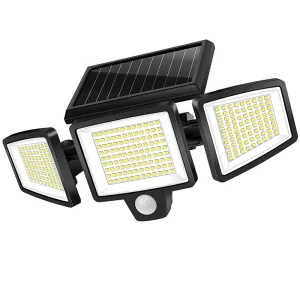
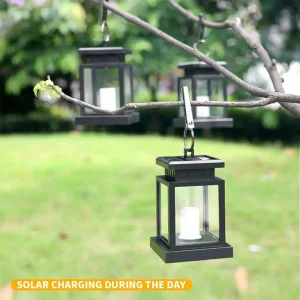
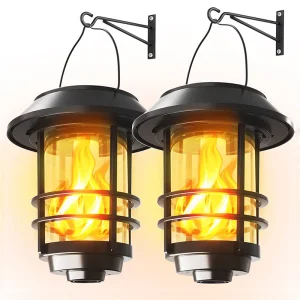
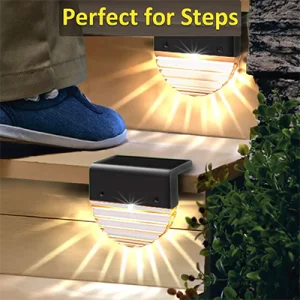
Explore our engineering-grade architectural, residential, and custom solar lighting solutions. Click on individual products to view specifications.
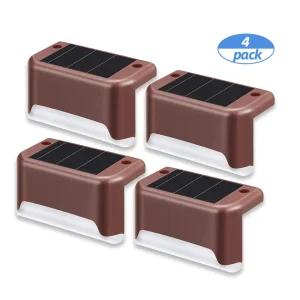
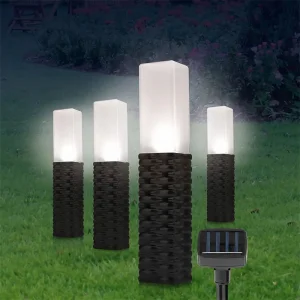
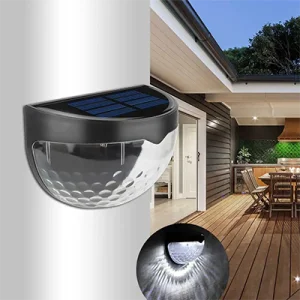
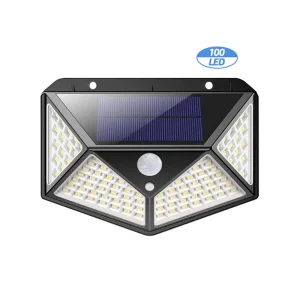
The global transition to sustainable infrastructure has moved past standard consumer lighting solutions into high-lumen, industrial-grade municipal systems. A 500W Solar Street Light delivering 45,000 Lumens represents a monumental leap in commercial external lighting. Historically, achieving 45,000 lumens required grid-connected High-Pressure Sodium (HPS) or metal halide lamps drawing upwards of 400W–600W of utility energy. Today, through integrated advancements in solar photovoltaic materials and high-efficiency LED chips, these performance levels are reached purely through solar energy.
Key drivers behind the deployment of 500W solar installations globally include municipal net-zero compliance targets, escalating electricity utility costs, and the desire to remove cabling dependencies in remote areas. With a high-power system, municipal planners can design lighting structures with wider pole spacing while still satisfying local road lighting criteria (such as EN 13201 or IESNA RP-8-18 standards). This significantly decreases physical construction expenditures, soil excavation requirements, and overall carbon footprints.
Modern 45,000 lumens systems rely on monocrystalline solar panels featuring solar cell conversion efficiencies above 22.5%, paired with premium Lithium Iron Phosphate (LiFePO4) battery packs. These battery technologies offer an extended lifespan of over 3,000 to 5,000 complete charge cycles, outperforming legacy Lead-Acid or Gel batteries which deteriorate quickly under high thermal stress.
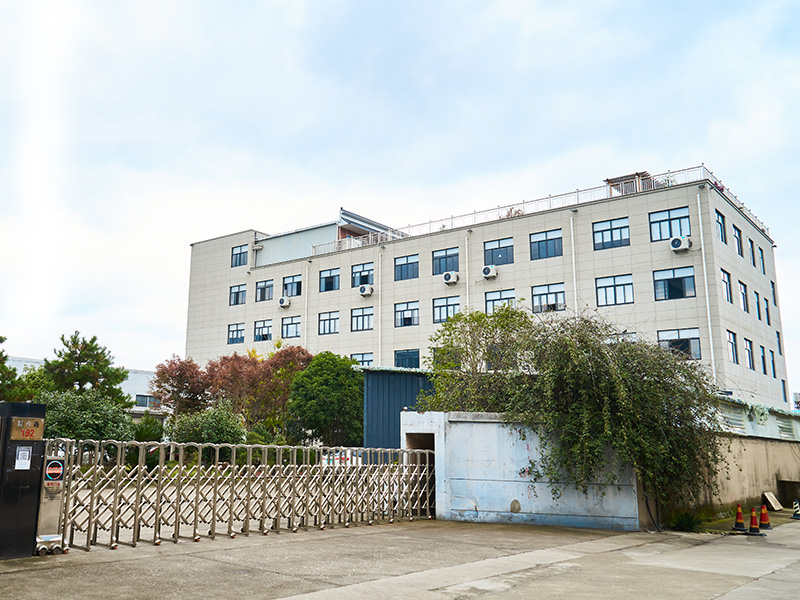
Delivering high-efficiency illumination options backed by two decades of industrial expertise and quality certifications.
How procurement professionals can accurately evaluate solar street light components to ensure high return on investment (ROI).
Total system lumen output depends heavily on the luminous efficacy of the LED chips. Standard lighting uses low-efficiency LEDs (~120 lm/W), requiring more power and larger batteries. Our advanced fixtures integrate high-brightness SMD5050 or SMD3030 chips delivering up to 180–210 lm/W. This high-efficiency operation allows us to produce 45,000 lumens while minimizing the size of the required battery pack and solar PV panels, reducing shipping weights and total system costs.
Traditional PWM (Pulse Width Modulation) controllers can waste 20% to 30% of energy during conversion. For industrial street lighting projects, Maximum Power Point Tracking (MPPT) controllers are essential. MPPT algorithms scan the solar panel's voltage and current output in real-time, matching it to the battery charge profile. This technology maintains up to 98% tracking efficiency, ensuring optimal battery charging even on overcast or rainy days.
Large infrastructure projects require adaptive lighting profiles. Integrated motion sensors, microwave sensors, and time-dimming controls optimize battery drain. The street lights operate at 100% output when motion is detected, dropping to 30% standby power in low-traffic hours. This intelligent management extends operation times, ensuring the light remains illuminated throughout multiple consecutive rainy days without interruption.
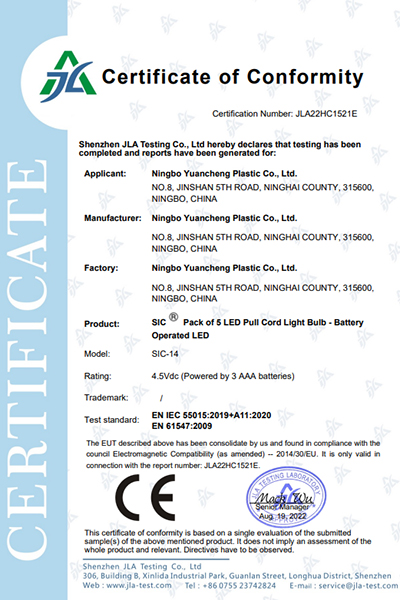
Operating out of Ningbo, China, Ningbo Jianheng Import And Export Co., Ltd. and Ningbo Yuancheng Plastic Co., Ltd. leverage a highly integrated industrial ecosystem. Our 10,750 square meter manufacturing plant is equipped with automated injection molding lines, surface treatment systems, and precise optoelectronic testing equipment.
Our localized supply chain in Zhejiang province provides key advantages in sourcing raw materials. Components ranging from heavy-duty cast aluminum casings and monocrystalline silicon panels to specialized semiconductor chip arrays are secured within a 100-kilometer radius. This proximity reduces transit times and buffers production from global logistics disruptions.
Additionally, our lean production processes optimize manufacturing lead times. With 105 skilled workers and a dedicated engineering support team, we offer a 7-day fast prototyping service for custom OEM and ODM orders. This rapid response capacity allows project managers and commercial importers to test prototypes and verify product fits before committing to bulk manufacturing.
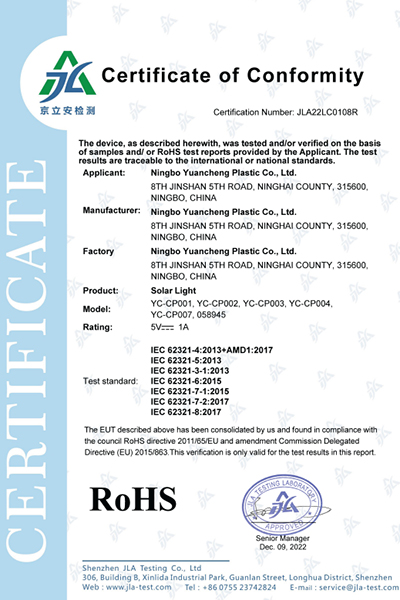
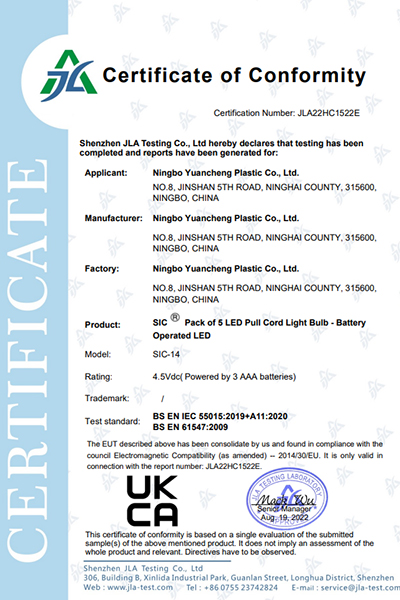
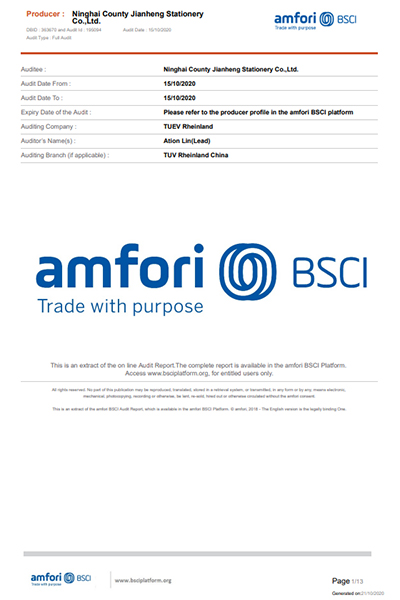
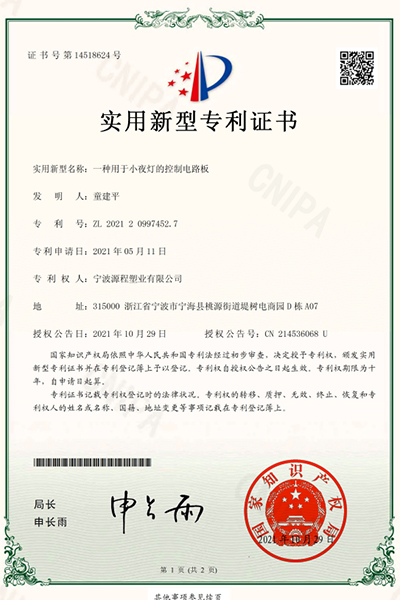
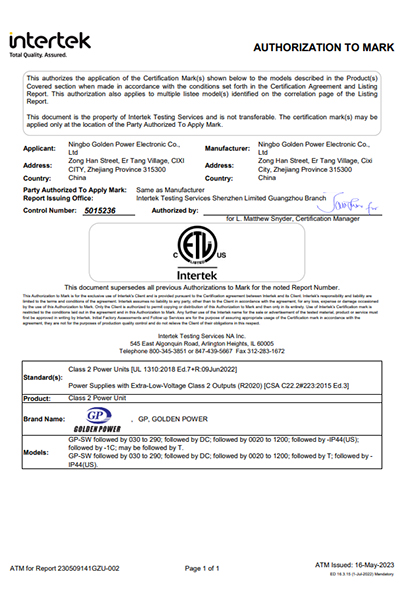
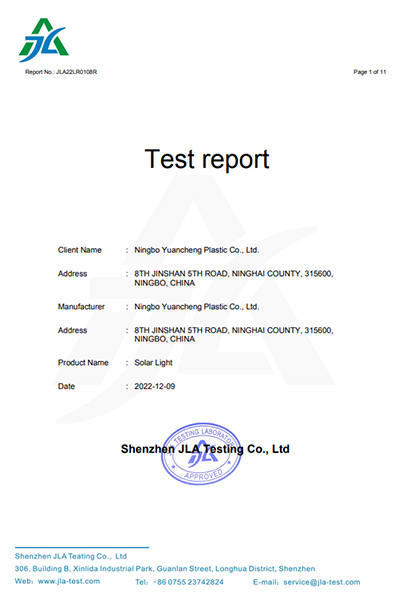
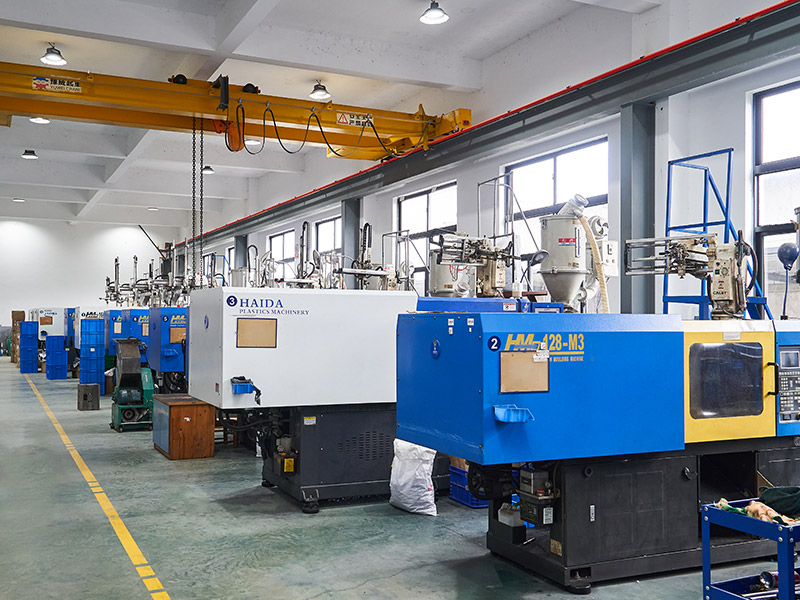
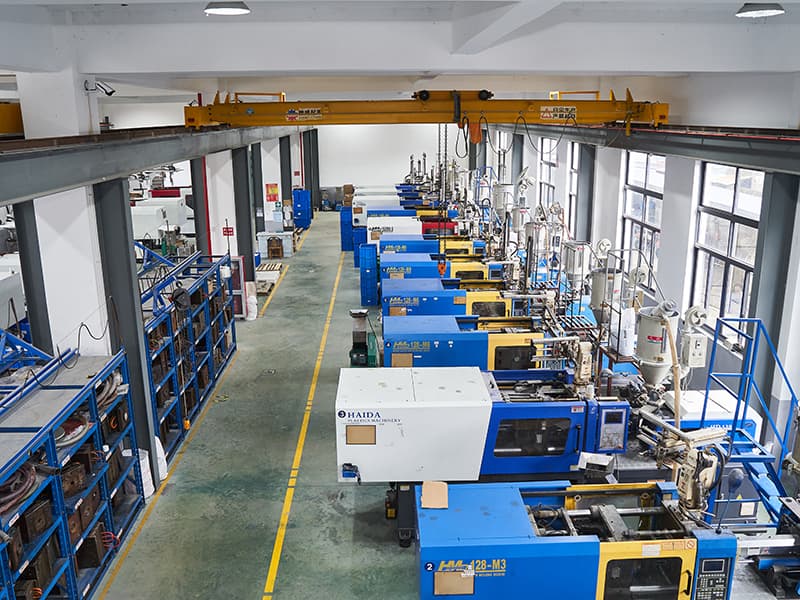
Our facilities implement step-by-step quality inspections to meet strict international standards and protect commercial investments.
Product reliability is critical in external commercial lighting. We test our solar lights under extreme conditions to ensure long-term performance. All structural components undergo salt-spray chamber testing to confirm corrosion resistance, while assembled luminaires are subjected to IP65 and IP66 water ingress tests.
Our quality management system is certified under ISO9001 standards, ensuring trace-ability for every batch. Furthermore, our factories maintain BSCI compliance, confirming ethical production practices and working environments.
Our components are third-party certified to comply with regional electrical and environmental safety regulations, allowing smooth customs clearance and regulatory approval worldwide. Our certifications include:
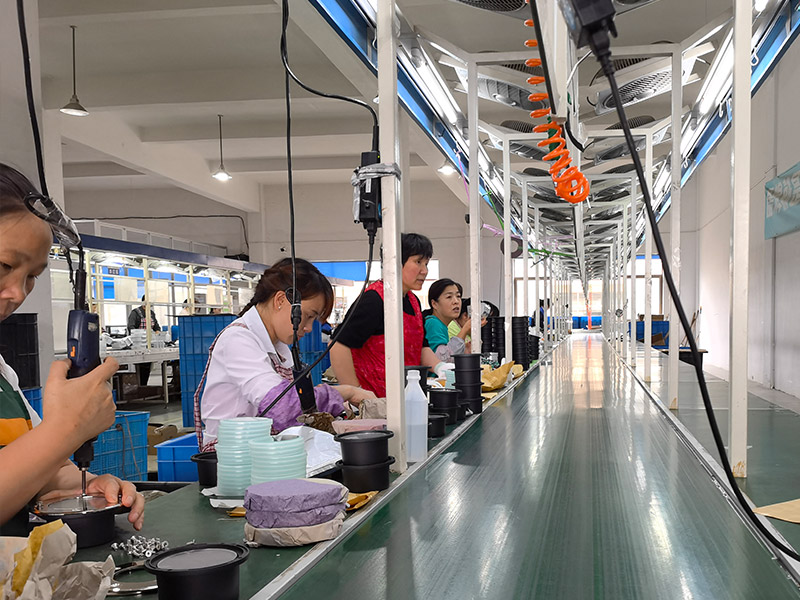
Tailoring system designs to perform reliably across diverse environmental conditions and regional climates.
Desert and high-heat environments subject battery packs and solar arrays to sustained thermal stress. Standard lithium chemistries degrade quickly above 45°C. For projects in regions like the Middle East or North Africa, we utilize specialized LiFePO4 battery formulations paired with ventilated heat-sinks. Additionally, we program adaptive thermal dimming to lower the LED output if system temperatures exceed 75°C, protecting the electronic components from failure.
High relative humidity and ocean salinity accelerate corrosion in metallic hardware. For coastal zones, our street lights feature housings constructed from marine-grade, powder-coated die-cast aluminum alloys (ADC12) with anti-corrosive fasteners. The electronic assemblies and MPPT controllers are sealed with a protective conformal coating (rated at IP66 or above) to prevent moisture ingress and short-circuit failures.
Northern latitudes receive minimal sunlight during winter months, limiting the energy harvest for solar fixtures. In these regions, we install oversized monocrystalline solar panels alongside customized charge profiles. These algorithms dynamically adjust the LED output based on historical energy input, preventing total battery depletion and ensuring consistent lighting performance during seasonal changes.
Direct technical answers to help engineering consultants, municipal planners, and procurement agencies make informed decisions.
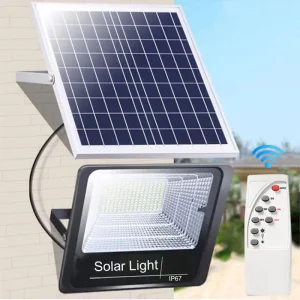
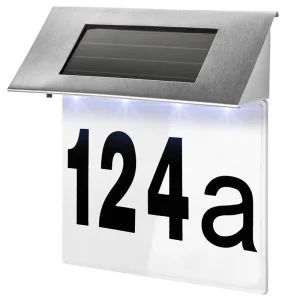
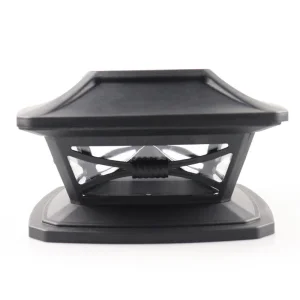
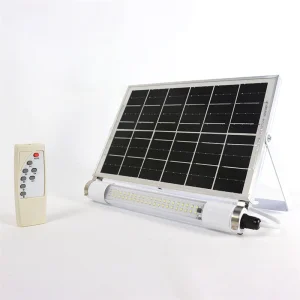
Complete your project requirements with our extensive range of high-efficiency solar lighting systems, outdoor fixtures, and custom-designed accessories.
 Jianheng