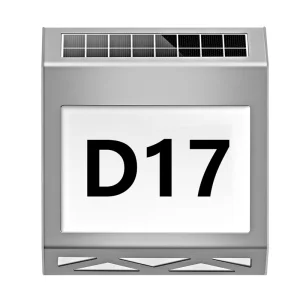
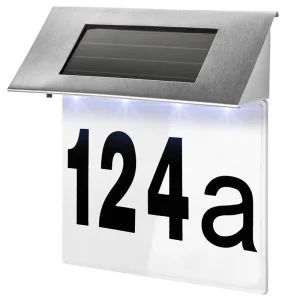
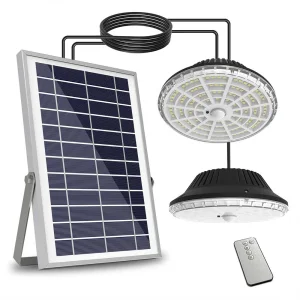
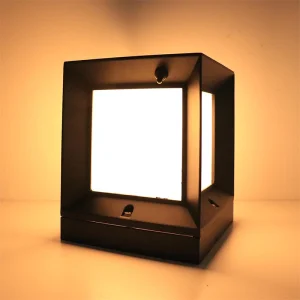
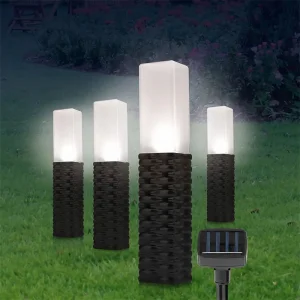
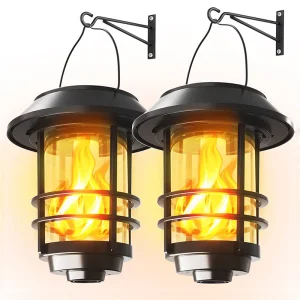
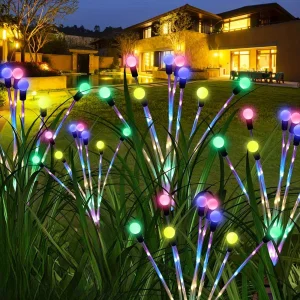
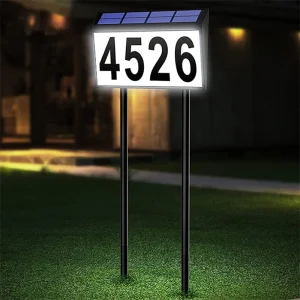
Premium grade solar fixtures featuring advanced weather protection, multi-mode sensors, and robust structural housing.
A detailed technical breakdown of micro-photovoltaic cell deployment, luminescence distribution curves, and power management loops.
The core configuration relies on 180 high-efficiency SMD2835 LEDs. These diodes are systematically arrayed to maximize light output while minimizing local thermal buildup. By spreading current load evenly across 180 semi-conductor junctions, the system maintains a lower operating temperature, extending luminary lifespan past 50,000 active hours and sustaining an output of up to 1,200 lumens under peak discharge conditions.
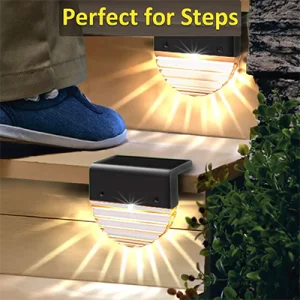
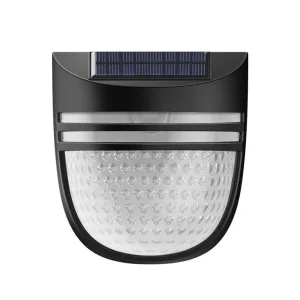
Standard LED lights emit light at a narrow 120° dispersion. Our custom engineering alters the cover refractors. Utilizing structural micro-prisms, the 180 LED Wall Light achieves an ultra-wide 270-degree illumination angle. This structural advancement eliminates blind spots in outer perimeters, making these units exceptionally suited for outdoor security, garden boundaries, and structural pathways.
Integrated thermal sinks dissipate the heat generated by the dense configuration of diodes. Built with heat-resistant ABS plastics and custom aluminum paths, the architecture ensures that the temperature near the lithium-ion batteries stays well below critical threshold zones, preventing early-stage capacity decay and safety hazards.
Combining structural plastic manufacturing expertise with global electronics export logistics.
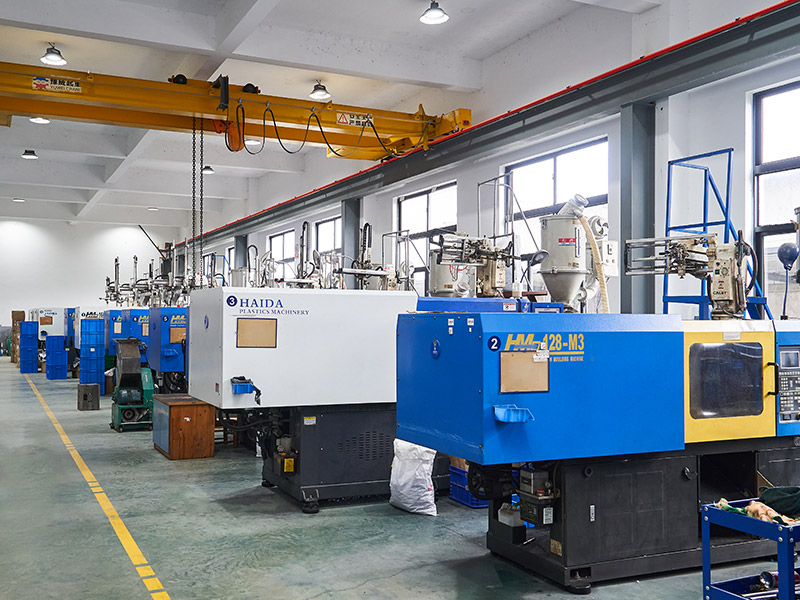
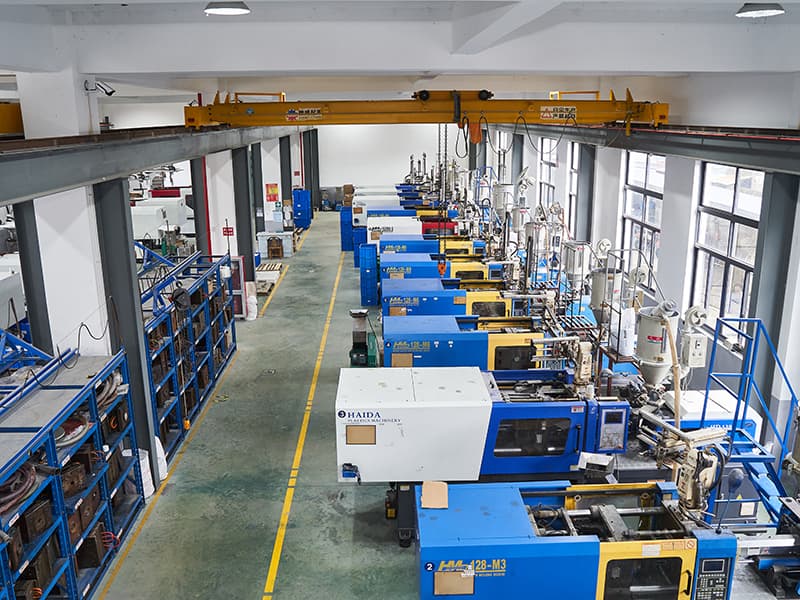
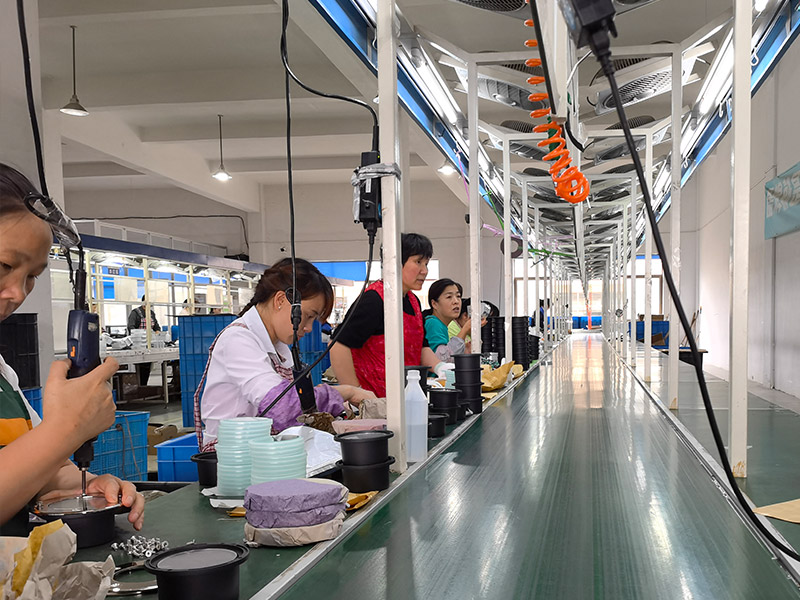
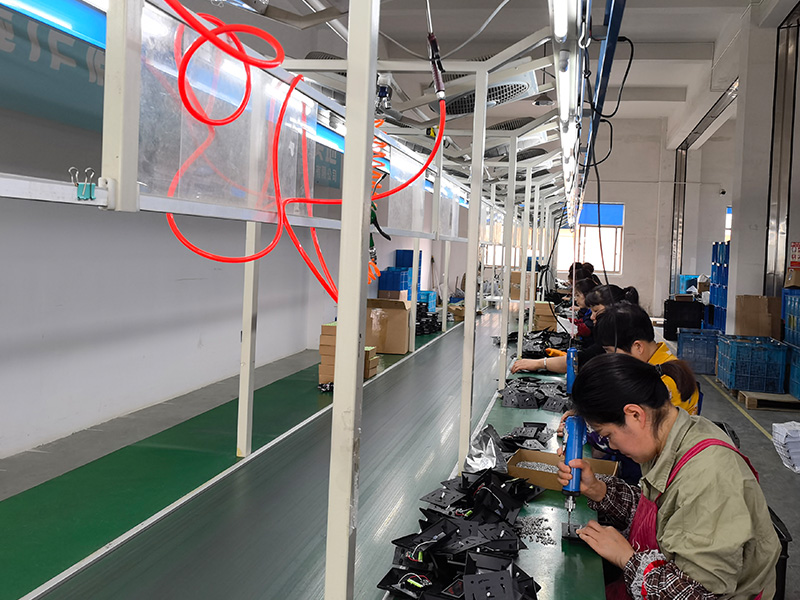
Operating as Ningbo Jianheng Import And Export Co., Ltd. and backed by the precision manufacturing operations of Ningbo Yuancheng Plastic Co., Ltd., our production lines bridge structural mold technology with electrical engineering. Our massive 10,750 square meter facility houses advanced vertical and horizontal injection molding systems alongside dedicated high-throughput assembly lines.
We leverage a workforce of 105 technicians and 15 regulatory specialists to execute rigorous testing on battery integrity, PCB component resistance, and overall water exclusion. This infrastructure allows us to fulfill large-scale distributor quotas while maintaining flexibility for complex custom requests.
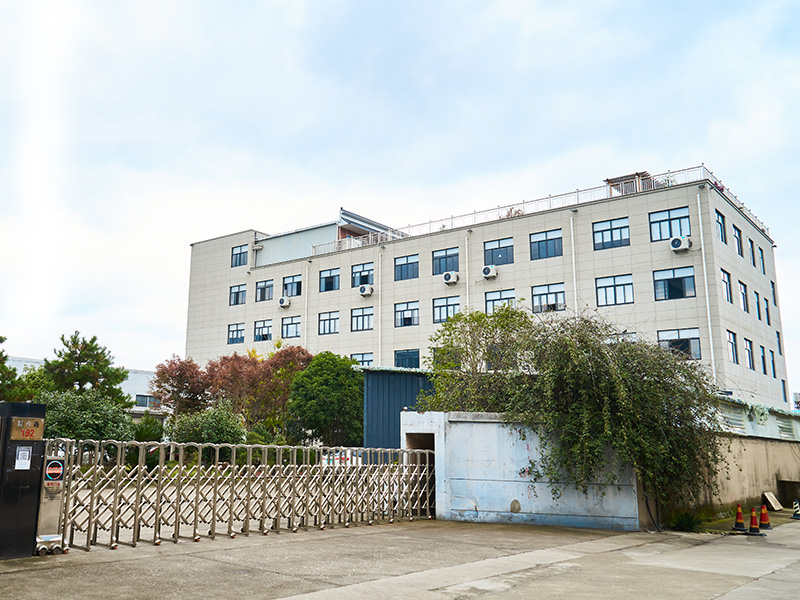
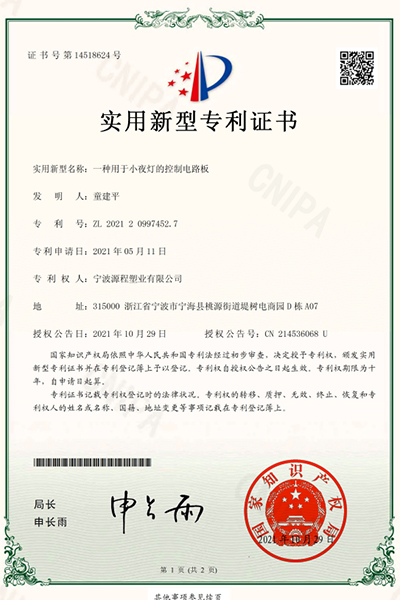
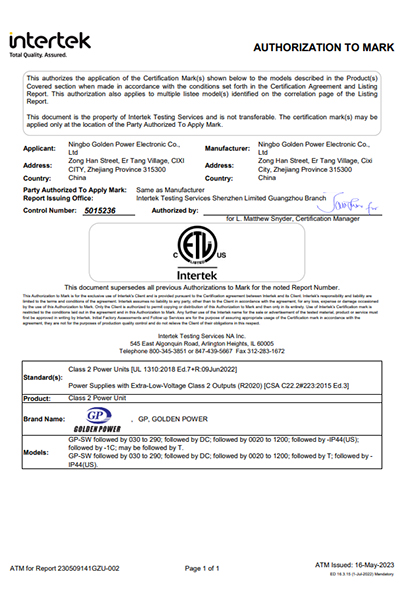
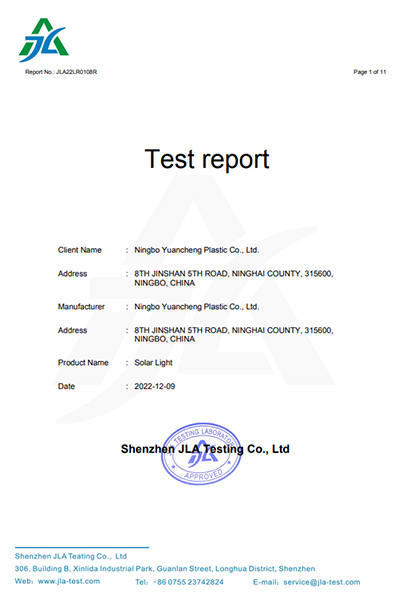
The geographic cluster benefits, structural integrations, and rapid component iterations defining Ningbo's industrial superiority.
Ningbo sits at the epicenter of China’s solar cell and plastic component clusters. Our location eliminates high overland transport costs for raw resources. Polycrystalline and monocrystalline silicon panels, high-drain batteries, microchips, and durable ABS plastics are sourced within a 50-mile radius. This enables rapid material replenishment and lowers lead times.
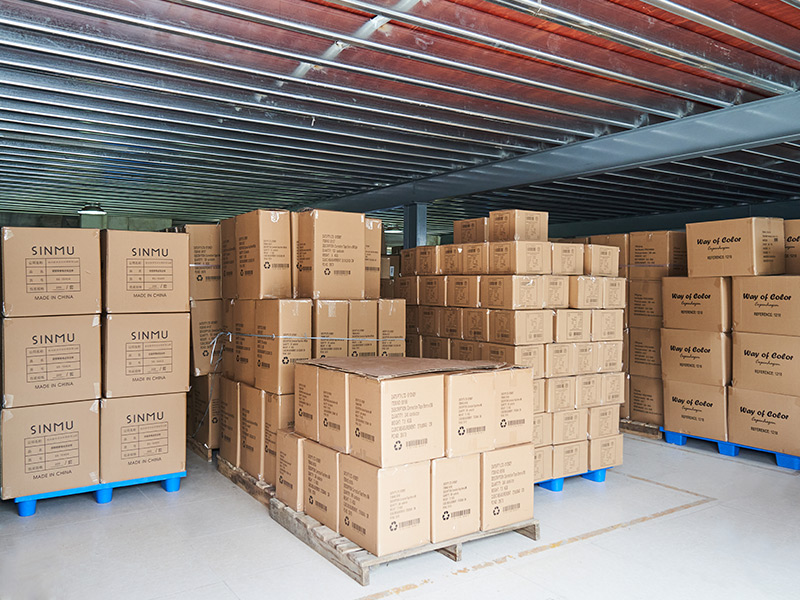
Being close to the Port of Ningbo-Zhoushan—the world’s busiest port by cargo volume—provides our international distributors with massive logistical benefits. Sourcing from our factory allows for immediate container loading, direct customs processing, and competitive ocean freight pricing, bypassing secondary shipping hubs.
With an in-house tooling facility, our engineers can prototype custom shell alterations, change optical spread lens designs, and adjust micro-PCB assemblies within 7 days. This agility gives global retail brands and distributors a competitive edge to launch market-targeted models rapidly.
Detailed data modeling of charge efficiency ratios, luminance output, battery chemistry, and architectural integration.
| Specification Parameter | Ningbo Jianheng 180 LED Wall Light | Standard 100 LED Competitor Light | Commercial Flood Light Alternatives |
|---|---|---|---|
| Solar Cell Material | Monocrystalline Silicon (21.8% efficiency rating) | Polycrystalline Silicon (17% efficiency rating) | Heavy Polycrystalline / Thin-film |
| Battery Chemistry | Grade-A Lithium Iron Phosphate (LiFePO4) 3.7V / 2200mAh | Standard Li-ion 18650 (Recycled grade) | Lead-Acid or High Capacity Ternary Li-ion |
| Illumination Area | Up to 50 square meters (270° angle) | 25 square meters (120° angle) | 80-120 square meters (Directional) |
| Casing Material | Impact-resistant, UV-Stabilized ABS & PC (IP65) | Recycled ABS (Non-UV stabilized) | Die-cast Aluminum / Tempered Glass |
| PIR Sensing Capabilities | 120° arc, detection up to 8 meters (Smart algorithm) | 90° arc, detection up to 4 meters | Microwave Radar / Constant On |
| Life Cycle Expectancy | 5+ Years (50,000 hours diode lifespan) | 1.5 Years average use | 3-5 Years (Requires higher maintenance) |
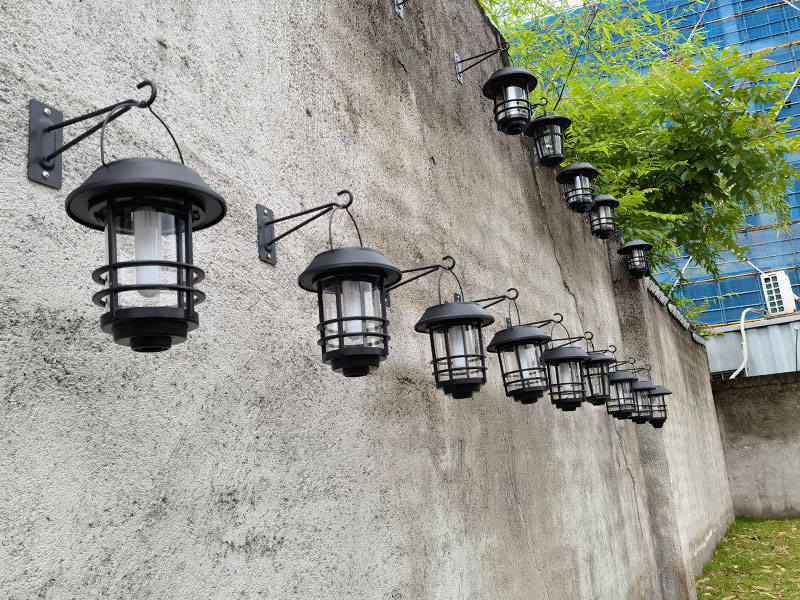
We implement a triple-stage test phase on every production run. First, incoming batteries are stress-tested to ensure charge retention and thermal limits. Next, our micro-PCBs undergo circuit continuity and logic checks to guarantee sensor responsiveness. Finally, assembled 180 LED Wall Lights undergo a 24-hour simulation testing cycle, where they are subjected to artificial rain chambers to test for IP65 environmental ingress protection.
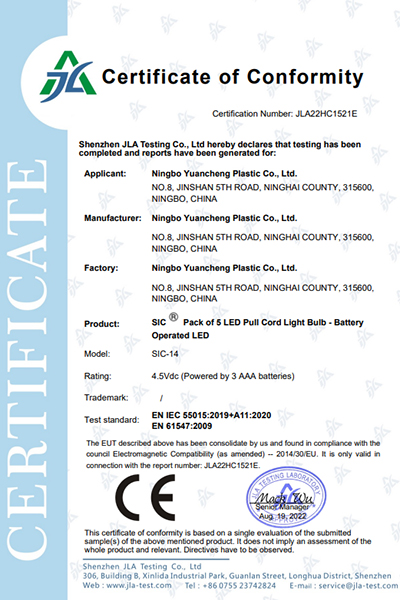
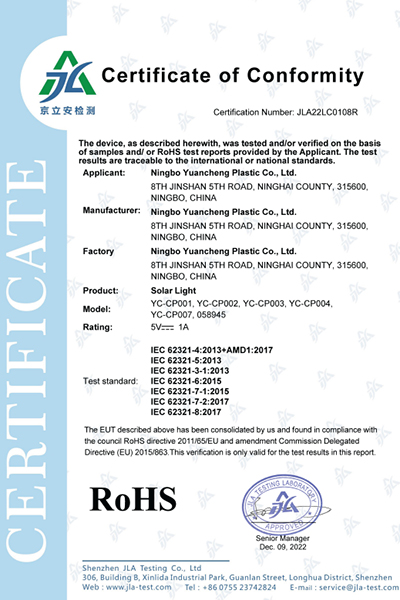
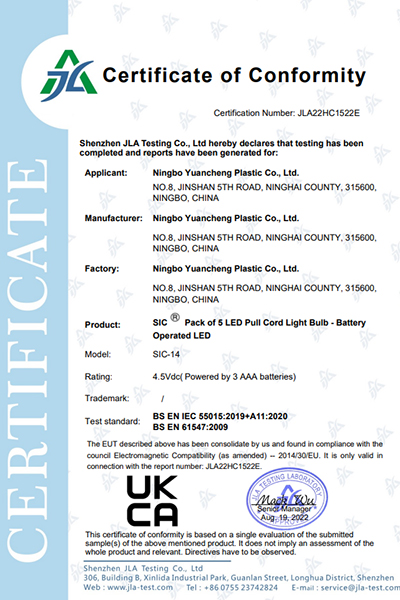
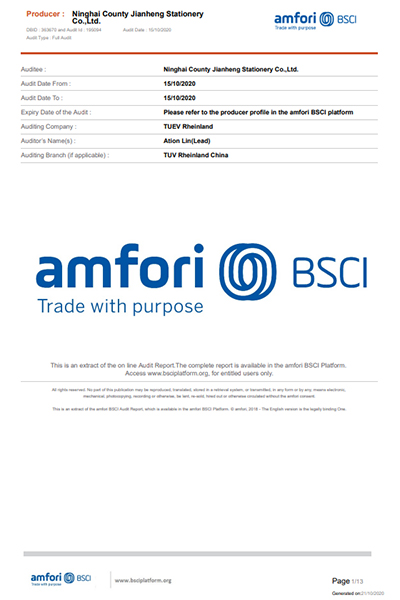
Our commitment to standards is validated by our certified factory profiles under BSCI and ISO9001. Our output lines are fully compliant with international markets, boasting CE, ROHS, and UKCA certifications to ensure trouble-free customs clearance and market entry.
Adapting physical features to meet localized climate changes, consumer safety, and regional regulations.
Under overcast skies and winter seasons, charging capacity drops. Our monocrystalline panel has optimized low-irradiance absorption. Together with intelligent power conservation, the system shifts into a low-drain PIR sensor mode. This preserves battery reserve power to keep properties safe for up to 3 nights without sunlight.
Intense heat causes rapid battery degradation and micro-cracking in cheap polymers. To resolve this, our enclosures utilize highly UV-stabilized polycarbonate shells. These are rated to handle continuous temperatures exceeding 50 degrees Celsius without yellowing, deformation, or thermal runaway in the energy cells.
Salt water easily corrodes electronic paths. We apply a thin protective layer of moisture-resistant lacquer on the internal PCB circuit boards. Our wall light brackets use durable engineering plastics or 316-grade stainless components, ensuring our lamps operate along coastlines without losing structural integrity.
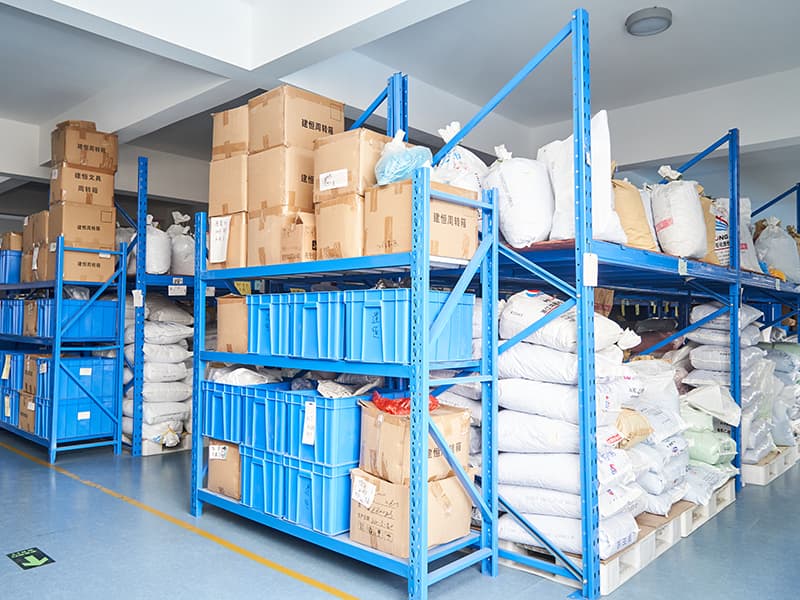
In-depth inspection parameters on structural integrity, battery assembly safety, and packaging specifications.
Understanding the intersection of clean tech, dynamic power profiles, and municipal specifications.
Next-generation solar wall lights are moving beyond stand-alone sensors. We are exploring integrating low-power Bluetooth and LoRa sub-gigahertz microcontrollers. This allows arrays of garden lamps to act as mesh networks, signaling adjacent units to glow when motion is detected at the property boundary.
As global environmental regulations tighten, leading brands demand sustainable manufacturing. We are developing wall lamp housings made from post-consumer recycled (PCR) plastics. This directly supports carbon-neutral retail initiatives without compromising the tensile strength or weatherproofing of the light fixtures.
Monocrystalline silicon is currently the industry standard, but perovskite-silicon tandem cells represent the future. These next-gen panels offer solar conversion rates exceeding 28%, significantly improving battery charging speeds during dark winter periods.
Direct specifications extracted from our manufacturing database, outlining raw material use, structural layout, and customization options.
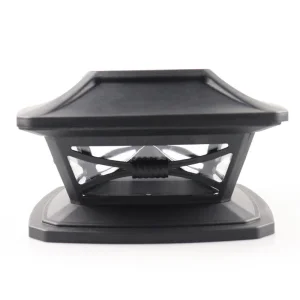
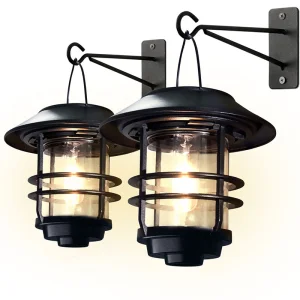
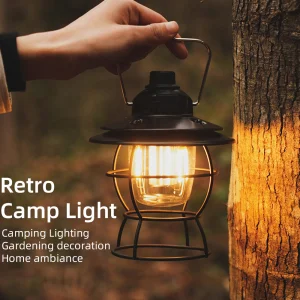
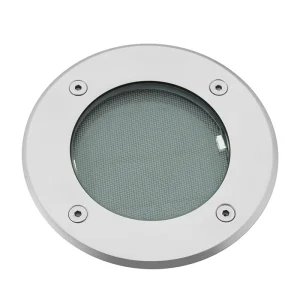
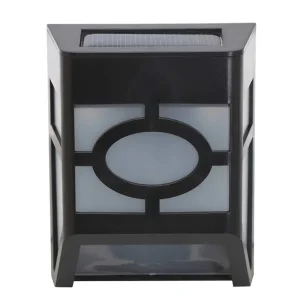
Our product portfolio ranges from high-density motion-sensor wall lights to hanging flickering flame sconces, post cap lights, and robust inground pathway markers. These products share core structural traits:
We work closely with global importers, distributors, and online retail giants. Our operations are tailored to high-volume commercial needs:
Crucial engineering and logistics inquiries addressed by our expert quality assurance team.
A1: Condensation is a common cause of failure in outdoor lighting. It occurs when external temperatures drop rapidly, causing warm air inside the casing to condense. We address this by applying a specialized waterproof seal along the seam. Additionally, we use a semi-permeable venting membrane that allows thermal expansion air to escape without letting moisture enter, ensuring the 180 LED matrix stays completely dry.
A2: Many consumer-grade factories use recycled lithium-ion cells to lower production costs. These batteries degrade quickly, losing up to 50% capacity within 6 months. We exclusively use Grade-A Lithium Iron Phosphate (LiFePO4) batteries. These cells support over 2,000 charge cycles before experiencing capacity drop, outlasting standard lithium-ion alternatives and maintaining reliability in cold climates.
A3: Once a client provides their 3D files or functional requirements, our engineering team initiates CNC mold fabrication or 3D-prints structural samples. Simultaneously, we lay out the required circuit paths on a prototype PCB. Within 7 days, a functional sample is produced, tested, and shared via video or express courier for customer verification and approval.
A4: Yes, all safety and chemical compliance testing certificates are issued by accredited, independent testing labs (such as TUV, SGS, or Intertek). Importers and customs authorities can easily verify these documents by entering the unique registration numbers into the respective laboratory databases.
A5: Our monocrystalline solar panels are designed with low-irradiance capability. This allows them to capture solar energy across a wider light spectrum, continuing to charge at a reduced rate even on cloudy days. In addition, the internal power management system automatically adjusts energy consumption to extend battery life when charging input drops.
A6: For standard configurations with standard packaging, the minimum order is 200 units. For fully customized branding, tailored packaging, or modified colors, the MOQ starts at 1,000 units, depending on the complexity of the custom parts.
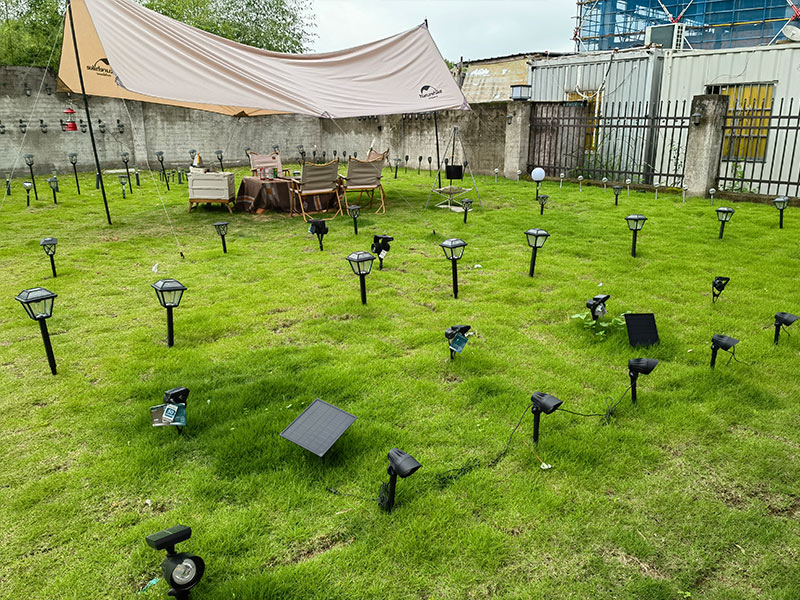
Original high-resolution images showing product installations, close-up details, and industrial assembly steps.
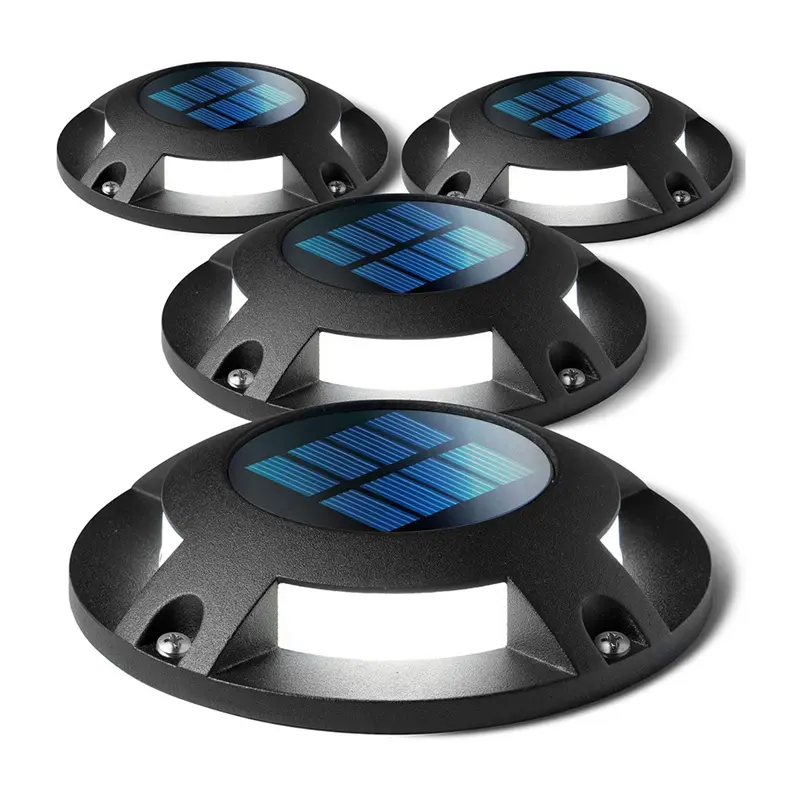
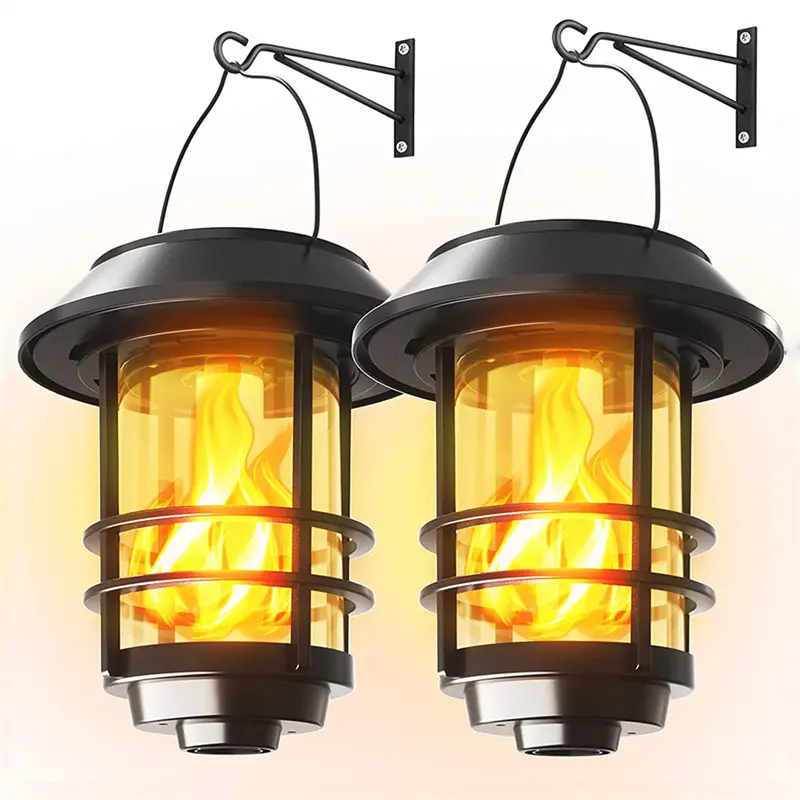
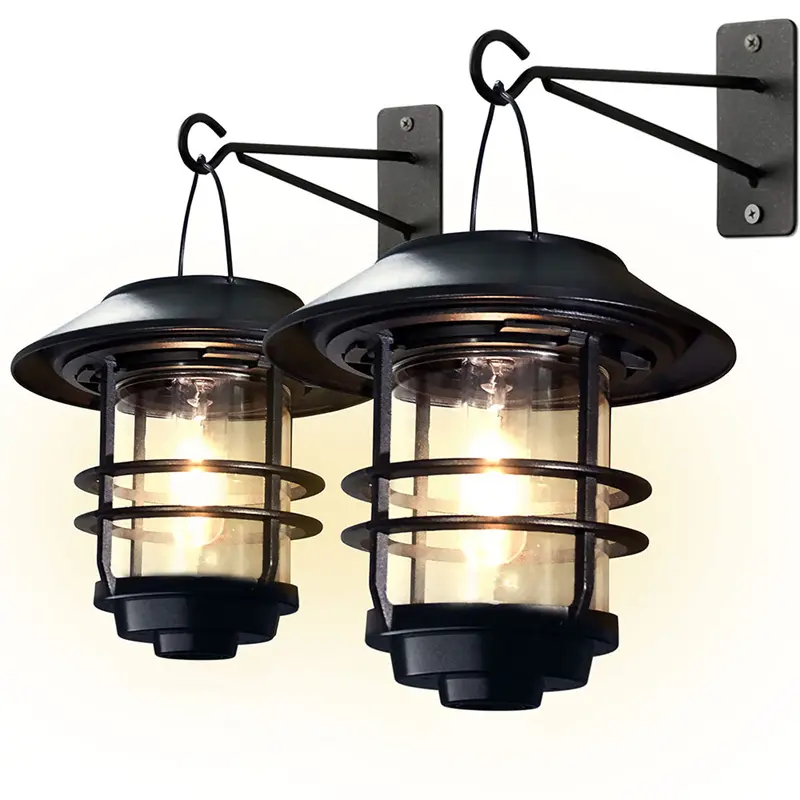
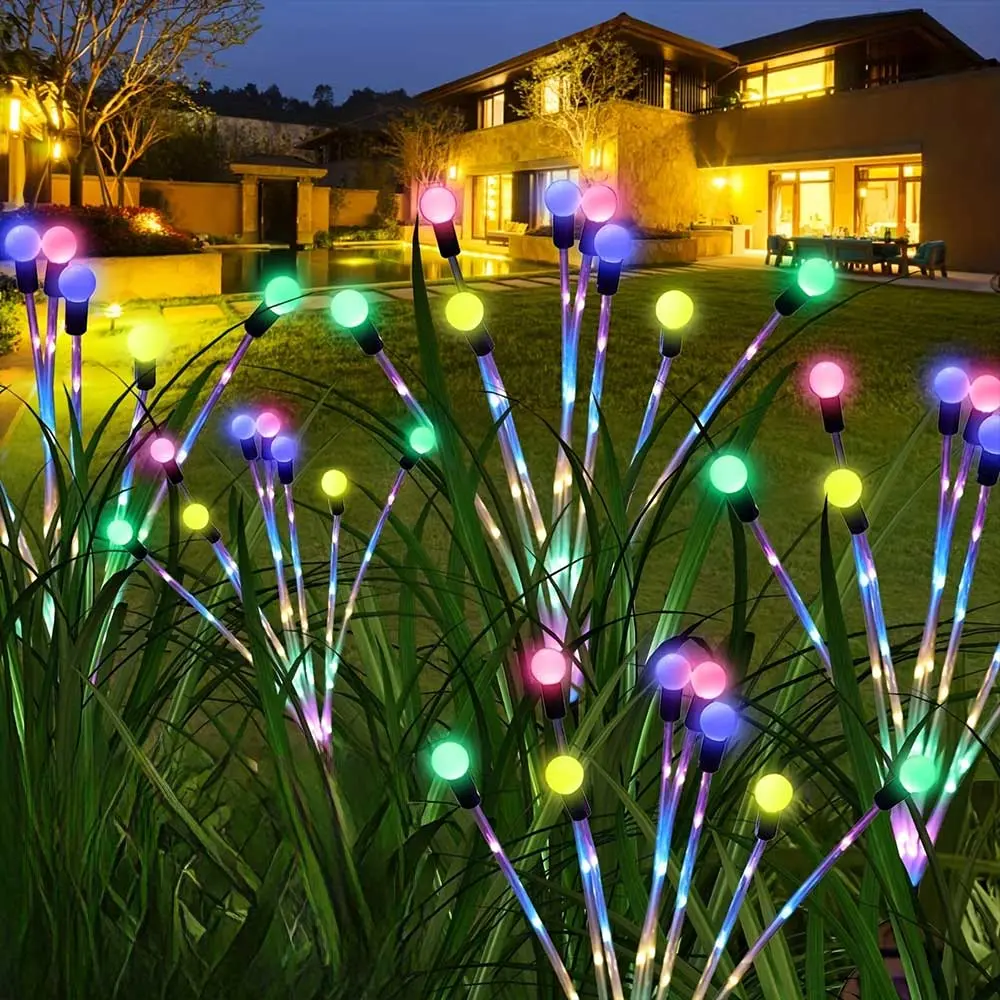
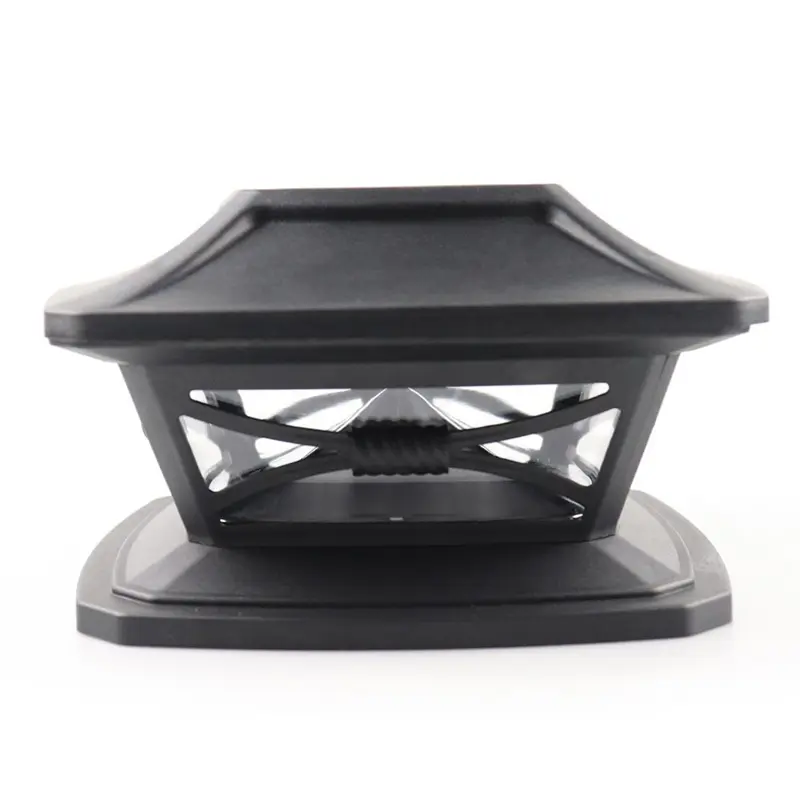
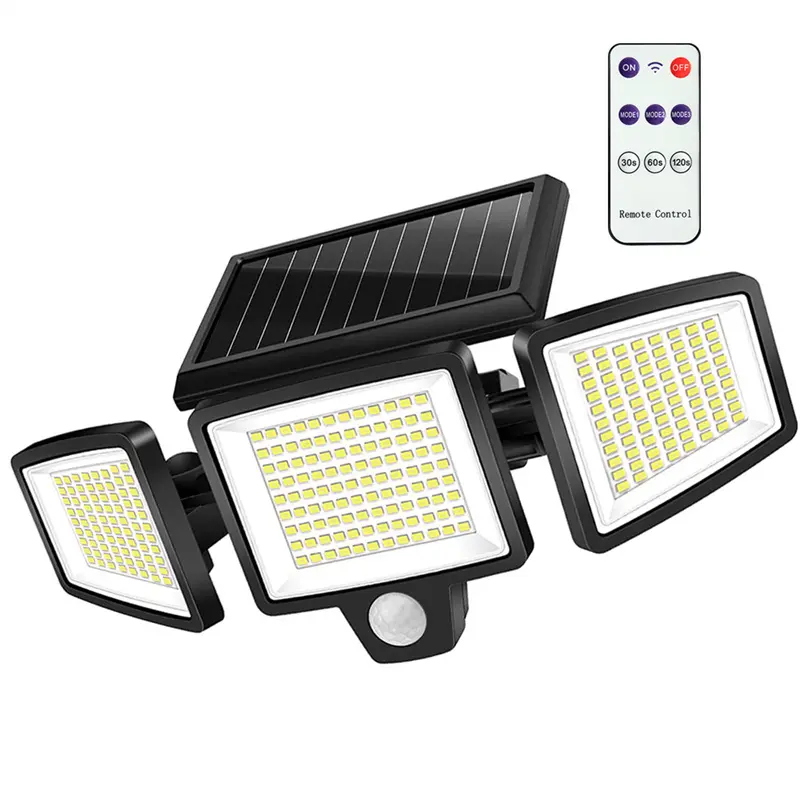
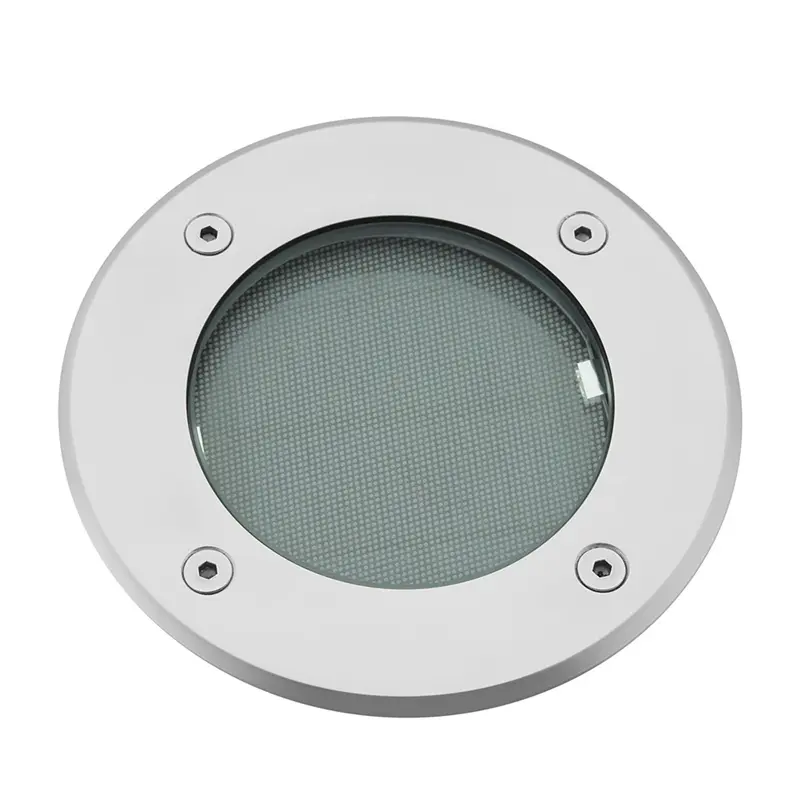
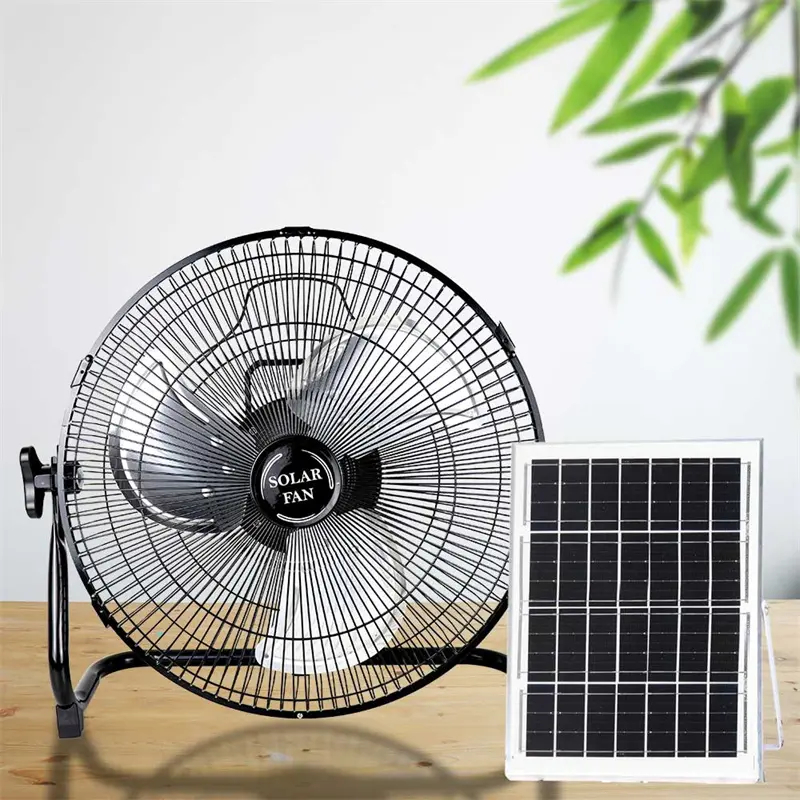
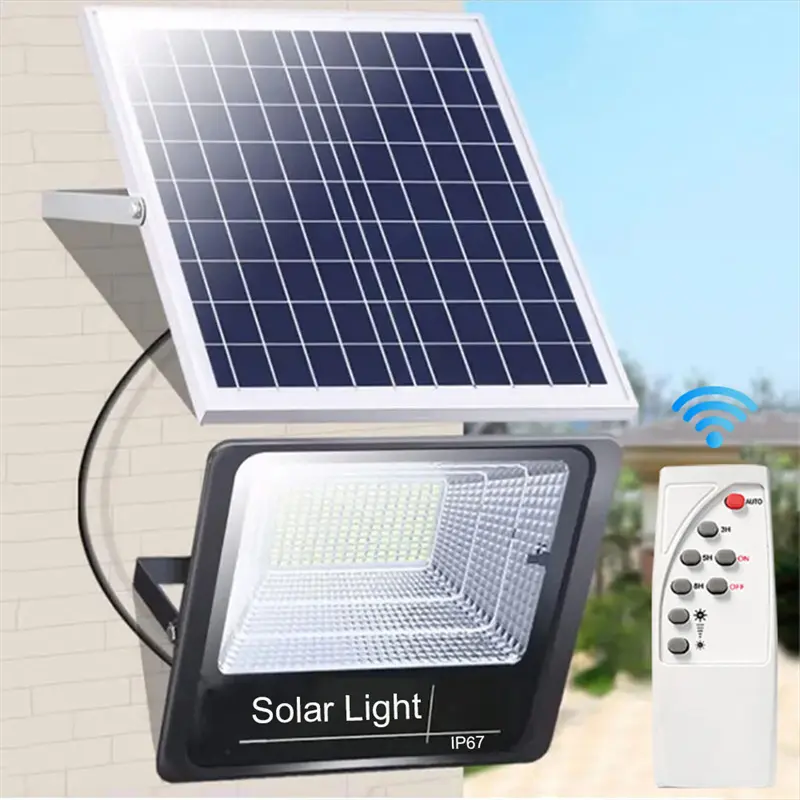
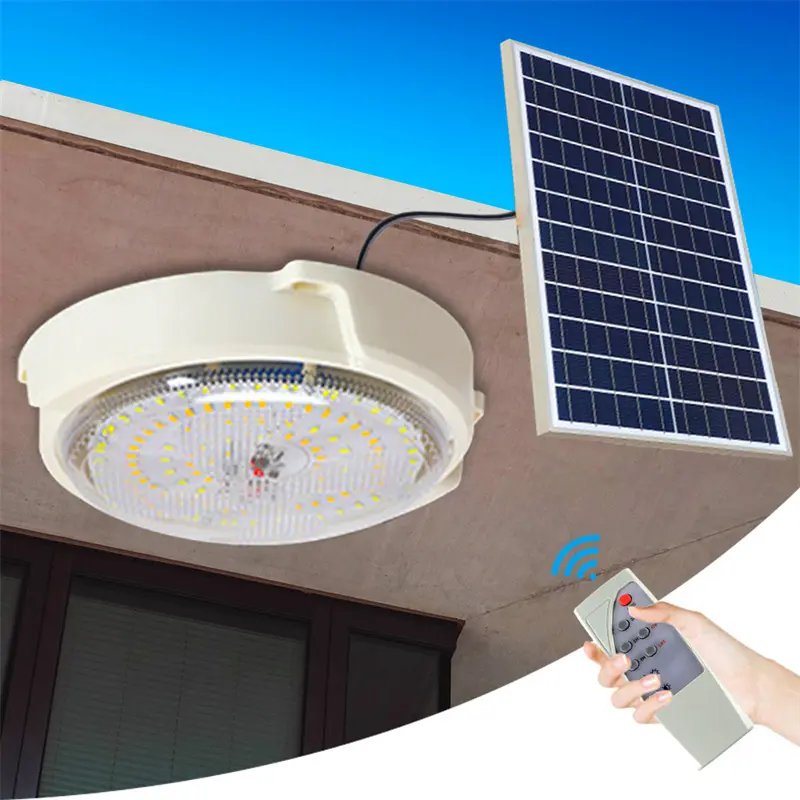
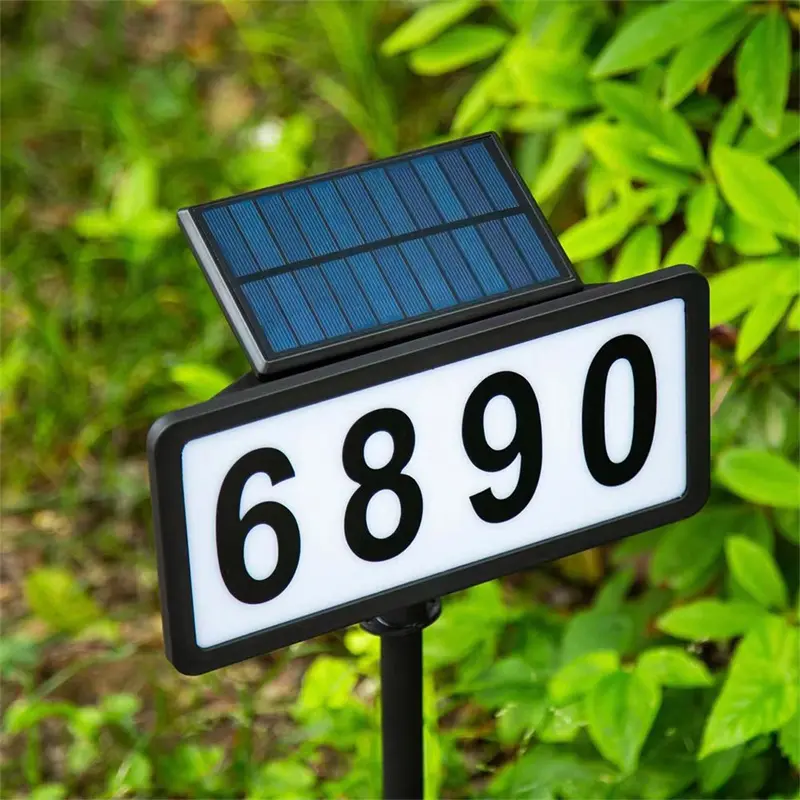
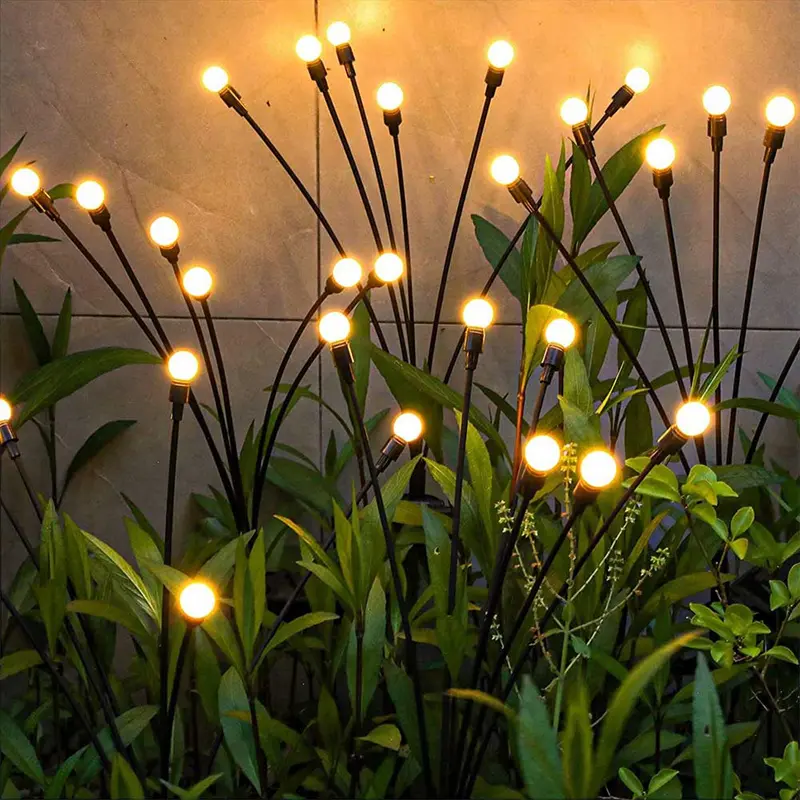
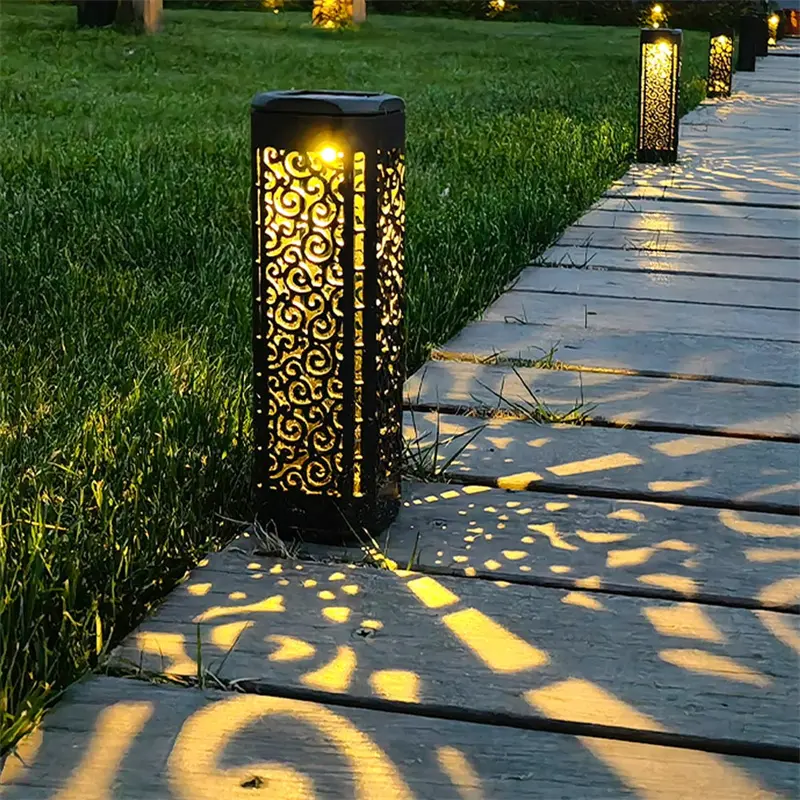
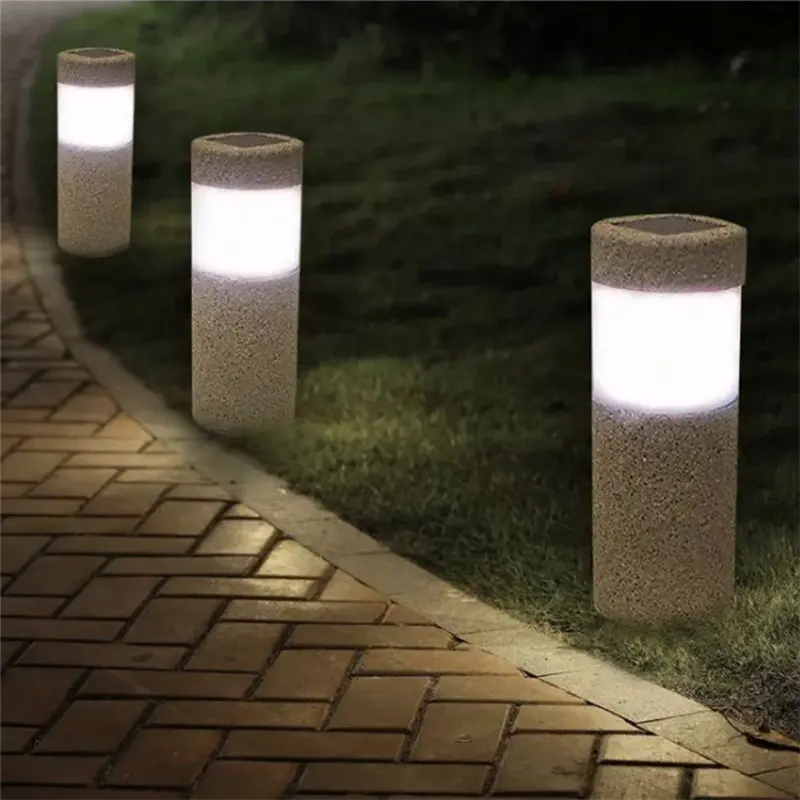
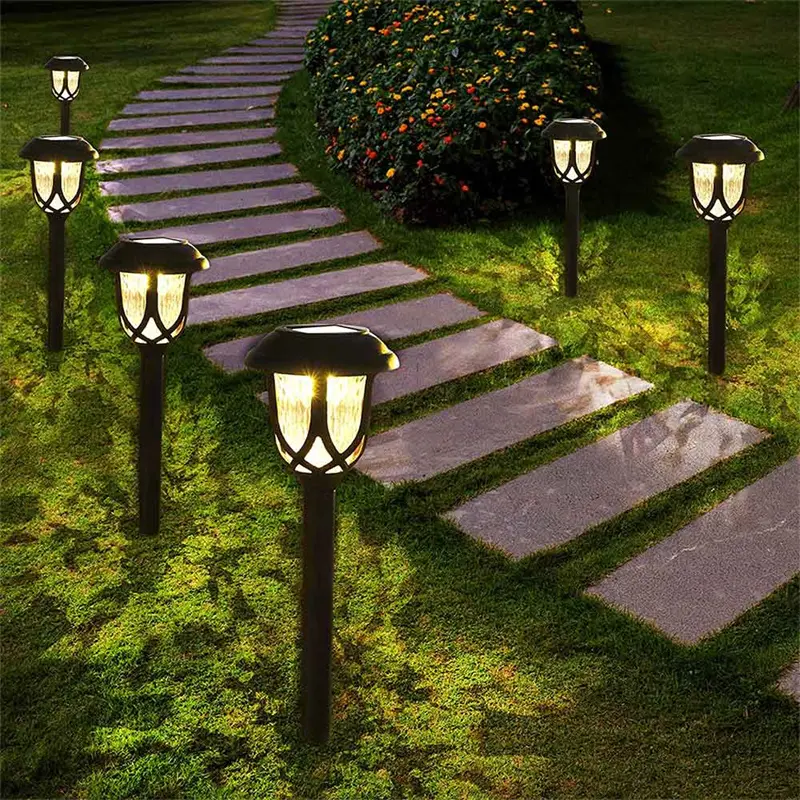
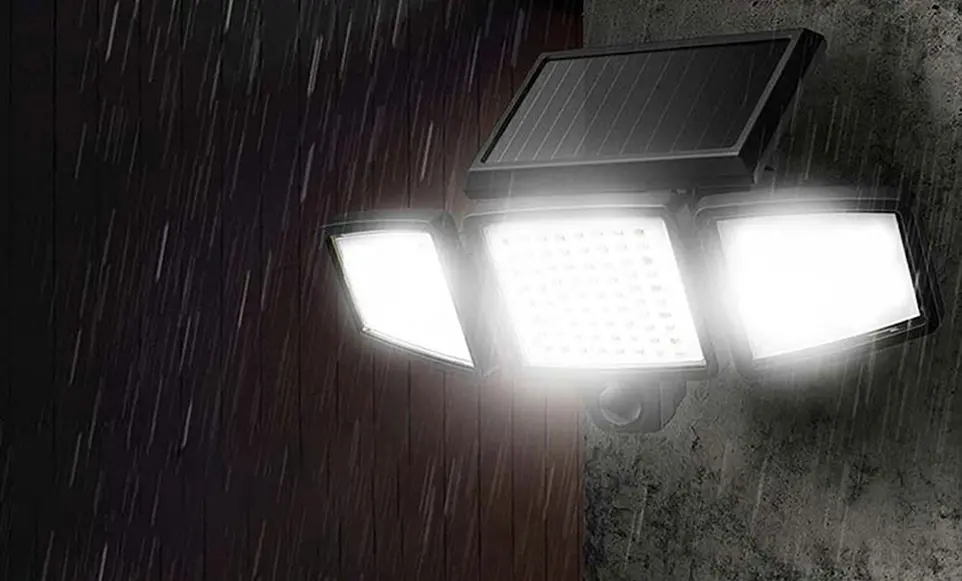
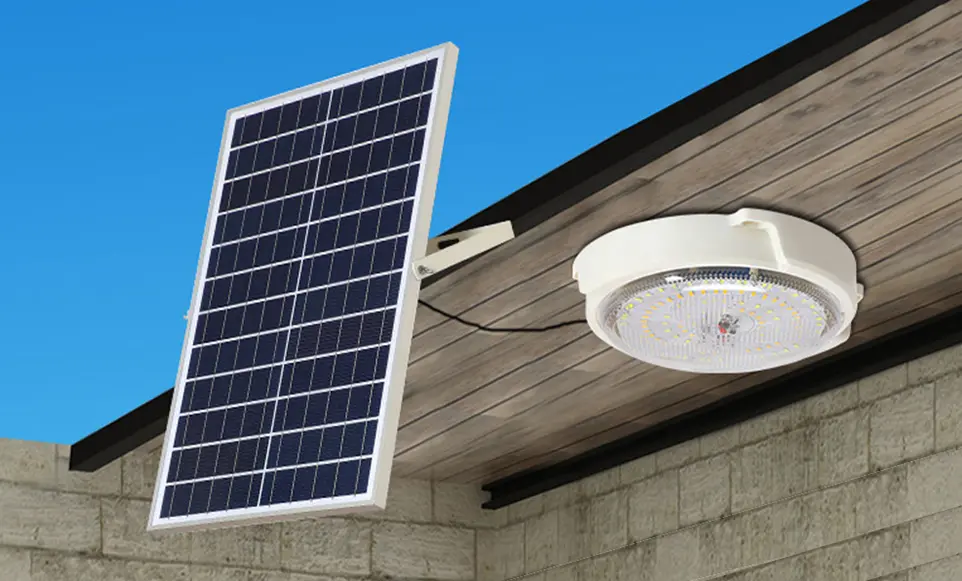
High-reliability solar lighting products designed to meet specifications for architectural and landscape projects.
 Jianheng