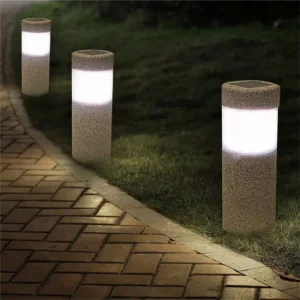
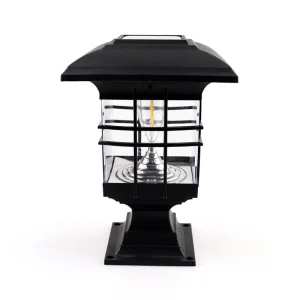
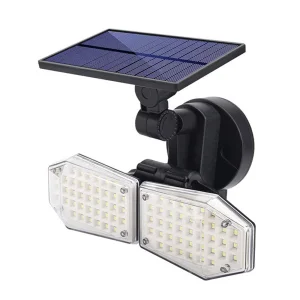
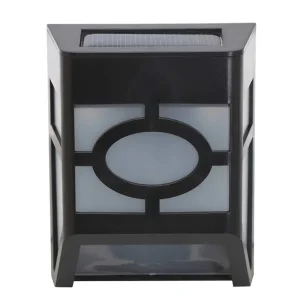
Explore our core engineered lineup of heavy-duty, waterproof solar products built for high durability and performance.
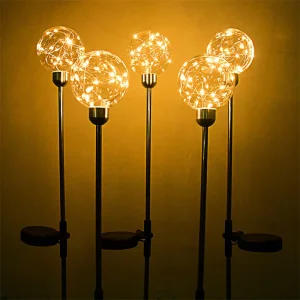
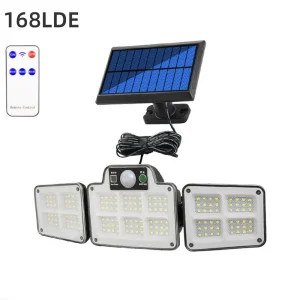
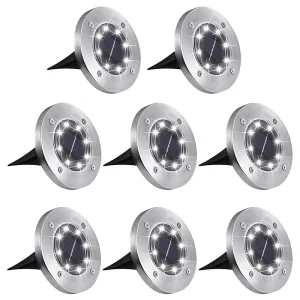
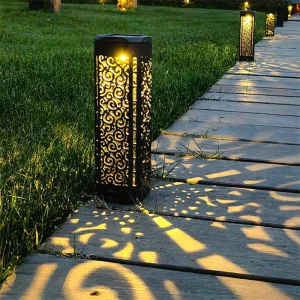
A B2B procurement framework evaluating architectural integration, power efficiency, and long-term investment return.
Within B2B infrastructure lighting, the 120W solar street light represents the optical and electrical "sweet spot". It provides enough luminous flux (typically ranging between 12,000 and 18,000 lumens under standard LED efficacy scales of 100-150 lm/W) to safely illuminate dual-lane municipal highways, major arterial roads, commercial logistical zones, and perimeter fences, without demanding oversized solar panels or heavy structural poles that increase wind-load risk.
For procurement officers, municipal project managers, and civil developers, scaling up green infrastructure involves evaluating more than simple wattage. It requires assessing the combined efficiency of the photovoltaic panels, the thermal limits of the LED luminaire housings, and the performance characteristics of Lithium Iron Phosphate (LiFePO4) storage arrays. When sourcing these configurations directly from Chinese manufacturing centers, understating the distinction between nominal capacity and actual field performance is key to avoiding costly project overruns.
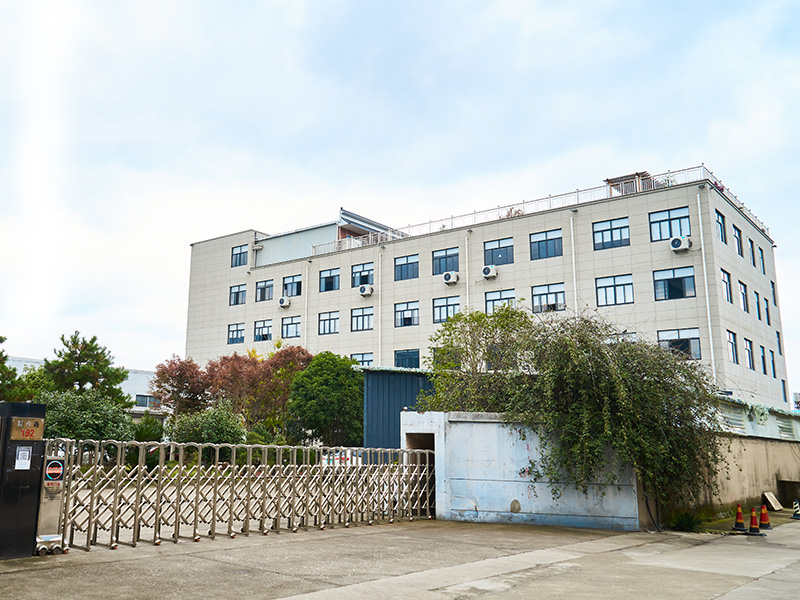
How unified manufacturing clusters, robust logistics infrastructure, and automated facilities support cost efficiency and product quality.
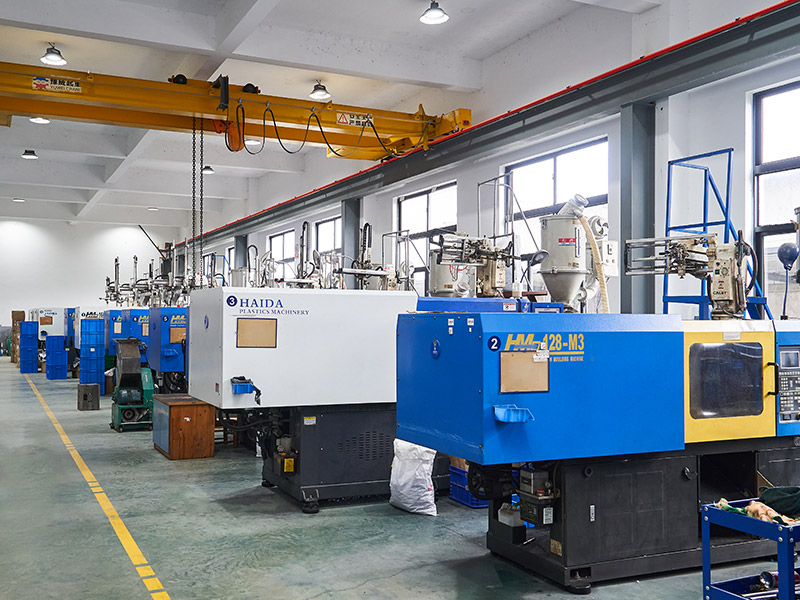
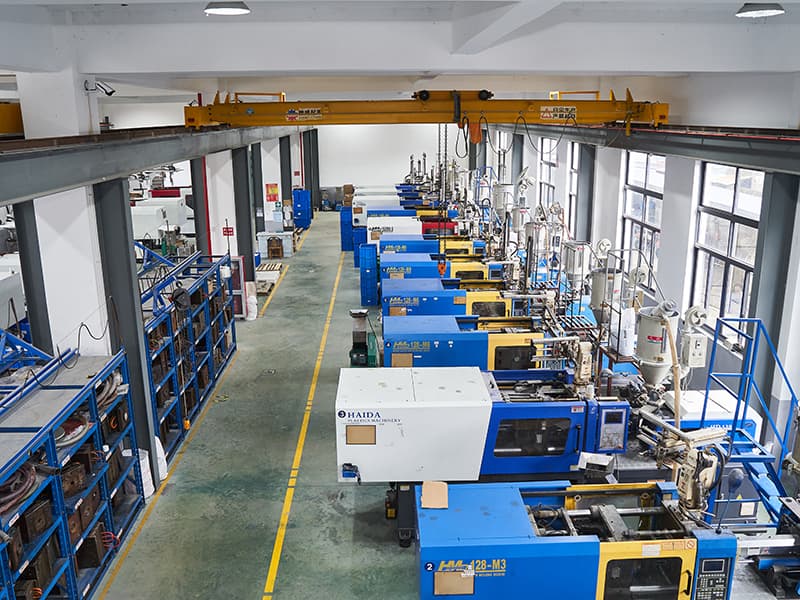
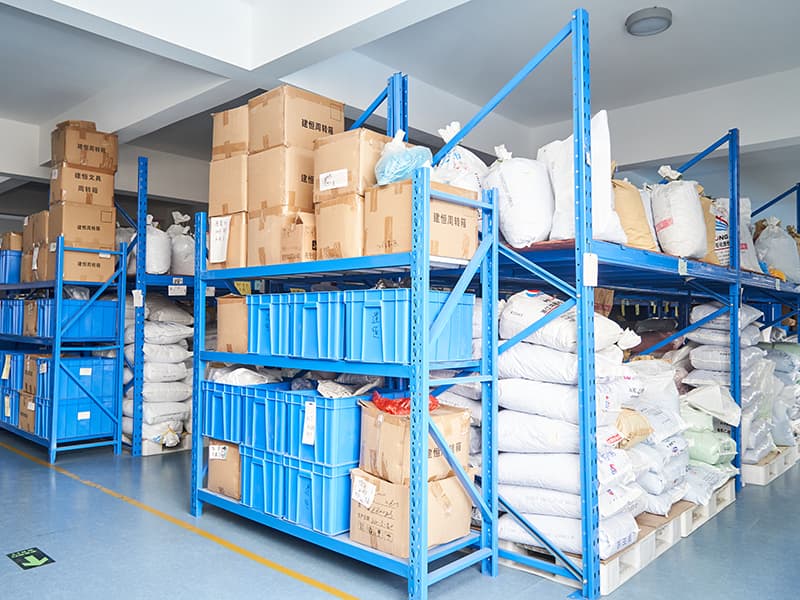
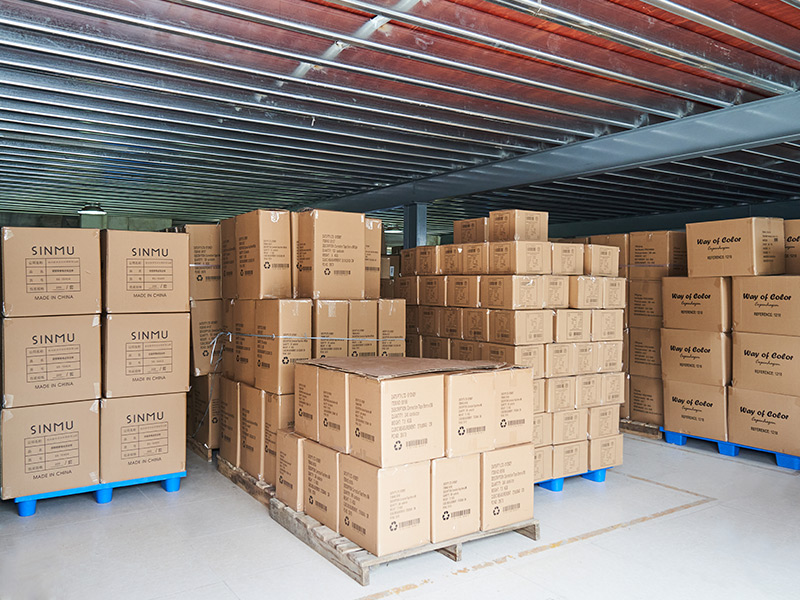
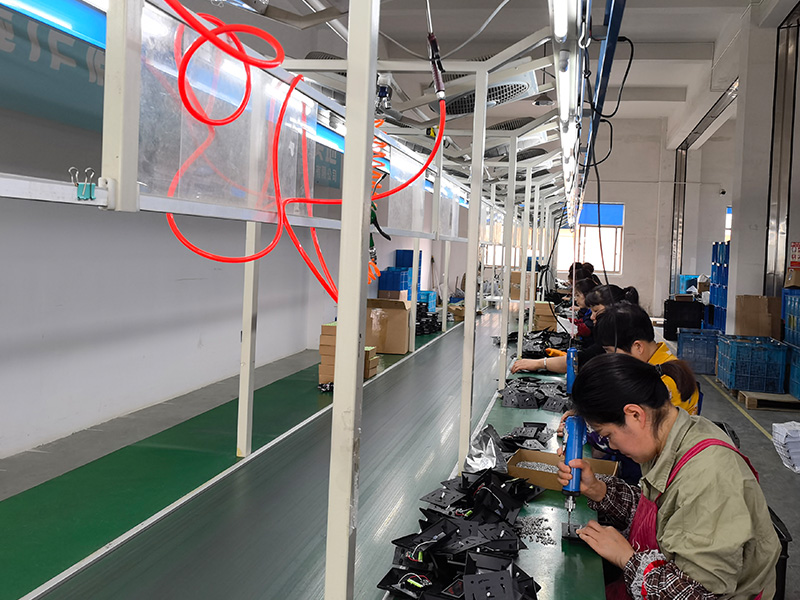
Founded on decades of precision engineering, Ningbo Jianheng Import And Export Co., Ltd. (integrated with Yuancheng Plastic Co., Ltd.) has evolved over 20 years into a specialized solar lighting partner. Our operations are backed by a modern, fully optimized 10,750 square meter production facility.
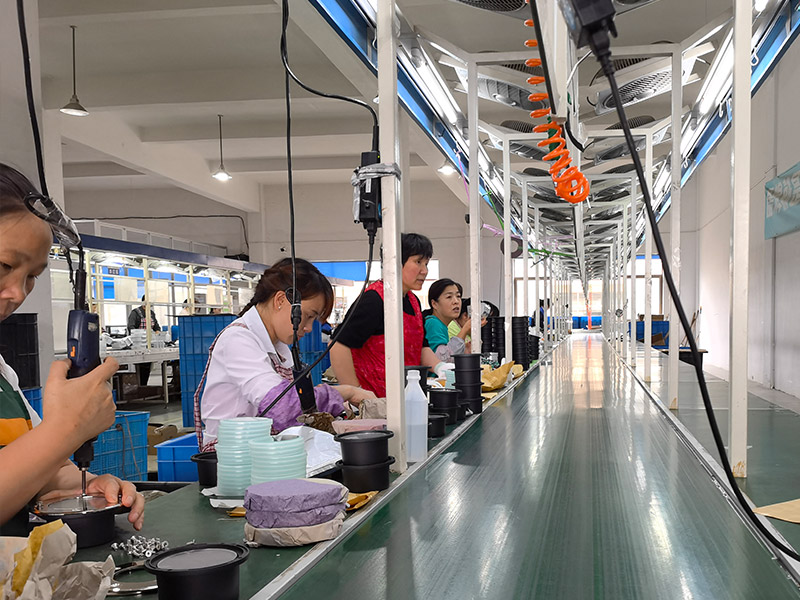
Our operation relies on a workforce of 105 highly skilled technicians and workers on the line, supported by 15 dedicated administrative and engineering personnel. This structure ensures your complex custom requests receive prompt engineering and logistical support.
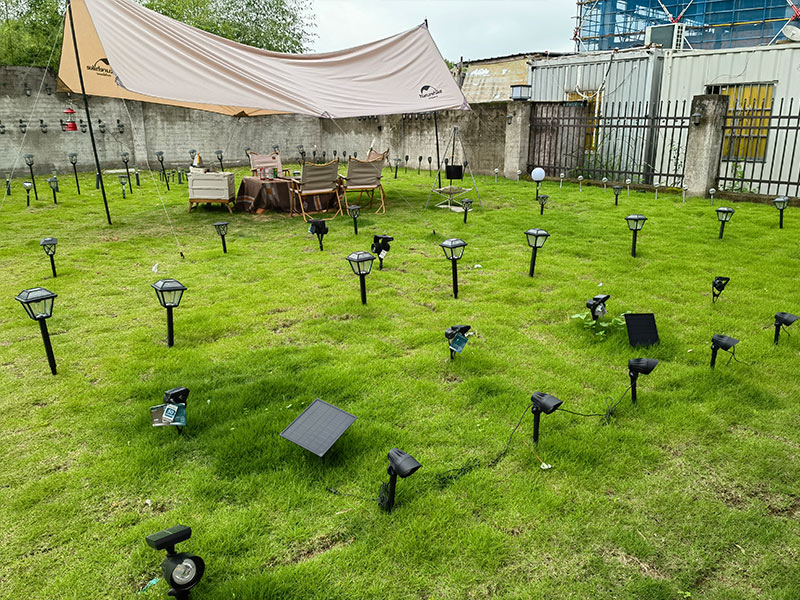
To reduce risk during the initial sourcing phase, we support a rapid 7-day engineering proofing and sample service. This allows your engineering teams to evaluate the housing design, battery cell configuration, and LED light output before moving to volume manufacturing.

Operating out of Ningbo, one of China's primary industrial port cities and lighting clusters, allows us to source raw materials under strict quality control. From specialized aluminum extrusions and structural plastics to the latest monocrystalline photovoltaic modules and smart solar controllers, every material is tracked through our supply chain. This helps prevent manufacturing delays and reduces intermediate transport costs.
By bypassing middle-tier sourcing groups, Ningbo Jianheng offers direct OEM/ODM customization options that allow engineering adjustments to fit specific regional daylight levels, wind loading, and local utility regulations.
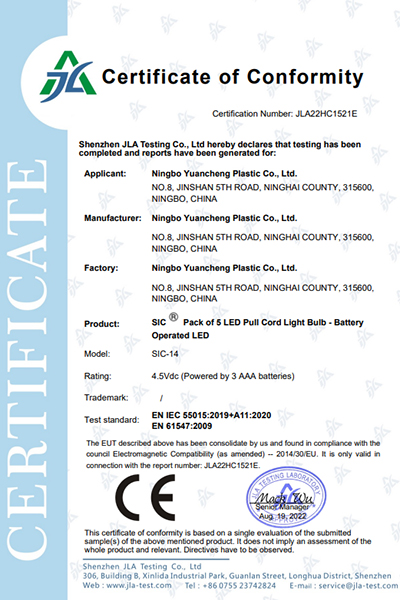
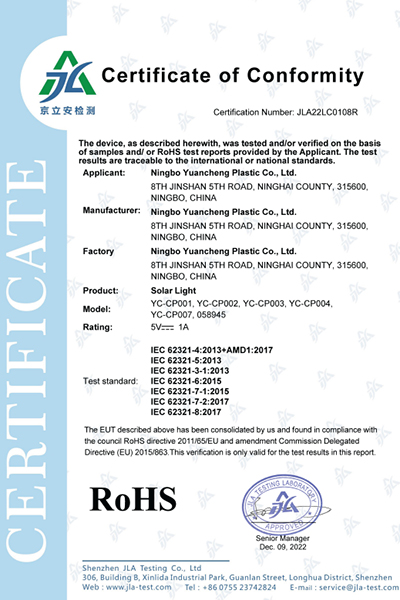
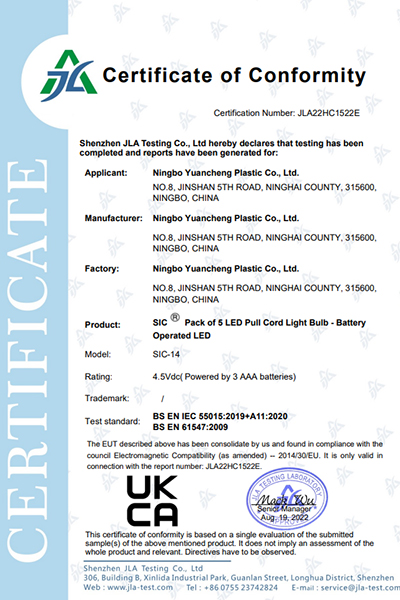
Ensuring compliance with international standards and strict verification processes for reliability in municipal and industrial projects.
In municipal lighting projects, compliance is a core project requirement. Municipal tenders require certified assurance that luminaires will operate safely under extreme weather conditions without structural failure, electrical degradation, or thermal runaway.
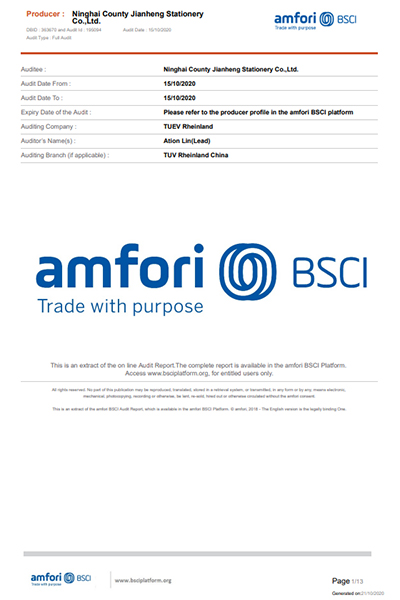
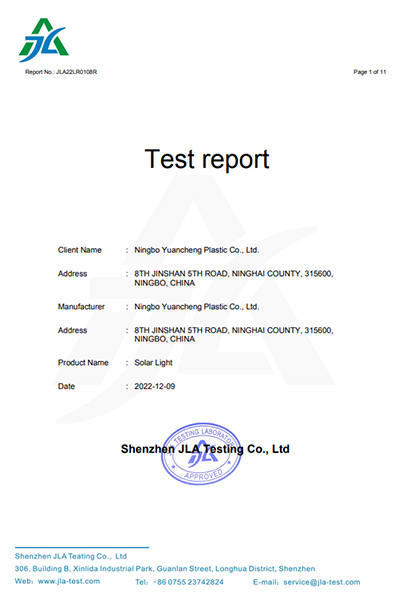
Our production facilities have completed formal system assessments, achieving ISO9001 quality management standards and BSCI social compliance audits. This guarantees that every stage of our assembly process, from incoming raw material checking to final packing, is fully documented and traceable.
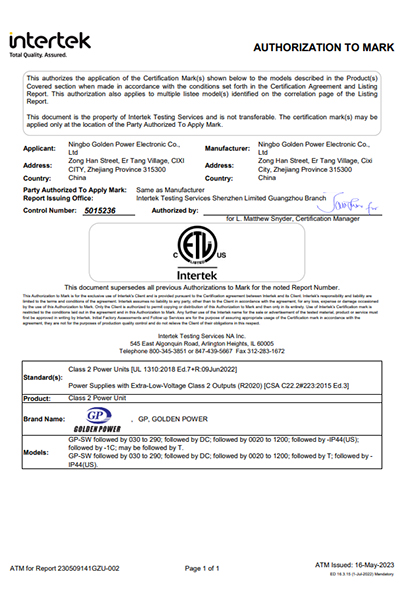
Our solar street lighting systems carry the following key regulatory markings for international markets:
| Phase | Methods / Standards | Key Parameters Assessed |
|---|---|---|
| IQC (Incoming Control) | Spectrophotometry, Cell Sorting | Solar Cell Conversion Efficiency, Battery Ah Capacity |
| IPQC (In-Process) | Automatic Optical Inspection (AOI) | Driver circuit board solder joints, wiring integrity |
| FQC (Final Check) | Salt Spray, Waterproof Testing | IP65/IP66 Rating, Luminous Flux (lm) Output |
| OQC (Out-of-Box) | AQL 2.5/4.0 Standards | Structural components, package stability, accessories |
Configuring solar lighting solutions to meet the specific requirements of various environments and use cases.
Designed for multi-lane public roads, these configurations feature Type II / Type III asymmetric light distributions to maximize spacing between poles. This setup ensures uniform light spread across roadways while minimizing glare for drivers.
These systems ensure consistent illumination for shipping bays, warehouses, and access roads. The integrated motion sensors dynamically switch between 100% full brightness during active shifts and 30% economy mode during low-traffic hours.
Equipped with an IP67 rating, anti-corrosive powder coatings, and marine-grade stainless steel hardware, these luminaires resist salt spray degradation and high humidity along coastal highways and port terminals.
A closer look at the key sub-assemblies that deliver reliable off-grid operations in challenging environments.
A high-performance solar street light is only as reliable as its weakest component. Under the hood of our 120W models, each component is carefully matched to prevent power bottlenecks:
How shifts in battery technology and smart features are redefining street lighting installations.
Modern commercial infrastructure has shifted away from older lead-acid batteries. The chemical stability, safety profile, and high temperature tolerance of Lithium Iron Phosphate (LiFePO4) chemistry make it the standard for commercial lighting. By eliminating thermal runaway risks, these batteries operate safely in hot desert regions and maintain capacity in colder climates.
Modern municipalities often require remote monitoring capabilities. Using Zigbee, LoRa, or cellular communication, modern 120W fixtures can report energy generation, charge status, and hardware errors directly to a central office. This capability helps maintenance crews identify and address issues before field failures occur.
Constant full brightness throughout the night can drain batteries prematurely. Utilizing smart controllers, contemporary street lights adjust their output based on local activity levels. By using motion sensors and pre-programmed dimming schedules, lights run at full brightness during peak hours and transition to energy-saving dim levels during late-night hours, extending overall system runtime.
Technical details, installation guidelines, and sourcing FAQs for B2B buyers and project engineers.
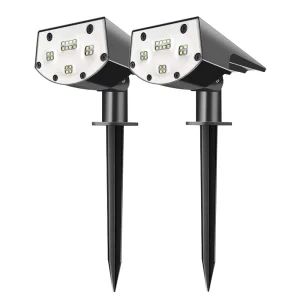
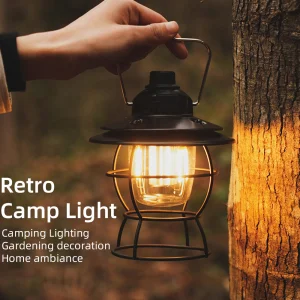
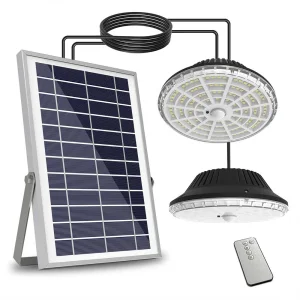
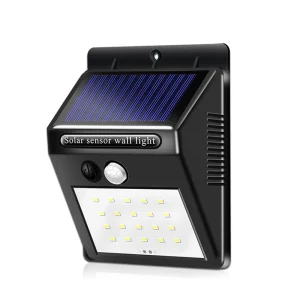
Explore our additional range of custom outdoor lighting, decorative solar systems, and specialized lighting products.


 Jianheng