In today's environmentally conscious world, outdoor lighting is becoming more innovative. Solar Light Post options have surged in popularity among homeowners. These fixtures harness the sun’s energy, providing illumination without increasing your electricity bill.
Not only are they energy-efficient, but they also require minimal maintenance. With various designs, styles, and brightness levels, selecting the right model can be overwhelming. Some choices might even underperform, leading to buyer's remorse. It's essential to consider features such as weather resistance and light duration.
Explore the top 10 Solar Light Post options that cater to diverse outdoor needs. Each option has its unique benefits and potential drawbacks. A thoughtful approach will ensure you make the best decision for your home.
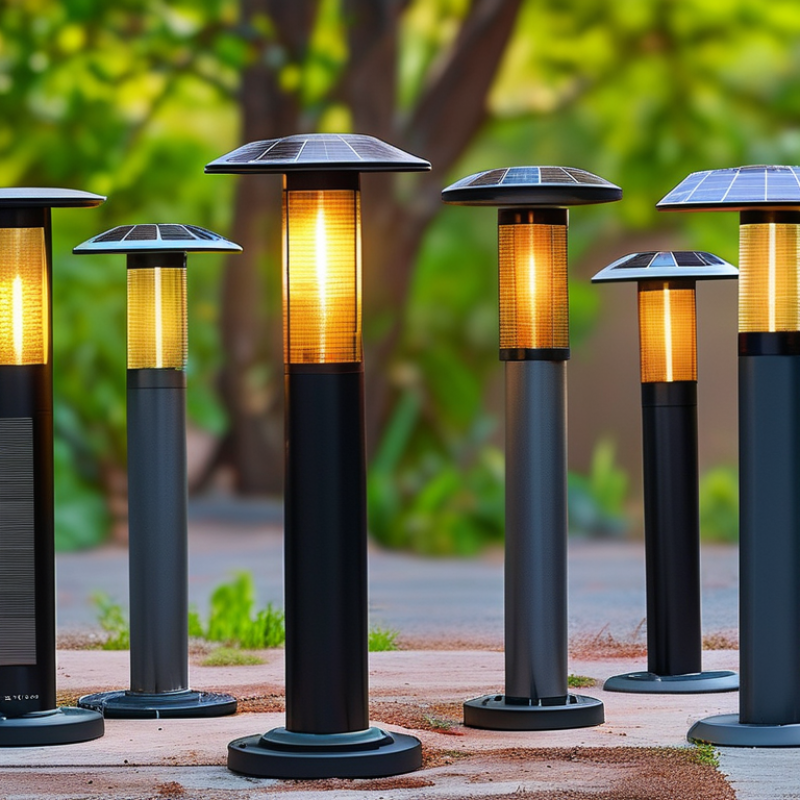
Solar light posts are a smart choice for enhancing outdoor spaces. They harness solar energy, which makes them eco-friendly and cost-effective. These lights can illuminate pathways, gardens, and patios beautifully. With various styles available, you can easily find a post that complements your outdoor decor.
When choosing solar lights, consider their brightness. Some may not be bright enough for large areas. Knowing where to place them is crucial. Position them where they can receive maximum sunlight during the day. This maximizes their charging efficiency at night.
Additionally, think about durability. Cheaply made lights may break or fail quickly. Instead, invest in quality products that can withstand weather changes. Keep an eye on their performance. Regularly check the battery and light function. Reflect on the areas that still feel dark. Are there spots needing better lighting? This could improve both safety and ambiance.
This chart displays the brightness levels (in lumens) and average battery life (in hours) of the top 10 solar light post options suitable for outdoor spaces. The data reflects how various solar light posts balance illumination and energy efficiency.
When selecting solar light posts, consider several key criteria. The brightness level is crucial. You need lights bright enough to illuminate your outdoor spaces effectively. Look for lumens ratings to gauge light intensity. Remember, higher lumens mean brighter lights.
Evaluate the battery capacity as well. A larger battery ensures longer operating times, especially during cloudy days. Durability also matters. Select posts made from weather-resistant materials to withstand rain and wind. Robust construction provides longevity.
When choosing solar light posts, consider a variety of key features for your outdoor needs. Look for models with adjustable brightness settings. This allows you to control the amount of light, enhancing ambiance while promoting energy efficiency. Additionally, weather resistance is crucial. Choose products that can withstand rain and harsh conditions to avoid early replacements.
Tips for selecting the right models include checking the battery capacity. A longer battery life ensures that your lights remain functional throughout the night. Pay attention to installation requirements too. Some options are easier to install than others. A simple setup saves time and reduces frustration.
Furthermore, consider the aesthetic appeal of the light post. The design should complement your outdoor space. It’s essential to think about how the style blends with existing decorations. Not all styles fit every environment. Take the time to visualize how each option looks in your yard. Noticing these aspects helps in making a satisfied choice.
| Model | Brightness (Lumens) | Battery Type | Charging Time (Hours) | Operating Time (Hours) | IP Rating | Special Features |
|---|---|---|---|---|---|---|
| Model A | 800 | Lithium-ion | 6 | 12 | IP65 | Motion Sensor |
| Model B | 600 | NiMH | 5 | 10 | IP67 | Dusk to Dawn |
| Model C | 1000 | Lithium-ion | 7 | 15 | IP65 | Adjustable Brightness |
| Model D | 750 | NiMH | 6 | 8 | IP66 | Solar Panel Angle Adjustable |
| Model E | 900 | Lithium-ion | 8 | 14 | IP54 | Remote Control |
| Model F | 500 | NiMH | 4 | 6 | IP65 | Easy Installation |
| Model G | 1100 | Lithium-ion | 7 | 20 | IP67 | Bright Mode Option |
| Model H | 650 | NiMH | 5 | 9 | IP68 | Color Changing |
| Model I | 500 | Lithium-ion | 6 | 10 | IP65 | Solar Motion Detection |
| Model J | 720 | NiMH | 5 | 11 | IP66 | Smart Light Sensor |
When installing solar light posts, proper site selection is vital. Consider sunlight exposure. Ideally, your location should receive at least six hours of direct sunlight daily. A survey by the Solar Energy Industries Association (SEIA) shows that adequate sunlight increases efficiency by up to 30%. Inspecting the area for obstructions, such as trees or buildings, can prevent performance issues.
Maintaining solar light posts involves simple yet essential tasks. Regular cleaning of solar panels is crucial. Dust, leaves, and debris can block sunlight, reducing energy absorption. A study found that a clean panel could enhance energy output by 50%. Additionally, seasonal checks for battery performance ensure longevity. Many arrays have lithium-ion batteries. Monitoring their health can prevent costly replacements.
Consider your local climate as well. In areas with extreme weather, securing fixtures against wind and rain is necessary. Upgrading components every few years helps maintain reliability. Pay attention to changing light output. Dimming might indicate a need for maintenance or replacement. Adopting these practices encourages a sustainable lighting solution. It can be a rewarding way to complement your outdoor spaces.
When considering solar light posts for outdoor spaces, both pricing and performance are vital. Various options exist, each with unique features. Some models boast higher lumens, providing brighter illumination. Others may have longer battery life but come at a higher price point. Finding a balance between these two factors can be challenging.
Budget can greatly influence your choice. Affordable models sometimes lack durability and may not withstand harsh weather. Higher-end posts often feature robust materials and advanced solar technology. However, premium pricing does not always guarantee superior performance. Consumer reviews often highlight inconsistencies in brightness and longevity. Researching products before making a decision is essential.
Many users report issues with installation and maintenance. Some posts require specific tools or brackets that are not included. Additionally, placement affects solar efficiency. Shade from trees or buildings can limit sunlight exposure. Users must evaluate their specific yard conditions to select the best option. There is no one-size-fits-all solution in solar lighting. Take time to compare features, prices, and user feedback to determine the right choice.
: They are eco-friendly and cost-effective. They enhance outdoor spaces and illuminate pathways and gardens nicely.
Consider brightness first. Some lights may not adequately light large areas. Placement is also important.
Position them where they receive maximum sunlight during the day. This maximizes charging efficiency at night.
Invest in quality products that can withstand weather changes. Cheaper lights often break or fail quickly.
Regularly check the battery and light function. Reflect on areas that feel dark and may need better lighting.
Yes, budget affects choices. Affordable models may lack durability. Higher-end posts often feature better materials.
No, premium pricing does not always guarantee better performance. Reviews often show inconsistencies in brightness.
Some models require specific tools not included. Placement in shaded areas can limit sunlight exposure.
No, every yard is different. Take time to assess features, prices, and feedback to find your ideal choice.
Regular checks on performance are needed. Consider potential installation difficulties and prepare for them.
The article titled "Top 10 Solar Light Post Options for Your Outdoor Needs" provides an insightful overview of the benefits of Solar Light Posts for enhancing outdoor spaces. It emphasizes their eco-friendliness, energy efficiency, and the ability to create ambiance while providing safety. The guide also outlines key criteria for selecting the best Solar Light Posts, such as brightness, battery life, and weather resistance.
Additionally, the article presents a curated list of the top 10 Solar Light Post models, highlighting their features, installation, and maintenance tips to ensure optimal performance. A comparative analysis of pricing and performance helps readers make informed decisions that fit their needs and budget. With practical insights, this article serves as a comprehensive resource for anyone looking to enhance their outdoor areas with Solar Light Posts.

Jianheng