As we move towards 2026, Solar Lights are emerging as a critical trend in sustainable living. Experts emphasize the importance of these innovations in energy efficiency. Dr. Sarah Thompson, a leading figure in renewable energy, stated, "The evolution of solar lights will redefine how we illuminate our spaces sustainably."
The market for Solar Lights is rapidly changing. Technologies are advancing, making them more accessible and efficient. Buyers must stay informed about these updates to make wise purchasing decisions. New designs are not just aesthetically pleasing; they offer enhanced functionality.
Yet, challenges remain in battery technology and durability. Many consumers overlook these aspects, which can impact long-term satisfaction. Awareness of these factors is essential for a successful investment in Solar Lights. Sustainable choices are within reach, but deeper understanding is crucial.
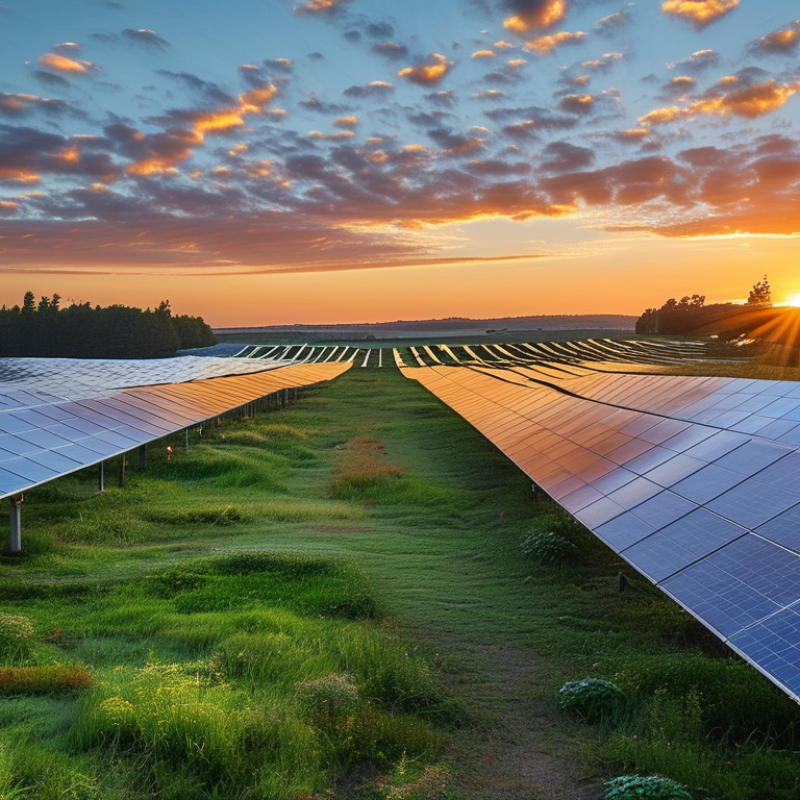
As we look ahead to 2026, key factors are shaping the solar lights market. One prominent trend is the focus on energy efficiency. Consumers now demand products that maximize output while minimizing energy consumption. This shift is driven by rising electricity costs and environmental concerns. Solar lights that efficiently convert sunlight into usable energy are becoming mainstream.
Another influential factor is technological advancements. Innovations like smart lighting systems integrate sensors and automation. These features not only enhance user experience but also optimize energy use. However, potential buyers should consider how these technologies align with their needs. Some may find complexity overwhelming. The balance between simplicity and advanced features is critical.
Affordability remains significant. As prices decrease for solar technology, access broadens. Yet, buyers should be wary of too-good-to-be-true deals. Cheaper options may compromise quality or longevity. Scrutinizing product reviews and seeking expert advice can help inform decisions. Evaluating long-term value over initial cost is essential for smart purchasing in the evolving market of solar lights.
The demand for solar lights is growing rapidly, driven by innovations in technology. By 2026, the global solar lighting market is expected to surpass $20 billion, according to industry data. This surge is mainly due to advancements that enhance efficiency and performance. For example, new photovoltaic materials are being developed that can capture more sunlight, even on cloudy days.
Recent studies reveal that solar lights equipped with motion sensors can increase energy efficiency by up to 75%. These sensors ensure lights are only activated when needed, reducing wasted power. Furthermore, the integration of smart technology allows users to control their lights remotely, optimizing energy usage in real-time. This creates opportunities for smarter home systems that can adapt to user habits.
Despite these advancements, challenges remain. Not all solar lights perform well in varying weather conditions. Energy storage technologies also require improvement. The effectiveness of batteries used in solar lights affects longevity and performance. As the industry evolves, addressing these concerns will be critical to maximizing the benefits of innovative solar lighting solutions.
The trend toward sustainable materials in solar lighting is undeniable. Eco-friendly designs are now a priority. Consumers are becoming more conscious of their environmental impact. They seek products that reflect this awareness. Solar lights made from recycled materials are increasingly popular.
Innovative designs incorporate bamboo, recycled metals, and glass. These materials not only look good but also contribute to a healthier planet. For instance, bamboo provides a natural aesthetic while being incredibly durable. However, some designs still rely on less sustainable plastics. This inconsistency raises questions about genuine sustainability efforts.
Buyers should consider the entire lifecycle of their solar lights. Features such as energy efficiency and longevity also matter. While some products claim to be green, not all choices are equal. Shoppers need to educate themselves to make informed purchases. It's essential to look beyond just aesthetics. Transparent marketing is crucial for identifying truly eco-friendly products.
| Feature | Trend Description | Material Used | Environmental Impact |
|---|---|---|---|
| Smart Controls | Integration of smart technology for automated lighting adjustments. | Recycled plastics and aluminum. | Reduces energy consumption by optimizing light output. |
| Modular Designs | Customizable configurations for various outdoor settings. | Bamboo and sustainable wood composites. | Utilizes renewable resources, minimizing ecological footprint. |
| Enhanced Battery Life | Improved battery technology for longer operational hours. | Lithium-ion and bio-based battery alternatives. | Lowers waste and increases efficiency, promoting sustainability. |
| Solar-Powered Path Lights | Path lights utilizing solar energy for garden and walkway illumination. | Post-consumer recycled materials. | Reduces the need for electrical installations and energy use. |
| Multifunctional Lighting | Lighting that serves multiple purposes, such as security and decor. | Eco-friendly metals and low-impact plastics. | Supports reduced consumption by combining functionalities. |
The shift in consumer preferences towards smart solar solutions is becoming increasingly evident. Recent studies indicate that by 2026, over 50% of solar light buyers will prioritize smart features. This includes remote control capabilities, motion sensors, and integration with home automation systems. Such functionalities not only enhance convenience but also contribute to energy savings.
Data from market research firm Grand View Research reveals a projected growth rate of 25% for smart solar lighting solutions. These products are appealing due to their ability to adapt to changing environmental conditions. For example, lights equipped with sensors can adjust brightness based on ambient light. However, this modern technology is not without challenges. Batteries often require more frequent replacements, raising concerns among eco-conscious consumers.
Moreover, many buyers are still unaware of the benefits of solar technology. A survey by the Solar Energy Industries Association found that 40% of potential customers lack information on smart solar lighting features. This gap reflects a pressing need for education in the market. As consumers seek reliable, efficient options, manufacturers must prioritize clear communication regarding smart options and their impact on sustainability.
The market for solar lights is expected to evolve significantly by 2026. As more homeowners prioritize sustainability, solar lights will play a crucial role in home and outdoor spaces. Innovative designs and technology will enhance their appeal. You will likely see more products that integrate smart features, like motion sensors and app controls.
Tips: When considering solar lights for your space, think about the location. Ensure they receive adequate sunlight during the day. Check the battery life mentioned in specifications. It’s also important to assess the brightness levels. Too dim, and they won’t fulfill their purpose; too bright, and they may disturb your neighbors.
Moreover, outdoor solar lights will see advancements in durability. Expect products that withstand harsh weather conditions. Still, it’s vital to remember that poor installation can affect performance. Regular maintenance will ensure they last longer and function efficiently. Evaluate options that come with warranties, as they demonstrate reliability.
: Key factors include energy efficiency and technological advancements. Consumers seek products that save energy and offer smart features.
Many buyers now prioritize smart features. Control options and sensors are important for convenience and energy savings.
The market for smart solar solutions is expected to grow by 25%. These products adapt to environmental changes effectively.
Buyers should avoid deals that seem too good to be true. Cheaper products might lack quality and durability.
Many consumers lack knowledge of smart solar features. Clear information helps them make better, informed choices.
Ensure proper sunlight exposure, check battery life, and assess brightness levels to meet your specific needs.
Poor installation can hurt performance. Proper setup and regular maintenance are essential for maximizing efficiency.
Future products will be more durable and weather-resistant. Regular care will ensure they function effectively long-term.
Yes, batteries may need frequent replacements, which concerns eco-conscious buyers. Evaluating battery life is crucial for users.
Warranties indicate product reliability. They offer peace of mind and assurance of quality for long-term use.
The article "Top Solar Lights Trends for 2026: What Buyers Need to Know" explores the evolving landscape of solar lighting solutions. Key factors driving trends include advancements in technology, which are enhancing the efficiency of solar lights, allowing for longer-lasting and more powerful illumination. Additionally, there is a notable shift towards sustainable materials and eco-friendly designs, reflecting consumers' growing preferences for environmentally responsible products.
As consumers increasingly lean towards smart solar solutions, the market is expected to embrace more innovative features that integrate with home automation systems. Predictions for the future of solar lights indicate a significant rise in their usage, both in residential and outdoor settings, as homeowners seek energy-efficient and versatile lighting options that cater to their evolving needs.

Jianheng