A Solar Garden Light is a compact outdoor lamp that turns sunlight into gentle illumination after dark. It usually contains a small photovoltaic panel, rechargeable battery, LED, controller, and light sensor. During daylight, the panel converts sunlight into electricity. The battery stores that energy. At night, the sensor activates the LED automatically.
The idea is simple. The results are not always predictable. Shade, winter weather, dusty panels, and weak batteries can shorten the lighting time. A light placed beneath dense leaves may glow for only a few hours. A well-positioned model can brighten a pathway, flower bed, or patio without trenching cables or increasing household electricity use.
Energy expert Amory Lovins is often credited with saying, “The cheapest energy is the energy you don’t use.” This principle helps explain the appeal of solar garden lighting. Efficient LEDs need little power, while automatic controls prevent unnecessary daytime operation. Still, “solar-powered” does not mean maintenance-free. Panels need occasional cleaning, and batteries eventually lose capacity.
This guide examines what a Solar Garden Light contains, how its charging cycle works, and why performance varies between locations. It also considers brightness, battery chemistry, weather resistance, placement, and realistic operating expectations. Some product claims sound impressive. Real gardens can be less forgiving. Understanding those limitations helps homeowners choose lighting that is practical, durable, and suited to their local sunlight.
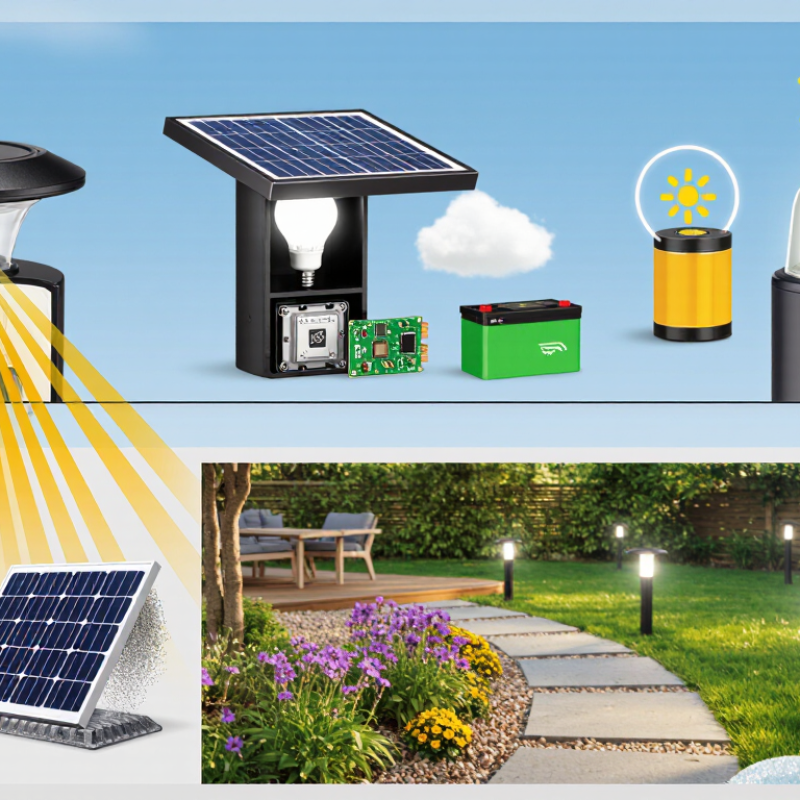
A solar garden light is a small outdoor lamp powered by sunlight. It usually contains a solar panel, rechargeable battery, LED, controller, and light sensor. During daylight, the panel converts sunlight into electrical energy. The battery stores that energy for evening use. When the surroundings become dark, the sensor activates the LED automatically.
These lights are commonly placed beside paths, flower beds, steps, or small patios. A typical unit can be pushed into soft soil with a ground stake. Wall-mounted versions need a firm, weather-resistant surface. In my experience, placement matters more than many buyers expect. A shaded corner may leave the battery partly charged, causing weak light after midnight. Dust on the panel can also reduce charging efficiency, especially during dry weather.
Solar garden lights are designed mainly for gentle guidance and decoration, not powerful security lighting. Their brightness depends on panel size, battery capacity, season, and local sunlight. Cold temperatures may reduce battery performance. Heavy rain can also expose poor sealing, even when a product appears suitable for outdoor use. Checking the battery type and water-resistance rating is worthwhile. Some lights work well for years; others fade sooner than expected. That difference is easy to overlook. 度
What Is a Solar Garden Light and How Does It Work?
A solar garden light uses sunlight to create and store electrical energy during the day. Its small photovoltaic panel converts sunlight into direct-current electricity. The panel works best when it faces open sky, rather than a shaded wall or dense tree canopy. Even weak winter sunlight can produce energy, but charging usually takes longer.
Inside the light, a rechargeable battery stores the electricity for nighttime use. A simple control circuit regulates charging and helps prevent excessive discharge. When the surrounding light becomes dim, a sensor activates the LED. The stored energy then powers the LED, often for several hours. I have noticed that a clean panel makes a visible difference, especially after dust or pollen covers its surface.
Battery capacity, panel size, weather, and temperature affect performance. A bright afternoon may not fully recharge a light placed beneath a porch. Cold conditions can also reduce battery output. I once assumed every light would shine until morning, but that expectation was too optimistic. Some lights become noticeably dim before dawn. Checking the panel angle, clearing nearby shade, and replacing an aging rechargeable battery can improve results. The system is simple, but small design choices matter.
A solar garden light converts daylight into stored electrical energy. Its small panel contains photovoltaic cells. These cells produce electricity when sunlight reaches their surface. A charging circuit directs that energy into a rechargeable battery. The battery may be nickel-metal hydride or lithium-based, depending on the design. After sunset, a light sensor detects the falling brightness. The controller then switches the circuit from charging to lighting mode. An LED uses the stored power and creates the visible glow.
The light usually appears automatically. No wall outlet is required. However, brightness depends heavily on the battery, panel position, and daily sunlight. In my experience, a light under leafy branches often looks bright at noon but weak after midnight. Rainy weather can reduce charging for several days. Dust also matters. A thin film on the panel can block useful sunlight. Some products advertise long illumination times, but real performance varies with season and temperature. That difference deserves attention.
Tips: Place the panel where it receives direct sunlight for several hours. Keep it away from porch lights, which may confuse the sensor. Wipe the panel gently with a damp cloth. Check the battery after a few seasons. Replacement may restore performance, but not every light uses an accessible battery. A darker path can help the glow appear stronger, though it does not increase electrical output.
A solar garden light uses a photovoltaic panel to convert sunlight into electrical energy. A rechargeable battery stores this energy during the day, while a light sensor switches the LED on after sunset.
How solar garden lights produce light at night: Solar irradiance rises after sunrise and charges the battery. When sunlight falls below the light sensor’s threshold in the evening, the controller powers the LED from the stored battery energy. The example below represents a typical clear-day cycle; actual values vary with season, weather, panel size, battery capacity, and LED brightness.
What Is a Solar Garden Light and How Does It Work?
A solar garden light is a small off-grid lighting system. Its key components work together inside a compact outdoor housing. The photovoltaic cell captures sunlight and converts it into electrical energy. A rechargeable battery stores that energy for nighttime use. According to IRENA’s Renewable Capacity Statistics 2024, global solar capacity reached about 1,419 gigawatts by the end of 2023. That growth reflects solar technology’s wider adoption, but a garden light remains highly dependent on local sunlight.
The control circuit manages charging and prevents excessive battery discharge. A light sensor detects darkness, then activates the LED module. The LED produces bright, efficient illumination with limited power consumption. The battery chemistry also matters. Lithium-based cells usually offer strong energy density, while nickel-metal hydride cells can tolerate certain outdoor conditions differently. Small details matter. A transparent cover can become cloudy from dust or ultraviolet exposure. Water may enter through weak seals. These failures are easy to overlook.
The housing protects the circuit, battery, and wiring from rain, soil, and temperature changes. The U.S. Department of Energy’s SSL research reports continue to document major progress in LED efficiency and lifetime. However, real garden performance rarely matches laboratory conditions. Shade, winter weather, and poor panel angles reduce charging time. A longer runtime claim may also hide dimmer output. Designers should measure illumination, battery endurance, and weather resistance together, not separately. That approach is more honest.
| Component | What It Is | How It Works | Typical Characteristics | Role in the Lighting Cycle |
|---|---|---|---|---|
| Solar Photovoltaic Panel | A small panel made from photovoltaic cells, usually mounted on the top of the light. | Converts sunlight into direct-current electrical energy through the photovoltaic effect. | Common output: approximately 0.5–3 watts for compact garden lights; performance varies with panel area, cell type, sunlight, and temperature. | Generates electricity during daylight and provides energy for charging the battery. |
| Rechargeable Battery | An energy-storage device located inside the housing or battery compartment. | Stores electrical energy produced by the solar panel and releases it after dark. | Often a single low-voltage rechargeable cell; capacity is commonly measured in milliampere-hours and varies by design. | Supplies power to the LED when sunlight is unavailable. |
| Light-Emitting Diode (LED) | A semiconductor light source used to illuminate the garden area. | Produces light when electrical current passes through the semiconductor junction. | Efficient, compact, low-heat, and available in warm-white, cool-white, or colored light. | Converts stored electrical energy into visible light at night. |
| Light Sensor | A photosensitive component, often an integrated photodiode or part of the control circuit. | Detects changes in ambient brightness and helps determine whether it is day or night. | Usually activates the night-lighting function when surrounding light falls below a set level. | Signals the controller to stop charging-related operation and turn the LED on after dark. |
| Charge Controller | An electronic circuit that manages energy flow between the solar panel, battery, and LED. | Regulates charging and helps prevent excessive charging, deep discharge, or unsuitable current flow. | May include charging regulation, low-voltage protection, and automatic light control in one circuit. | Improves battery safety, operating reliability, and service life. |
| On/Off Switch | A manual control used to enable or disable the automatic lighting system. | Interrupts or completes the electrical circuit according to the selected position. | Many lights require the switch to remain on for automatic dusk-to-dawn operation. | Allows the user to store the light, transport it, or disable it when necessary. |
| Optical Cover or Diffuser | A transparent or translucent cover positioned over the LED. | Protects the LED and spreads or softens its light output. | May be made from plastic or glass and can create decorative patterns or reduce glare. | Shapes the emitted light and helps protect internal parts from moisture and debris. |
| Housing and Weather Seal | The outer enclosure, seals, and protective components surrounding the electronics. | Separates the internal circuitry from rain, dust, insects, and physical contact. | Outdoor models are commonly designed with an ingress-protection rating; the exact rating depends on construction. | Supports safe outdoor operation and protects the light’s internal components. |
| Ground Stake or Mounting Base | A physical support used to position the light in soil, on a path, or on another outdoor surface. | Holds the light in place and positions the solar panel toward available daylight. | Usually made from plastic or metal; installation height and stability affect light coverage. | Provides mechanical support and helps maintain the intended lighting direction. |
| Internal Wiring and Circuit Board | Conductive wires and a printed circuit board connecting the solar, storage, control, and lighting parts. | Transfers electrical energy and provides the pathways for control signals. | Designed for the light’s low-voltage electrical system and compact enclosure. | Connects all components so the charging and lighting cycles can operate together. |
How the cycle works: During the day, the solar panel converts sunlight into electricity and charges the rechargeable battery. When ambient light decreases, the light sensor signals the control circuit to power the LED from the stored energy. The light remains on until the battery reaches its low-voltage limit or daylight returns.
A solar garden light uses a small photovoltaic panel to convert sunlight into electricity. During daylight, an internal battery stores that energy. At night, a sensor activates the LED and releases the stored power. Its performance depends heavily on daily sunlight, not simply the number of daylight hours.
Shade is the main problem. Trees, walls, and roof edges can reduce charging, even when the area looks bright. Dust on the panel also blocks light, so gentle cleaning can improve charging. Battery age matters too. Older batteries may produce dimmer light or switch off earlier. Cold weather can reduce battery output, while heavy rain may expose weak seals. Placement is rarely perfect. A south-facing, unobstructed position often works well, but local conditions still require testing.
Tips: Place the light where direct sunlight reaches the panel for several hours. Keep the panel clean and inspect it after storms. Do not judge performance after one cloudy day. Compare brightness across several evenings. If the light remains weak, check the switch, battery condition, and panel angle. Small adjustments can help, though they cannot replace poor sunlight.
It is a small outdoor lamp powered by sunlight. It usually includes a solar panel, battery, LED, sensor, and controller.
The panel stores daylight energy in a rechargeable battery. After sunset, the sensor activates the LED automatically.
Place it where the panel receives direct sunlight for several hours. Paths, flower beds, steps, and patios are common locations.
Shade, dust, weak batteries, and short winter days can reduce charging. A leafy branch may look harmless, but it matters.
Usually not. They provide gentle guidance and decoration, rather than strong, wide-area security illumination.
Keep the panel away from porch lights and heavy shade. Wipe it gently with a damp cloth when dust appears.
Yes. Rain can reduce charging for several days, while cold temperatures may weaken battery performance.
Check the battery type, water-resistance rating, panel angle, and expected runtime. Long runtime claims may involve dimmer light.
Check it after several seasons if the light fades early. Replacement may help, but some housings make access difficult.
Weak seals may allow water inside. Cloudy covers, damaged wiring, or poor placement can also reduce performance.
Not always. Panels need cleaning, batteries age, and housings should be checked after heavy rain.
No. Real gardens include shade, dust, cold nights, and poor panel angles. I sometimes expect too much from small lights.
A Solar Garden Light is a self-contained outdoor lighting device designed to illuminate paths, flower beds, patios, and other garden areas without requiring a wired power connection. During the day, its solar panel converts sunlight into electrical energy, which is stored in a rechargeable battery. When natural light fades, a light sensor signals the lamp to turn on, allowing the stored energy to power an LED and create soft, practical illumination throughout the night.
Inside a Solar Garden Light, the main components usually include a solar panel, rechargeable battery, LED, control circuit, light sensor, and protective housing. Its performance depends on factors such as the amount and angle of sunlight, seasonal weather, battery capacity, panel cleanliness, temperature, and the efficiency of the LED. Proper placement in an unobstructed location and regular cleaning can improve charging and extend lighting time. Although these lights are generally easy to install and maintain, their brightness and operating duration may vary according to daily environmental conditions.

Jianheng