How to Choose Solar Garden Lights for Wholesale?

Time:2026-10-16 Author:Henry
0%

Choosing solar garden lights for wholesale is not simply a price comparison. It is a decision about performance, appearance, reliability, and customer expectations. A product may look attractive in a supplier’s catalog, yet perform poorly after several cloudy days. That gap can damage reviews, repeat orders, and your reputation.

This guide examines the practical details behind a dependable wholesale purchase. We will consider light output, battery capacity, solar panel efficiency, charging time, weather resistance, materials, packaging, and replacement support. For example, a pathway light with a small panel may work well beside a sunny entrance, but struggle under dense trees. A Solar Light Garden display should also show realistic spacing, brightness, and nighttime color. Ask suppliers for samples, test them outdoors, and compare performance across several evenings. Do not trust impressive photographs alone.

Small details matter.

Reliable suppliers should provide clear specifications, consistent quality, and suitable product documentation for the markets you serve. Check whether the housing resists rain, whether the switch remains accessible, and whether batteries can be replaced safely. Certification requirements may differ by region, so verify them with qualified professionals before placing a large order. Wholesale buyers should also inspect carton strength, labeling accuracy, and defect rates. A low unit cost is not truly economical if half the shipment needs rework. Even experienced buyers can overlook seasonal sunlight changes. That is why careful testing, honest communication, and a modest pilot order remain sensible steps.
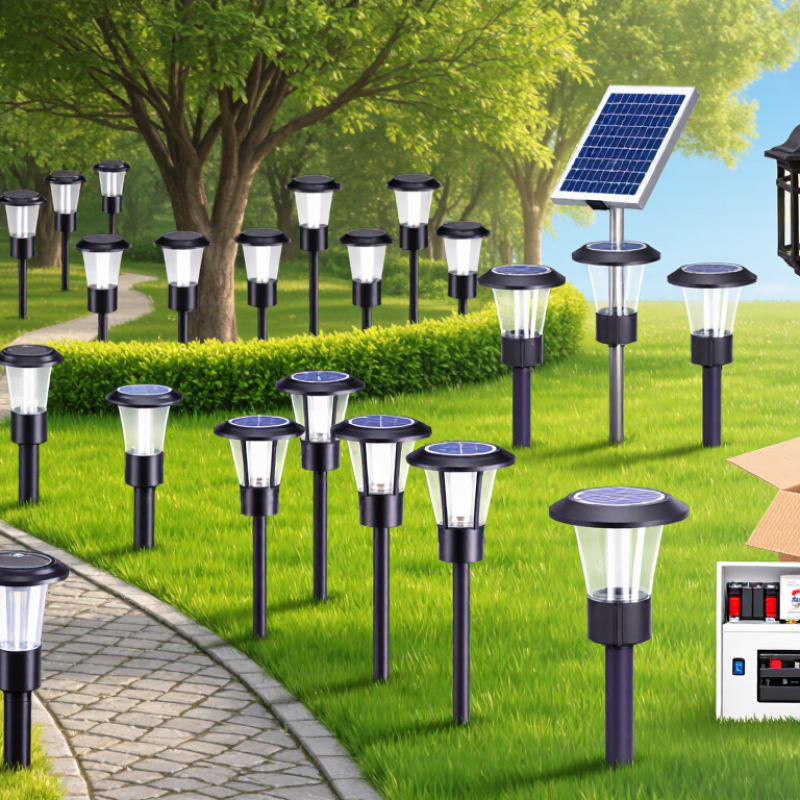
How to Choose Solar Garden Lights for Wholesale?

Define Your Wholesale Solar Garden Light Requirements

How to Choose Solar Garden Lights for Wholesale?

Define your wholesale solar garden light requirements before comparing suppliers or requesting quotations. Measure the site. Record pathway length, planting areas, mounting surfaces, and expected daily use. A hotel walkway may need steady illumination, while a residential garden may favor softer decorative light.

Specify brightness in lumens, color temperature, operating hours, and seasonal sunlight conditions. In cloudy regions, require a larger panel or higher battery capacity. Ask for samples. Test them outdoors for at least several nights, especially after overcast days. Check the battery type, charging time, waterproof rating, corrosion resistance, and material thickness. A stated IP rating is useful, but sealing quality can still vary between production batches.

Your order plan should include quantity, target price, packaging dimensions, spare parts, labeling, and delivery schedule. Confirm minimum order quantities and inspection standards in writing. Request test reports for battery safety, electrical performance, and weather resistance when available. Local installation rules may also affect acceptable lighting and wiring practices. Do not rely only on catalog photographs. They can hide weak ground stakes, uneven finishes, or small panels. One purchasing mistake is choosing the lowest unit price before calculating replacements and freight. That approach looks efficient, but it often fails during long-term use. Leave room for revision after sample testing; your first specification may be too bright, too fragile, or simply unsuitable for the site.

Compare Light Types, Features, and Outdoor Applications

How to Choose Solar Garden Lights for Wholesale?

Compare Light Types, Features, and Outdoor Applications

Solar garden lights should match the space, not only the product photo. Pathway lights work well beside walkways, borders, and low planting beds. Spotlights create stronger accents for trees, statues, signs, or building walls. String lights suit patios and seating areas, but their brightness is usually softer. In my experience, buyers often underestimate spacing. A beautiful sample can look weak when installed too far apart. Compare lumens, beam angle, color temperature, and expected runtime before placing a wholesale order.

Outdoor conditions matter just as much as appearance. Look for durable housings, sealed battery compartments, stable stakes, and weather resistance suited to the installation area. Warm light feels comfortable near seating spaces, while neutral white light can improve visibility along paths. Check panel size and battery capacity together. A larger panel may still perform poorly under shade. Request test samples, then inspect charging performance after cloudy days and cold nights. Small details reveal major quality differences.

Tips: Group products by application, not just design. Confirm carton dimensions, replacement parts, packaging strength, and consistent color output. Ask for test reports and clear operating data. Avoid choosing the lowest unit price without checking failure rates. I once focused too heavily on appearance, and the installation needed extra fixtures. That mistake changed how I compare total project cost. Sunset testing helps. Real gardens are less forgiving than catalogs.

Evaluate Quality, Performance, and Weather Resistance

For wholesale solar garden lights, quality starts with evidence, not appearance. I inspect solder joints, lens clarity, cable seals, and battery compartments before comparing prices. A bright sample can still fail after several wet nights. The International Energy Agency’s PVPS Trends 2024 report recorded 456 GW of new solar capacity worldwide in 2023, showing the scale of solar adoption. Yet small outdoor products face harsher daily abuse than rooftop modules.

Performance should be tested under repeatable conditions. Record charging time, evening illuminance, and runtime after cloudy days. Do not trust a single sunny-day demonstration. The U.S. National Renewable Energy Laboratory reviewed more than 2,000 photovoltaic degradation measurements and reported a median annual degradation rate near 0.5%. Small panels may degrade differently, but the figure supports checking panel materials and output over time. Battery capacity also needs independent verification. Some samples advertise long runtime, but deliver much less in winter.

Weather resistance needs a real rating. Under IEC 60529, IP65 indicates dust protection and resistance to water jets; IP67 includes temporary immersion. These ratings concern the enclosure, not the entire product’s long-term reliability. Ask for test conditions, cable-entry details, and corrosion results. Salt spray matters near coasts. Freeze-thaw cycling matters in northern warehouses. I would reject vague claims such as “waterproof for all weather.” They sound convenient, but they are not technical evidence. Even experienced buyers can overvalue brightness and overlook drainage, seal compression, or battery replacement access. That mistake deserves review.

Check Suppliers, Certifications, Pricing, and Order Terms

Choosing solar garden lights for wholesale requires more than comparing attractive product photos. Ask suppliers for clear specifications, including solar panel wattage, battery chemistry, lighting hours, waterproof rating, and material thickness. Request recent test reports and certifications relevant to your sales region. Documents should match the exact model, not a similar-looking item. That detail is often missed.

Order samples before negotiating a large quantity. Test them outdoors for several nights, including cloudy weather. Check charging performance, brightness, switch quality, and package protection. A sample may work perfectly, yet bulk production can vary. Visit the factory when possible, or arrange an independent inspection. Reliable suppliers should explain quality controls, production capacity, warranty handling, and replacement procedures without vague promises.

Tips: Compare at least three written quotations. Review MOQ, lead time, payment schedule, packaging, spare parts, and shipping terms. Ask whether prices include custom printing or inner boxes. Keep every agreement in writing. Cheaper pricing can hide weaker batteries or shorter service life. I once underestimated packaging costs; the final quote changed after carton testing. That mistake was preventable. Leave room for seasonal delays, inspection time, and small defects. Also confirm whether the supplier can maintain the same components for repeat orders, because inconsistent batteries can create customer complaints.

Select Products and Plan Wholesale Purchasing Wisely

Choosing solar garden lights for wholesale begins with the installation environment. Walk through the target garden area before selecting products. Note sunlight hours, soil moisture, pathway width, and expected foot traffic. A shaded corner may need a larger panel or a shorter lighting schedule. Warm white light usually suits patios, while cooler light can improve pathway visibility. Do not judge quality from photographs alone.

Order samples before committing to a large quantity. Check brightness after several cloudy days, not only after strong sunshine. Measure charging time, nighttime runtime, panel angle, and battery access. Confirm the stated protection rating through supplier documents and product testing records. Housing materials should resist rain, temperature changes, and accidental impacts. Small details matter, such as stable ground stakes and clearly written installation instructions.

Wholesale purchasing needs a practical forecast. Compare minimum order quantities with storage space and seasonal demand. Request consistent specifications across every production batch. Packaging should protect glass, panels, and sharp stakes during transport. Include spare units for damaged deliveries and customer replacements. I once underestimated winter demand and held too much spring inventory. That mistake tied up cash and reduced flexibility. A spreadsheet helps, but it cannot replace physical testing. Leave room for changing weather, delayed shipments, and customer feedback. Keep supplier communication in writing, including lead times, inspection standards, and agreed product specifications.

FAQS

What should buyers inspect before choosing wholesale solar garden lights?

Inspect solder joints, clear lenses, cable seals, and battery compartments. A bright sample proves very little.

How can lighting performance be tested fairly?

Record charging time, evening brightness, and runtime after cloudy days. Test several units under similar conditions. One sunny demonstration is not enough.

What should buyers check about batteries?

Verify battery capacity independently and compare winter runtime. Some products claim long operation but perform poorly in cold weather. That difference matters.

What do IP65 and IP67 ratings indicate?

IP65 protects against dust and water jets. IP67 allows temporary immersion. These ratings describe the enclosure, not complete product reliability.

Which weather details deserve closer attention?

Ask about cable-entry seals, corrosion testing, drainage, and seal compression. Salt spray matters near coasts. Freeze-thaw testing matters in cold regions. “Suitable for all weather” is too vague.

How should suppliers be compared?

Request written specifications for panel output, battery chemistry, lighting hours, materials, and waterproof ratings. Compare at least three quotations. Low prices may hide weaker batteries or thinner materials.

Why are samples important before placing a large order?

Test samples outdoors for several nights, including cloudy conditions. Check charging, brightness, switches, and package protection. Bulk production can vary from the sample.

What order terms should be confirmed in writing?

Confirm minimum quantities, lead times, payment schedules, packaging, spare parts, shipping, and warranty handling. Ask whether custom printing and inner boxes are included. I once underestimated carton costs. That mistake was preventable.

How can buyers reduce quality problems in repeat orders?

Ask whether the same batteries, panels, and components will remain available. Arrange factory visits or independent inspections when possible. Small defects still happen. Allow time for inspection and seasonal delays.

Conclusion

Choosing solar garden lights for wholesale begins with clearly defining your project requirements, including quantity, budget, brightness, color temperature, operating time, installation method, and intended outdoor setting. Consider whether the products will be used along pathways, in flower beds, around patios, or in public landscape areas. Compare different light types and features, such as decorative designs, motion sensors, adjustable panels, replaceable batteries, and automatic dusk-to-dawn operation. A suitable Solar Light Garden solution should balance visual appeal, energy efficiency, ease of installation, and practical performance.

Before placing an order, evaluate material quality, battery capacity, charging efficiency, waterproof construction, corrosion resistance, and performance in changing weather conditions. Review supplier experience, product testing, relevant certifications, warranty policies, minimum order quantities, customization options, lead times, packaging, and payment terms. Request samples when possible and compare total costs rather than unit prices alone. By selecting reliable products and planning inventory, quality control, shipping, and after-sales support carefully, buyers can reduce purchasing risks and build a dependable wholesale product range.


Henry

Henry

Henry is a dedicated marketing professional with a profound expertise in the company's offerings. With years of experience in the industry, he possesses an impressive understanding of the market dynamics and consumer behaviors that drive success. Henry is committed to sharing his insights through......