Choosing Solar Wall Lights is not simply a style decision. It affects safety, comfort, energy use, and daily maintenance. Start by studying the wall, not the product photograph. Note its direction, shade, height, and nearby trees. A south-facing surface may receive stronger sunlight, while a shaded entrance needs careful planning. Watch the light during one full day. Small details matter.
Look for a solar panel with suitable exposure, a battery designed for overnight use, and a dependable motion sensor. Lumens describe brightness, but higher numbers are not always better. A narrow path may need gentle illumination, while steps require clearer visibility. Check the IP rating for rain and dust protection. Also confirm the mounting hardware, operating temperatures, warranty, and replacement options. These details often reveal product quality more clearly than attractive packaging.
Reliable decisions come from comparing manufacturer information with independent testing, verified customer feedback, and local weather patterns. No product performs perfectly. Cloudy winters, dust, and shaded walls can reduce charging performance. A light that works beautifully in summer may struggle in December. Consider how you actually use the space, including late arrivals, pets, visitors, and maintenance access. This guide will examine brightness, battery capacity, sensor settings, placement, durability, and design. It will also question common marketing claims, helping you choose Solar Wall Lights with realistic expectations and greater confidence.
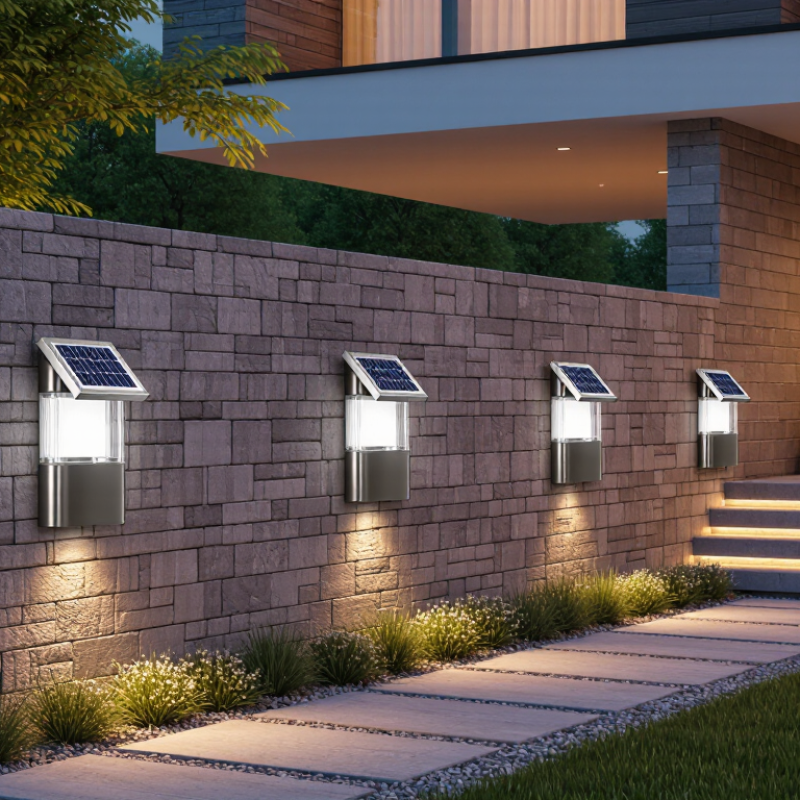
Start with the activity, not the fixture. A doorway needs clear facial visibility, while a garden path needs gentle guidance. Measure the wall, mounting height, and the area requiring light. Note nearby trees, roof overhangs, and reflective surfaces. These details affect charging and glare.
The U.S. Department of Energy reports that LED lighting uses at least 75% less energy than incandescent lighting. Solar wall lights still depend on adequate sunlight, however. The International Energy Agency estimates that lighting represents about 15% of global electricity consumption. Efficient LEDs can reduce demand, but poor placement can waste their output. Check the stated lumens, beam angle, battery capacity, and runtime together. A high lumen rating alone does not guarantee useful coverage.
I once installed a light beneath a deep porch. It looked bright at noon, then faded early. The problem was shade, not product quality. Measure twice. Observe the site from morning to evening. The IEC 60529 standard provides IP protection ratings, so choose suitable weather resistance for exposed walls. Also consider switches, motion sensors, and local safety requirements. A sensor may improve battery life, but frequent movement can trigger unnecessary lighting.
My first choice is not always the brightest one. Calm, even illumination often feels more practical near steps and entrances.
Solar wall lights differ in purpose, beam pattern, and installation flexibility. Integrated LED models are compact and usually need little maintenance. Adjustable-head lights direct illumination toward steps, gates, or house numbers. Decorative lantern styles create softer light, but they may not illuminate a pathway well. Motion-sensor models save stored energy by activating only when movement occurs. Dusk-to-dawn lights provide steady guidance, although their brightness can fade before morning during cloudy weather.
Compare the essential features before choosing. Check the lumen output, battery capacity, solar panel angle, and weather-resistance rating. A higher IP rating generally offers better protection against rain and dust. Warm light can make a porch feel welcoming, while cooler light reveals details more clearly. Look for replaceable batteries when possible. They can extend the fixture’s useful life.
In my experience, poor panel placement causes more trouble than weak lighting. North-facing walls, deep eaves, and nearby trees can reduce charging. I once installed a light under a roof edge. It looked attractive, but performed poorly in winter.
Tips: Test the wall during both daylight and darkness. Mark the panel’s likely sun exposure first. Keep the sensor away from busy walkways if false activation becomes annoying. Leave enough space for cleaning dust from the panel. No option is perfect. A brighter setting may shorten nighttime operation, and a smaller light may suit the design better. Choose based on the actual wall, not only the product photograph.
Choosing solar wall lights starts with the light you actually need, not the brightest number on the box. For a doorway, 100 to 300 lumens usually provides clear facial and lock visibility. A pathway may need less, while a broad patio needs wider coverage. Check the beam angle, too. A narrow beam can create harsh shadows beside steps. In my own testing, warm light felt more comfortable near bedrooms, but cooler light revealed surface details better.
Battery capacity controls how long the light stays useful after sunset. Look for the battery type, capacity, and replacement access, not only promised hours. A 2,000 mAh battery may perform well in summer, then disappoint after several cloudy days. That happened on my shaded side wall. Motion sensors can reduce consumption, although frequent triggers drain power quickly. Manufacturers often test runtime under ideal conditions, so treat the figure as a guide, not a guarantee.
Solar panel performance depends on placement, panel size, and local weather. Install the panel where it receives direct sunlight for most of the day. Leaves, dust, and winter shadows matter more than many buyers expect. A larger panel is not automatically better if the wall faces deep shade. Compare charging time and operating time from credible technical sheets. I would also check performance after several cloudy evenings before adding more lights. The honest choice may be a dimmer setting, because constant brightness can empty the battery too early.
Compare practical performance targets for three common residential applications. Higher brightness improves coverage, while greater battery capacity and solar-panel output help maintain illumination through longer nights and cloudy conditions.
The figures represent typical residential performance targets: pathway lights around 80 lumens, entrance lights around 300 lumens, and patio security lights around 600 lumens. Battery capacity is shown in watt-hours, and solar-panel output in watts.
Weather resistance should guide your first decision. Look for an IP65 rating or higher for exposed walls. Under IEC 60529, IP65 protects against dust and water jets, but not immersion. A covered porch may need less protection than an open garden wall. Check the solar panel angle, too. Nearby trees can reduce charging, especially during shorter winter days. The International Energy Agency reported that solar photovoltaic capacity grew by about 420 gigawatts in 2023. That growth does not guarantee strong lighting at home, however. Small panels still need direct sunlight.
Material affects durability and appearance. Powder-coated aluminum resists rust and keeps the housing light. Stainless steel offers strength, but cheaper grades may stain near coastal air. Tempered glass can protect the panel from hail and accidental impacts. Plastic can work well, although brittle covers may yellow after years of ultraviolet exposure. The U.S. Department of Energy states that LED lighting uses at least 75% less energy and can last up to 25 times longer than incandescent lighting. Battery quality still matters. A bright lamp with a weak battery becomes disappointing quickly.
Tips: Match the fixture to your wall color and architecture. Warm light suits brick and wood. Cooler light may complement concrete or metal. Measure the mounting area before buying. Avoid placing lights where doors, gutters, or shrubs block the panel. A darker finish may look elegant, but it can reveal dust and salt more clearly. Check the warranty terms carefully; installation mistakes are sometimes overlooked.
Before buying, watch the wall through a full day. A spot that looks sunny at noon may sit in shade by afternoon. Solar panels need dependable exposure, and nearby trees, rooflines, or porch covers can reduce charging. Shade matters. Check where the light will fall, too: a bright fixture aimed at a doorway may still leave steps dark. Mounting height and beam direction affect both visibility and glare.
Plan installation around the wall material and the light’s weight. Brick or siding may need different fasteners, and a loose mount can wobble in wind. Keep the panel accessible for cleaning, especially near dusty roads or falling leaves. Wipe it gently with a damp cloth when buildup appears. In winter, shorter days and snow can reduce charging; repositioning may not be practical, so allow for dimmer nights. Solar output varies.
Look beyond the purchase price. Check whether the battery can be replaced, how the fixture handles rain, and whether spare parts are available. A sealed unit may be simple to install but costly to discard when its battery fades. That adds up. Compare the expected service life with the cost of occasional battery replacement and cleaning. It is easy to focus on brightness and overlook upkeep; that is a small mistake with a long shadow.
| Decision Factor | What to Check | Practical Guidance | Long-Term Value |
|---|---|---|---|
| Installation location | Direct sunlight, shade from trees or roofs, and nearby sources of nighttime light | Choose a position that receives several hours of direct daylight. In the Northern Hemisphere, a south-facing solar panel often receives more sun; in the Southern Hemisphere, a north-facing position may be preferable. Follow the product’s placement instructions. | Better daylight exposure can improve charging and reduce unreliable nighttime operation. |
| Lighting purpose | Whether the light is for steps, a doorway, a pathway, or general ambience | Use directional or motion-activated lighting where visibility is important. For decorative areas, a softer, lower-output light may be sufficient. | Matching the light to the task helps avoid paying for output you do not need. |
| Brightness and coverage | Rated lumens, beam direction, and the area the light is intended to illuminate | Compare lumen ratings between products, but also check beam angle and installation height. Lumens describe total light output, not how evenly a particular area will be lit. | Choosing suitable coverage can prevent dark spots and reduce the need to add extra fixtures. |
| Operating mode | Motion sensor, dusk-to-dawn operation, dimming, and adjustable settings | Motion-activated or dim-to-bright modes can conserve stored energy. Check sensor range and detection angle, and adjust settings to suit the location. | Energy-saving modes can help extend nighttime operation, especially when daylight hours are short. |
| Weather resistance | Ingress Protection (IP) rating and suitability for the installation site | Check the manufacturer’s IP rating and installation guidance. For example, IP44 indicates protection against solid objects over 1 mm and splashing water; IP65 indicates dust-tight protection and resistance to water jets. Neither rating means a light should be submerged. | A suitable enclosure helps the fixture withstand the exposure expected at its location. |
| Mounting and surface | Wall material, mounting hardware, panel orientation, and access for future cleaning | Use fixings appropriate for the wall material and follow the supplied mounting instructions. Check that the panel is not blocked by trim, eaves, or nearby objects. | Secure installation helps reduce movement, damage, and avoidable replacement. |
| Battery and replacement | Battery type, capacity information, availability of replacements, and whether the battery is user-replaceable | Battery performance and service life vary with chemistry, temperature, charging conditions, and use. Check the product documentation for replacement instructions and compatible battery specifications. | A replaceable battery may allow the fixture to remain useful without replacing the entire light. |
| Seasonal performance | Local winter daylight, cloudy weather, temperature, and overnight lighting needs | Expect charging and runtime to vary with weather and season. In periods of limited sunlight, use a lower-output or motion-sensing mode if available. | Planning for seasonal variation helps set realistic expectations and can reduce unnecessary replacements. |
| Routine maintenance | Dust, pollen, leaves, snow, and other buildup on the solar panel or light sensor | Inspect the panel periodically and clean it gently with a soft, damp cloth when needed. Keep the panel and sensor unobstructed, and follow the manufacturer’s care instructions. | Simple cleaning can help the panel receive daylight and the sensor operate as intended. |
| Total cost over time | Purchase price, mounting needs, battery replacement, expected use, and warranty terms | Compare the fixture’s features and documented warranty rather than relying on purchase price alone. Solar lights generally avoid hard-wiring costs, but their performance depends on sunlight and battery condition. | Considering maintenance and replaceable components provides a more useful basis for judging long-term value. |
Choose IP65 or higher for an exposed wall. It protects against dust and water jets, but not immersion.
Look for direct sunlight across much of the day. Trees, rooflines, and porch covers can reduce charging. Shade matters.
Powder-coated aluminum resists rust and stays lightweight. Tempered glass can protect the panel from hail and accidental knocks.
Warm light often suits brick and wood. Cooler light can complement concrete or metal. Dark finishes may show dust.
Check the wall from morning to evening before choosing a spot. Keep the panel clear of gutters, shrubs, and doorways.
Consider mounting height and beam direction. A bright light near a doorway may still leave steps in shadow.
Wipe the panel gently with a damp cloth when dust or leaves collect. Winter days and snow can reduce charging.
See whether the battery can be replaced and spare parts are available. A sealed unit may be simple to mount, but costly later. I might overlook upkeep, too.
Choosing Solar Wall Lights for your home starts with understanding your lighting needs and the area where they will be installed. Consider whether you need gentle accent lighting, brighter illumination for entrances and pathways, or motion-activated security lighting. Compare different light types and features, such as fixed or adjustable panels, automatic sensors, multiple lighting modes, and easy-to-use controls. Brightness should match the intended purpose, while battery capacity and solar panel efficiency determine how reliably the lights perform after limited sunlight.
It is also important to check weather resistance, material quality, and design compatibility with your home’s exterior. Look for durable construction that can handle rain, heat, and seasonal changes, while selecting a style that complements your walls and landscaping. Before installation, assess sunlight exposure, mounting height, and wiring-free access. Regularly clean the panel, inspect the fixture, and replace aging batteries when needed. Considering installation effort, maintenance, energy savings, and expected lifespan will help you choose a practical and valuable lighting solution.

Jianheng