What Is the Best Type of Wall Solar Lights?

Time:2026-10-01 Author:Oliver
0%

Choosing the best type of wall solar lights depends on your space, climate, and lighting purpose. Solar Lights Wall products can improve visibility, security, and outdoor appearance without complex wiring. However, the brightest model is not always the most suitable choice.

In real-world use, placement matters. A light installed beneath a shaded balcony may charge poorly, even with a large solar panel. Look for clear lumen information, battery capacity, charging time, and an appropriate IP rating. Motion-sensor models suit entrances and pathways because they conserve stored energy. For patios, steady warm lighting may feel more comfortable than sudden, bright flashes. Color temperature also affects the atmosphere. Warm white creates a softer appearance, while cool white can reveal more detail.

Reliable decisions should combine manufacturer specifications with independent user experiences. Check whether the product lists replaceable batteries, adjustable angles, and seasonal performance. Some lights work impressively during summer but become unreliable after several cloudy days. That limitation deserves attention. Not every claim is equally dependable.

A practical comparison should examine construction, solar efficiency, sensor range, installation height, and maintenance needs. Weather exposure can damage weak housings, while dusty panels reduce charging performance. Clean them occasionally. Also, consider whether the light serves decoration, security, or daily navigation. These goals require different designs. The following guide evaluates popular wall-mounted solar light types and explains where each performs best, helping readers choose with realistic expectations rather than attractive marketing alone.
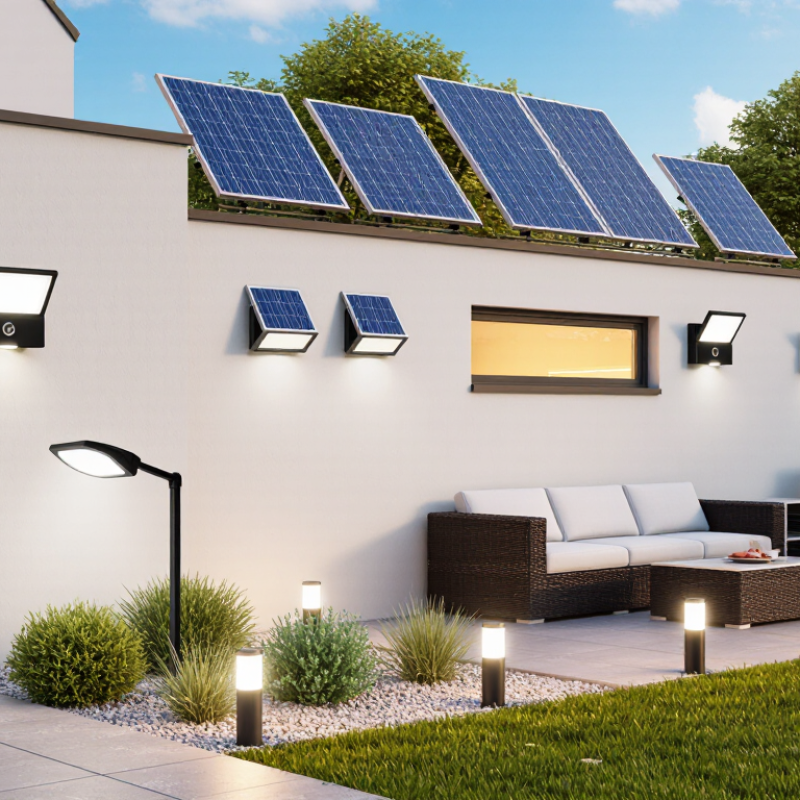
What Is the Best Type of Wall Solar Lights?

What Are Wall Solar Lights and How Do They Work?

Wall solar lights are outdoor fixtures that produce their own electricity from sunlight. They usually contain a small solar panel, rechargeable battery, LED light, and control circuit. During daylight, the panel converts sunlight into electrical energy. The battery stores that energy for evening use. When the surrounding light fades, a sensor activates the LED automatically.

Their performance depends on more than the label “solar.” A south-facing or unobstructed wall usually receives better charging exposure. Nearby trees, roof edges, and dusty panels can reduce energy collection. In my experience, even a bright-looking location may provide weak winter charging. Short daylight hours and cloudy weather can leave the lamp dim or inactive. That limitation is easy to underestimate.

Different designs suit different outdoor needs. Motion-sensing lights often save battery power near entrances or pathways. Fixed-glow models can provide softer illumination around patios and steps. A weather-resistant housing helps protect internal parts from rain and temperature changes. Still, no unit works perfectly in every location. Check the panel regularly, keep the surface clean, and replace the battery when nighttime performance declines. A light that seems faulty may simply be installed beneath a shaded overhang.

Which Types of Wall Solar Lights Are Available?

Wall solar lights are available in several practical designs. Each type suits a different outdoor setting.

Fixed wall-mounted lights combine the solar panel, battery, and LED unit in one housing. They work well beside doors, garages, and garden paths. Split-panel lights place the panel away from the lamp. A connecting cable helps when the wall stays shaded. Integrated models are easier to install, but their performance depends heavily on direct sunlight. Cloudy weather can reduce evening brightness.

Motion-sensor wall lights activate when movement is detected. They conserve stored energy and suit driveways, entrances, and side passages. Dusk-to-dawn models switch on automatically at night. Their steady glow feels more welcoming, though the battery may drain sooner. Security floodlights produce a wider, stronger beam. Decorative lanterns and wall sconces offer softer illumination, often with patterned shadows. They are attractive, but appearance can reduce useful light.

In practical installations, panel direction matters as much as lamp style. South-facing exposure is often helpful in the northern hemisphere, but nearby trees can still block charging. Check the stated weather-resistance rating, battery replacement method, and sensor range before buying. A brighter light is not always better. It may create glare for neighbors or waste energy on a narrow path. I would also leave room for doubt: advertised runtime usually reflects ideal sunlight, not every season.

What Is the Best Type of Wall Solar Lights?

Wall solar lights are available in several designs. The chart compares representative light-output levels commonly specified for residential products, measured in lumens.

How to choose: Decorative sconces and address lights are suitable for soft accent lighting, while lanterns provide general illumination. Motion-sensor security lights and solar floodlights are usually the best choices when brighter light and better coverage are priorities.

What Features Matter Most When Choosing Wall Solar Lights?

The best wall solar light is not always the brightest model. Its useful features matter more than exaggerated lumen claims. Check the light’s measured lumen output, beam angle, and runtime together. A narrow beam may brighten a doorway, while a wider beam suits a path or patio. The U.S. Department of Energy reports that LEDs use at least 75% less energy than incandescent lighting and can last up to 25 times longer. That efficiency supports longer nighttime operation from a small solar system.

Battery capacity and solar-panel performance deserve close attention. Look for a rechargeable battery with enough capacity for several cloudy hours, not only one sunny evening. A larger panel can improve recovery after poor weather, but its angle and exposure still matter. I have found that shaded walls often cause disappointing results. This is easy to overlook. Motion sensors can reduce wasted power, especially near entrances, but overly sensitive settings may trigger the light repeatedly. Adjustable detection range is therefore practical.

Weather resistance should follow the installation location. IEC 60529 defines IP ratings for protection against dust and water, so an outdoor fixture should show a clear rating rather than vague wording. Warm light around 2700–3000K usually feels less harsh near living spaces, while cooler light can improve visual contrast. The International Energy Agency identifies lighting as roughly 15% of global electricity consumption, highlighting the value of efficient design. Still, solar lighting remains limited by winter darkness, dirt, and battery aging. A slightly imperfect light with honest specifications may serve better than a powerful one with unclear claims.

How Do You Compare Solar Wall Lights for Different Outdoor Spaces?

The best wall solar light depends on the outdoor space, not the brightest package claim. Compare usable brightness, beam spread, charging time, and weather resistance. A narrow beam can suit a doorway, while a wider beam works better beside a patio or garage.

The IEA PVPS Trends 2024 report recorded 456 gigawatts of new solar capacity in 2023, with global installations exceeding 1.4 terawatts. That growth does not guarantee equal performance in every garden. A north-facing wall, deep eaves, or winter shade can reduce charging significantly. Check the panel’s daily exposure with a solar assessment tool, then choose a larger panel or detachable design when sunlight is limited. I have found that placement often matters more than advertised lumen output.

For entrances, select motion activation, downward shielding, and neutral light around 3,000–4,000 kelvin. Paths need broad, low-glare coverage. Patios benefit from longer runtime and softer diffusion. Coastal or wet locations deserve an enclosure rated under IEC 60529, preferably IP65 or higher.

The U.S. Department of Energy reports that LEDs use at least 75% less energy and last up to 25 times longer than incandescent lighting. Still, solar fixtures depend on battery quality and temperature. Cold nights can shorten runtime. A higher rating is not always better. Test the light after several cloudy days, because one bright evening can create a misleading impression.

How Can You Install and Maintain Wall Solar Lights Properly?

Installing wall solar lights properly matters more than choosing the brightest model. The IEA PVPS Trends 2024 report recorded over 400 GW of new solar capacity worldwide in 2023. Yet small outdoor lights still need careful placement. Choose a wall receiving six to eight hours of direct sunlight daily. Avoid roof shadows, trees, and nearby lamps. Mount the solar panel slightly upward, and keep it clear of dust and leaves. Check the wall material before drilling. Use suitable anchors for brick, concrete, or wood. Keep the fixture level.

Small details matter. Very much. The U.S. Department of Energy reports that LED lighting uses at least 75% less energy and can last up to 25 times longer than incandescent lighting. However, poor battery care can reduce nighttime performance. Clean the panel monthly with a soft, damp cloth. Do not use abrasive cleaners. Inspect screws and seals after heavy rain or freezing weather. Select outdoor equipment with an appropriate IP rating under IEC 60529, especially in exposed locations. Replace rechargeable batteries only with compatible types. I have found that winter performance is often disappointing, even when summer results look excellent. Shorter daylight and cloudy weather reduce charging time. A timer or motion sensor may help, but repeated false activation can drain the battery quickly. Check the light after several nights, then adjust its position or sensitivity.

What Is the Best Type of Wall Solar Lights? - How Can You Install and Maintain Wall Solar Lights Properly?

Light Type Best Application Typical Light Output Typical Runtime Recommended Installation Height Main Advantage Important Limitation
Motion-Sensor Wall Light Entrances, garages, side paths and security areas 200–1,000 lumens 8–12 hours of standby operation; light activates for approximately 20–60 seconds per detection 1.8–2.5 m above ground Saves energy by illuminating only when movement is detected Frequent false activation can reduce nighttime runtime
Dusk-to-Dawn Wall Light Continuous pathway, patio and porch illumination 20–200 lumens 6–12 hours after a full day of charging 1.5–2.2 m above ground Turns on automatically at low light levels Lower brightness than most sensor-activated security lights
Solar Floodlight Driveways, large walls, yards and security coverage 500–2,000 lumens 6–10 hours, depending on brightness and battery capacity 2.0–3.0 m above ground Provides broad, high-intensity illumination Requires a larger unobstructed solar panel area
Decorative Wall Lantern Porches, balconies, garden walls and exterior decoration 10–100 lumens 6–12 hours after full charging 1.5–2.0 m above ground Creates attractive ambient lighting with low energy use Not intended for primary security or task lighting
Split-Panel Wall Light Shaded walls, covered entrances and areas far from direct sunlight 100–800 lumens 6–12 hours after adequate charging Light: 1.8–2.5 m; panel: positioned for maximum sunlight Allows the light and solar panel to be installed in different locations Cable routing adds installation work and potential weather-sealing points

Installation and Maintenance Reference

Item Recommended Practice Reason Suggested Frequency
Site Selection Choose a location receiving several hours of direct sunlight and avoid shade from trees, walls and roof overhangs. Shading reduces solar charging and shortens nighttime illumination. Before installation and whenever nearby conditions change
Panel Orientation Aim the panel toward the strongest available sunlight; in the Northern Hemisphere, a generally south-facing orientation is often suitable, while site conditions determine the final position. Improves daily energy collection. Set during installation; check seasonally if adjustable
Mounting Surface Use suitable screws and wall anchors for brick, concrete, wood or siding; keep the fixture stable and level. Prevents movement, water entry and fixture damage. Inspect every 6–12 months
Initial Charging Switch the unit on according to its instructions and allow a full day of unobstructed sunlight before judging nighttime performance. The battery may not be fully charged when first installed. Once, after installation or battery replacement
Cleaning Wipe the solar panel and light cover with a soft, damp cloth; avoid abrasive cleaners and high-pressure water. Dust and bird residue can reduce charging and light transmission. Every 1–3 months, or more often in dusty areas
Sensor Check Keep the motion sensor clear of plants and obstructions, and avoid aiming it directly at busy roads or heat sources. Reduces false triggers and unnecessary battery drain. Every 3–6 months
Battery Care Replace the rechargeable battery only with a compatible type, voltage and capacity specified for the fixture; recycle the old battery properly. Incorrect batteries may cause poor performance, leakage or safety risks. Usually every 2–5 years, depending on battery type and climate
Weather Inspection Check seals, covers, cables and mounting points for cracks, corrosion or water ingress; disconnect power before opening the housing. Maintains weather resistance and reduces electrical damage. After severe weather and at least annually

FAQS

What are wall solar lights?

They are outdoor fixtures that make electricity from sunlight. A small panel charges a rechargeable battery during the day. At dusk, a sensor turns on the LED light.

How much sunlight do wall solar lights need?

They need several hours of direct, unobstructed sunlight for stronger charging. A south-facing wall often helps in the northern hemisphere. Shade changes everything.

Can wall solar lights work under roof edges?

They may work, but charging can become weak. Roof edges, trees, and dusty panels block useful sunlight. The lamp may seem faulty when its location is the problem.

Which wall solar light suits an entrance?

A motion-sensor model suits most entrances. It activates when someone approaches and saves stored energy. Choose downward shielding to reduce glare near eye level.

Which design works best for a shaded wall?

A split-panel design can work better. Its separate panel can reach a sunnier position through a connecting cable. This is often more practical than forcing an integrated unit into shade.

What type of light suits paths and patios?

Paths usually need broad, low-glare coverage. Patios benefit from softer diffusion and longer nighttime runtime. A decorative lamp may look attractive but provide limited useful light.

How should wall solar lights be compared?

Compare usable brightness, beam spread, charging time, battery access, and weather resistance. A narrow beam suits a doorway. A wider beam suits a patio or garage. The brightest option is not always the best.

How does weather affect nighttime performance?

Cloudy days and short winter daylight can reduce brightness or runtime. Cold nights may also shorten battery performance. Test the light after several cloudy days, not one bright evening.

How can wall solar lights be maintained?

Wipe dust from the panel regularly. Check the housing for damage after heavy rain or temperature changes. Replace the battery when nighttime performance declines. I would still question advertised runtime, because it often assumes ideal sunlight.

Conclusion

Wall solar lights are outdoor fixtures that convert sunlight into stored energy during the day and use it to power LEDs at night. They are available in several styles, including motion-sensor security lights, decorative sconces, pathway-connected wall fixtures, and compact accent lights. The best choice depends on the purpose, location, brightness required, lighting duration, and design preference. When comparing Solar Lights Wall options, consider solar panel efficiency, battery capacity, weather resistance, sensing range, adjustable settings, installation method, and light coverage.

Different outdoor spaces require different solutions. Entrances and driveways may benefit from bright motion-activated lighting, while patios, balconies, and garden walls often suit softer, decorative illumination. Proper installation is also important: place the panel where it receives several hours of direct sunlight, secure the fixture firmly, and avoid obstructions that create shade. Regularly clean the panel, check the battery and connections, and remove dirt or debris to maintain reliable performance. With thoughtful selection and basic care, wall solar lights can provide convenient, energy-saving illumination for many outdoor areas.


Oliver

Oliver

Oliver is a seasoned marketing professional with a wealth of expertise in driving brand awareness and engagement. With a deep understanding of our company's product offerings, he consistently delivers high-quality content that enriches our professional blog. His insights not only shed light on......