Choosing the best Solar Deck Lights for global buyers requires more than comparing brightness and price. Climate, deck materials, battery performance, and installation habits can change the result. A light that works beautifully on a dry California balcony may struggle during monsoon rain or a northern winter.
Lighting designer Richard Kelly is often associated with the principle, “Light is the fourth dimension of architecture.” This idea remains useful in 2026. Deck lighting should shape movement, comfort, and atmosphere, not simply produce more glare. The right fixtures can outline stair edges, brighten seating areas, and make a narrow walkway feel safer. The wrong ones may create harsh reflections on wet boards. Not every bright lamp is better.
This guide examines Solar Deck Lights through a practical global-buying lens. It considers solar-panel efficiency, battery capacity, waterproof construction, light color, mounting methods, and replacement support. Materials matter. Stainless steel may resist coastal air better than thin painted metal, while well-sealed housings can better protect LEDs during heavy rain. Buyers should also check regional electrical guidance and product certifications before installation. These details are easy to overlook. They should not be.
Some recommendations will be clear, while others require judgment. A warm 2700K glow may suit a quiet garden, but a cooler tone can improve visibility near steps. Runtime claims also deserve caution because shade, temperature, and seasonal sunlight affect charging. This review aims to separate useful performance from attractive packaging, while acknowledging one uncomfortable truth: the cheapest option is rarely the most dependable worldwide.
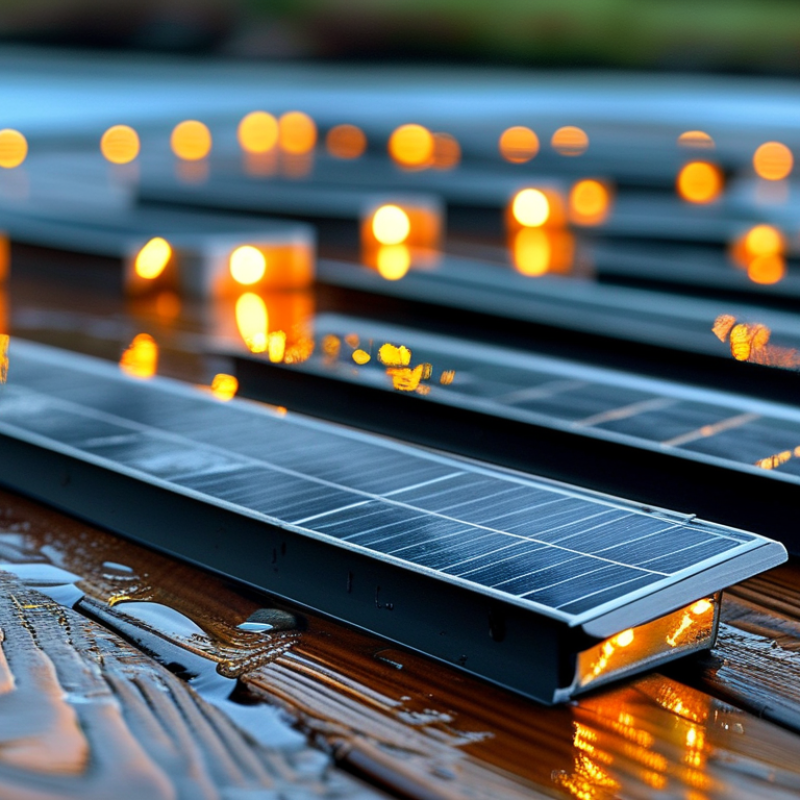
2026 Best Solar Deck Lights for Global Buyers?
Solar deck lights are compact outdoor fixtures powered by sunlight. Each unit usually contains a photovoltaic cell, rechargeable battery, LED, and light sensor. During daylight, the cell converts sunlight into electrical energy. The battery stores that energy for evening use. When the sensor detects darkness, the LED turns on automatically. Many models provide soft guidance light rather than strong task lighting.
Placement affects performance more than many buyers expect. A light under a roof may receive weak charging, even in a bright climate. Place the panel where it can receive several hours of direct sunlight. Wipe away dust, pollen, and salt residue regularly. In colder regions, shorter winter days can reduce nighttime brightness. Humid or coastal locations also need well-sealed housings and corrosion-resistant fasteners.
Check the stated ingress protection rating, battery type, charging time, and expected runtime. These details are more useful than a dramatic brightness claim. A practical test is simple: install one sample before ordering many units. Observe charging after cloudy weather and inspect water entry after rain. I would not promise identical performance worldwide. Latitude, shade, temperature, and seasonal sunlight create real differences. Even a good design can disappoint when installed beside a tall wall. Battery replacement is often overlooked, and some compact lights are difficult to open safely.
2026 Best Solar Deck Lights for Global Buyers?
Before buying solar deck lights, compare useful brightness, not decorative wattage. Lumens show visible output more clearly than watts. The U.S. Department of Energy reports that LED lighting uses at least 75% less energy than incandescent lighting and lasts up to 25 times longer. That supports LED selection, but a solar fixture still depends on its panel and battery. Check the stated runtime after a full charge, then question it. Cloudy winter evenings may reduce performance sharply. Measure your deck rail, stair width, and mounting holes before ordering. Brightness matters.
Panel size, battery chemistry, and charging time deserve equal attention. Lithium-based batteries usually offer better energy density, while cold climates can reduce charging and discharge efficiency. The IEA PVPS Trends 2024 report recorded more than 1.6 terawatts of global solar photovoltaic capacity by the end of 2023, but small outdoor panels cannot match rooftop systems. Inspect panel angle and shade exposure at noon. A beautiful light under a tree may disappoint. Not every night.
Weather protection is another practical test. Under IEC 60529, an IP65 enclosure resists dust and water jets, but it is not designed for immersion. Compare IP ratings with local rain, snow, salt air, and cleaning habits. Look for corrosion-resistant hardware, replaceable batteries, clear charging indicators, and stable warm or neutral color temperatures. Motion sensors can save stored energy, yet they may trigger near busy paths. Warranty terms should identify battery coverage, spare-part access, and operating temperatures. The comparison is imperfect, but transparent specifications make the risk easier to judge.
2026 Best Solar Deck Lights for Global Buyers
The Best Solar Deck Light Types for Different Outdoor Spaces
Solar deck lights should match the space, not simply the lowest price. For stairs, recessed step lights provide downward illumination and reduce glare during evening movement. Small post-cap lights suit railings, fences, and balcony edges. They create a clear boundary without making the deck look crowded. For open patios, adjustable spotlights can highlight planters or seating areas. Choose warm light for relaxation and neutral light for clearer task visibility.
I have found that pathway-style lights work best around deck entrances and uneven garden borders. Their raised panels receive more sunlight than shaded wall units. However, tall fixtures can be vulnerable to wind and accidental contact. Wet climates require strong water resistance, while cold regions may need larger batteries for short winter days. Solar performance also depends on roof direction, seasonal cloud cover, and nearby trees. Marketing claims are not enough. Check runtime, charging conditions, battery type, material quality, and replacement options.
Tips: Place panels where midday sunlight is strongest. Clean dust after storms. Avoid installing lights beneath dense leaves. Test one fixture for several nights before buying many. A 3000K light often feels comfortable, but this is personal. I once chose brighter lighting for safety and regretted the harsh appearance. Sometimes, fewer lights work better. Global buyers should also verify local product, recycling, and installation requirements before ordering.
Typical illuminance targets for choosing solar deck light types in different outdoor spaces. Higher lux levels suit areas that require safer movement or task visibility, while lower levels are generally adequate for ambience and orientation.
Values show practical residential planning ranges in lux (lumens per square metre). Actual requirements vary with mounting height, beam angle, surface colour, weather, and local safety guidance.
Choosing solar deck lights for global use starts with climate, not appearance. A coastal home needs sealed housings and corrosion-resistant fasteners because salt mist reaches exposed fittings. In rainy regions, check the water-resistance rating and inspect drainage paths. In cold climates, batteries lose capacity, while short winter days reduce charging time. Place panels away from roof shadows, balcony rails, and seasonal branches. I have found that a small position change can matter more than a brighter lamp.
For broad temperature ranges, choose replaceable, protected batteries and controls suited to local conditions. Avoid relying on a single cloudy-day performance claim. Test the light after three overcast evenings. Deck boards also expand and contract, so allow slight movement around screws and mounting clips. Warm climates expose plastic to intense sunlight; UV-resistant materials usually age more gracefully. Yet no specification predicts every installation.
Global buyers should confirm charging time, operating hours, color temperature, and spare-part availability before ordering. Local electrical and building rules may affect placement, wiring, or emergency access. Keep fixtures low enough to guide footsteps, but shield glare from neighbors and passing traffic. A soft, warm beam often feels safer than harsh white light. Measure the deck first. I would also order one sample, because photographs rarely show brightness accurately. That extra step costs time, but prevents a disappointing full purchase.
Installation quality often decides whether a solar deck light lasts one season or several years. Place panels where winter shadows, roof overhangs, and nearby trees will not block sunlight. Keep fixtures level, and avoid drilling into hidden cables or drainage paths. Use corrosion-resistant screws near pools or coastal air. Small details matter. On wooden decks, seal every new hole to limit water entry and rot. Buyers in snowy regions should allow easy panel access for clearing snow. Check local electrical and building requirements before modifying shared structures.
Maintenance is simple, but it is not optional. Wipe the panel monthly with a soft, damp cloth. Remove leaves, salt film, and bird residue carefully. Inspect loose screws, cracked housings, and damaged wires after storms. Replace rechargeable batteries only with compatible types and follow the instructions. Do not open a swollen or leaking battery. My own outdoor test was imperfect; one shaded corner produced weak evening light, despite good daytime weather. That result changed my placement plan.
Safety also includes people and wildlife. Use low-glare settings near stairs, bedrooms, and neighboring homes. Secure cables so children, pets, and lawn equipment cannot catch them. Select weather resistance suitable for the installation climate, not merely the advertised appearance. Environmentally, choose durable housings and replaceable batteries when practical. Recycle batteries through approved local collection programs. Cold weather can reduce runtime, while excessive brightness increases unnecessary light pollution. A brighter setting is not always better.
: Solar deck lights are compact fixtures powered by sunlight. They usually contain a photovoltaic cell, battery, LED, and light sensor. The panel charges the battery during daylight. The LED turns on when darkness is detected. Most provide guidance light, not strong task lighting.
Place the panel in several hours of direct sunlight. Avoid roof overhangs, tall walls, dense leaves, and heavy shade. Midday sunlight usually provides the strongest charging. A bright climate cannot fix a shaded installation. Placement matters more than expected.
Recessed step lights suit stairs and reduce glare. Small cap lights work well on railings, fences, and balcony edges. Raised pathway lights suit entrances and uneven garden borders. Adjustable spotlights can highlight planters or seating areas. Choose fewer lights when the space already feels bright.
Cloudy weather can reduce charging and evening brightness. Winter brings shorter days and longer shadows. Cold temperatures may reduce battery runtime. Humid or coastal areas need sealed housings and corrosion-resistant screws. Snow must be cleared from accessible panels.
Check the ingress protection rating, battery type, charging time, and runtime. Material quality and replacement options also matter. Brightness claims alone can mislead buyers. A practical test reveals more. Try one fixture first.
Wipe panels monthly with a soft, damp cloth. Remove dust, pollen, leaves, salt film, and bird residue. Inspect cracked housings, loose screws, and damaged wires after storms. Replace batteries only with compatible types. Never open a swollen or leaking battery.
Keep fixtures level and secure. Seal new holes in wooden decks to limit water entry. Avoid hidden cables and drainage paths when drilling. Secure loose wires away from children, pets, and lawn equipment. Use low-glare settings near stairs and bedrooms.
No. Excessive brightness can create glare and light pollution. Warm light often feels comfortable for relaxing areas. Neutral light may improve visibility for practical tasks. I once chose stronger lighting and disliked its harsh appearance. That choice needed reconsideration.
Solar Deck Lights are energy-efficient outdoor fixtures that use integrated solar panels to capture daylight, store power in rechargeable batteries, and provide illumination after dark. This article explains how they work and compares important buying factors, including brightness, battery capacity, light color, sensor performance, weather resistance, materials, installation method, and expected operating time. It also reviews suitable types for steps, railings, pathways, patios, gardens, and larger outdoor areas, helping global buyers match the design and lighting level to their space.
Because outdoor conditions vary worldwide, selecting Solar Deck Lights requires attention to climate, seasonal sunlight, humidity, rain, snow, dust, and temperature changes. The guide also covers practical installation, regular cleaning, battery care, secure placement, glare reduction, and safe use around walkways and elevated areas. Environmental considerations include efficient energy use, durable construction, replaceable components where available, and responsible disposal of batteries and electronic parts.

Jianheng